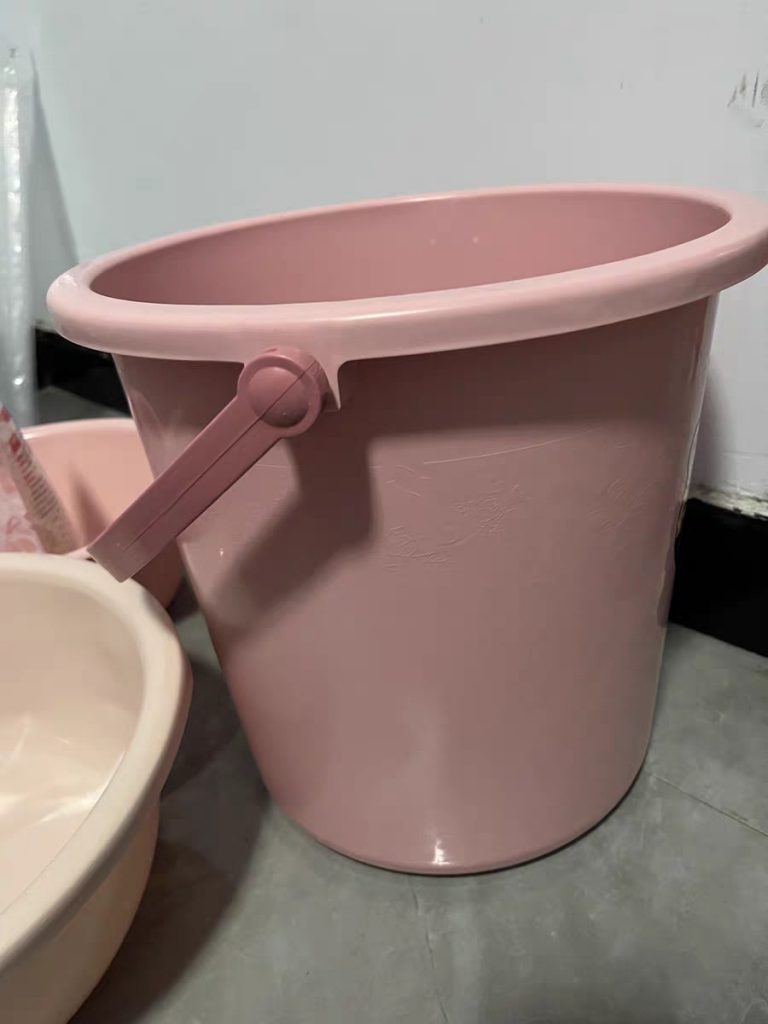

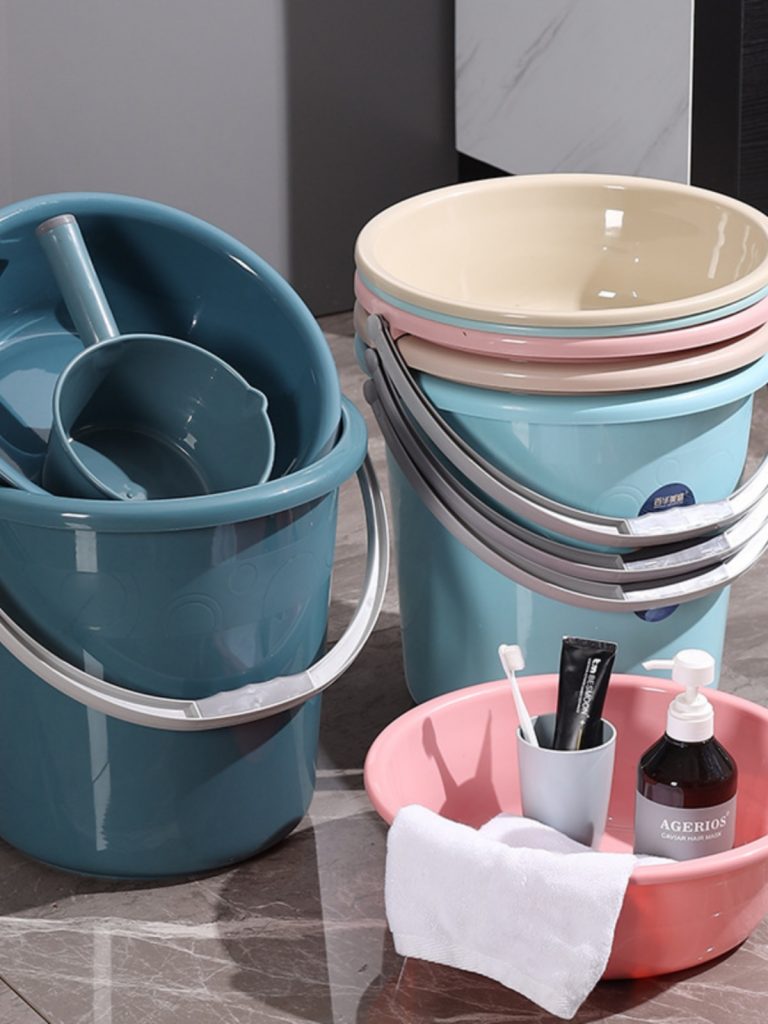
The global demand for household water buckets continues to grow as consumers seek durable, practical, and affordable products for everyday use. For wholesalers, distributors, retailers, supermarkets, and e-commerce sellers, partnering with a reliable household water bucket manufacturer is essential for maintaining product quality and maximizing profits.
This guide explains how to choose the best manufacturer for wholesale and private label orders, what services to expect, and how to build a successful sourcing strategy.
Why Choose a Professional Household Water Bucket Manufacturer?
Working directly with an experienced manufacturer offers several advantages over purchasing from trading companies.
Benefits include:
-
Factory-direct pricing
-
Stable production capacity
-
Strict quality control
-
OEM and ODM services
-
Faster production schedules
-
Flexible customization
-
Reliable export support
A trusted manufacturing partner can help you grow your business while ensuring consistent product quality.
Wholesale Household Water Bucket Solutions
Professional manufacturers supply a wide range of wholesale products suitable for different markets.
Common products include:
-
Household water buckets
-
Cleaning buckets
-
Storage buckets
-
Multi-purpose utility buckets
-
Food-grade water buckets
-
Heavy-duty plastic buckets
-
Stackable buckets
-
Buckets with lids
Wholesale buyers can often choose from standard designs or request customized products.
Private Label Manufacturing
Private label products help businesses establish their own brands and increase customer loyalty.
Typical private label services include:
-
Custom logo printing
-
Embossed or debossed branding
-
In-Mold Labeling (IML)
-
Custom color matching
-
Barcode labels
-
Retail-ready packaging
-
Instruction manuals
-
Promotional packaging
Private label manufacturing allows businesses to sell exclusive products without investing in their own production facilities.
Material Options
Manufacturers usually offer several material choices to meet different customer needs.
Popular materials include:
-
Polypropylene (PP)
-
High-Density Polyethylene (HDPE)
-
Virgin plastic
-
Recycled plastic
-
Food-grade plastic
Choosing the right material depends on product application, target market, and budget.
Custom Design Services
Many manufacturers provide OEM and ODM solutions.
Customization options include:
-
Bucket capacity
-
Shape and dimensions
-
Color selection
-
Lid design
-
Handle style
-
Wall thickness
-
Surface texture
-
Packaging design
Custom products help brands stand out in competitive markets.
Manufacturing Process
A professional production process typically includes:
-
Product consultation
-
Design confirmation
-
Sample production
-
Sample approval
-
Raw material preparation
-
Injection molding
-
Assembly
-
Quality inspection
-
Packaging
-
Shipment
Each stage is carefully managed to ensure consistent product quality.
Quality Control
Reliable manufacturers perform quality inspections throughout production.
Inspection items include:
-
Raw material testing
-
Size verification
-
Color consistency
-
Handle strength
-
Impact resistance
-
Leak testing
-
Load capacity testing
-
Packaging inspection
Strict quality control reduces product defects and improves customer satisfaction.
Production Capacity
Before selecting a manufacturer, evaluate their production capabilities.
Important factors include:
-
Number of production lines
-
Monthly production capacity
-
Mold development capability
-
Production lead time
-
Workforce experience
-
Automation level
A manufacturer with sufficient capacity can support long-term business growth.
Export Experience
Experienced exporters understand international market requirements.
Look for manufacturers familiar with:
-
Export documentation
-
International packaging standards
-
Customs procedures
-
Container loading optimization
-
Global shipping arrangements
Export experience helps reduce shipping delays and customs issues.
How to Select the Best Manufacturer
Compare suppliers based on:
-
Years of manufacturing experience
-
Factory certifications
-
Product quality
-
Customer reviews
-
OEM capabilities
-
Communication efficiency
-
Delivery performance
-
After-sales support
Choosing a reliable supplier is more important than simply finding the lowest price.
Questions to Ask Before Placing an Order
Before confirming your purchase, ask the manufacturer:
-
What materials do you use?
-
Can you provide product samples?
-
What certifications do you have?
-
What is your MOQ?
-
What customization services are available?
-
What is your production lead time?
-
How do you ensure quality control?
-
Can you arrange international shipping?
Clear communication helps avoid misunderstandings and ensures a smooth purchasing process.
Benefits of Long-Term Cooperation
Establishing a long-term relationship with one manufacturer offers several advantages:
-
Better pricing
-
Priority production
-
Stable quality
-
Faster response times
-
Easier product development
-
Flexible payment options
-
Reliable after-sales service



No reply content