
Power Strip Supplier in China
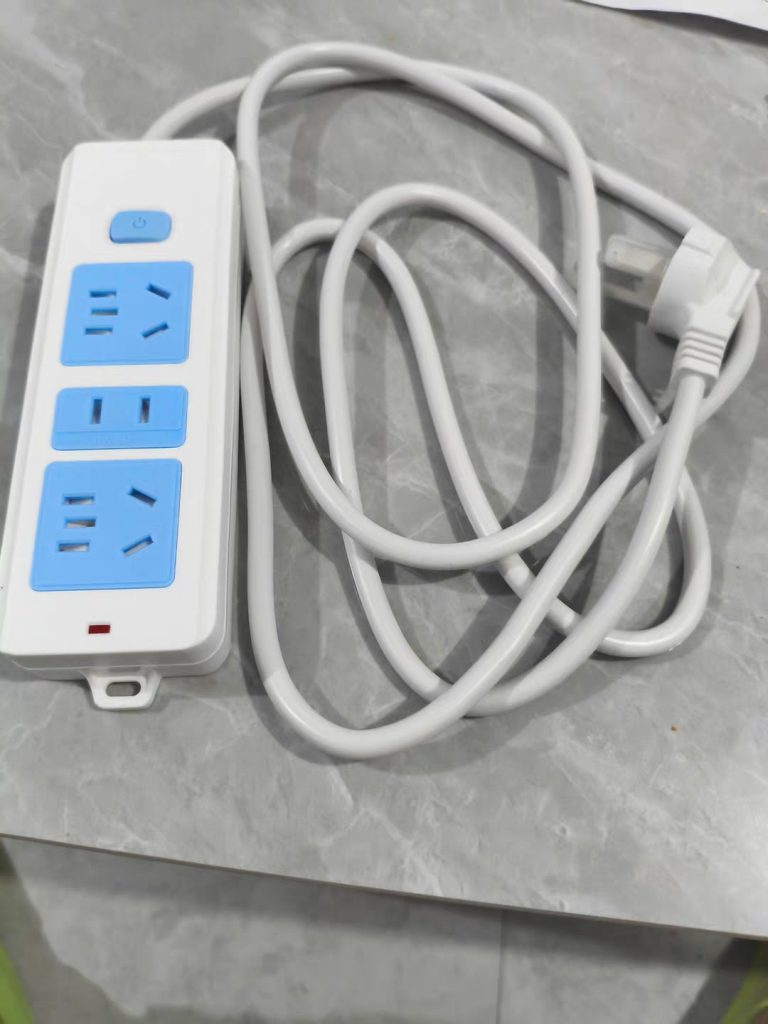
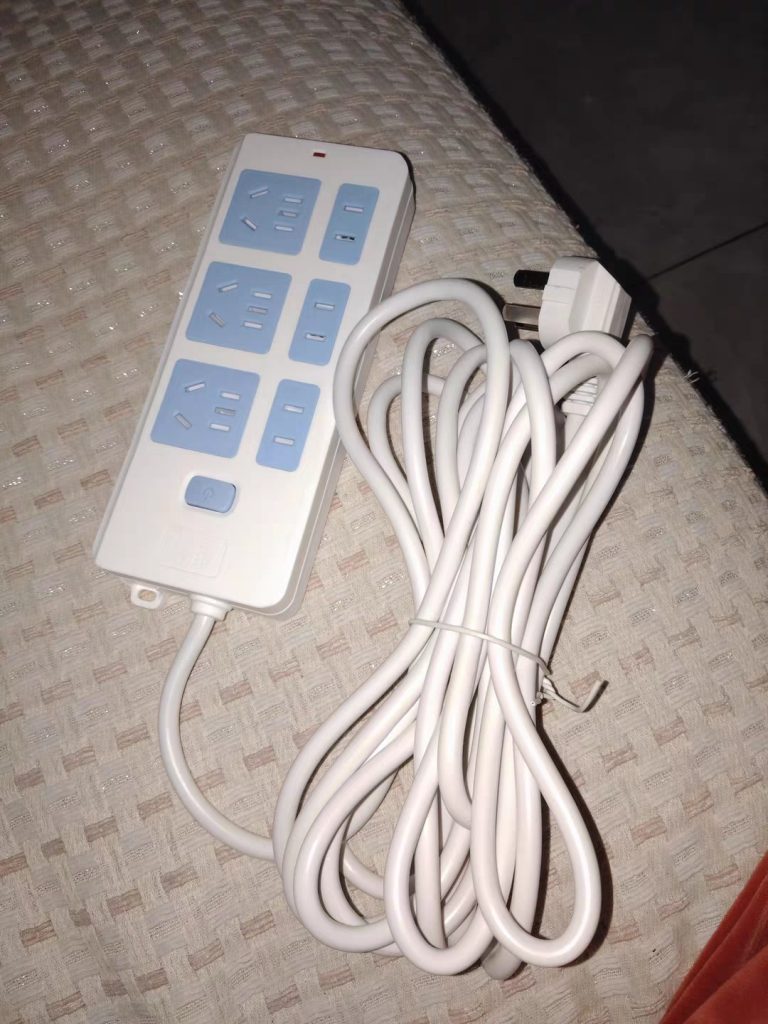
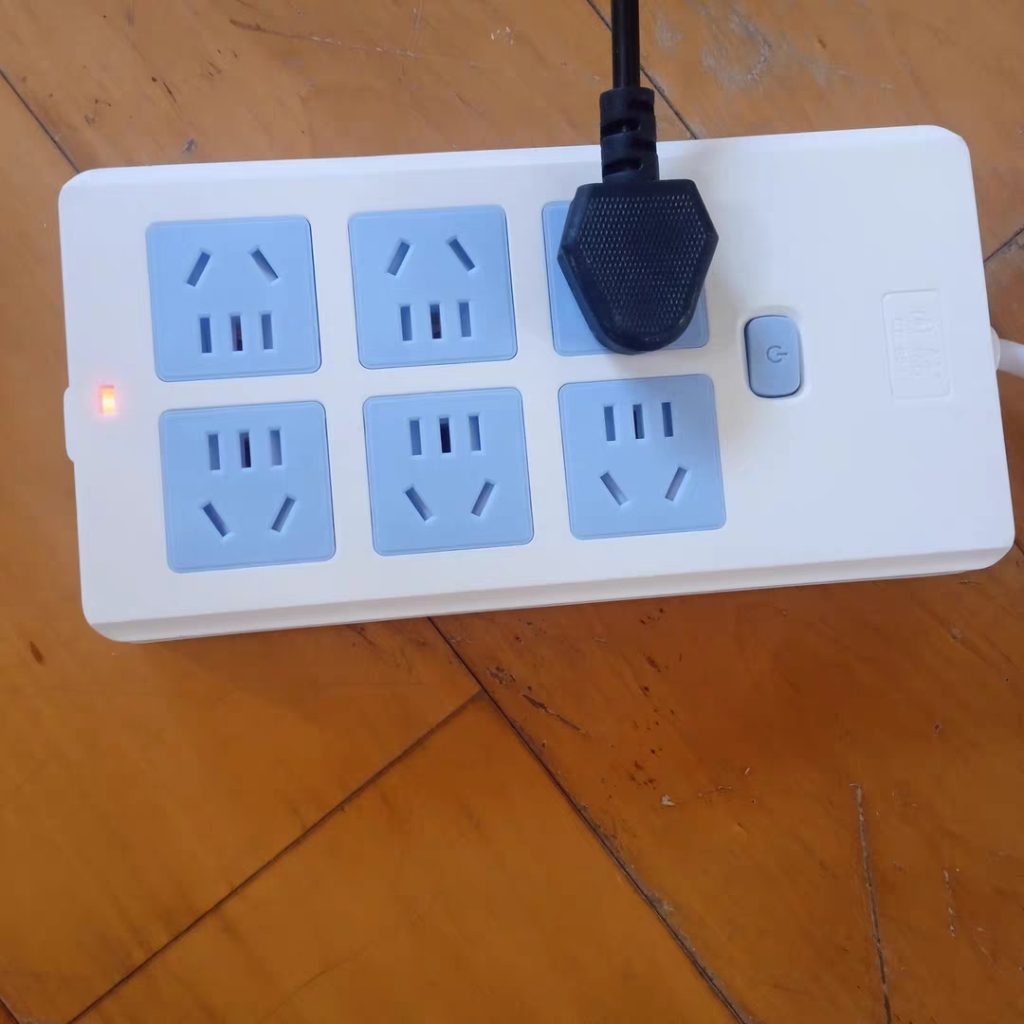
When sourcing power strips in bulk, the price is often the first thing buyers notice. However, for professional importers and brand owners, compliance is the bottom line. Choosing between a UL-certified power strip and a non-certified alternative isn’t just a matter of budget—it’s a matter of legal liability, brand reputation, and customer safety.
As a professional power strip manufacturer, we believe that understanding these differences is crucial for your business success.
1. The Legal Reality: Customs Clearance and Market Access
One of the biggest risks of importing non-certified electronics is customs seizure. In markets like the United States, customs officials strictly enforce regulations requiring electrical products to meet specific standards (such as UL 1363 for power strips).
-
Certified: Products with recognized certifications (UL, ETL, CE) sail through customs smoothly.
-
Non-Certified: Products without proper documentation are frequently held at the border, leading to costly storage fees, forced re-exportation, or even destruction.
2. Material Quality: The Core of Safety
The most significant difference lies in the materials used. Non-certified manufacturers often cut corners by using recycled plastics and substandard copper wiring to lower costs. This leads to two major hazards:
-
Flammability: Non-certified units often use cheap ABS plastic that can melt or ignite under high temperatures. UL-certified products require high-grade, fire-retardant PC or PP materials that can withstand extreme heat.
-
Conductivity: Thin, impure copper wires generate excessive heat during high-load use, which is a primary cause of electrical fires.
3. Quality Control: Consistency vs. Chaos
A UL certification is not a one-time test; it requires continuous factory audits.
-
UL Certified Factories: We maintain strict quality control systems. Every production batch undergoes rigorous testing for grounding continuity, insulation resistance, and plug durability.
-
Uncertified Suppliers: Without oversight, quality fluctuates wildly from batch to batch. You might receive functional samples but get defective goods in mass production.


No reply content