
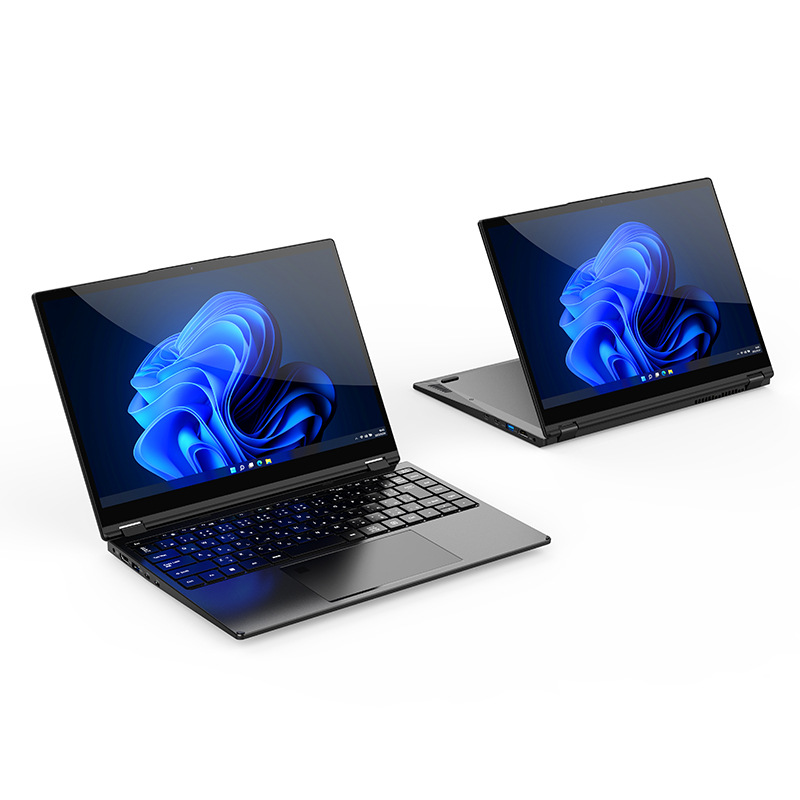
Opening Text Box (≈50 words):
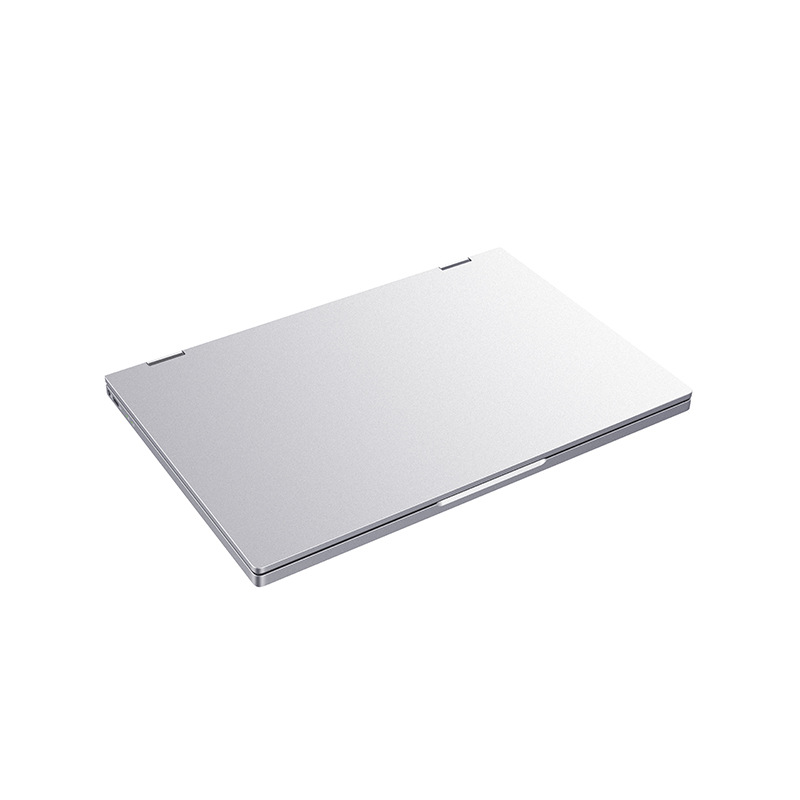
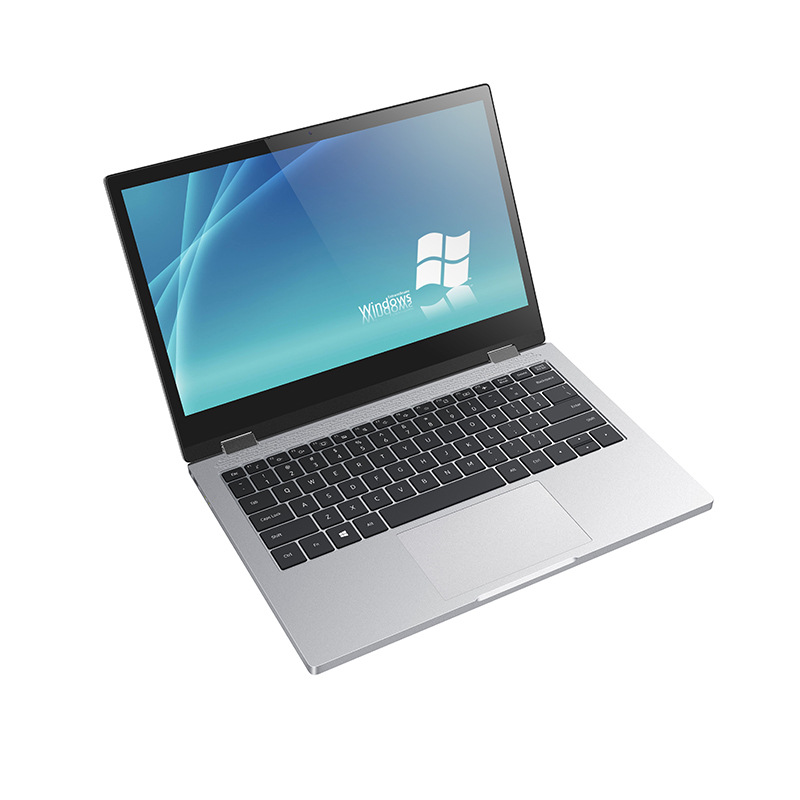
Ultrathin laptops combine portability, performance, and cutting-edge design for professionals and tech enthusiasts. OEM manufacturing enables businesses to produce lightweight, high-performance devices at scale while maintaining strict quality standards, customizable features, and market-specific branding to meet evolving consumer and enterprise demands worldwide.
1. Introduction to Ultrathin Laptops
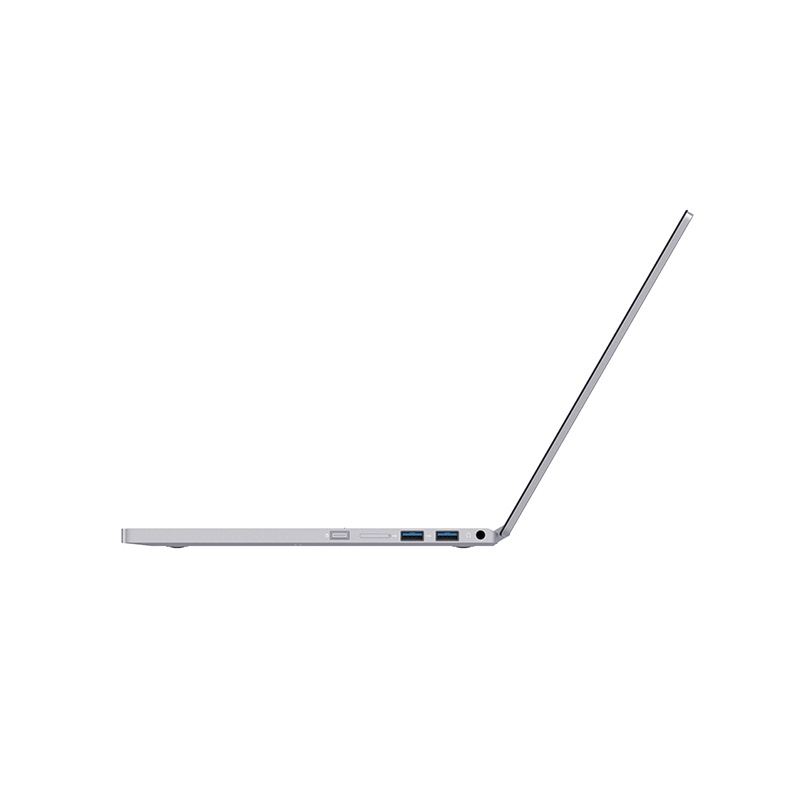
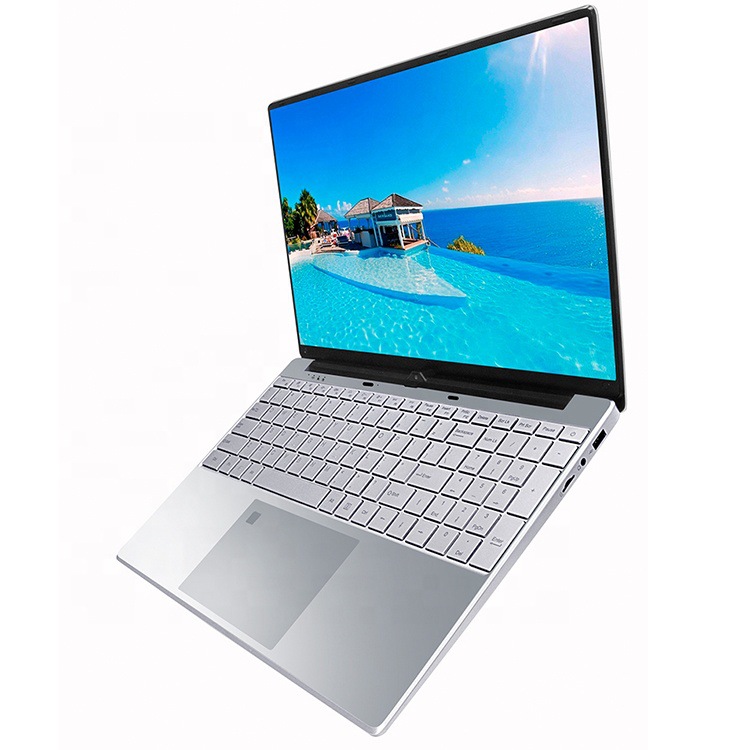
Ultrathin laptops are a revolutionary segment of the notebook market, designed for maximum portability without compromising on performance. Unlike traditional laptops, ultrathin models emphasize slim form factors, lightweight materials, and extended battery life, making them ideal for professionals, students, and frequent travelers.
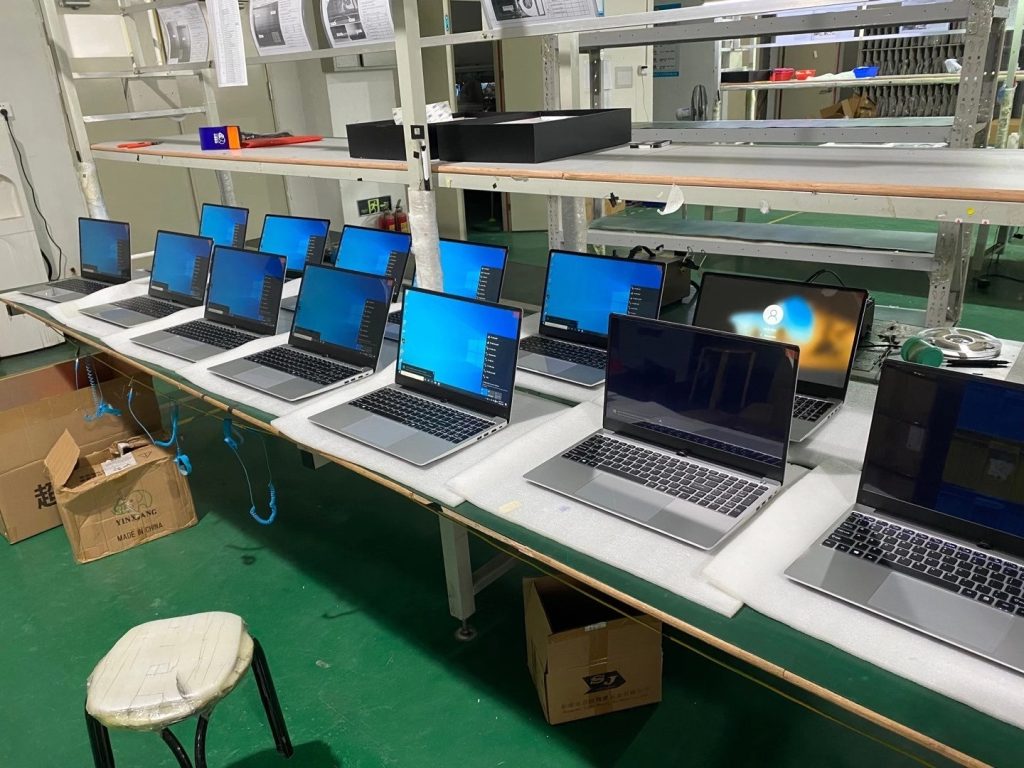
OEM (Original Equipment Manufacturer) production allows brands to leverage specialized manufacturers to produce these laptops at scale. This process ensures consistency, high-quality standards, and the flexibility to include custom features tailored to specific market needs.
Key advantages of ultrathin laptops include:
- Portability: Lightweight and slim design suitable for travel and mobile work.
- Performance: Equipped with powerful CPUs, SSD storage, and optimized RAM configurations.
- Battery Life: Long-lasting battery solutions supporting full-day use without charging.
- Aesthetic Design: Sleek metal or composite chassis for premium look and feel.
2. Advantages of OEM Manufacturing
OEM manufacturing offers multiple benefits for businesses looking to produce ultrathin laptops:
- Cost Efficiency: Large-scale production reduces unit cost.
- Customization: Tailor laptops with specific hardware, software, and branding.
- Quality Assurance: Professional manufacturers ensure strict quality control and reliability.
- Scalability: Ability to meet small or large orders efficiently.
- Technical Expertise: Access to advanced design, engineering, and assembly expertise.
By partnering with OEM manufacturers, companies can focus on marketing and distribution while relying on expert production teams to maintain high standards.
3. Core Components of Ultrathin Laptops
a. Central Processing Unit (CPU)
Ultrathin laptops often feature low-power, high-performance CPUs such as Intel Core i7/i9, AMD Ryzen 7/9, or ARM-based processors. These CPUs balance computational power with energy efficiency, enabling sleek designs without overheating.
b. Memory (RAM)
High-speed LPDDR or DDR4/DDR5 RAM modules ensure smooth multitasking and responsiveness. Common configurations range from 8GB to 32GB, depending on professional or consumer use cases.
c. Storage Solutions
NVMe SSDs are standard in ultrathin laptops, providing rapid read/write speeds and compact form factors. Some models combine SSDs with cloud storage or external expansion options.
d. Display Technology
Ultrathin laptops often include high-resolution displays (Full HD, 4K) with IPS or OLED panels, offering excellent color accuracy, brightness, and wide viewing angles for designers, developers, and content creators.
e. Battery and Power Management
Advanced battery technology and energy-efficient components allow ultrathin laptops to operate for 8–20 hours depending on workload. OEM manufacturers optimize thermal and power management to maximize runtime in slim enclosures.
f. Chassis and Cooling
Lightweight metal alloys or reinforced composites are common, paired with compact cooling systems. Efficient thermal design prevents overheating while maintaining silent operation.
4. Design Considerations in Ultrathin Laptops
Design is critical in ultrathin laptops. OEM manufacturers must carefully balance:
- Weight vs. Durability: Materials that are light but strong.
- Thermal Efficiency: Thin enclosures require innovative cooling solutions.
- Port Selection: USB-C, Thunderbolt, HDMI, and other ports must fit slim profiles.
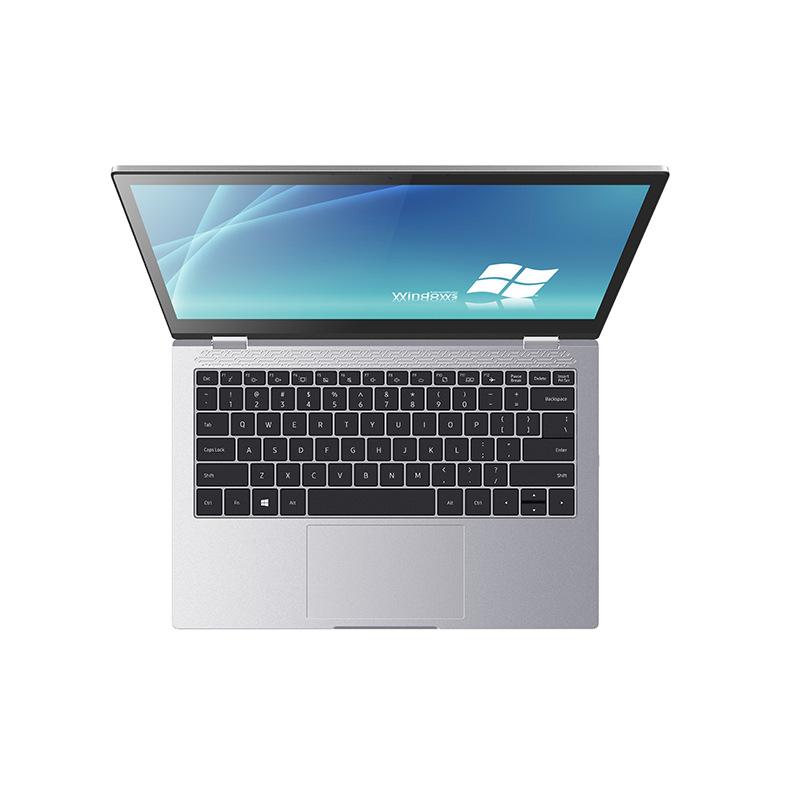
- User Experience: Keyboard layout, trackpad precision, and overall ergonomics.
- Aesthetic Appeal: Sleek finishes, color options, and minimalistic design for premium perception.
Proper design ensures both functional performance and market competitiveness.
5. Applications and Target Markets
Ultrathin laptops cater to a variety of users:
- Business Professionals: Portable, reliable devices for office work, presentations, and remote work.
- Students: Lightweight laptops for note-taking, research, and digital learning.
- Creative Professionals: Designers, editors, and developers needing high-resolution displays and performance.
- Travelers: Devices optimized for portability and battery longevity.
- Enterprise Deployment: Businesses can equip staff with consistent ultrathin devices for productivity and security compliance.
OEM manufacturers often allow bulk orders with custom configurations to target these market segments effectively.
6. Quality Control in OEM Production
Industrial-grade quality control is essential in ultrathin laptop OEM manufacturing. Key practices include:
- Component Testing: Verification of CPU, RAM, storage, display, and battery reliability.
- Stress Testing: Load testing under various conditions to ensure stability.
- Thermal Evaluation: Confirming the cooling system maintains optimal temperatures.
- Durability Testing: Drop tests, hinge stress testing, and long-term operational reliability.
- Software Validation: Pre-installed OS and drivers tested for compatibility and performance.
Effective quality control minimizes warranty claims and strengthens customer trust.
7. Customization Options for OEM Clients
OEM clients can customize ultrathin laptops to align with brand and market requirements:
- Hardware Configurations: CPU, GPU, RAM, storage, display resolution, and battery size.
- Software Packages: Pre-installed OS, security software, or productivity suites.
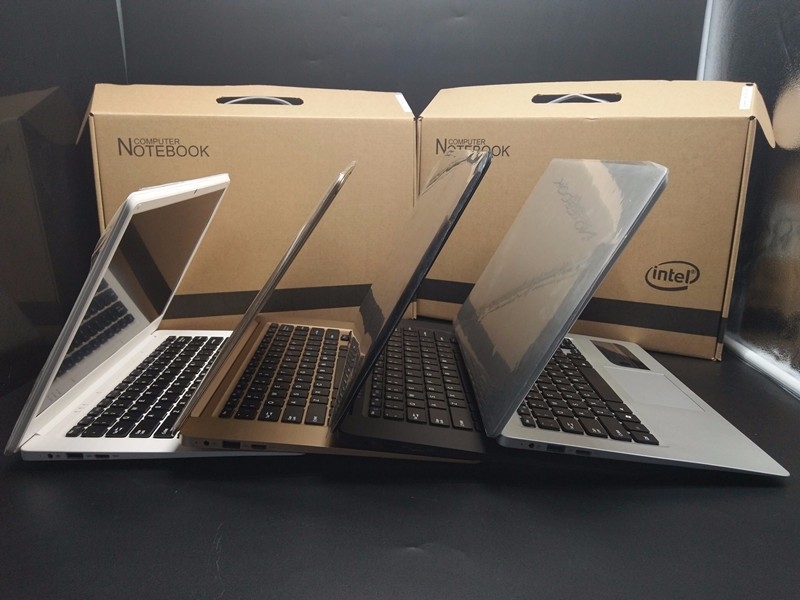
- Branding: Logo printing, color options, and unique chassis designs.
- Peripheral Bundles: Matching chargers, laptop sleeves, docking stations, or accessories.
- Regional Compliance: Certifications for safety, wireless standards, and energy efficiency.
Customization increases product differentiation and market appeal.
8. Supply Chain and Logistics Considerations
Efficient supply chain management is critical for OEM ultrathin laptop manufacturing:
- Component Sourcing: High-quality components must be sourced consistently.
- Inventory Management: Ensures timely assembly and delivery.
- Packaging and Shipping: Protective packaging minimizes damage during transit.
- Lead Times: Manufacturers provide production timelines for small and large orders.
- Global Compliance: Adherence to import/export regulations and regional certifications.
Effective logistics ensures businesses meet market demand without delays.
9. Trends in Ultrathin Laptop Manufacturing
The ultrathin laptop market is evolving rapidly, driven by technological and market trends:
- ARM-Based Laptops: Increased adoption of ARM processors for energy efficiency and fanless designs.
- AI and Machine Learning: Integration of AI-optimized hardware for predictive performance and enhanced productivity.
- Eco-Friendly Designs: Sustainable materials and energy-efficient components.
- Wireless Connectivity: 5G and Wi-Fi 6 for seamless remote operations.
- Enhanced Security: Biometric authentication, TPM chips, and enterprise-grade encryption.
OEM manufacturers that adapt to these trends deliver competitive products aligned with evolving consumer and business needs.
10. FAQ – Ultrathin Laptop OEM Manufacturing
Q1: What is the typical lead time for OEM production of ultrathin laptops?
A1: Lead times vary depending on customization and order volume, generally ranging from 4 to 12 weeks for bulk orders.
Q2: Can I request specific hardware configurations?
A2: Yes, most OEM manufacturers allow clients to specify CPU, RAM, storage, display, and battery options to meet market demands.
Q3: Are these ultrathin laptops tested before delivery?
A3: Absolutely. They undergo stress testing, thermal monitoring, and software validation to ensure reliability and performance.
Q4: Do OEM manufacturers provide warranty support?
A4: Yes, reputable OEM manufacturers provide warranty coverage, typically 1–3 years, including component replacement and technical assistance.
Q5: Can the laptops be branded with my company logo?
A5: Yes, OEM production includes options for branding, custom chassis colors, and other aesthetic customizations.
Q6: What industries commonly use ultrathin OEM laptops?
A6: Business, education, creative industries, remote work sectors, and enterprises deploying consistent devices across staff.


No reply content