
Introduction: The Role of a Professional Umbrella Manufacturer
In the global rain protection industry, an umbrella manufacturer is far more than a simple product supplier. For international buyers, brand owners, and wholesale distributors, the manufacturer represents engineering capability, quality consistency, and supply chain reliability.
As umbrellas continue to evolve from basic rain shields into lifestyle, fashion, promotional, and outdoor products, manufacturers must deliver not only aesthetic variety but also structural performance, material expertise, and scalable production. Buyers today expect transparency in specifications, predictable lead times, and products that perform consistently across different climates and usage scenarios.
A professional umbrella manufacturer operates at the intersection of design, material science, mechanical engineering, and global trade standards.
Core Manufacturing Capabilities of an Umbrella Factory
A qualified umbrella manufacturer typically integrates multiple production stages under one management system:
- Frame and rib assembly
- Canopy fabric cutting and sewing
- Printing and surface treatment
- Final assembly and functional testing
- Quality control and export packaging
This vertical integration allows tighter control over tolerances, material consistency, and defect rates, which directly impacts buyer satisfaction.
Umbrella Product Categories and Manufacturing Differences
Different umbrella categories require different engineering approaches.
Common Product Types
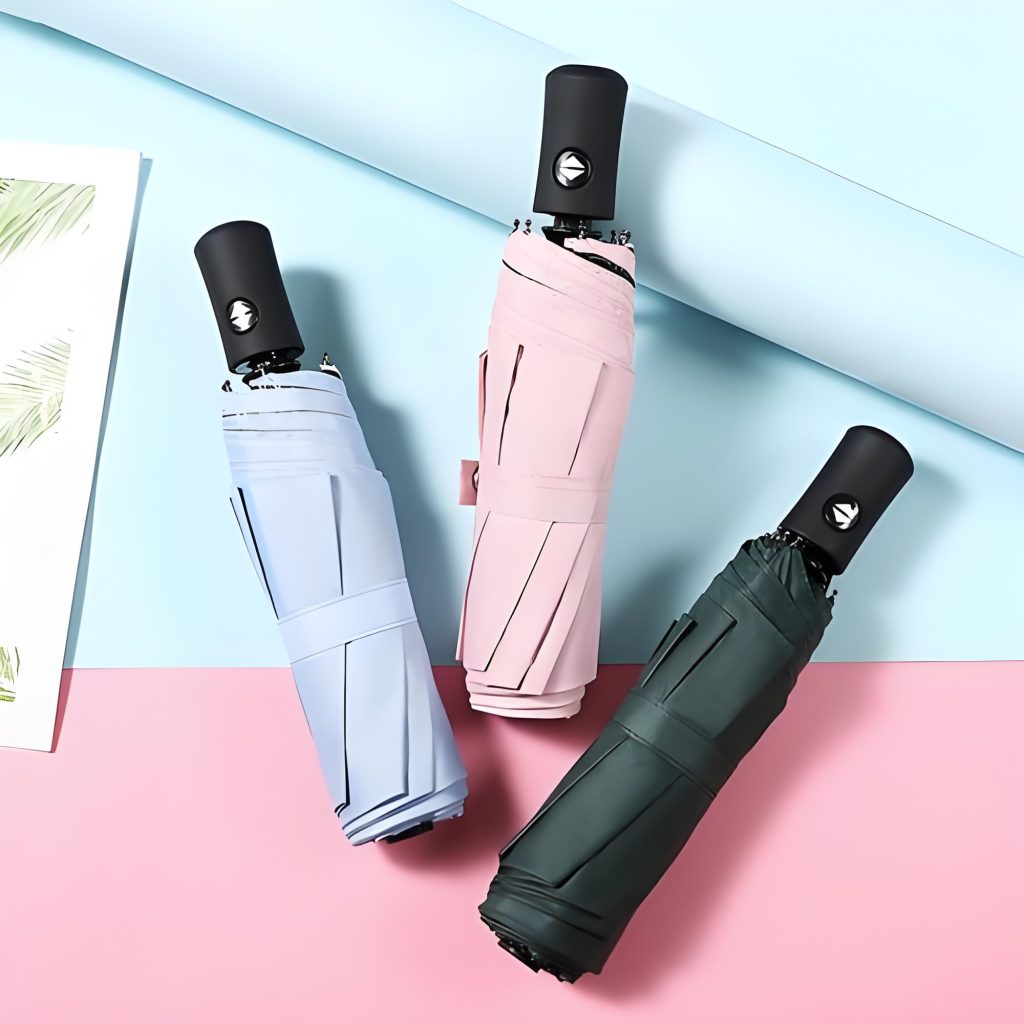
- Folding umbrellas (2-fold, 3-fold, 5-fold)
- Stick umbrellas
- Golf umbrellas
- Patio and outdoor umbrellas
- Promotional umbrellas
- UV and sun umbrellas
- Kids and specialty umbrellas
Each category varies significantly in frame geometry, rib length, load distribution, and fabric tension requirements.
Frame Engineering: Structure Defines Durability
The frame is the backbone of any umbrella.
Shaft Materials
| Material | Strength | Weight | Corrosion Resistance | Typical Use |
|---|---|---|---|---|
| Steel | Very High | Heavy | Medium | Budget & heavy-duty |
| Aluminum Alloy | High | Light | Excellent | Folding & premium |
| Fiberglass | Flexible | Light | Excellent | Wind-resistant |
| Carbon Fiber | Extremely High | Ultra-light | Excellent | High-end |
Modern umbrella manufacturers increasingly use hybrid structures, combining aluminum shafts with fiberglass ribs to balance weight and resilience.
Rib Design and Wind Performance
Key rib-related technical factors include:
- Rib diameter (typically 3.0–5.5 mm)
- Rib wall thickness
- Joint reinforcement
- Memory rebound capability
High-quality ribs can withstand wind speeds of 8–10 m/s without permanent deformation when designed correctly.
Canopy Fabric Technology and Performance Metrics
The canopy determines both visual appeal and functional performance.
Common Fabric Options
| Fabric Type | Density | Waterproof Rating | Color Fastness |
|---|---|---|---|
| Polyester | 170–250T | Medium | Medium |
| Pongee | 190–210T | High | High |
| RPET Fabric | 190–210T | High | High |
| Acrylic | Heavy | Very High | Excellent |
Performance Indicators
- Hydrostatic pressure: ≥ 800 mm
- Water repellency: Grade 4–5
- UV protection: UPF 30–50+
- Abrasion resistance: ≥ 1,000 cycles
These indicators are critical for umbrellas used in retail and outdoor environments.
Manufacturing Processes: Precision Matters
Key Production Steps
- Fabric inspection and cutting
- Frame component assembly
- Canopy sewing and reinforcement stitching
- Logo printing or digital transfer
- Final assembly and functional testing
Precision during assembly ensures smooth opening/closing cycles and long-term durability.
Customization Capabilities for OEM and Private Label Buyers
Umbrella manufacturers often support extensive customization.
Customizable Elements
- Canopy color and material
- Logo printing (screen, digital, heat transfer)
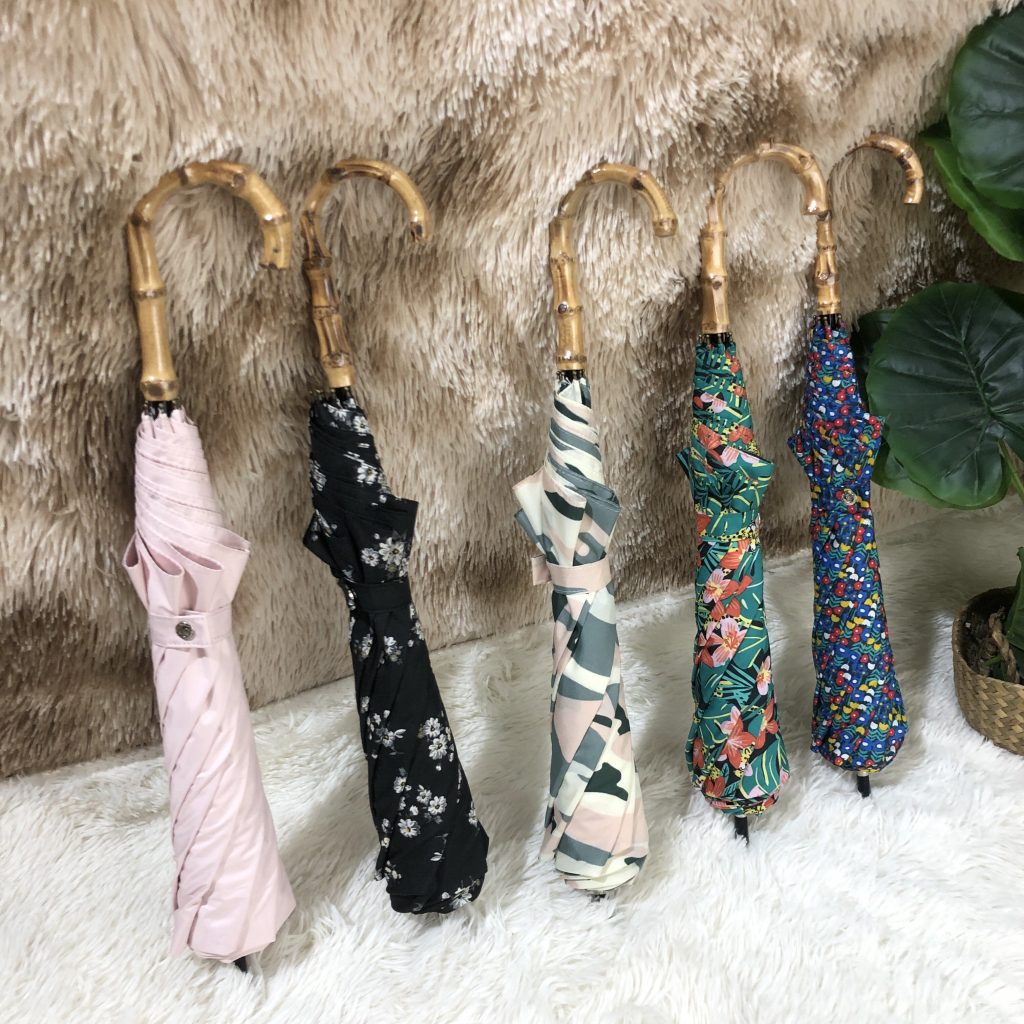
- Handle shape and material
- Opening mechanism (manual / automatic)
- Packaging design
Typical OEM MOQs range from 300 to 1,000 units, depending on customization depth.
Quality Control Standards in Umbrella Manufacturing
Professional factories implement multi-layer quality control systems.
Standard QC Procedures
- Incoming raw material inspection
- Opening/closing cycle test (≥ 3,000 cycles)
- Rib tension and wind simulation test
- Fabric waterproof and UV testing
- Final random inspection (AQL 2.5 / 4.0)
Consistent QC reduces return rates and protects brand reputation.
Umbrella Manufacturer vs Trading Company: Key Differences
| Aspect | Manufacturer | Trading Company |
|---|---|---|
| Production Control | Direct | Indirect |
| Cost Transparency | High | Medium |
| Custom Development | Strong | Limited |
| Lead Time Control | Stable | Variable |
| Technical Support | In-house | Outsourced |
For long-term cooperation, buyers often prefer direct manufacturers for better control and scalability.
Export Compliance and International Standards
Umbrella manufacturers serving global markets must comply with:
- REACH (EU)
- California Proposition 65
- Color fastness and chemical safety standards
- Packaging and labeling regulations
Understanding these requirements helps prevent customs delays and compliance risks.
Technical Specification Table (Example)
| Item | Specification |
|---|---|
| Product Type | 3-Fold Automatic Umbrella |
| Open Diameter | 105 cm |
| Folded Length | 32 cm |
| Shaft Material | Aluminum Alloy |
| Rib Material | Fiberglass |
| Fabric | 210T Pongee |
| UV Protection | UPF 50+ |
| Weight | 420 g |
| Opening Cycles | ≥ 3,000 |
Applications Across Global Markets
Umbrella manufacturers supply products for:
- Retail and wholesale chains
- Promotional and corporate gifting
- E-commerce private labels
- Hospitality and outdoor venues
- Transportation and travel retail
Different markets prioritize different features, such as wind resistance in Europe or UV protection in high-sun regions.
Building Trust with an Umbrella Manufacturer (E-E-A-T)
Experience
Years of producing umbrellas for international buyers across diverse markets.
Expertise
Engineering knowledge covering materials, mechanics, and textile performance.
Authoritativeness
Established export records and repeat long-term customers.
Trustworthiness
Transparent communication, stable quality, and consistent delivery schedules.
FAQ: Umbrella Manufacturing and Sourcing
Q1: What is the most durable umbrella structure?
Fiberglass ribs combined with aluminum shafts provide the best balance of strength and flexibility.
Q2: Can umbrellas be made windproof?
While no umbrella is completely windproof, reinforced ribs and vented designs significantly improve resistance.
Q3: Are eco-friendly umbrellas reliable?
Yes. RPET fabrics meet waterproof and durability standards when sourced and processed correctly.
Q4: What is the typical production lead time?
Usually 25–40 days, depending on order volume and customization.
Q5: Can manufacturers support small brands?
Many factories offer low MOQs and private label services for emerging brands.
Conclusion: Choosing the Right Umbrella Manufacturer
An umbrella manufacturer is not just a supplier, but a long-term production partner. The right factory delivers consistent quality, engineering reliability, and scalable solutions that support brand growth across global markets.
For buyers seeking dependable rain protection products, working directly with a professional umbrella manufacturer ensures performance, compliance, and long-term value.


No reply content