
China Customized OEM Arts & Crafts Gift Manufacturer
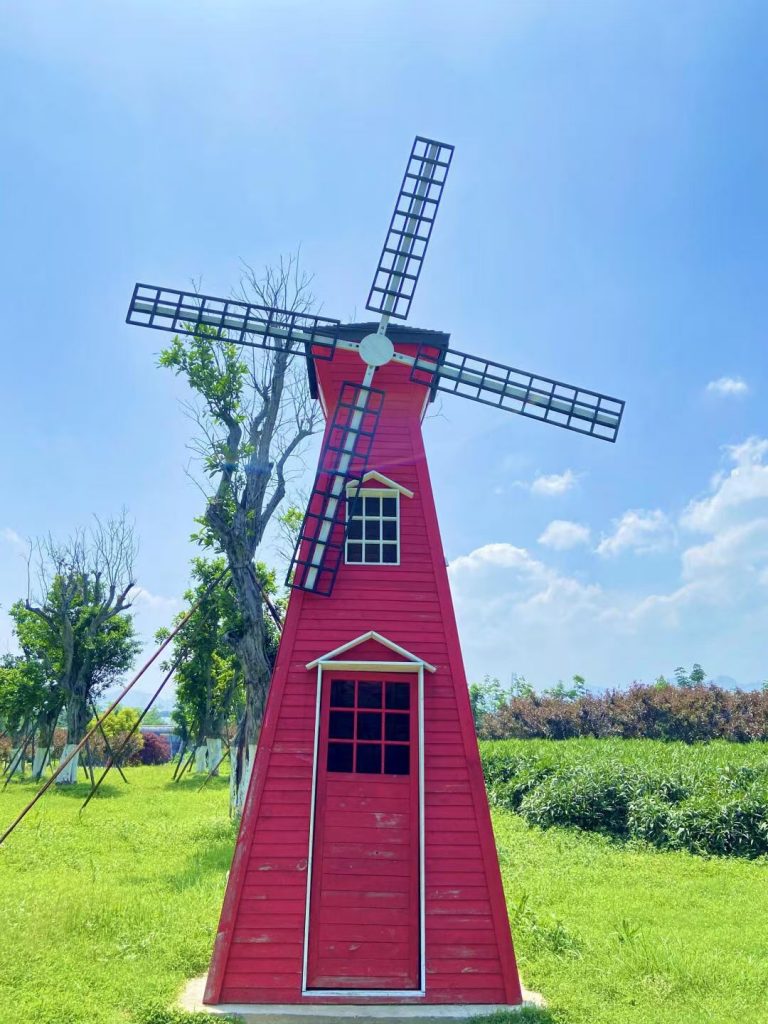
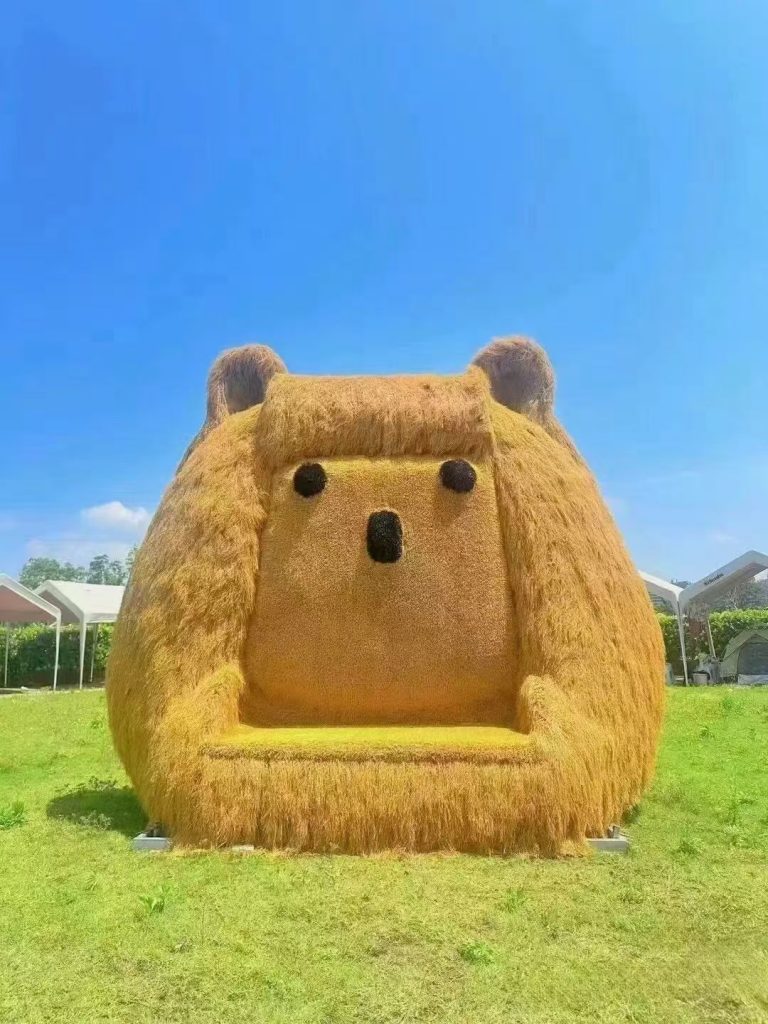



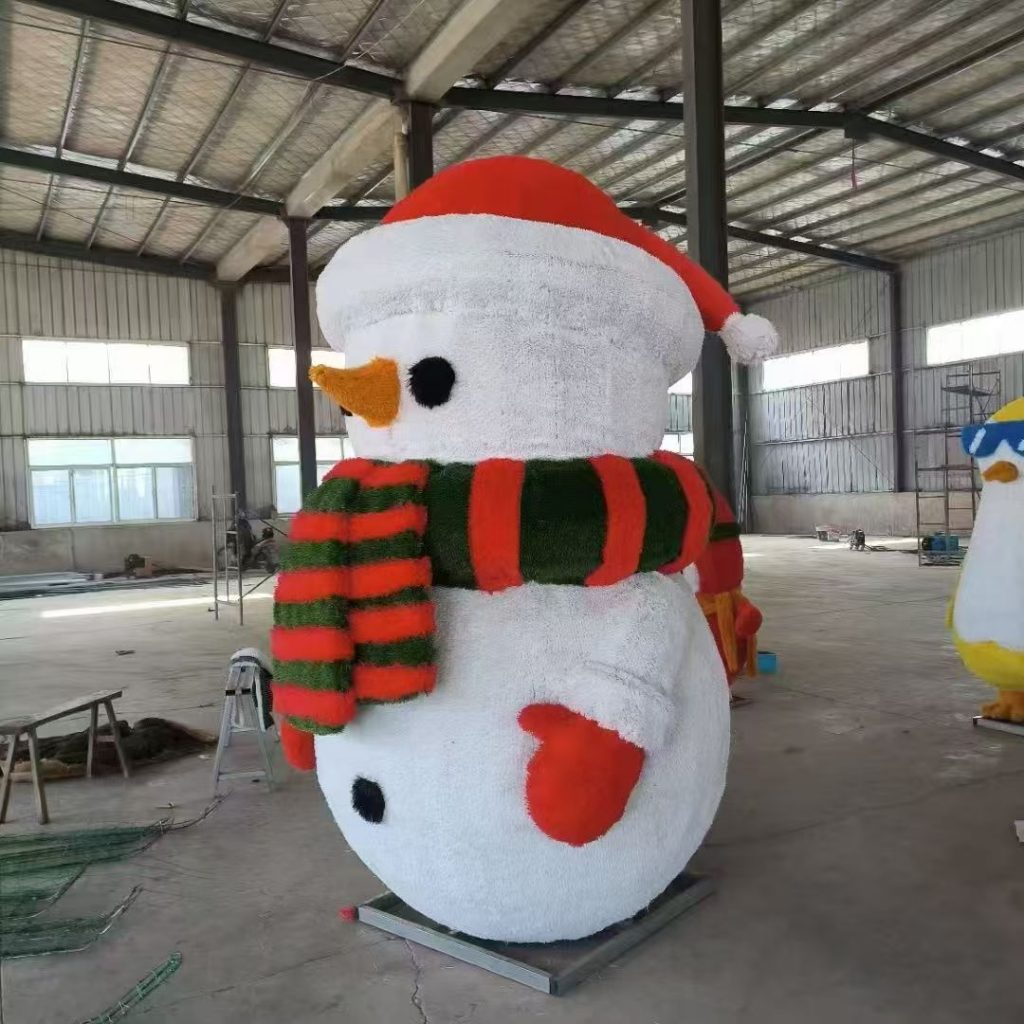
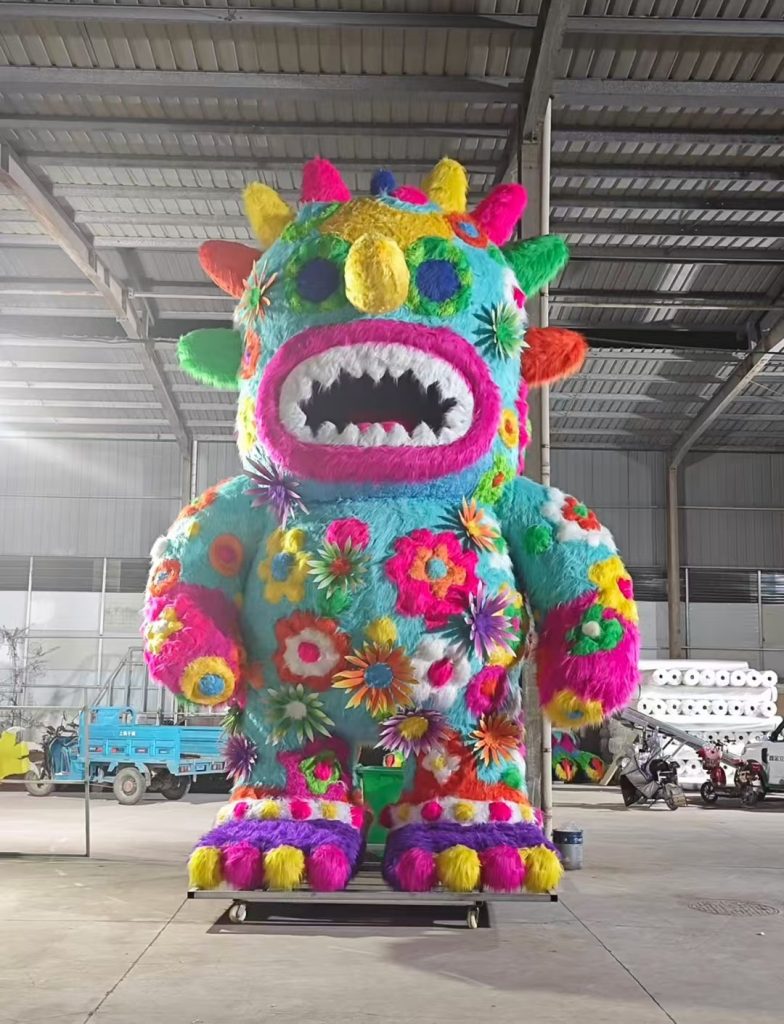
——Where Art, Nature, and Imagination Converge in Private Edens
Gardens are more than landscapes—they are personal sanctuaries where nature and human creativity intertwine. Within these spaces, unique garden art serves as the soul of the design: a silent storyteller that transforms greenery into an immersive experience. Unlike mass-produced decorations, these artworks are born from collaboration between artists, landscape architects, and manufacturers who specialize in turning raw materials into poetic expressions. This article explores the world of unique garden art manufacturers, their design philosophies, material innovations, and the transformative power of their creations. A detailed FAQ section addresses practical considerations for homeowners, designers, and collectors.
I. The Evolution of Garden Art: From Ornament to Narrative
A. Beyond Traditional Decor
Historically, garden art consisted of classical statues, birdbaths, or sundials—functional but static objects. Modern manufacturers have revolutionized this concept by introducing:
-
Dynamic Interactions: Wind-activated kinetic sculptures, water features with integrated art, and light-responsive installations.
-
Eco-Integration: Pieces that evolve with seasons (e.g., frost-resistant ceramics that change color in winter).
-
Abstract Narratives: Sculptures evoking emotions (solitude, joy) rather than literal representations.
B. The Manufacturer’s Role: Artisans of Environment
A unique garden art manufacturer operates as a translator—converting a client’s vision into tangible form while respecting the garden’s ecology. This requires:
-
Material Science Knowledge: Understanding how materials behave in outdoor environments (e.g., clay expansion/contraction).
-
Ecological Sensitivity: Using non-invasive installation methods (e.g., screw piles instead of concrete foundations).
-
Collaborative Design: Working with gardeners to ensure art complements plant growth cycles.
II. Core Competencies of Unique Garden Art Manufacturers
A. Material Innovation: The Palette of Nature
Manufacturers push boundaries by blending traditional and unconventional materials:
-
Reclaimed Materials:
-
Driftwood: Sculpted into organic forms resembling trees or sea creatures.
-
Broken Ceramics: Mosaic-clad sculptures with shimmering, fragmented surfaces.
-
-
Living Materials:
-
Air-Purifying Plants: Integrated into wire mesh “living walls.”
-
Mycelium (Fungus Roots): Biodegradable sculptures that decompose into soil.
-
-
Advanced Composites:
-
Glass Fiber Reinforced Concrete (GFRC): Lightweight yet durable for large forms.
-
Patinated Metals: Copper, bronze, and corten steel developing natural patinas.
-
Case Example: A manufacturer created a “River Guardian” sculpture for a Japanese garden using reclaimed fishing nets (symbolizing ocean conservation) woven around a stainless steel frame shaped like a koi fish.
B. Design Philosophy: Art as Ecological Dialogue
Top manufacturers follow three principles:
-
Site-Specificity:
-
Analyzing sun/shade patterns, soil pH, and wind direction to position art for optimal interaction.
-
Example: A sun-sensitive mosaic that reveals hidden patterns at noon.
-
-
Metaphorical Depth:
-
Sculptures embodying themes like “resilience” (twisted oak branches) or “transience” (dissolving ceramic forms).
-
-
Multisensory Engagement:
-
Incorporating sound (wind chimes), texture (rough-hewn stone), and scent (integrated aromatic herbs).
-
C. Technical Mastery: Engineering for the Elements
-
Structural Integrity:
-
Finite element analysis (FEA) for load-bearing calculations (e.g., a 3-ton stone sculpture).
-
Anti-theft anchoring systems for valuable pieces.
-
-
Weather Resistance:
-
Hydrophobic coatings for ceramics (preventing freeze-thaw damage).
-
Sacrificial anodes for submerged metal sculptures (combating electrolysis).
-
III. Product Portfolio: Art for Every Garden Archetype
A. Sculptural Forms
| Type | Materials | Ideal Setting | Example Concept |
|---|---|---|---|
| Figurative | Bronze, GFRC, Reclaimed Wood | Formal lawns | “Meditating Hermit” with movable limbs |
| Abstract | Corten Steel, Painted Steel | Modern minimalist gardens | Geometric shapes reflecting clouds |
| Kinetic | Aluminum, Nylon, Wind Turbines | Open meadows | Windmill-driven mobile of birds |
| Architectural | Stone, Brick, Glass Blocks | Zen gardens | Moon gate with embedded fossils |
B. Functional Art
-
Water Features:
-
Cascading ceramic bowls with integrated LED lighting.
-
Submerged sculptures creating ripple patterns.
-
-
Lighting Sculptures:
-
Solar-powered glass orbs glowing at dusk.
-
Fiber-optic “firefly” clusters in trees.
-
C. Ephemeral Installations
-
Seasonal Displays:
-
Ice sculptures for winter gardens (with internal LED lighting).
-
Salt crystallization art for arid climates.
-
IV. The Manufacturing Process: From Vision to Sanctuary
Step 1: Collaborative Visioning
-
Clients share inspirations (poetry, dreams, memories).
-
Manufacturers propose concepts via 3D renderings and material samples.
Step 2: Prototyping & Testing
-
Small-scale prototypes exposed to simulated weather (UV, rain, freeze cycles).
-
Client feedback loops for refinements.
Step 3: Ethical Material Sourcing
-
Traceability certificates for reclaimed/recycled materials.
-
Local sourcing to reduce carbon footprint (e.g., stone quarried within 50 miles).
Step 4: Precision Fabrication
-
Hand-finishing techniques (chasing, patination, carving).
-
Digital fabrication (CNC milling for complex geometries).
Step 5: Ecological Installation
-
Non-invasive mounting (helical piles, weighted bases).
-
Soil restoration around foundations.
V. Sustainability: Art as Regenerative Practice
Leading manufacturers embed circular economy principles:
-
Take-Back Programs: Repurposing decommissioned sculptures into new art.
-
Carbon Offsetting: Planting trees for every commission.
-
Educational Partnerships: Hosting workshops on creating art from garden waste.
VI. FAQ: Unique Garden Art Manufacturing
Q1: How is unique garden art different from mass-produced decor?
A: Unique art is collaboratively designed for your specific space, using ethically sourced materials and engineered for longevity. Mass-produced items lack site-specific adaptation and artistic intent.
Q2: What materials work best for humid climates?
A: Marine-grade stainless steel, GFRC with waterproof sealants, and hardwoods like teak or ipe. Avoid untreated iron or porous limestone.
Q3: Can sculptures be installed on slopes or uneven terrain?
A: Yes. Manufacturers design custom mounting systems (adjustable pedestals, cantilevered bases) for challenging topography.
Q4: How do you protect art from vandalism or theft?
A: Security measures include:
Q5: What is the typical lifespan of garden sculptures?
A: With proper care:
Q6: Can art be repaired if damaged?
A: Yes. Manufacturers offer restoration services using compatible materials (e.g., welding steel, filling ceramic cracks with tinted epoxy).
Q7: How much does custom garden art cost?
A: Pricing varies by complexity:
Q8: Do you offer lighting integration?
A: Absolutely. Options include solar-powered LEDs, low-voltage systems, and programmable color-changing lights.
Q9: How do I choose art for a small garden?
A: Focus on vertical pieces (wall-mounted reliefs), reflective surfaces (polished metal), or optical illusions (trompe l’oeil murals).
Q10: Can sculptures be relocated later?
A: Modular designs allow disassembly. Permanent installations require professional removal to preserve integrity.
VII. Conclusion: Gardens as Living Galleries
Unique garden art manufacturers elevate outdoor spaces into galleries without walls—places where art evolves with seasons, interacts with wildlife, and reflects the soul of its owner. By blending technical mastery with poetic vision, they prove that gardens need not be merely planted; they can be composed.
As sustainability and personalization become paramount in design, these artisans will continue pioneering new mediums—from bioluminescent fungi sculptures to AI-generated topographic reliefs—ensuring that every garden can tell its own epic.
In essence: Unique garden art is not decoration. It is the garden speaking.


No reply content