
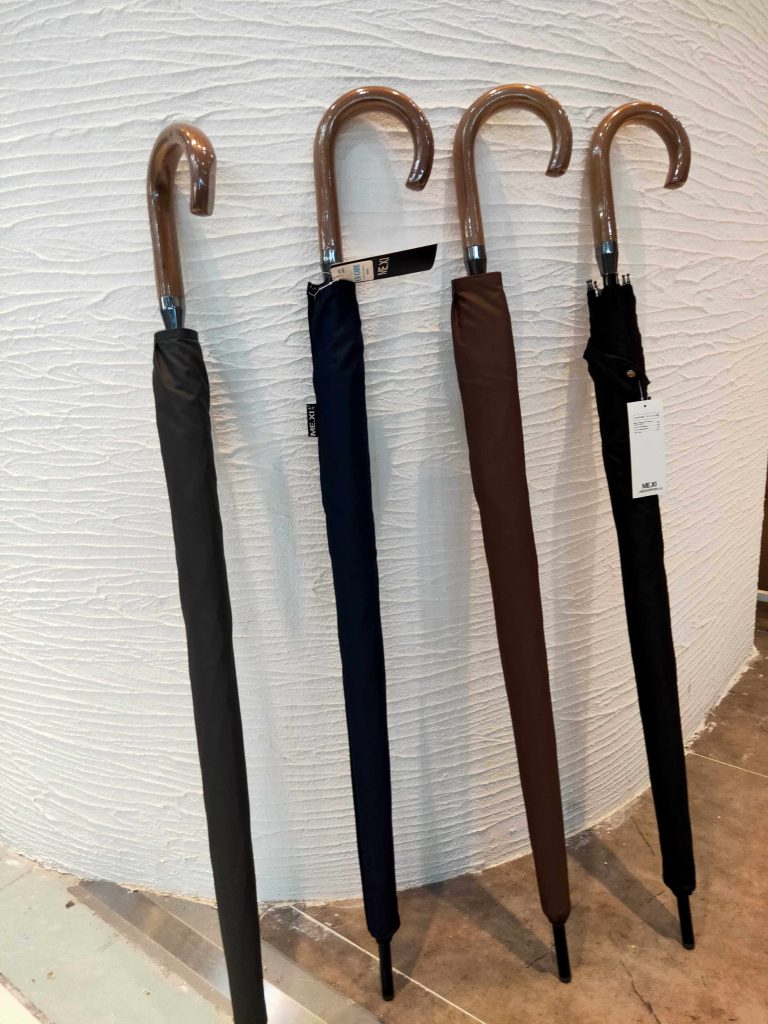
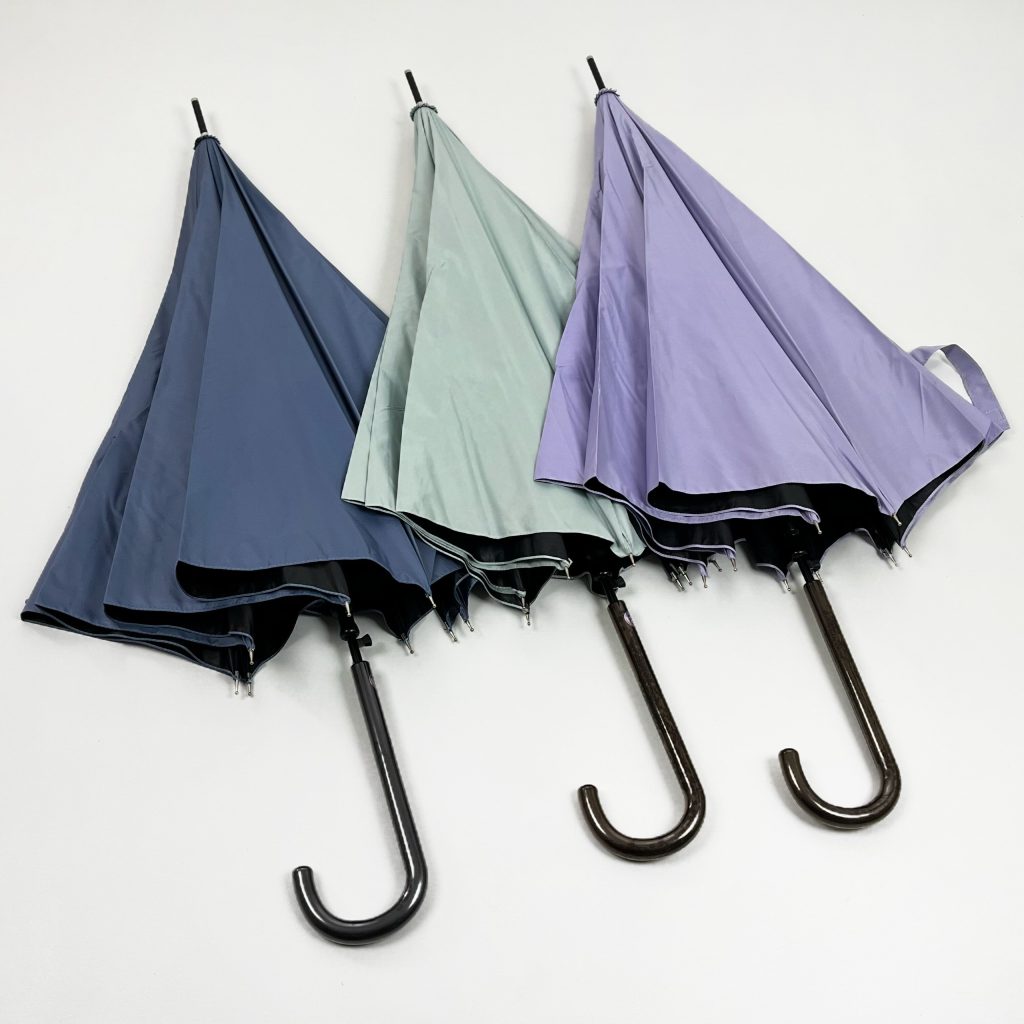
Introduction: Why Waterproof and Quick-Dry Fabrics Matter
In umbrella manufacturing, the fabric plays a critical role in performance, durability, and customer satisfaction. Waterproof and quick-dry fabrics are essential for modern umbrellas, providing protection against rain, UV radiation, and other environmental conditions.
For OEM, ODM, and private label umbrella brands, selecting the right fabric ensures long-lasting products, brand trust, and compliance with international standards.
High-quality fabrics improve:
- Rain resistance: Prevents water penetration during heavy showers
- Drying speed: Reduces water retention, preventing dripping after use
- UV protection: Protects both the user and the umbrella materials
- Durability: Maintains color, tensile strength, and appearance over time
Types of Waterproof and Quick-Dry Fabrics Used in Umbrellas
1. Polyester
- Most common umbrella fabric
- Lightweight, strong, and easy to dye
- Typical density: 170–190T
- UPF protection: UPF 30+
- Suitable for budget and promotional umbrellas
2. Pongee
- Premium fabric used for travel and folding umbrellas
- Smooth texture, water-repellent, and high-density weave
- Typical density: 190–210T
- UPF protection: UPF 50+
- Excellent for private label and lifestyle brands
3. RPET (Recycled Polyester)
- Eco-friendly fabric made from recycled PET bottles
- Sustainable without compromising performance
- High water repellency and fast-drying capabilities
- Ideal for eco-conscious brands and marketing campaigns
4. Acrylic
- Heavy-duty fabric for large umbrellas like patio or golf umbrellas
- Highly resistant to water, UV, and fading
- Durable in outdoor environments
- Used in luxury, resort, or commercial umbrellas
Technical Performance Specifications
Fabric Parameters
| Fabric Type | Density (T) | Water Repellency | Quick-Dry Performance | UV Protection | Abrasion Resistance | Tensile Strength |
|---|---|---|---|---|---|---|
| Polyester | 170–190T | Grade 4 | 10–15 min drying | UPF 30+ | ≥ 1,000 cycles | ≥ 400 N/5 cm |
| Pongee | 190–210T | Grade 5 | 5–10 min drying | UPF 50+ | ≥ 1,500 cycles | ≥ 450 N/5 cm |
| RPET | 190–210T | Grade 5 | 6–12 min drying | UPF 40+ | ≥ 1,200 cycles | ≥ 420 N/5 cm |
| Acrylic | Heavy | Grade 5 | 8–12 min drying | UPF 50+ | ≥ 1,800 cycles | ≥ 500 N/5 cm |
Key Terms Explained:
- Water Repellency Grades: 1–5 (5 is highest resistance)
- Quick-Dry Performance: Time taken for the fabric to dry after exposure to rain
- Abrasion Resistance: Number of cycles the fabric withstands before wear
- Tensile Strength: Resistance to pulling forces; higher values indicate durability
Coating and Finishing Techniques
Modern umbrella fabrics often undergo specialized treatments to enhance performance:
- PU Coating: Increases waterproofing and prevents water penetration
- Teflon or DWR (Durable Water Repellent): Enables water to bead and roll off
- Anti-fading Treatments: Maintains color and aesthetics in sunlight
- Quick-Dry Finishes: Optimizes moisture evaporation, reducing dripping
Each treatment is critical for high-performance, windproof, and UV-resistant umbrellas.
Comparison: Fabric Selection for Different Umbrella Types
| Umbrella Type | Recommended Fabric | Advantages | Notes |
|---|---|---|---|
| Folding / Travel | Pongee | Smooth texture, lightweight, fast-dry | Premium feel for lifestyle brands |
| Promotional / Budget | Polyester | Cost-effective, decent water resistance | Suitable for bulk campaigns |
| Eco-Friendly | RPET | Sustainable, high performance | Growing market demand |
| Patio / Golf | Acrylic | Heavy-duty, UV and water resistant | Outdoor commercial use |
| Windproof | Pongee + DWR | Flexibility, water & wind resistance | Works with reinforced ribs |
Key Advantages of Using High-Quality Waterproof / Quick-Dry Fabrics
- Enhanced Customer Experience – Fabric dries quickly, reducing dripping and inconvenience.
- Durability – Resistant to tearing, fading, and wear, extending product lifespan.
- Brand Recognition – High-quality fabrics enhance perception of premium umbrellas.
- Compliance with Standards – Fabrics meet UPF, REACH, and CE requirements.
- Eco-Friendly Options – RPET fabric supports sustainability and environmental responsibility.
Manufacturing Considerations for OEM / ODM Umbrella Brands
When sourcing waterproof and quick-dry fabrics, umbrella manufacturers must:
- Match fabrics with canopy size and structure
- Ensure compatibility with ribs and shafts
- Apply consistent coating or finishing to all panels
- Conduct quality tests for water repellency, drying speed, UV protection, and tensile strength
These steps guarantee the final product meets international quality standards.
Quality Control and Testing Protocols
Essential Tests:
- Hydrostatic Pressure Test – Measures waterproof capability
- Quick-Dry Test – Time taken to achieve surface dryness after water exposure
- UV Protection Test – Evaluates UPF rating and material degradation
- Abrasion Resistance Test – Ensures fabric survives repeated use
- Tensile Test – Measures strength against pulling forces
FAQ: Waterproof and Quick-Dry Fabrics for Umbrellas
Q1: What fabrics dry the fastest?
Pongee fabric with quick-dry finishing typically dries in 5–10 minutes after heavy rain.
Q2: Can these fabrics be used for windproof umbrellas?
Yes, lightweight yet strong fabrics like Pongee or RPET combine flexibility with durability, ideal for reinforced windproof umbrellas.
Q3: Are eco-friendly waterproof fabrics available?
Yes, RPET fabrics offer high water repellency, quick-dry properties, and sustainability.
Q4: How does fabric choice affect umbrella lifespan?
High-density, coated fabrics resist tearing, UV degradation, and color fading, extending product life by 30–50% compared to basic polyester.
Q5: Can OEM/ODM brands customize fabric properties?
Yes. Factories can adjust density, coating, UV protection, and color to match branding needs.
Technical Specification Table (Example: Folding Umbrella Fabric)
| Feature | Specification |
|---|---|
| Fabric Type | 210T Pongee with DWR coating |
| Density | 210T |
| Water Repellency | Grade 5 |
| Drying Time | 5–10 min |
| UV Protection | UPF 50+ |
| Abrasion Resistance | ≥ 1,500 cycles |
| Tensile Strength | ≥ 450 N/5 cm |
| Coating | PU + Quick-Dry finish |
Conclusion: Why Quality Fabric Defines Umbrella Success
Selecting high-performance waterproof and quick-dry fabrics ensures umbrellas:
- Deliver consistent protection in rain and sun
- Retain shape, color, and integrity over extended use
- Enhance brand perception and customer satisfaction
- Comply with international quality and safety standards
For OEM, ODM, or private label umbrella brands, investing in advanced fabrics is a strategic decision that boosts product value, market competitiveness, and brand loyalty.


No reply content