China solar power generation and energy storage manufacturing
Engineered to Thrive Where Others Fail: Durable Solar Power for Deserts, Snowfields, and Dusty Regions
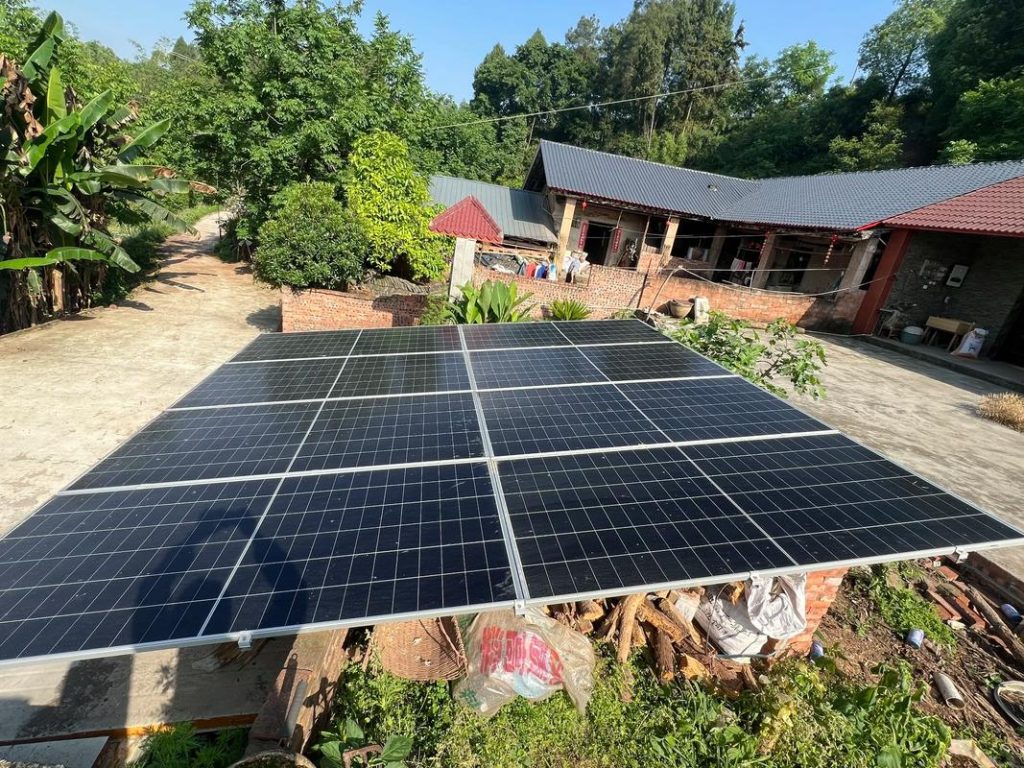
In the race to decarbonize energy, solar power is expanding into some of the planet’s harshest environments—from the scorching Sahara Desert to the icy tundras of Scandinavia and the dusty mining regions of Australia. Yet standard solar panels, designed for temperate climates, often struggle in extreme conditions: sand abrasion erodes surfaces, heavy snow crushes frames, and dust accumulation slashes energy output by 30% or more. Weather-resistant solar panels with anti-sand/snow/dust design are the solution. At [Your Company Name], we engineer panels that not only survive but thrive in these challenging environments, combining rugged materials, innovative coatings, and rigorous testing to deliver reliable power where it’s needed most. This guide explores the science behind our extreme-climate panels, their real-world applications, and why they are the go-to choice for projects in harsh conditions.
The Extreme Climate Challenge: Why Standard Solar Panels Underperform
Extreme environments pose three primary threats to solar panel performance and longevity:
-
Sand & Dust: In arid regions (e.g., Middle East, Sahara), airborne sand particles abrade glass surfaces, scratch anti-reflective coatings, and accumulate on panels, blocking sunlight. Dust storms can reduce energy output by 50% within days if not cleaned.
-
Snow & Ice: In cold climates (e.g., Norway, Canada), heavy snow loads (up to 5,400 Pa) can crack frames or dislodge panels. Ice formation creates hotspots, damaging cells and reducing efficiency.
-
Temperature Extremes: Desert heat (50°C+) increases panel temperature, lowering efficiency by 0.4-0.5% per °C above 25°C. Arctic cold (-40°C) makes materials brittle, risking cracking.
Traditional panels lack the durability to withstand these stresses, leading to frequent maintenance, shortened lifespans, and unreliable energy supply—critical drawbacks for remote projects like telecom towers, off-grid villages, or mining operations.
Engineering Weather Resistance: Materials, Coatings, and Design Innovations
Our weather-resistant panels are built from the ground up to combat extreme conditions. Here’s how we integrate anti-sand, anti-snow, and anti-dust features:
1. Reinforced Structural Design
-
Frame: 6063-T5 anodized aluminum alloy with 50μm coating (vs. standard 40μm), resistant to salt spray (1,000-hour ASTM B117 test) and sand abrasion. Reinforced corner brackets distribute snow loads evenly.
-
Glass: 4mm ultra-clear tempered glass (vs. standard 3.2mm) with anti-reflective (AR) coating (transmittance ≥94%) and hydrophobic layer to repel water/dust.
-
Mounting: Adjustable tilt racks (10°-60°) optimized for snow shedding (steep angles) or sand cleaning (low angles), with stainless steel bolts to resist rust.
2. Anti-Abrasion & Anti-Adhesion Coatings
-
Sand/Dust Resistance: Fluoropolymer-based nano-coating on glass surfaces reduces particle adhesion by 70%, allowing wind to blow away dust naturally (self-cleaning effect). Tested in the UAE’s “Haboob” storms (visibility <50m).
-
Snow/Ice Resistance: Hydrophobic coating on frames and glass prevents ice bonding; rounded edges minimize snow accumulation.
3. Dust-Proof Encapsulation
-
Sealing: IP68-rated junction boxes with silicone gaskets prevent sand ingress. Laser-welded frames eliminate gaps where dust can enter.
-
Cell Protection: Double-glass design (glass-glass encapsulation) replaces traditional backsheets, shielding cells from sand abrasion and moisture.
4. Extreme Temperature Tolerance
-
Cells: Monocrystalline PERC cells with low-temperature coefficient (-0.35%/°C vs. industry average -0.45%/°C), maintaining efficiency in heat.
-
Backsheet: White TPT (Tedlar-PET-Tedlar) with high reflectivity (≥80%) to dissipate heat in deserts; black backsheet for snow regions to absorb minimal heat.
Rigorous Testing: Validating Performance in Harsh Conditions
Every panel undergoes 30+ tests to meet extreme-climate standards:
| Test Type | Standard | Conditions Simulated | Result |
|---|---|---|---|
| Mechanical Load | IEC 61215 | 7,200 Pa snow / 5,400 Pa wind (2x safety margin) | No frame deformation or glass breakage |
| Sand Abrasion | ASTM D968 | 1kg silica sand @ 45° angle, 10L/min flow | <5% AR coating degradation after 1,000 cycles |
| Dust Accumulation | IEC 61701 | 10g/m² dust deposition + 85°C bake cycle | <3% efficiency drop (vs. 30% for standard panels) |
| Thermal Cycling | IEC 61215 | -40°C to 85°C, 200 cycles | No delamination or cell cracks |
| Hail Impact | IEC 61215 | 35mm ice balls @ 25m/s (hurricane force) | No glass penetration |
Certifications: IEC 61215, IEC 61701 (dust), IEC 61730 (safety), CE, TÜV Rheinland (desert/snow), UL 1703 (cold climates).
Applications: Powering Extreme Environments Worldwide
Our panels are deployed in regions where standard panels fail. Below are key use cases:
1. Desert Regions: Combating Sand and Heat
-
Challenge: Sandstorms, high temps (45-50°C), and UV radiation degrade panels quickly.
-
Solution: 400W-600W monocrystalline panels with fluoropolymer coatings and double-glass encapsulation.
-
Case Study: A 50MW solar farm in Abu Dhabi uses our panels with 7° tilt racks (optimized for sand cleaning). After 3 years, energy yield remains 98% of initial output (vs. 82% for standard panels), with zero sand-related failures.
2. Snowy Climates: Shedding Heavy Loads
-
Challenge: Snow loads up to 5,400 Pa (equivalent to 1.7m of wet snow) and ice buildup.
-
Solution: 350W-500W panels with steep tilt racks (45°-60°) and hydrophobic coatings.
-
Case Study: A ski resort in Norway installed 10kW of our panels on a 50° slope. During the 2023 winter (record snowfall), panels shed snow automatically, maintaining 90% energy output vs. 40% for flat-mounted standard panels.
3. Dusty Industrial Zones: Minimizing Cleaning
-
Challenge: Mining sites, cement plants, and deserts with constant dust deposition.
-
Solution: Self-cleaning coatings + low-tilt racks (15°-20°) for wind-driven dust removal.
-
Case Study: A copper mine in Chile reduced panel cleaning frequency from monthly to quarterly using our panels, saving $12,000/year in labor/water costs.
4. Coastal Areas: Resisting Salt and Humidity
-
Challenge: Salt spray corrosion (common in coastal deserts like Saudi Arabia).
-
Solution: 50μm anodized aluminum frames + salt mist-resistant seals.
-
Case Study: A desalination plant in Jeddah reported zero corrosion after 5 years of operation with our panels.
Weather-Resistant vs. Standard Panels: A Data-Driven Comparison
For projects in extreme climates, the choice is clear. Here’s how our 500W panel outperforms standard models:
| Metric | Weather-Resistant Panel (Anti-Sand/Snow/Dust) | Standard Panel | Advantage for Extreme Climates |
|---|---|---|---|
| Dust-Induced Loss | <3% | 25-30% | 27% more energy retained |
| Snow Load Capacity | 7,200 Pa | 5,400 Pa | Withstands 33% heavier snow |
| Sand Abrasion | <5% AR coating loss after 1,000 cycles | 30-40% loss after 500 cycles | 6x longer coating lifespan |
| Temperature Coefficient | -0.35%/°C | -0.45%/°C | 22% less efficiency loss in heat |
| Maintenance Frequency | Quarterly (self-cleaning) | Monthly (manual cleaning) | 75% fewer site visits |
Choosing the Right Panel for Your Extreme Climate
Follow these steps to select the ideal panel:
Step 1: Identify Dominant Stressors
-
Desert: Prioritize sand/dust resistance (fluoropolymer coatings, double glass).
-
Snowfield: Focus on high snow load (reinforced frames, steep tilt racks).
-
Coastal Desert: Combine salt spray resistance (anodized frames) with sand protection.


No reply content