Guangzhou Forklift Manufacturing Factory
Forklifts are essential equipment for warehouses, factories, logistics centers, construction sites, and distribution facilities. For decades, diesel forklifts have been widely used because of their strong power and durability. However, as businesses focus more on operating efficiency, environmental protection, and cost reduction, electric forklifts have become an increasingly popular alternative.
Modern electric forklifts provide excellent performance, lower operating costs, quieter operation, and cleaner working environments. For many indoor and industrial applications, they offer significant advantages compared with traditional diesel-powered forklifts.
This article explains the key differences between electric forklifts and diesel forklifts and helps businesses understand which solution is more suitable for their operations.
Electric Forklift vs Diesel Forklift: Basic Differences
The main difference between electric and diesel forklifts is the power source.
Electric Forklift
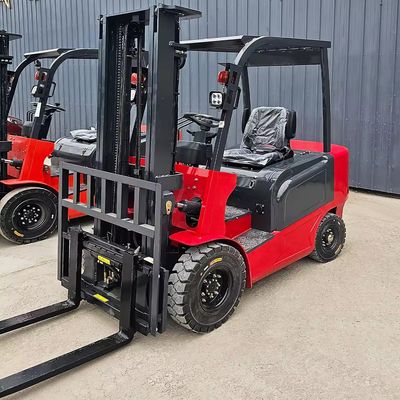
Electric forklifts use batteries to power an electric motor.
Common battery types include:
-
Lithium-ion batteries
-
Lead-acid batteries
They are commonly used in:
-
Warehouses
-
Distribution centers
-
Manufacturing plants
-
Food storage facilities
-
Indoor logistics operations
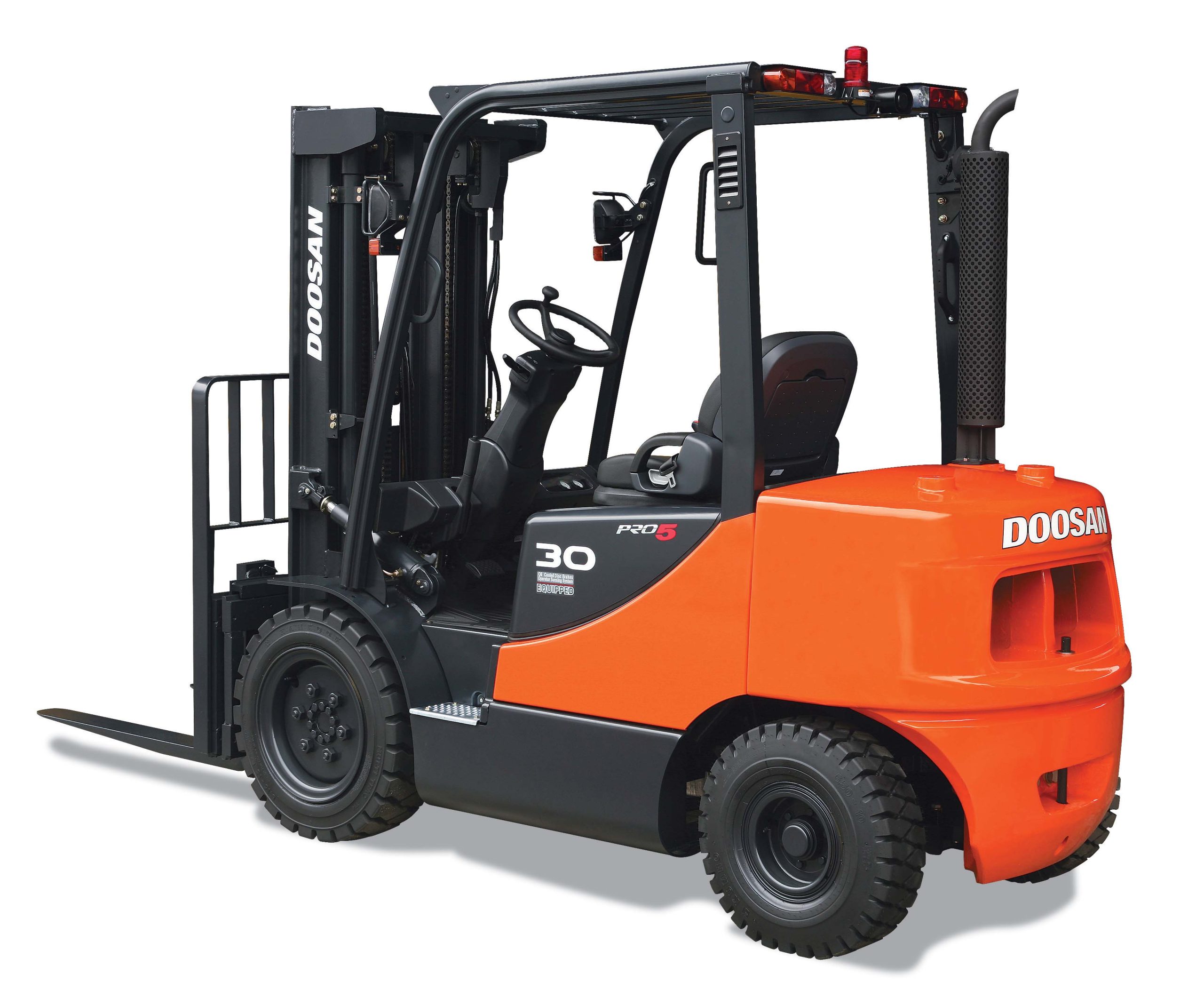
Diesel Forklift
Diesel forklifts use internal combustion engines powered by diesel fuel.
They are commonly used in:
-
Outdoor operations
-
Construction sites
-
Ports
-
Heavy industrial applications
Diesel forklifts are known for strong power and long operating times in demanding environments.
1. Lower Operating Costs
One of the biggest advantages of electric forklifts is lower operating costs.
Energy Costs
Electricity is generally more cost-effective than diesel fuel.
Electric forklifts can reduce:
-
Fuel expenses
-
Energy waste
-
Daily operating costs
For businesses operating multiple forklifts, energy savings can become significant over time.
Maintenance Costs
Electric forklifts have fewer mechanical components compared with diesel forklifts.
They do not require:
-
Engine oil changes
-
Fuel filter replacement
-
Engine maintenance
-
Exhaust system repairs
This results in:
-
Less downtime
-
Lower repair costs
-
Easier maintenance management
2. Zero Exhaust Emissions
Environmental requirements are becoming increasingly important for global businesses.
Electric forklifts produce:
-
No exhaust emissions during operation
-
No diesel fumes
-
Reduced workplace pollution
This makes them ideal for:
-
Food warehouses
-
Pharmaceutical facilities
-
Electronics factories
-
Indoor storage areas
Cleaner air improves workplace safety and employee comfort.
3. Quieter Operation
Noise control is another important advantage of electric forklifts.
Electric forklifts operate with significantly lower noise levels because they do not have combustion engines.
Benefits include:
-
Better working environments
-
Less noise pollution
-
Improved communication between workers
-
Suitable for indoor operations
This is especially valuable in warehouses where employees work close to operating equipment.
4. Better Indoor Performance
Electric forklifts are designed for indoor environments.
Advantages include:
-
No ventilation problems caused by exhaust gases
-
Smooth acceleration
-
Precise control
-
Compact design options
They are commonly used in:
-
Supermarket warehouses
-
Manufacturing facilities
-
Cold storage
-
Distribution centers
5. Improved Operator Comfort
Modern electric forklifts focus on operator experience.
Features may include:
-
Low vibration
-
Comfortable seating
-
Ergonomic controls
-
Better visibility
-
Reduced noise exposure
A more comfortable operator can work more efficiently and safely during long shifts.
6. Advanced Battery Technology
Battery technology has improved significantly in recent years.
Lithium Battery Advantages
Lithium-ion electric forklifts provide:
-
Faster charging
-
Longer battery lifespan
-
No regular maintenance
-
Higher energy efficiency
-
Opportunity charging capability
They are suitable for businesses requiring continuous operation.
Traditional Lead-Acid Batteries
Lead-acid batteries remain popular because they offer:
-
Lower initial investment
-
Reliable performance
-
Mature technology
They are suitable for standard warehouse applications.
7. Better Energy Efficiency
Electric forklifts convert a higher percentage of energy into usable power compared with combustion engines.
Advantages include:
-
Efficient energy usage
-
Reduced energy waste
-
Lower operating expenses
For businesses focused on improving warehouse efficiency, electric forklifts provide a strong solution.
8. Easier Maintenance Management
Maintenance planning is important for warehouse productivity.
Electric forklifts simplify maintenance because they require fewer service procedures.
Typical maintenance includes:
-
Battery inspection
-
Tire checks
-
Brake system inspection
-
Hydraulic system maintenance
Reduced maintenance requirements help businesses minimize equipment downtime.
9. Better Choice for Sustainable Businesses
Many companies now have sustainability goals.
Electric forklifts help businesses:
-
Reduce carbon emissions
-
Improve environmental performance
-
Support green supply chains
-
Meet environmental regulations
For companies seeking environmentally responsible operations, electric forklifts are an effective investment.
Are Diesel Forklifts Still Useful?
Although electric forklifts have many advantages, diesel forklifts still have applications where they perform well.
Diesel forklifts may be preferred for:
-
Heavy outdoor operations
-
Uneven terrain
-
Extreme working conditions
-
Long continuous operation without charging


No reply content