
China Guangzhou custom curtains OEM
China
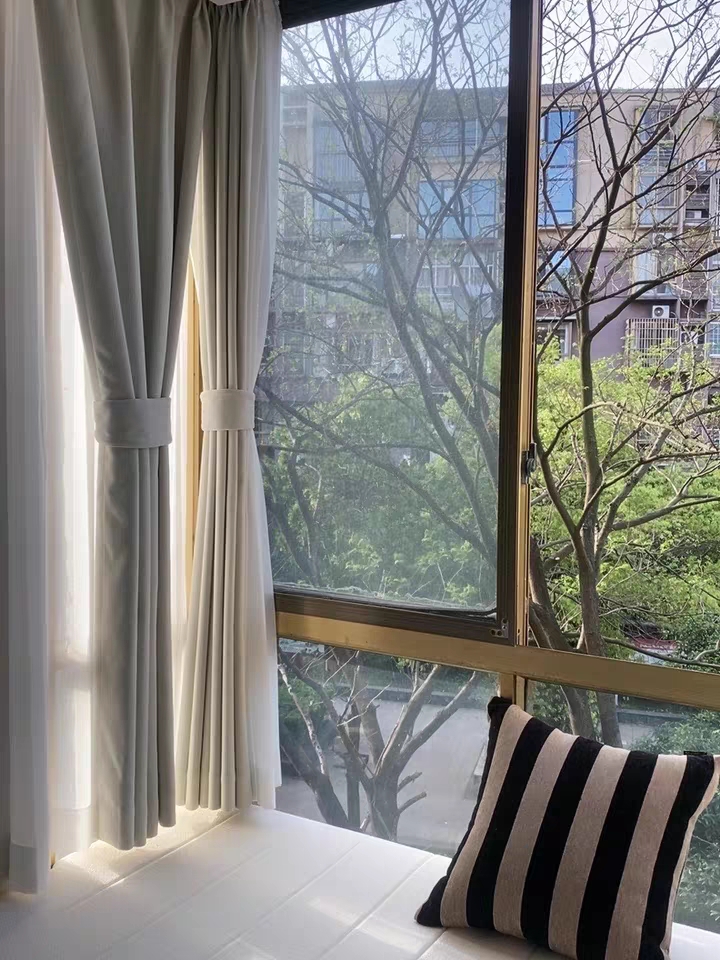
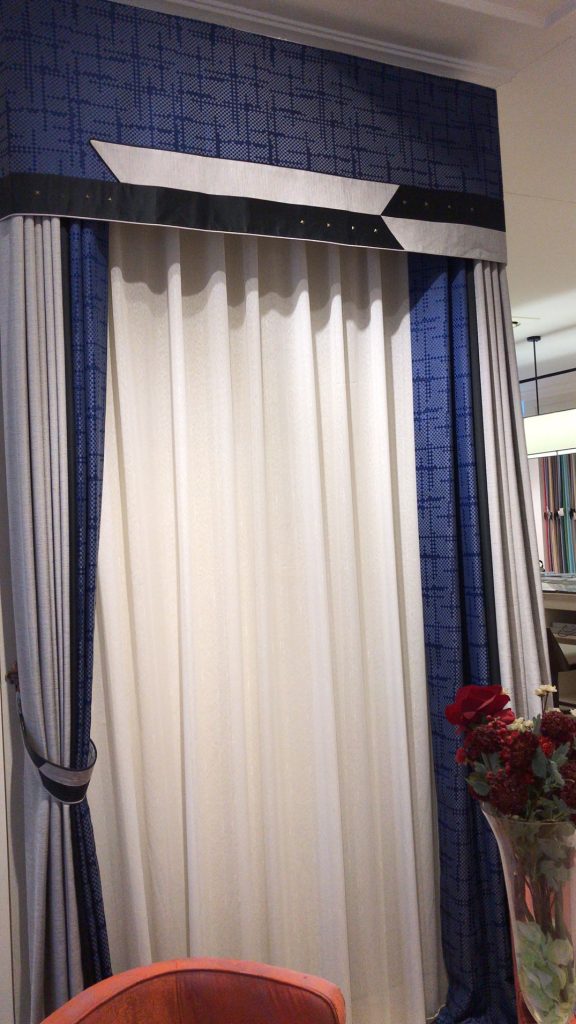
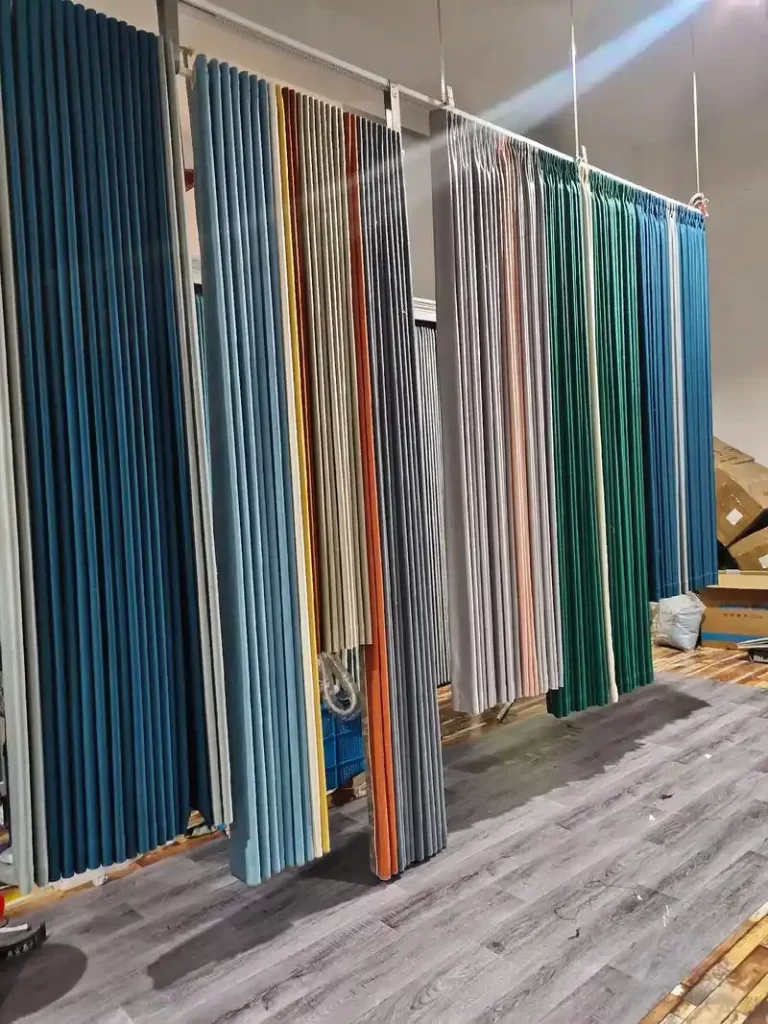
Choosing the right curtain fabric is one of the most important decisions for homeowners, interior designers, wholesalers, retailers, hotels, and importers. The fabric determines not only the appearance of the curtains but also their durability, light control, insulation, and maintenance requirements.
This comprehensive buyer’s guide explains the most popular curtain fabrics, their advantages, disadvantages, and how to select the best option for different applications.
Why Curtain Fabric Matters
Curtains are more than decorative window coverings. The right fabric can improve comfort, privacy, and energy efficiency.
High-quality curtain fabrics provide:
-
Better light control
-
Enhanced privacy
-
Improved thermal insulation
-
Noise reduction
-
Long-lasting durability
-
Attractive appearance
-
Easy maintenance
Selecting the correct fabric ensures customer satisfaction and reduces product returns.
Polyester Curtains
Polyester is the most widely used curtain fabric in the global market.
Advantages
-
Affordable price
-
Durable and wrinkle-resistant
-
Easy to clean
-
Excellent color retention
-
Resistant to shrinking
-
Suitable for high-volume production
Best Applications
-
Homes
-
Apartments
-
Hotels
-
Offices
-
Retail stores
Polyester is an excellent choice for buyers seeking a balance between quality and cost.
Linen Curtains
Linen offers a natural and elegant appearance.
Advantages
-
Premium texture
-
Breathable material
-
Eco-friendly
-
Soft natural look
-
Timeless design
Considerations
-
Higher cost
-
Wrinkles easily
-
Requires more maintenance
Linen curtains are popular in luxury homes, villas, and boutique hotels.
Cotton Curtains
Cotton remains one of the most popular natural curtain fabrics.
Advantages
-
Soft texture
-
Good breathability
-
Comfortable appearance
-
Easy to dye and print
-
Suitable for many interior styles
Best Uses
-
Bedrooms
-
Living rooms
-
Children’s rooms
Cotton offers a classic and versatile solution for residential spaces.
Velvet Curtains
Velvet creates a luxurious and elegant atmosphere.
Advantages
-
Rich appearance
-
Excellent insulation
-
Superior sound absorption
-
Effective light blocking
-
Premium feel
Velvet curtains are commonly used in:
-
Luxury hotels
-
Theaters
-
Conference rooms
-
High-end residences
Although more expensive, velvet provides outstanding visual appeal.
Sheer Curtains
Sheer fabrics allow natural light while maintaining privacy.
Advantages
-
Bright and airy appearance
-
Softens sunlight
-
Decorative layering
-
Lightweight
-
Modern style
Sheer curtains are often paired with blackout curtains for greater flexibility.
Blackout Curtain Fabrics
Blackout curtains are designed to block sunlight and improve sleeping conditions.
Benefits include:
-
Up to 90–100% light blocking
-
Better privacy
-
Improved thermal insulation
-
Reduced outside noise
-
Energy savings
They are ideal for:
-
Bedrooms
-
Hotels
-
Home theaters
-
Hospitals
Blackout fabrics are among the most popular choices in international markets.
Jacquard Curtains
Jacquard fabrics feature woven patterns rather than printed designs.
Advantages
-
Elegant appearance
-
High durability
-
Rich texture
-
Premium decorative effect
Jacquard curtains are commonly used in luxury residential and commercial projects.
Fabric Comparison
Fabric |
Durability |
Maintenance |
Light Control |
Cost |
|---|---|---|---|---|
Polyester |
Excellent |
Easy |
Good |
Low |
Linen |
Good |
Moderate |
Moderate |
High |
Cotton |
Good |
Easy |
Moderate |
Medium |
Velvet |
Excellent |
Moderate |
Excellent |
High |
Sheer |
Moderate |
Easy |
Low |
Medium |
Blackout |
Excellent |
Easy |
Excellent |
Medium |
Jacquard |
Excellent |
Moderate |
Good |
High |
How to Choose the Right Curtain Fabric
Consider the following factors before purchasing:
Room Type
Different rooms require different curtain fabrics.
For example:
-
Bedrooms: Blackout or velvet
-
Living rooms: Linen or cotton
-
Offices: Polyester
-
Hotels: Polyester or blackout
-
Luxury interiors: Velvet or jacquard
Climate
Climate also affects fabric selection.
Warm regions benefit from breathable fabrics such as linen and cotton, while colder climates often require thicker materials for better insulation.
Maintenance
If easy care is important, polyester is usually the best option because it is wrinkle-resistant, durable, and machine washable.
Budget
Choose fabrics that match your project budget without sacrificing quality.
Polyester offers excellent value, while velvet and jacquard provide premium aesthetics for luxury markets.
OEM and Custom Curtain Options
Professional curtain manufacturers usually provide:
-
Custom fabric selection
-
Custom colors
-
Printed patterns
-
Embroidered designs
-
Blackout lining
-
Fire-retardant fabrics
-
Waterproof coatings
-
Private label packaging
OEM services allow brands to create unique products for different markets.
Questions to Ask Your Manufacturer
Before placing an order, ask:
-
What fabric compositions do you offer?
-
Can you provide fabric samples?
-
Are your fabrics OEKO-TEX certified?
-
What blackout levels are available?
-
Can you customize colors and patterns?
-
What is the fabric weight (GSM)?
-
Do you offer fire-retardant or waterproof options?


No reply content