Guangzhou Forklift Manufacturing Factory
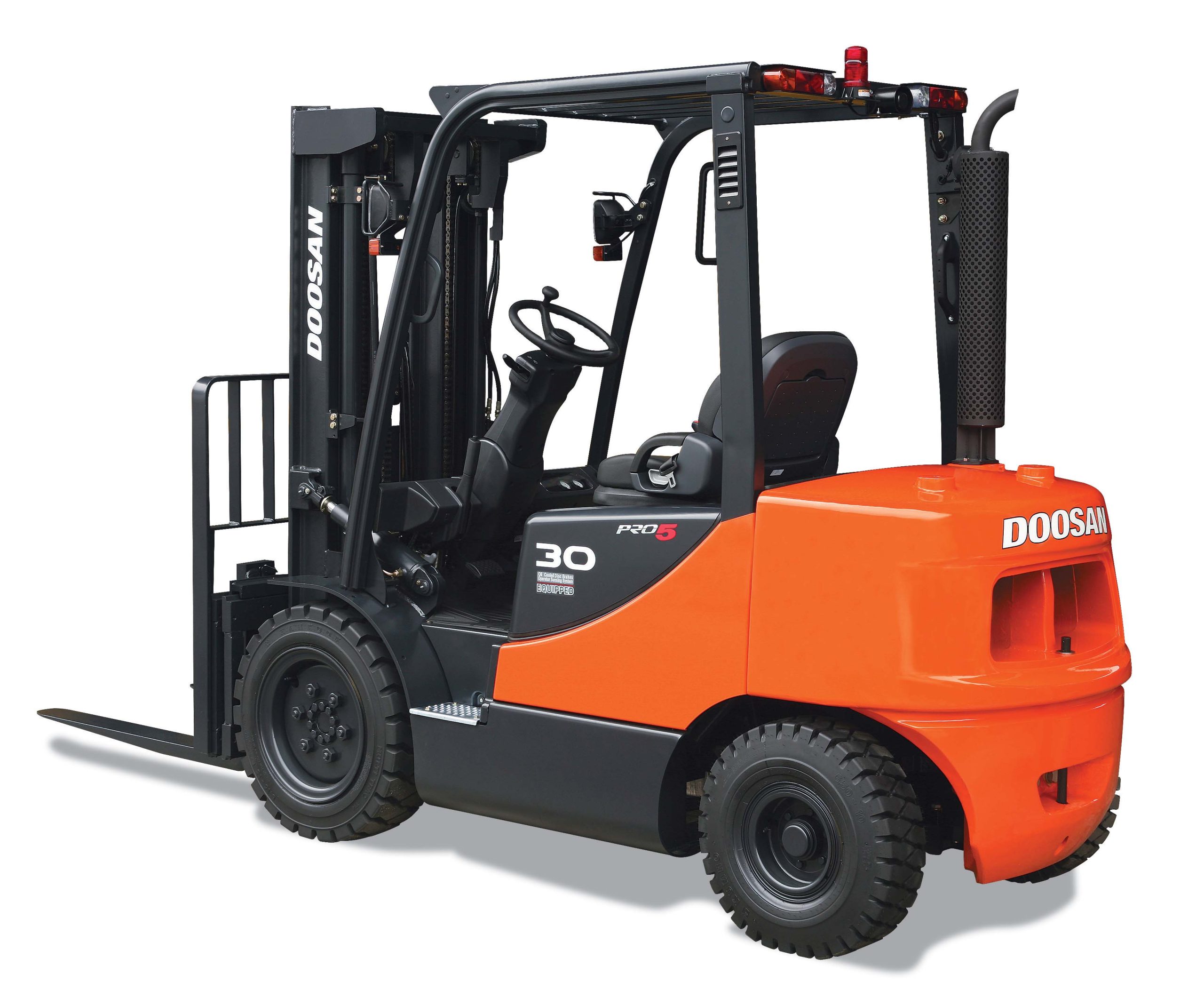
Forklifts are indispensable in modern logistics, manufacturing, and warehousing, serving as the backbone of material handling across industries. The global market for forklifts is supported by a diverse network of factories, each offering unique strengths in production scale, technological innovation, and regional specialization. For businesses seeking to source forklifts, understanding the landscape of available factories—their capabilities, geographic distribution, and selection criteria—is critical to securing reliable, cost-effective, and compliant equipment. This article explores the global ecosystem of forklift factories, key considerations for selecting a partner, and emerging trends shaping the industry.
Global Distribution of Forklift Factories
Forklift manufacturing is concentrated in regions with strong industrial infrastructure, supply chain networks, and access to raw materials. While no single region dominates entirely, three key areas stand out for their distinct advantages:
1. East Asia: The Hub of Mass Production and Cost Efficiency
East Asia, particularly China, is the world’s largest producer of forklifts, accounting for over 50% of global output. Factories here leverage economies of scale, advanced automation, and a mature supply chain to manufacture a wide range of forklifts—from small electric pallet jacks to heavy-duty internal combustion (IC) models. These facilities often specialize in high-volume production, making them ideal for businesses requiring standardized equipment at competitive prices. Many East Asian factories also offer customization options, such as modified lift capacities, battery types, or attachment integrations, to meet regional or client-specific needs.
2. Europe: Precision Engineering and Regulatory Leadership
European factories are renowned for their focus on precision engineering, sustainability, and adherence to strict EU regulations (e.g., CE marking, emissions standards). These facilities often prioritize electric and hybrid forklifts, aligning with Europe’s push toward carbon neutrality. German, Swedish, and Italian factories, in particular, excel in producing high-performance models for demanding applications like cold storage, narrow-aisle warehouses, and hazardous environments. European manufacturers also emphasize ergonomic design and energy efficiency, catering to industries where operator comfort and operational cost savings are paramount.
3. North America: Innovation in Automation and Application-Specific Solutions
North American factories, primarily in the United States and Canada, focus on innovation in automation and smart material handling. Many facilities integrate advanced technologies like telematics, IoT sensors, and autonomous navigation systems into their forklifts, supporting the rise of Industry 4.0. These factories often collaborate with local industries—such as automotive, e-commerce, and agriculture—to develop application-specific solutions, including rough-terrain forklifts, multi-directional movers, and explosion-proof models for chemical plants.
Key Criteria for Selecting a Forklift Factory
Choosing the right factory involves evaluating multiple factors beyond price. A reliable partner should align with a business’s operational needs, regulatory requirements, and long-term goals. Below are critical considerations:
1. Certifications and Compliance
Factories must adhere to international quality and safety standards. Look for certifications such as:
-
ISO 9001: Ensures robust quality management systems.
-
CE Marking: Mandatory for sale in the EU, confirming compliance with health, safety, and environmental regulations.
-
EPA/DOT Standards: Relevant for IC forklifts sold in North America, regulating emissions and safety.
-
ISO 14001: Indicates commitment to environmental management (e.g., waste reduction, energy efficiency).
2. Production Capacity and Flexibility
Assess the factory’s ability to meet volume demands. Large-scale facilities can handle bulk orders (e.g., 100+ units) efficiently, while smaller factories may offer greater flexibility for custom or low-volume requests. Inquire about lead times, production line adaptability, and capacity to scale up during peak demand (e.g., holiday seasons for retail logistics).
3. Technological Capabilities
Modern forklifts require advanced technology for performance and safety. Evaluate the factory’s expertise in:
-
Electric Powertrains: Battery technology (lithium-ion vs. lead-acid), charging infrastructure, and energy recovery systems.
-
Automation: Integration of autonomous features, remote monitoring, and fleet management software.
-
Safety Systems: Anti-tip mechanisms, collision avoidance sensors, and ergonomic controls.
4. Quality Control Processes
Rigorous quality control (QC) ensures consistency and reliability. Reputable factories conduct in-process inspections (e.g., welding integrity, hydraulic testing) and final product audits. Third-party certifications (e.g., from SGS or Intertek) or client testimonials can validate QC standards.
5. After-Sales Support
Post-purchase support is critical for minimizing downtime. A good factory provides:
-
Warranty Coverage: Clear terms for parts and labor (typically 12–24 months).
-
Spare Parts Availability: Local or regional warehouses to reduce wait times.
-
Technical Training: On-site or virtual sessions for operators and maintenance teams.
6. Sustainability Practices
With growing emphasis on ESG (environmental, social, governance) criteria, prioritize factories that:
-
Use recycled materials in manufacturing.
-
Minimize waste through lean production.
-
Offer energy-efficient models (e.g., electric forklifts with regenerative braking).
Sourcing Strategies for Identifying Factories
Businesses can leverage multiple channels to find suitable forklift factories:
1. B2B Marketplaces
Platforms like Alibaba, Made-in-China, and Global Sources host profiles of verified manufacturers. Filter results by location, product type (electric/IC/warehouse), and certifications. Look for suppliers with high ratings, detailed product descriptions, and responsive customer service.
2. Industry Trade Fairs
Events such as the Hannover Messe (Germany), Bauma (China), and Modex (United States) showcase the latest forklift models and connect buyers with factory representatives. These fairs offer opportunities to inspect prototypes, discuss customization, and negotiate terms.
3. Industry Associations
Organizations like the International Forklift Truck Association (IFTA) and regional bodies (e.g., the European Material Handling Federation) publish directories of accredited factories. Membership in such associations often signals adherence to industry best practices.
4. Factory Audits and Site Visits
For high-stakes purchases, visiting the factory allows direct assessment of production lines, QC protocols, and worker conditions. Audits can reveal hidden strengths (e.g., in-house R&D teams) or red flags (e.g., outdated equipment).
Emerging Trends in Forklift Manufacturing
The factory landscape is evolving to meet shifting market demands:
-
Electrification: Factories are ramping up production of lithium-ion-powered forklifts, which offer longer runtimes and faster charging than traditional lead-acid batteries.
-
Autonomy: More factories are integrating AI and machine learning to develop self-driving forklifts for 24/7 warehouse operations.
-
Modular Design: Some facilities now produce modular forklifts, allowing easy upgrades (e.g., swapping attachments or battery packs) to extend equipment lifespan.
-
Circular Economy: Factories are adopting remanufacturing programs, refurbishing used forklifts to reduce waste and lower costs for buyers.
Conclusion
Forklift factories worldwide offer a spectrum of capabilities, from mass-produced affordability to bespoke, high-tech solutions. Selecting the right partner requires balancing factors like compliance, technology, and support to ensure alignment with business objectives. By leveraging diverse sourcing channels, conducting thorough due diligence, and staying attuned to industry trends, businesses can secure forklifts that enhance efficiency, safety, and sustainability. As the material handling sector continues to innovate, factories that prioritize adaptability and customer-centricity will remain at the forefront of global supply chains.


No reply content