
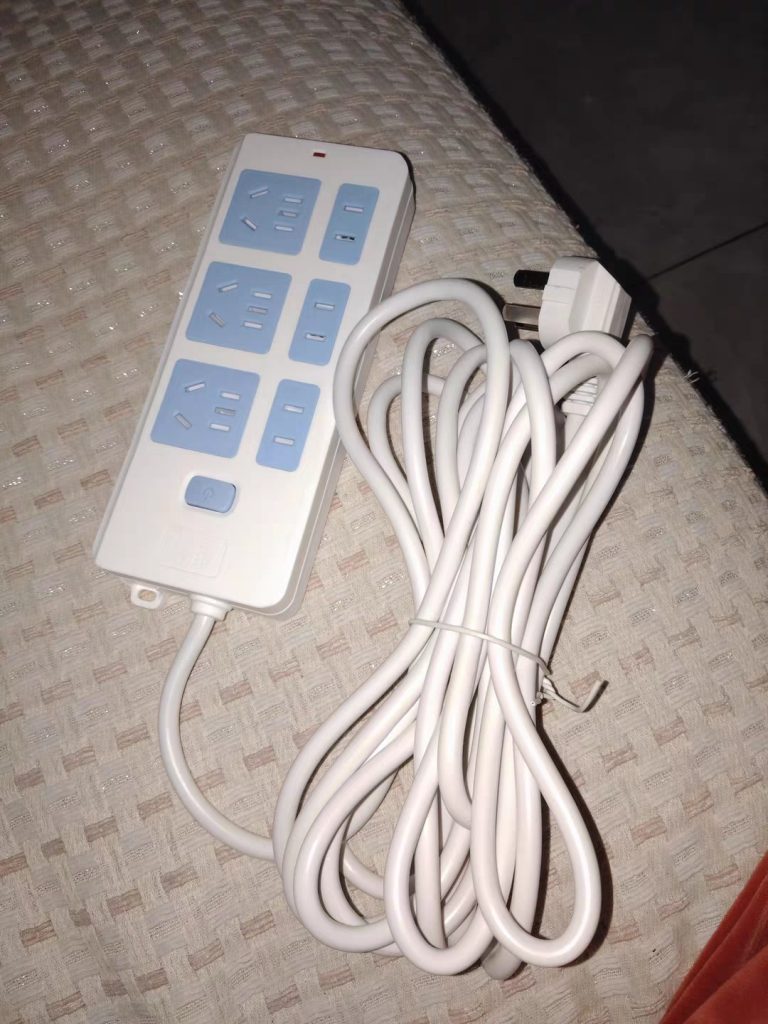
When purchasing electrical sockets from a manufacturer, checking product certifications is one of the most important steps for importers, distributors, wholesalers, electrical contractors, and private-label brands.
Electrical sockets are safety-related products. A socket that does not meet the applicable requirements of the destination market may create problems during customs clearance, product registration, distribution, or retail sales. More importantly, inadequate electrical safety can create risks such as overheating, electric shock, short circuits, or fire.
However, certification requirements are not identical in every country. The correct certification or conformity assessment depends on the destination market, socket type, voltage, current rating, design, intended use, and applicable regulations.
This guide explains which certifications and technical standards buyers should check before purchasing electrical sockets and how to verify supplier documentation.
1. Why Are Electrical Socket Certifications Important?
Certifications and conformity documents provide evidence that a product has been assessed against specific technical or safety requirements.
For buyers, appropriate certification can help with:
- Product compliance
- Market access
- Import procedures
- Distributor requirements
- Retailer requirements
- Customer confidence
- Electrical safety
- Product liability management
However, buyers should understand that a logo printed on a product is not automatically proof of compliance.
The certificate should correspond to the actual manufacturer, product model, applicable standard, and intended market.
2. Identify Your Target Market First
Before asking a manufacturer for certificates, determine where the electrical sockets will be sold.
Different markets can have different electrical systems and regulatory requirements.
For example, requirements may differ between:
- European Union markets
- United Kingdom
- United States
- Canada
- Australia
- New Zealand
- Middle Eastern markets
- Asian markets
- African markets
- Latin American markets
The same socket design may therefore require different testing or documentation depending on where it will be marketed.
The first question for a manufacturer should not simply be:
“Do you have CE?”
Instead, provide the manufacturer with:
- Destination country
- Product type
- Rated voltage
- Rated current
- Frequency
- Intended application
- Required socket configuration
- Expected order quantity
The manufacturer can then identify which existing certifications and test reports may apply.
3. CE Marking for Relevant European Products
For electrical products sold in the European Union, CE marking may be relevant when the product falls within applicable EU legislation.
For electrical sockets, the exact legal requirements depend on the product and its characteristics.
CE marking is not simply a quality certificate issued by a single universal certification organization. It is a manufacturer’s declaration that the product complies with the applicable EU requirements after the required conformity assessment has been completed.
Buyers should therefore request the relevant technical documentation rather than relying only on a CE logo.
Depending on the product, documentation may include:
- EU Declaration of Conformity
- Applicable standards
- Test reports
- Technical specifications
- Manufacturer information
- Product identification
The buyer should verify that the documents correspond to the exact product being purchased.
4. UKCA Requirements for Great Britain
If you plan to sell electrical sockets in Great Britain, UK product requirements should be considered separately from EU requirements.
UKCA is the UK conformity marking used for products subject to applicable UK legislation.
However, the precise requirements and transition arrangements can change, so importers should verify the current rules applicable to their products before placing an order.
Ask the manufacturer for documentation relevant to the specific socket model rather than assuming that an EU document automatically covers every UK requirement.
5. IEC Standards
IEC standards are important references in the international electrical industry.
The International Electrotechnical Commission develops international standards covering many electrical and electronic products.
For electrical sockets, relevant IEC standards may address areas such as:
- Electrical safety
- Construction
- Dimensions
- Mechanical strength
- Electrical performance
- Temperature rise
- Insulation
- Protection against electric shock
- Endurance
The exact standard depends on the product design and socket type.
Therefore, buyers should ask:
“Which IEC or other applicable standard was this product tested against?”
This question is more useful than simply asking whether the product is “IEC certified.”
6. EN Standards in European Markets
EN standards are European Standards developed through the European standardization system.
Electrical socket products may need to meet relevant EN standards depending on their design and intended market.
A manufacturer should be able to identify the standards used for testing its particular product.
When reviewing a test report, check:
- Standard number
- Edition or publication date
- Product model
- Manufacturer
- Test laboratory
- Test results
- Scope of testing
Do not assume that a certificate for one socket model automatically applies to every model produced by the same factory.
7. BS Standards for UK-Style Sockets
If you are buying sockets designed for the UK market, relevant British Standards may be particularly important.
For example, certain domestic electrical accessories are associated with BS 1363 requirements.
A buyer should confirm that the exact socket configuration is designed and tested according to the standard applicable to the intended product.
This is especially important for:
- UK wall sockets
- Switched sockets
- Fused socket outlets
- USB-integrated sockets
- Extension socket products
Do not purchase a UK-style socket simply because it has a UK-looking design. The electrical and safety requirements need to be verified.
8. UL Certification for the United States
For electrical products intended for the United States, UL certification may be relevant depending on the product and application.
UL is a well-known safety testing and certification organization.
However, buyers should distinguish between:
- UL Listed
- UL Recognized
- UL certified products
- Products merely using a claim of “UL material”
These terms are not interchangeable.
If a supplier claims that a socket is UL certified, ask for the relevant certification information and verify that the certification applies to the exact product and intended application.
9. ETL Certification
ETL is another certification mark recognized in North America.
Electrical products may be tested and certified through Intertek’s ETL program when applicable.
For buyers selling products in North America, it can be useful to confirm:
- Certification number
- Product model
- Manufacturer
- Applicable standard
- Certification scope
Again, the important issue is whether the certification applies to the actual product being purchased.
10. Other National Requirements
Some countries have their own national certification systems or mandatory conformity requirements.
Depending on the destination market, buyers may need to investigate requirements involving organizations or schemes such as:
- CSA
- SAA
- RCM
- SASO
- G-Mark
- CCC
- Other national conformity systems
The applicable requirements depend on the specific country and product.
For this reason, an experienced electrical socket manufacturer should ask about the destination market before recommending certification documents.
11. Check the Rated Voltage and Current
Certification is only one part of product compliance.
Buyers must also verify the electrical specifications.
Important parameters include:
- Rated voltage
- Rated current
- Frequency
- Number of poles
- Socket configuration
- Grounding arrangement
- Protection rating
- Operating temperature
For example, a socket designed for one electrical system may not be suitable for another simply because its physical plug shape appears similar.
Always confirm electrical specifications before purchasing.
12. Check the Test Report
A test report can provide much more information than a certification logo.
When reviewing a test report, check:
Product Information
The product model and description should match the socket you intend to purchase.
Manufacturer Information
The company named in the report should correspond to the actual manufacturer or the entity responsible for the product.
Applicable Standard
The report should identify the standard used for testing.
Test Results
Review whether the product passed the applicable tests.
Laboratory Information
Check the testing laboratory and its relevant qualifications.
Date and Version
Make sure the report is not obsolete for your intended market or product version.
13. Check Whether the Certificate Covers Your Exact Model
This is one of the most common mistakes made by inexperienced buyers.
A supplier may send you a certificate showing a product that looks similar to your requested socket.
But similar appearance does not necessarily mean identical certification coverage.
Check:
- Model number
- Product family
- Rated current
- Rated voltage
- Configuration
- Product construction
- Manufacturer
- Certification scope
If the manufacturer changes the product design significantly, the original certification may not necessarily remain applicable.
14. Beware of Fake or Misleading Certificates
International buyers should be careful when suppliers provide documents that appear official.
Warning signs include:
- Missing certificate number
- Poor-quality document
- Incorrect company information
- Different product model
- Expired documentation
- Unclear testing laboratory
- Certificate belonging to another manufacturer
- Certification logo without supporting documentation
- Test report that does not describe the purchased product
If something does not match, ask the supplier to explain it before placing the order.
For important projects, buyers can independently verify certification information through the relevant certification organization’s official database or documentation.
15. Certification Is Not the Same as Product Quality
A certification or test report does not eliminate the need for supplier quality control.
A manufacturer can produce compliant samples but later use different materials or components during mass production.
Therefore, buyers should also establish:
- Approved product specifications
- Approved sample
- Material requirements
- Component requirements
- Packaging specifications
- Inspection standards
- Production inspection procedures
- Final inspection procedures
For large orders, independent pre-shipment inspection may also be considered.
16. What Should You Ask an Electrical Socket Manufacturer?
Before ordering, ask the manufacturer the following questions:
- Which countries have you exported this socket to?
- What voltage and current is the product rated for?
- Which standards does the product meet?
- Which certifications are available?
- Can you provide the Declaration of Conformity where applicable?
- Can you provide complete test reports?
- Does the certificate cover the exact model?
- Who performed the testing?
- Has the product design changed since testing?
- Can you provide samples for evaluation?
- Can you provide technical specifications?
- Can you support private-label packaging?
- Can you maintain the same specifications during mass production?
These questions can help buyers evaluate both product compliance and manufacturer reliability.
17. Certification Checklist for Importers
Before purchasing electrical sockets, use this checklist:
| Item | What to Verify |
|---|---|
| Destination Market | Country where the product will be sold |
| Voltage | Correct rated voltage |
| Current | Correct rated current |
| Frequency | Suitable frequency |
| Product Model | Exact model being purchased |
| Standard | Applicable technical standard |
| Certificate | Relevant certification or conformity documentation |
| Test Report | Product-specific test report where applicable |
| Manufacturer | Correct manufacturer information |
| Laboratory | Appropriate testing/certification organization |
| Product Design | Matches certified/tested configuration |
| Labeling | Required product markings |
| Packaging | Required market information |
| Documentation | Manuals and compliance documents |
Conclusion
Checking certifications is an essential part of sourcing electrical sockets, but buyers should look beyond certification logos.
The correct approach is to identify the destination market first, determine the applicable regulations and standards, and then verify that the manufacturer’s certificates and test reports correspond to the exact product model.
For international buyers, important considerations may include CE requirements for applicable EU products, UK requirements for Great Britain, IEC and EN standards, BS standards for relevant UK products, and UL or ETL certification for applicable North American products.
Most importantly, certification should be combined with proper supplier evaluation, sample testing, quality control, and production inspection.
A reliable electrical socket manufacturer should be able to provide clear technical specifications and appropriate compliance documentation and explain exactly which requirements apply to the products you intend to purchase.


No reply content