China Professional Hair Clipper Manufacturing Co., Ltd.
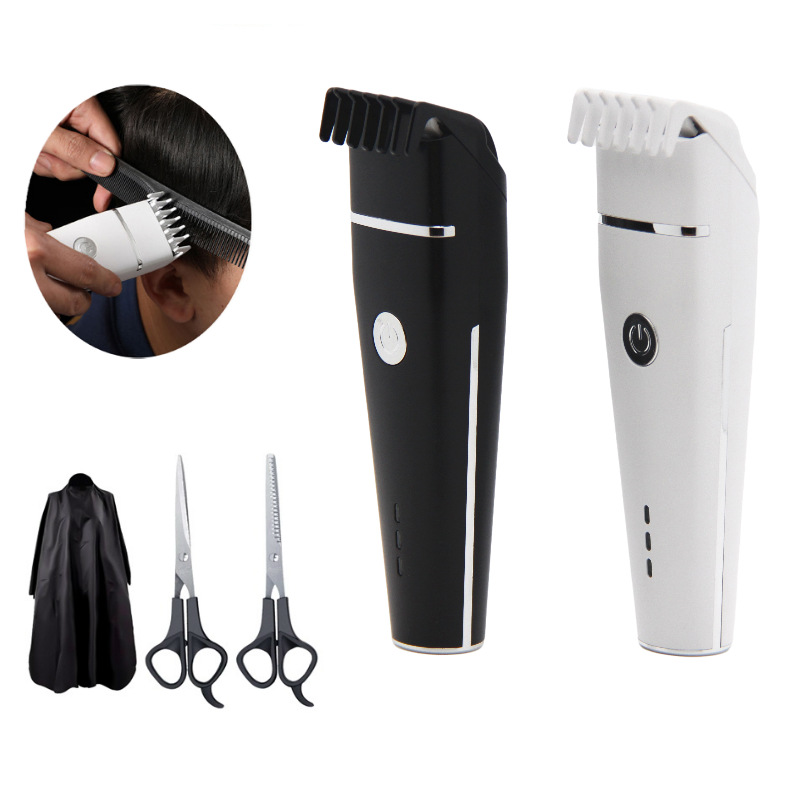
For distributors, wholesalers, barber-equipment brands, and online retailers, private-label hair clippers can be an effective way to build a differentiated product line.
However, OEM customization is not limited to printing a logo on an existing clipper. Depending on the manufacturer’s capabilities and order quantity, buyers may be able to customize the product’s appearance, blades, battery configuration, accessories, packaging, manuals, and other details.
Understanding which options are practical before starting an OEM project can help buyers control costs, reduce development time, and avoid unnecessary modifications.
This guide explains the main customization options available from hair clipper OEM manufacturers and what buyers should consider before placing an order.
1. What Is Hair Clipper OEM?
OEM generally means that a manufacturer produces a product according to a customer’s specifications and sells it under the customer’s brand.
Depending on the project, OEM services can range from simple branding to deeper product customization.
A typical project may involve:
Existing Model → Custom Logo → Custom Color → Custom Packaging → Custom Accessories
A more advanced project may involve:
Product Concept → Industrial Design → Engineering → Prototype → Testing → Mass Production
The appropriate level depends on your budget, order quantity, target market, and product requirements.
2. Logo Customization
Logo printing is one of the simplest OEM options.
Manufacturers may offer different methods depending on the housing material and product design.
Possible methods include:
-
Laser engraving
-
Screen printing
-
Pad printing
-
Transfer printing
-
Other suitable marking methods
The buyer normally provides the logo artwork in a suitable digital format.
Before mass production, request a sample showing the actual logo position, size, and appearance.
This is important because a logo can look different on a computer screen compared with the finished product.
3. Housing Color Customization
Color is another common customization option.
A manufacturer may offer:
-
Standard colors
-
Custom colors
-
Multiple color combinations
-
Metallic finishes
-
Matte finishes
-
Gloss finishes
For an established brand, a custom color can help create visual consistency across the product line.
However, custom colors may require additional MOQ because the factory may need to purchase or prepare specific materials.
Always ask for the MOQ and additional cost before approving a custom color.
4. Custom Product Housing
More advanced OEM projects can involve changes to the clipper housing.
Possible changes include:
-
Shape
-
Grip
-
Button layout
-
Decorative elements
-
Logo position
-
Surface texture
-
Display position
Housing customization can create a more distinctive product.
However, it is more expensive than simply adding a logo.
Depending on the design, it may require:
-
3D drawings
-
Engineering development
-
Mold modification
-
New tooling
-
Prototype production
-
Functional testing
Therefore, buyers should determine whether the expected sales volume justifies the development cost.
5. Blade Customization
The blade system can also be customized.
Possible options include:
-
Blade material
-
Blade shape
-
Blade width
-
Blade configuration
-
Adjustable blade design
-
Blade coating
-
Blade finish
The appropriate blade should be selected according to the intended application.
For example, a professional barber product may require different cutting characteristics from a basic consumer clipper.
Before approving a customized blade, test it on representative hair types and cutting applications.
6. Battery Customization
Battery configuration can be an important part of an OEM project.
Possible specifications include:
-
Battery capacity
-
Battery voltage
-
Battery type
-
Battery configuration
-
Battery indicator
-
Charging method
However, battery customization should be handled carefully.
Changing the battery can affect:
-
Runtime
-
Weight
-
Charging time
-
Product balance
-
Heat
-
Electrical performance
The battery should therefore be compatible with the motor, control system, charger, and overall product design.
7. Charging Customization
OEM manufacturers may also offer different charging solutions.
Possible options include:
-
USB charging
-
USB-C charging
-
Charging stand
-
Charging base
-
Direct cable charging
-
Other market-specific configurations
The charging solution should be selected based on the target market and intended customer.
For international sales, charger and electrical requirements should be confirmed for the destination market.
8. Battery Display Customization
Some professional hair clippers use LED indicators or digital displays.
Depending on the model, buyers may be able to customize:
-
Display style
-
Battery percentage
-
Remaining power indicator
-
Charging indicator
-
Product status indicators
A more advanced display can improve the user experience but may also increase product complexity and cost.
For a budget product, a simple LED indicator may be sufficient.
For a premium professional model, a digital display may provide additional value.
9. Motor Customization
Some OEM manufacturers can provide different motor configurations.
Possible options may involve:
-
Motor type
-
Motor speed
-
Motor performance
-
Noise characteristics
-
Power requirements
However, motor customization should not be treated as simply choosing the highest RPM.
The motor must be matched with:
-
Battery
-
Blade
-
Control board
-
Mechanical system
-
Heat management
A more powerful motor may increase cutting performance but can also affect battery runtime, heat, noise, and product weight.
10. Custom Accessories
Accessories can be customized to match the target market.
Common options include:
-
Guide combs
-
Cleaning brush
-
Lubricating oil
-
Blade cover
-
Charging cable
-
Charger
-
Charging stand
-
Storage case
For example, a professional barber package could include several guide comb sizes and a charging stand.
A basic retail package might include only essential accessories.
The accessory configuration can therefore be used to create different product packages.
11. Custom Guide Combs
Guide combs are an important accessory for many hair clippers.
OEM options may include:
-
Number of combs
-
Cutting lengths
-
Material
-
Color
-
Branding
-
Packaging
If you sell to professional barbers, make sure the guide-comb sizes match the needs of your target customers.
Incorrect or poorly fitting combs can create customer complaints even if the clipper itself performs well.
12. Custom Packaging
Packaging is one of the most popular OEM customization options.
Possible packaging includes:
-
Retail box
-
Gift box
-
Drawer box
-
Color box
-
Window box
-
Custom insert
-
Custom outer carton
Packaging can include:
-
Brand logo
-
Product photographs
-
Product specifications
-
Instructions
-
Barcode
-
Website
-
Contact information
-
Market-specific information
Before mass production, carefully proofread all packaging artwork.
A spelling mistake on thousands of boxes can be expensive to correct.
13. Custom User Manual
A private-label brand may also customize the user manual.
The manual can include:
-
Product introduction
-
Operating instructions
-
Charging instructions
-
Cleaning instructions
-
Blade maintenance
-
Safety information
-
Warranty information
-
Brand information
-
Contact information
For international products, the manual may need to be provided in multiple languages depending on the target market and applicable requirements.
The manufacturer should be informed of the destination markets before the final artwork is approved.
14. Custom Product Labels
Product labels can include information such as:
-
Brand
-
Model number
-
Electrical specifications
-
Battery information
-
Manufacturer information
-
Importer information
-
Regulatory markings where applicable
The exact labeling requirements depend on the target market and product configuration.
Do not simply copy labels from another product.
The information should correspond to the actual product being sold.
15. Custom Retail Sets
OEM manufacturers can sometimes create different product combinations.
For example:
Basic Package
-
Hair clipper
-
Charging cable
-
Guide combs
-
Cleaning brush
Professional Package
-
Hair clipper
-
Multiple guide combs
-
Charging stand
-
Cleaning accessories
-
Storage case
Premium Package
-
Hair clipper
-
Premium accessories
-
Custom case
-
Premium packaging
-
Additional replacement blade
Different packages allow the same manufacturer to support different price levels.
16. Custom Brand Colors
For a professional brand, color consistency can be important.
You may want the:
-
Clipper
-
Packaging
-
Guide combs
-
Accessories
-
User manual
to follow the same brand identity.
When requesting custom colors, provide a clear reference.
The manufacturer should confirm whether the requested color can be reproduced consistently across different materials.
17. Custom Surface Finish
In addition to color, surface finish can change the appearance and feel of a product.
Possible finishes include:
-
Matte
-
Gloss
-
Textured
-
Metallic
-
Soft-touch
The finish can influence:
-
Appearance
-
Grip
-
Scratch visibility
-
Cleaning
-
Perceived product quality
For professional products, a surface that is attractive but difficult to clean may not be ideal.
The final choice should consider actual barber-shop use.
18. Custom Ergonomic Design
A more advanced OEM project may involve changing the grip and overall ergonomics.
Possible changes include:
-
Handle shape
-
Grip texture
-
Weight distribution
-
Button position
-
Finger placement
Professional barbers may use a clipper for many hours, so ergonomic design can have a significant effect on user comfort.
Any major housing change should be tested by actual users before mass production.
19. Custom Blade Lever
If the product uses an adjustable blade lever, the lever can sometimes be customized.
Possible changes include:
-
Shape
-
Position
-
Material
-
Surface texture
-
Branding
The lever should remain easy to operate and should not accidentally move during normal use.
Repeated-use testing is recommended for professional products.
20. Custom Charging Stand
A charging stand can make a cordless clipper feel more premium.
OEM options may include:
-
Standard stand
-
Custom stand
-
Branded stand
-
Different surface finishes
-
Different cable arrangements
A charging stand also provides a convenient storage location for professional users.
However, it increases product cost and packaging volume, so buyers should evaluate whether the feature is valuable for their target market.
21. Custom Storage Case
Some premium hair clipper products include a storage or travel case.
Possible customization includes:
-
Case material
-
Case color
-
Logo
-
Internal compartments
-
Shape
-
Packaging
This can be useful for mobile barbers, traveling professionals, and premium retail products.
22. Custom Product Bundles
An OEM manufacturer can sometimes create a complete product bundle.
For example:
Clipper + Trimmer + Guide Combs + Charging Stand + Storage Case
This allows a brand to sell a complete barber kit rather than a single clipper.
Bundles can increase perceived product value and provide opportunities for different retail price levels.
23. Custom Software or Firmware
Some advanced products may allow limited customization of electronic behavior.
Depending on the product architecture, this may involve:
-
Battery display behavior
-
Speed control
-
Protection settings
-
Indicator behavior
However, firmware customization is more complex than cosmetic customization.
It may require engineering resources and additional testing.
Buyers should clearly define the required functions before discussing development costs.
24. Custom Product Development
If an existing model cannot meet your requirements, you can discuss developing a new product.
The process may include:
Product Concept
↓
Industrial Design
↓
Engineering Design
↓
Prototype
↓
Functional Testing
↓
Design Modification
↓
Tooling
↓
Pilot Production
↓
Mass Production
A completely new product normally requires significantly more time and investment than private labeling an existing model.
25. OEM Does Not Always Mean New Mold
This is an important distinction for new brands.
There are generally different levels of customization.
Level 1: Logo Only
Lowest development complexity.
Level 2: Logo + Color + Packaging
Good option for many new brands.
Level 3: Product + Accessories + Packaging
Greater differentiation.
Level 4: Housing Modification
Higher engineering and tooling requirements.
Level 5: Completely New Product
Highest development cost and complexity.
New brands often start with Levels 1–3 before investing in a completely new product.
26. Understand MOQ
MOQ means Minimum Order Quantity.
Different customization options can have different MOQs.
For example:
Customization |
Typical Consideration |
|---|---|
Logo |
Lower MOQ may be possible |
Color |
May require higher MOQ |
Packaging |
Often depends on printing quantity |
Custom Accessories |
May require higher MOQ |
New Housing |
Usually higher development requirements |
New Product |
Requires engineering and tooling investment |
The actual MOQ depends on the manufacturer, materials, production process, and project.
Always request a specific quotation for your desired quantity.
27. Understand Tooling Costs
If you change the housing substantially, new tooling may be required.
Potential development costs can include:
-
Mold
-
Engineering
-
Prototype
-
Testing
-
Tool modification
Ask the manufacturer:
-
Is a new mold required?
-
Can the existing mold be modified?
-
Who owns the tooling?
-
What is the tooling cost?
-
What is the development lead time?
These points should be clarified before approving the project.
28. Ask for an OEM Sample
Before mass production, request a final customized sample.
The sample should represent the final:
-
Product
-
Logo
-
Color
-
Blade
-
Battery
-
Accessories
-
Packaging
Test the sample before approving mass production.
This is particularly important when multiple components have been customized.
29. Approve Artwork Before Production
For customized packaging, carefully check:
-
Logo
-
Product name
-
Model number
-
Specifications
-
Instructions
-
Barcode
-
Contact information
-
Language
-
Regulatory information
Once thousands of boxes are printed, correcting an error can be expensive.
A written artwork approval process is recommended.
30. Check Compliance Before Customizing
Customization should not be separated from regulatory requirements.
Before finalizing the design, determine the requirements of the target market.
These may involve:
-
Electrical safety
-
Electromagnetic compatibility
-
Battery requirements
-
Charger requirements
-
Labeling
-
Packaging
-
User instructions
If you plan to sell in multiple countries, confirm the requirements for each market before final production.
31. Keep Critical Specifications Consistent
For repeat OEM orders, maintain a master specification.
Record:
-
Motor
-
Battery
-
Blade
-
Housing
-
Color
-
Accessories
-
Packaging
-
Charger
-
Product dimensions
-
Weight
The manufacturer should not substitute critical components without approval.
This helps maintain consistency between different production batches.
32. Control Quality During OEM Production
A customized product requires quality control at multiple stages.
Incoming Materials
Check:
-
Motors
-
Batteries
-
Blades
-
Electronics
-
Housing components
Production
Check:
-
Assembly
-
Blade alignment
-
Battery installation
-
Charging
-
Switch operation
Finished Products
Check:
-
Appearance
-
Function
-
Cutting performance
-
Battery performance
-
Packaging
-
Accessories
For large orders, pre-shipment inspection can help identify problems before the goods leave the factory.
33. Calculate the Real OEM Cost
The total OEM cost may include more than the unit price.
Consider:
OEM Cost = Product + Customization + Tooling + Packaging + Testing + Logistics + Import Costs
For example, a custom color may add only a small amount per unit, while a new housing could involve substantial tooling and engineering costs.
Calculate the entire project cost before deciding how deeply to customize the product.
34. Questions to Ask an OEM Hair Clipper Manufacturer
Before starting an OEM project, ask:
-
Which existing models are available for OEM?
-
What is the MOQ?
-
Can you customize the logo?
-
What logo methods are available?
-
Can the housing color be customized?
-
Can the housing design be modified?
-
Can the blade be customized?
-
Can the battery capacity be customized?
-
Can the charging system be customized?
-
Can accessories be customized?
-
Can you provide custom packaging?
-
Can you provide multilingual manuals?
-
Is a new mold required?
-
Who owns the tooling?
-
What is the sample lead time?
-
What is the mass-production lead time?
-
What quality tests are performed?
-
What certifications are available for my target market?
-
Can you provide spare parts?
-
What is the warranty policy?


No reply content