
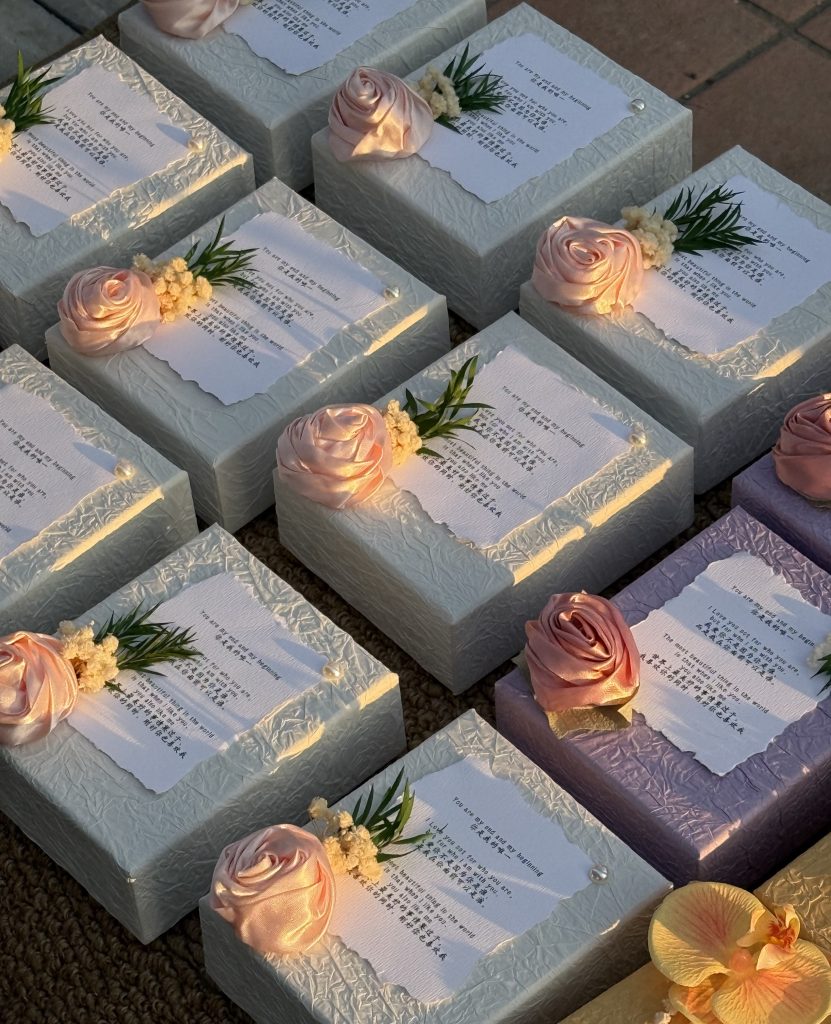
Choosing the right material for a custom gift box is one of the most important decisions in packaging design. The material affects not only the appearance of the box but also its durability, production cost, environmental impact, and customer experience. Whether you are packaging luxury cosmetics, jewelry, electronics, food, apparel, or promotional gifts, selecting the appropriate material ensures your products arrive safely while reinforcing your brand image.
This guide explains the most commonly used materials for custom gift boxes, their advantages and disadvantages, and how to select the best option for your business.
Why Material Selection Matters
The right packaging material can:
- Protect products during shipping and storage
- Enhance the perceived value of your brand
- Improve the unboxing experience
- Reduce shipping costs
- Support sustainability goals
- Increase customer satisfaction
Poor material choices may result in damaged products, higher logistics costs, or a less professional brand image.
Greyboard – The Premium Choice
Greyboard is one of the most widely used materials for rigid gift boxes. It is made from recycled paper fibers and is laminated with printed paper or specialty paper.
Advantages
- Strong and durable
- Excellent load-bearing capacity
- Premium appearance
- Ideal for luxury packaging
- Highly customizable
Common Applications
- Jewelry boxes
- Watch boxes
- Cosmetic gift boxes
- Perfume packaging
- Electronics
- Corporate gifts
Art Paper – High-Quality Printing
Art paper is commonly used as the outer wrapping material for gift boxes because of its smooth surface and excellent print quality.
Advantages
- Sharp image reproduction
- Bright colors
- Compatible with offset printing
- Suitable for foil stamping and UV coating
Best For
- Luxury branding
- Retail packaging
- Promotional gift boxes
Kraft Paper – Eco-Friendly Packaging
Kraft paper has become increasingly popular as brands focus on sustainability.
Advantages
- Recyclable
- Biodegradable
- Natural appearance
- Strong tear resistance
- Cost-effective
Applications
- Organic products
- Handmade goods
- Food packaging
- Eco-friendly brands
Corrugated Cardboard – Maximum Protection
Corrugated cardboard consists of multiple layers that provide excellent cushioning and strength.
Advantages
- High compression resistance
- Lightweight
- Excellent shipping protection
- Affordable
Suitable For
- E-commerce packaging
- Electronics
- Glass products
- Fragile items
- Large gift boxes
Specialty Paper – Luxury Appearance
Specialty papers feature unique textures, colors, and finishes that enhance the premium look of packaging.
Popular options include:
- Linen paper
- Pearl paper
- Leather-texture paper
- Metallic paper
- Soft-touch paper
These materials are widely used for luxury and limited-edition packaging.
Paperboard (Cardstock)
Paperboard is thinner than rigid board but offers good printability and flexibility.
Advantages
- Lightweight
- Easy to fold
- Lower production cost
- Excellent for retail packaging
Applications
- Cosmetic cartons
- Pharmaceutical packaging
- Electronics accessories
- Small gift boxes
Choosing the Right Material Based on Product Type
Different products require different packaging solutions:
| Product | Recommended Material |
|---|---|
| Jewelry | Greyboard + Specialty Paper |
| Cosmetics | Greyboard + Art Paper |
| Perfume | Rigid Greyboard |
| Chocolate | Food-grade Paperboard |
| Electronics | Corrugated Cardboard + Foam Insert |
| Clothing | Kraft Paper or Paperboard |
| Wine & Spirits | Thick Greyboard |
| Promotional Gifts | Paperboard or Corrugated Cardboard |
Surface Finishing Options
The appearance of a gift box depends not only on the material but also on the finishing techniques.
Popular finishes include:
- Matte lamination
- Gloss lamination
- Soft-touch coating
- Hot foil stamping
- Spot UV
- Embossing
- Debossing
- Die-cut windows
These finishes improve durability while creating a more attractive presentation.
Sustainability Considerations
Many buyers now prioritize environmentally responsible packaging.
Look for manufacturers offering:
- FSC-certified paper
- Recycled materials
- Plastic-free packaging
- Soy-based inks
- Water-based coatings
- Recyclable box designs
Sustainable packaging helps businesses meet environmental regulations and strengthens brand reputation.
Factors That Influence Material Costs
Packaging material costs depend on several factors:
- Material type
- Thickness
- Box dimensions
- Printing method
- Surface finishing
- Production quantity
- Custom inserts
- Shipping destination
Ordering larger quantities generally reduces the unit cost due to economies of scale.
Questions to Ask Your Manufacturer
Before placing an order, ask your supplier:
- Which material best suits my product?
- Can you provide material samples?
- What is the thickness of the paperboard?
- Are the materials recyclable?
- Do you offer FSC-certified options?
- Which finishing techniques do you recommend?
- What is the expected production lead time?
Clear communication helps avoid costly revisions and production delays.
Common Mistakes to Avoid
Many buyers make avoidable errors when selecting packaging materials, such as:
- Choosing the cheapest material without considering durability.
- Ignoring shipping requirements for fragile products.
- Overlooking environmental certifications.
- Using luxury materials for low-value products, increasing costs unnecessarily.
- Skipping sample approval before mass production.
Careful planning can significantly improve packaging quality and cost efficiency.
Conclusion
There is no single “best” material for every custom gift box. The ideal choice depends on your product, target market, budget, branding goals, and sustainability requirements. Greyboard is ideal for luxury packaging, kraft paper suits eco-conscious brands, corrugated cardboard provides superior protection, and art paper delivers outstanding print quality.
By working with an experienced custom gift box manufacturer, you can select materials that balance aesthetics, durability, cost, and environmental responsibility, ensuring your packaging enhances both your product and your brand.
FAQ
1. Which material is best for luxury gift boxes?
Greyboard laminated with art paper or specialty paper is the most popular choice for premium packaging.
2. Is kraft paper suitable for high-end packaging?
Yes. With quality printing and premium finishing, kraft paper can create an elegant and environmentally friendly appearance.
3. What is the most durable material for shipping?
Corrugated cardboard offers the best protection for products during transportation.
4. Can gift boxes be made from recycled materials?
Yes. Many manufacturers provide recycled paperboard and FSC-certified materials without compromising quality.
5. How do I choose the right material for my packaging?
Consider your product’s weight, fragility, branding, budget, shipping requirements, and sustainability goals, then consult an experienced custom packaging gift box manufacturer for recommendations.


No reply content