Guangzhou Forklift Manufacturing Factory
- What Is the Weight of a Forklift? A Complete Buyer’s Guide
- When choosing the right forklift for your warehouse, factory, or construction site, one of the most important—but often overlooked—factors is forklift weight. Understanding how much a forklift weighs is critical for safety, floor load limits, transportation planning, and operational efficiency.
- So, what is the weight of a forklift? The short answer is: it depends on the type, size, and lifting capacity. In this article, we’ll break it down clearly and practically.
- Average Forklift Weight by Type
- Forklifts come in many configurations, and their weights vary widely.
- 1. Electric Forklift Weight
- Electric forklifts are commonly used indoors and in warehouses.
- Average weight: 3,000–9,000 lbs (1,360–4,080 kg)
- Smaller models (3,000–4,000 lb capacity): ~3,000–5,000 lbs
- Larger electric forklifts (6,000–8,000 lb capacity): ~7,000–9,000 lbs
- Electric forklifts are often heavier than they look because of their large battery packs, which act as a counterweight.
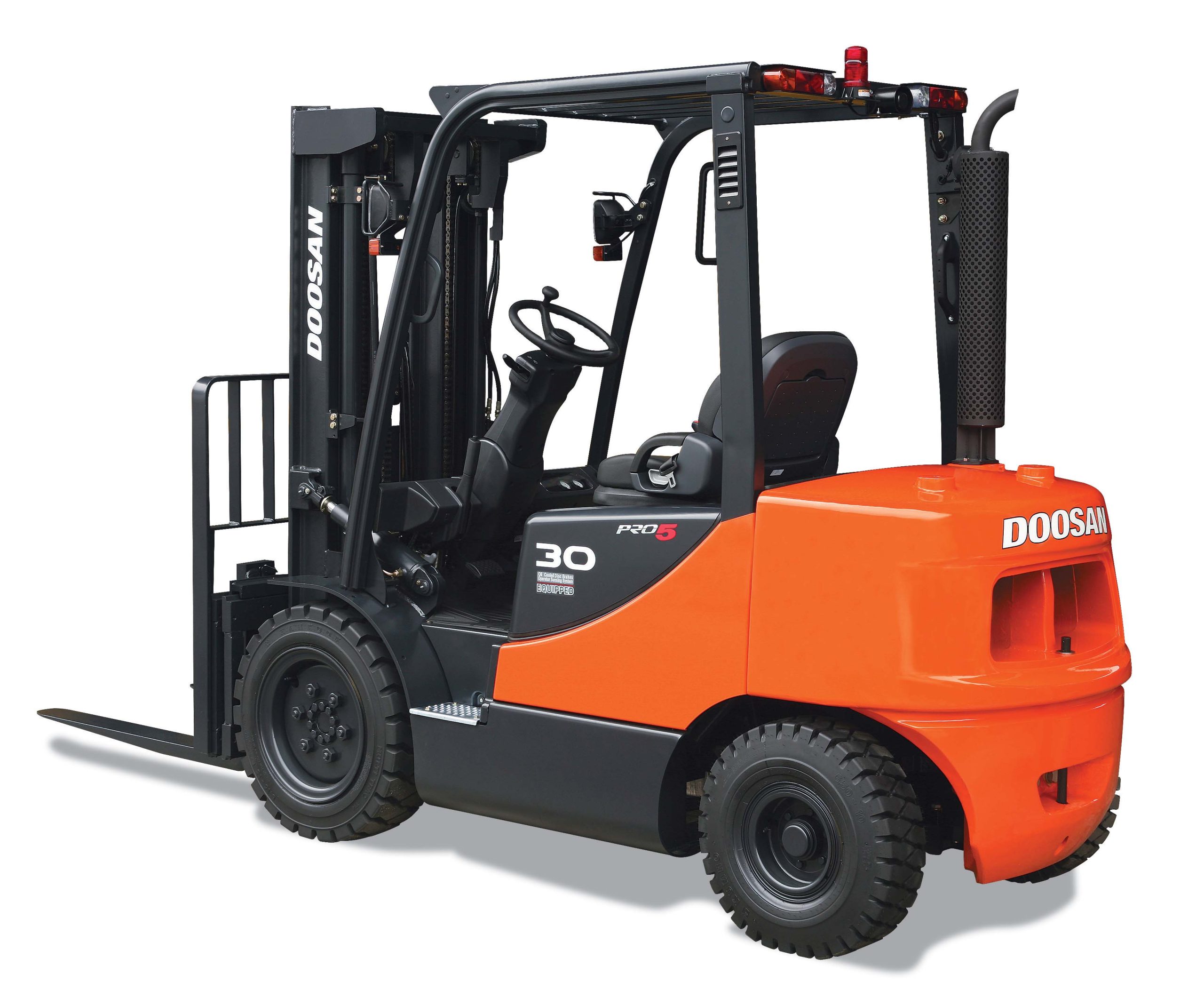
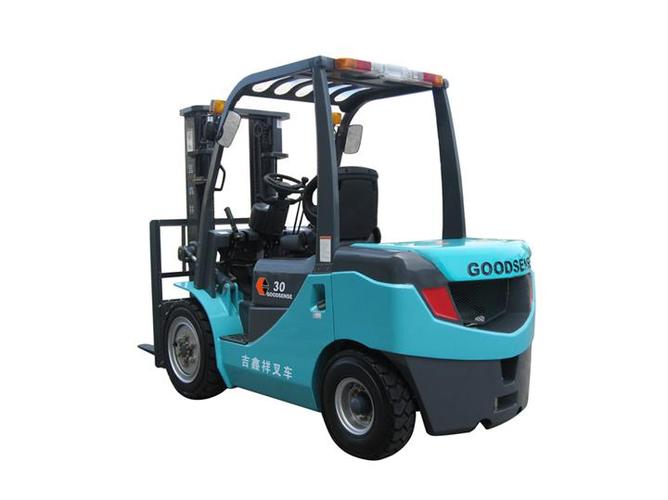
- 2. Internal Combustion (IC) Forklift Weight
- These forklifts run on diesel, LPG, or gasoline and are widely used outdoors.
- Average weight: 5,000–15,000 lbs (2,270–6,800 kg)
- 5,000 lb capacity models: ~8,000–9,000 lbs
- 10,000 lb capacity models: ~13,000–15,000 lbs
- IC forklifts are built with heavier frames to handle rough terrain and heavy-duty applications.
- 3. Rough Terrain Forklift Weight
- Designed for construction sites and uneven surfaces.
- Average weight: 12,000–25,000 lbs (5,440–11,340 kg)
- Large telescopic rough terrain models can exceed 30,000 lbs
- These forklifts prioritize stability and durability over compact size.
- 4. Reach Truck and Narrow Aisle Forklift Weight
- Used in high-density warehouses with narrow aisles.
- Average weight: 4,000–7,000 lbs (1,800–3,200 kg)
- Although compact, their reinforced masts and stabilizing systems add significant weight.
- 5. Heavy-Duty Forklift Weight
- Used in ports, steel mills, and heavy manufacturing.
- Average weight: 30,000–100,000+ lbs (13,600–45,000+ kg)
- Lifting capacity can exceed 50 tons
- These forklifts are in a category of their own and require specialized infrastructure.
- What Affects Forklift Weight?
- Several factors influence how much a forklift weighs:
- • Lifting Capacity
- Higher load capacity requires a heavier counterweight and stronger frame.
- • Power Type
- Electric forklifts are heavier due to batteries, while IC forklifts carry engines and fuel systems.
- • Mast Type
- Standard mast: lighter
- Triple-stage or high-lift mast: heavier
- • Attachments
- Fork positioners, side shifters, clamps, or paper roll attachments can add hundreds or even thousands of pounds.
- Why Forklift Weight Matters
- Understanding forklift weight is essential for more than just specs.
- 1. Floor Load Capacity
- Warehouse floors have maximum load limits. A forklift that’s too heavy can damage concrete or create safety hazards.
- 2. Transportation and Shipping
- Moving a forklift requires knowing its exact weight to select the right trailer and comply with transport regulations.
- 3. Safety and Stability
- A properly weighted forklift ensures:
- Better stability when lifting
- Reduced tip-over risk
- Safer operation on slopes or ramps
- 4. Operational Efficiency
- Using a forklift that is heavier than necessary can:
- Increase energy or fuel consumption
- Reduce maneuverability
- Increase tire and floor wear
- How to Find the Exact Weight of a Forklift
- To get precise information, check:
- The data plate on the forklift
- The technical specification sheet
- Manufacturer documentation
- Always consider operating weight, which includes the forklift, battery or fuel, and standard attachments.
- Final Thoughts
- So, what is the weight of a forklift?
- Small electric forklifts: around 3,000 lbs
- Standard warehouse forklifts: 7,000–10,000 lbs
- Heavy-duty forklifts: 30,000 lbs or more
- There is no one-size-fits-all answer. The right forklift weight depends on your application, environment, and load requirements. Choosing the correct weight ensures safety, compliance, and long-term efficiency.
- If you’re selecting a forklift for your business, weight should always be evaluated alongside lifting capacity—not after.


No reply content