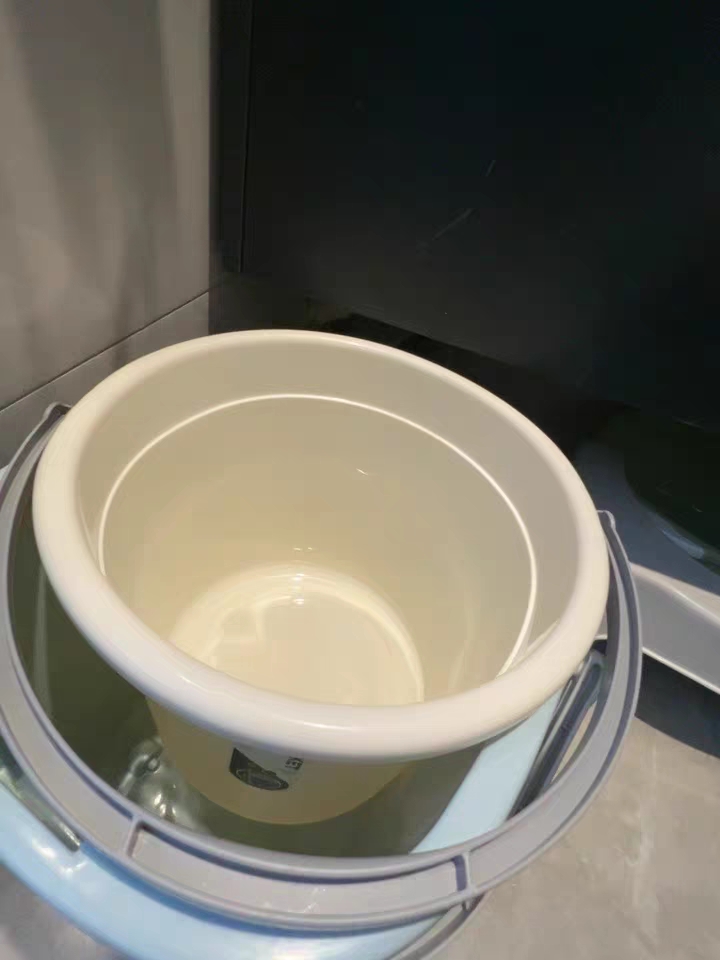
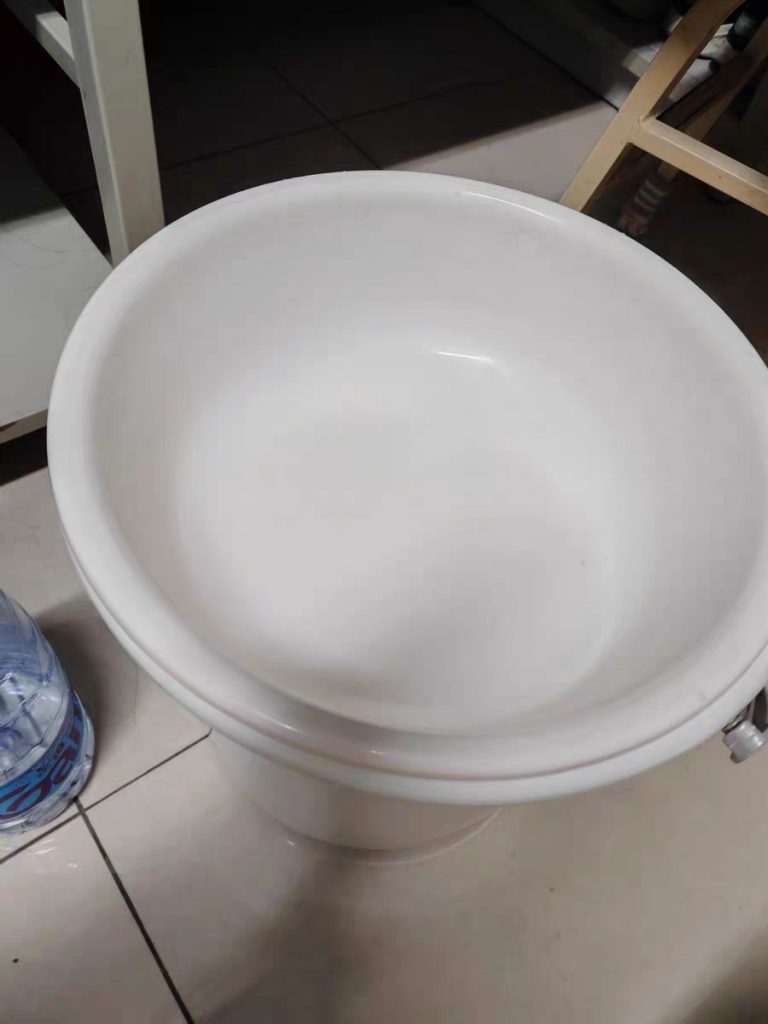
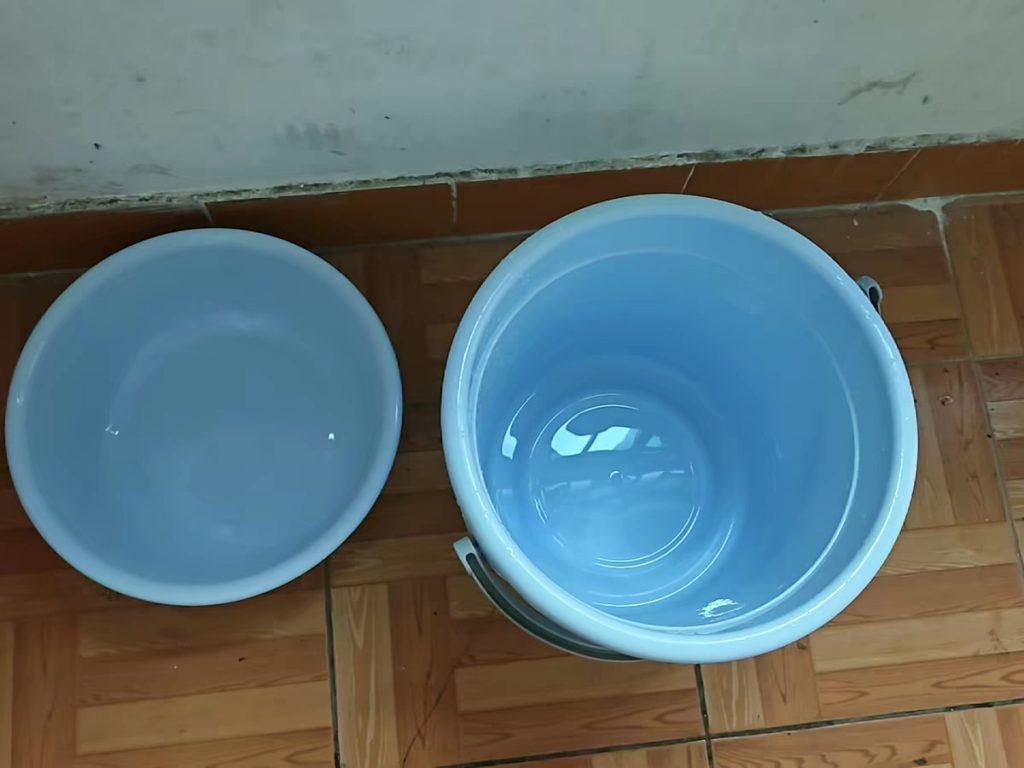
Choosing the right material for household water buckets is one of the most important decisions for importers, wholesalers, retailers, and private label brands. The material directly affects durability, safety, weight, appearance, and cost. Understanding the advantages and disadvantages of different plastics helps buyers select the best product for their target market.
This guide explains the most common materials used for household water buckets and how to choose the right one for your business.
Why Material Selection Matters
A household water bucket is used every day for carrying water, cleaning, storing liquids, and various household tasks. The wrong material may crack, fade, or become brittle after long-term use.
A high-quality material provides:
- Longer product life
- Better impact resistance
- Stronger load capacity
- Improved appearance
- Better customer satisfaction
- Lower return rates
For manufacturers and buyers, choosing the right plastic improves both product performance and brand reputation.
Polypropylene (PP)
Polypropylene is one of the most popular materials for household water buckets.
Advantages
- Lightweight
- Strong and durable
- Good chemical resistance
- Affordable cost
- Easy to recycle
- Excellent color stability
- Suitable for daily household use
Applications
PP buckets are commonly used for:
- Household cleaning
- Water storage
- Laundry
- Kitchen use
- Bathroom use
For most buyers, PP offers the best balance between quality and price.
High-Density Polyethylene (HDPE)
HDPE is another widely used material in bucket manufacturing.
Advantages
- Excellent impact resistance
- High toughness
- Resistant to cracking
- Suitable for cold environments
- Long service life
- Moisture resistant
Applications
HDPE buckets are suitable for:
- Heavy-duty household use
- Outdoor applications
- Industrial cleaning
- Water transportation
HDPE is ideal for customers looking for maximum durability.
Food-Grade Plastic
If the bucket is intended to store drinking water or food products, food-grade materials are recommended.
Features include:
- Non-toxic
- Odor-free
- BPA-free (when specified)
- Safe for food contact
- Easy to clean
- Complies with food safety standards
Food-grade buckets are widely used for:
- Drinking water
- Food ingredients
- Agricultural products
- Beverage storage
Always confirm food-contact certifications with your supplier.
Recycled Plastic
Some manufacturers offer buckets made with recycled plastic.
Advantages
- Lower production cost
- Environmentally friendly
- Reduced plastic waste
Considerations
Recycled materials may have:
- Lower impact strength
- Color variation
- Reduced durability
Recycled plastic is suitable for non-food applications where cost is the primary concern.
Virgin Plastic vs. Recycled Plastic
| Feature | Virgin Plastic | Recycled Plastic |
|---|---|---|
| Strength | Excellent | Moderate |
| Appearance | Smooth and consistent | May vary |
| Durability | High | Medium |
| Food Contact | Suitable (if certified) | Usually not recommended |
| Price | Higher | Lower |
Many premium brands prefer virgin plastic because it offers better consistency and longer product life.
UV Resistance
If buckets will be used outdoors, UV-resistant materials are recommended.
Benefits include:
- Less fading
- Better weather resistance
- Longer outdoor lifespan
- Reduced brittleness
UV additives are especially important for markets with strong sunlight.
Handle Material
The bucket body is important, but the handle also affects performance.
Common handle options include:
- Plastic handle
- Metal handle
- Stainless steel handle
- Reinforced plastic grip
Heavy-duty buckets often use galvanized or stainless steel handles for greater strength.
How to Choose the Right Material
Before placing an order, consider:
- Intended use
- Target customers
- Indoor or outdoor use
- Food-contact requirements
- Budget
- Product lifespan
- Shipping costs
For general household use, PP is usually the best option. For demanding environments, HDPE provides superior durability.
Questions to Ask Your Manufacturer
Before purchasing, ask:
- Is the material virgin or recycled?
- Is it food-grade?
- Does it meet international standards?
- Can you provide SGS or FDA test reports?
- Is UV-resistant material available?
- Can you customize colors?
- What is the bucket’s load capacity?
These questions help ensure you receive products that meet your quality expectations.
Tips for Importers
When sourcing household water buckets from China:
- Request material specifications.
- Test product samples before mass production.
- Verify certifications.
- Compare multiple manufacturers.
- Confirm packaging options.
- Discuss OEM and private label services.
Working with an experienced manufacturer reduces quality risks and improves long-term cooperation.
Conclusion
The best material for a household water bucket depends on its intended application. Polypropylene (PP) is the preferred choice for most household products because of its balance of strength, weight, and affordability. High-Density Polyethylene (HDPE) offers greater durability for heavy-duty use, while food-grade plastics are essential for drinking water and food storage.
By understanding material properties and working with a reliable manufacturer, buyers can select high-quality household water buckets that meet customer expectations and perform well in global markets.
Frequently Asked Questions
Which material is best for household water buckets?
PP is the most popular choice for everyday household use due to its durability, lightweight design, and cost-effectiveness. HDPE is better suited for heavy-duty applications.
Are food-grade plastic buckets safe for drinking water?
Yes. Food-grade PP or HDPE buckets that comply with relevant food-contact standards are safe for storing drinking water.
Can household water buckets be customized?
Yes. Most manufacturers offer OEM services, including custom colors, logos, sizes, lids, handles, and packaging.
What is the difference between virgin and recycled plastic?
Virgin plastic provides better strength, appearance, and durability, while recycled plastic is more economical and environmentally friendly but may have lower performance.
How can I ensure product quality before ordering?
Request samples, verify material specifications, review certifications, and consider third-party inspections before placing a bulk order.



No reply content