
China Umbrella Customization Factory
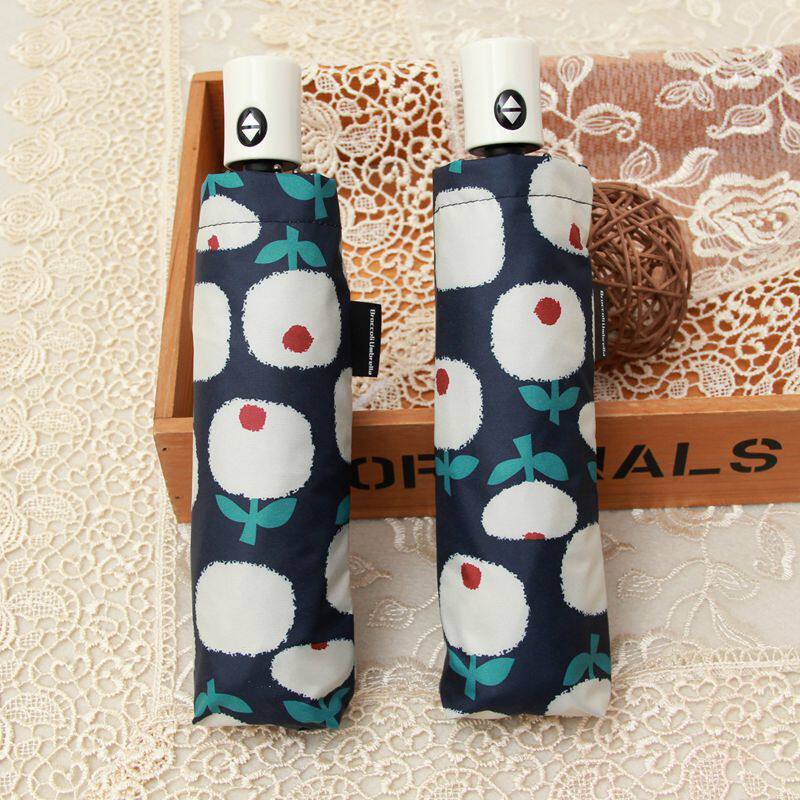
The materials used in an umbrella have a direct impact on its durability, weight, appearance, water resistance, wind performance, comfort, and manufacturing cost.
For importers, wholesalers, retailers, promotional product companies, and private-label brands, understanding umbrella materials is important when comparing manufacturers and product quotations.
An umbrella may look simple from the outside, but it contains multiple components that must work together. The canopy, ribs, shaft, handle, runner, stretchers, tips, opening mechanism, and stitching all contribute to the final product.
This guide explains the main materials used to manufacture umbrellas and how buyers can select appropriate specifications for different markets.
1. Main Materials Used in Umbrella Manufacturing
A typical umbrella can contain:
-
Canopy fabric
-
Ribs
-
Stretchers
-
Shaft
-
Runner
-
Handle
-
Tips
-
Ferrule
-
Opening mechanism
-
Springs
-
Fasteners
-
Thread
-
Printing materials
-
Packaging materials
The exact material combination depends on the umbrella type and target price.
A compact folding umbrella, a golf umbrella, and a premium wind-resistant umbrella may use very different components.
2. Umbrella Canopy Fabric
The canopy is the most visible part of an umbrella.
Common canopy fabrics include:
-
Polyester
-
Pongee
-
Nylon
-
Recycled polyester
-
Other synthetic fabrics
The fabric affects:
-
Water repellency
-
Weight
-
Appearance
-
Color
-
Print quality
-
Durability
-
UV performance
When comparing suppliers, ask for the actual fabric specification rather than simply accepting “polyester umbrella.”
Different polyester fabrics can have different weights, weaving quality, finishing treatments, and performance.
3. Polyester Fabric
Polyester is one of the most commonly used materials for umbrellas.
It is popular because it can provide a useful balance of:
-
Cost
-
Durability
-
Weight
-
Color options
-
Printability
-
Water-repellent finishing
Polyester can be used for:
-
Folding umbrellas
-
Straight umbrellas
-
Golf umbrellas
-
Promotional umbrellas
-
Children’s umbrellas
-
Custom umbrellas
The final performance depends on the specific fabric construction and finishing process.
4. Pongee Fabric
Pongee is another popular umbrella fabric.
It can provide a relatively smooth appearance and is often used in umbrellas positioned above basic entry-level products.
Depending on the specification, pongee can offer:
-
Smooth surface
-
Good appearance
-
Useful water repellency
-
Good color presentation
-
Suitable printing performance
For private-label brands, pongee can be considered when a more refined fabric appearance is desired.
However, buyers should still compare actual fabric specifications instead of selecting solely based on the fabric name.
5. Nylon Fabric
Nylon can also be used in umbrella manufacturing.
Potential advantages include:
-
Lightweight construction
-
Flexible fabric
-
Good strength-to-weight characteristics
-
Compact folding performance
Nylon may be suitable for lightweight travel umbrellas and specialized products.
However, the choice between nylon and polyester should be based on the complete product specification and intended use.
6. Recycled Polyester
Some brands use recycled polyester as part of their sustainability strategy.
Recycled polyester can be produced from recycled polyester materials and used for umbrella canopies.
It may be attractive to brands targeting consumers who prioritize environmental considerations.
Buyers interested in recycled materials should request documentation supporting the material claim and confirm the percentage and specification of recycled content where relevant.
7. Water-Repellent Treatments
The canopy fabric itself is only part of the umbrella’s water-resistance performance.
Manufacturers may apply water-repellent treatments to help rainwater run off the surface.
The performance can depend on:
-
Fabric construction
-
Coating or treatment
-
Surface finish
-
Manufacturing process
-
Seam construction
-
Fabric quality
Buyers should ask whether the manufacturer performs water-repellency testing and what testing method is used.
8. Umbrella Rib Materials
The ribs support the canopy and determine much of its shape and stability.
Common rib materials include:
-
Steel
-
Aluminum
-
Fiberglass
-
Composite materials
The choice depends on umbrella type and desired performance.
A standard low-cost umbrella may use a simple metal frame.
A premium or wind-resistant design may use fiberglass or a reinforced structural system.
9. Fiberglass Ribs
Fiberglass is widely used in some umbrella designs because it can combine relatively low weight with flexibility.
Fiberglass ribs can be useful for:
-
Golf umbrellas
-
Wind-resistant umbrellas
-
Premium umbrellas
-
Large umbrellas
Instead of simply resisting wind through rigid construction, some fiberglass systems can flex under load and return toward their original position.
However, actual wind performance depends on the complete frame and canopy design.
10. Steel Ribs
Steel remains a common material for umbrella frames.
Advantages may include:
-
Strength
-
Availability
-
Cost efficiency
-
Familiar manufacturing processes
Steel is suitable for many standard umbrellas.
The disadvantages can include greater weight and the need for suitable corrosion protection.
For everyday umbrellas where price is important, steel can provide a practical balance between performance and manufacturing cost.
11. Aluminum Components
Aluminum can be used for selected umbrella frame components.
Its major advantage is low weight.
This can be useful for:
-
Travel umbrellas
-
Compact umbrellas
-
Lightweight products
-
Premium designs
However, aluminum components must be designed appropriately for the intended load.
Lightweight does not automatically mean stronger, so buyers should evaluate the complete frame design.
12. Umbrella Shaft Materials
The shaft connects the handle to the upper umbrella structure.
Common shaft materials include:
-
Steel
-
Aluminum
-
Fiberglass
-
Composite materials
Straight umbrellas may use a relatively simple shaft.
Folding umbrellas require telescoping shaft systems that can extend and collapse.
For automatic umbrellas, the shaft also needs to work reliably with the opening and closing mechanism.
13. Handle Materials
The handle affects comfort, appearance, grip, and brand identity.
Common materials include:
-
Plastic
-
ABS
-
Rubber
-
EVA
-
Wood
-
Aluminum
-
Other engineered materials
Basic umbrellas may use simple plastic handles.
Premium products may use customized wood, metal, rubberized, or specially molded handles.
Handles can also be customized with:
-
Logos
-
Colors
-
Textures
-
Shapes
-
Finishes
14. EVA and Rubber Handles
EVA and rubber-like materials can provide a softer grip than hard plastic.
They may be used for umbrellas designed for:
-
Comfort
-
Outdoor use
-
Sports applications
-
Premium positioning
The exact material and formulation should be confirmed with the manufacturer.
A soft-touch handle can improve the user experience but may increase production cost.
15. Wooden Handles
Wooden handles can create a classic or premium appearance.
They are commonly associated with:
-
Traditional umbrellas
-
Fashion umbrellas
-
Premium products
-
Gift umbrellas
Different wood species, finishes, shapes, and colors can be customized.
For international products, buyers should also consider applicable material and import requirements when using natural wood components.
16. Plastic Components
Many small umbrella components can be made from engineering plastics or other molded plastics.
These may include:
-
Runners
-
Tips
-
Handle components
-
Joint covers
-
Buttons
-
End caps
-
Mechanism components
Plastic components should have appropriate strength and dimensional accuracy.
For automatic umbrellas, internal plastic components can be especially important because repeated operation places stress on the mechanism.
17. Springs and Opening Mechanisms
Automatic umbrellas contain additional mechanical components.
These can include:
-
Springs
-
Push buttons
-
Sliding components
-
Locking mechanisms
-
Connecting parts
The quality of these components affects:
-
Opening reliability
-
Closing reliability
-
User safety
-
Product life
-
Overall feel
When sourcing automatic umbrellas, buyers should test repeated opening and closing rather than checking only the appearance.
18. Thread and Stitching Materials
The canopy must be securely sewn to maintain its shape and durability.
Thread quality can affect:
-
Seam strength
-
Appearance
-
Durability
-
Resistance to repeated use
Manufacturers should use stitching methods appropriate for the canopy fabric and umbrella design.
Inspecting the stitching is particularly important when evaluating samples.
Look for:
-
Loose threads
-
Uneven stitching
-
Open seams
-
Poor edge finishing
-
Incorrect panel alignment
19. Metal Surface Treatment
Metal components should have appropriate surface protection.
Possible treatments include:
-
Plating
-
Painting
-
Powder coating
-
Other protective finishes
The purpose can include:
-
Corrosion resistance
-
Appearance
-
Surface durability
-
Better product finish
For umbrellas used in humid environments, corrosion protection is especially important.
20. UV-Protection Umbrella Materials
Some umbrellas are designed to provide protection from ultraviolet radiation as well as rain.
UV performance can depend on:
-
Fabric type
-
Fabric density
-
Coating
-
Color
-
Manufacturing treatment
-
Product construction
If a manufacturer markets an umbrella as providing UV protection, buyers should ask for the relevant test information and performance specification.
Marketing claims should not be evaluated based solely on the appearance of the fabric.
21. Transparent Umbrella Materials
Transparent umbrellas often use plastic-based canopy materials rather than conventional textile fabrics.
Potential materials include transparent PVC or other clear synthetic films.
These umbrellas are popular for:
-
Fashion products
-
Children’s umbrellas
-
Event products
-
Promotional designs
-
Visual branding
Clear materials can create unique designs, but they may have different flexibility, aging, and temperature characteristics from textile fabrics.
22. Materials for Children’s Umbrellas
Children’s umbrellas require additional attention to design and safety.
Important considerations can include:
-
Rounded components
-
Suitable handle design
-
Safe opening mechanism
-
Appropriate dimensions
-
Securely attached components
-
Suitable materials
-
Applicable children’s product requirements
Buyers should identify the destination market before production because children’s product requirements can vary by country.
23. Materials for Golf Umbrellas
Golf umbrellas are generally larger than ordinary folding umbrellas.
Their construction may require:
-
Larger canopy fabric
-
Stronger ribs
-
Longer shaft
-
Reinforced frame
-
Durable handle
-
Suitable canopy tension
Fiberglass is commonly considered for large umbrella frames where flexibility and weight are important.
However, the complete structure should be evaluated rather than focusing on one material.
24. Materials for Promotional Umbrellas
Promotional umbrellas are usually designed around branding and cost efficiency.
Important material considerations include:
-
Printable canopy fabric
-
Stable colors
-
Suitable printing surface
-
Durable frame
-
Appropriate handle
-
Cost-effective packaging
For large corporate orders, buyers should balance promotional appearance with product usability.
A very cheap umbrella that fails quickly may provide poor value for the brand using it as a promotional product.
25. How Materials Affect the Final Price
Material selection has a direct effect on manufacturing cost.
For example:
-
Basic polyester may be more economical than premium fabrics.
-
Steel frames may offer cost advantages.
-
Fiberglass components may increase material costs.
-
Customized handles may require additional tooling.
-
Premium packaging increases the total product cost.
-
Special coatings or treatments may add production expenses.
Therefore, buyers should establish a target price and performance requirement before choosing materials.
26. How to Compare Material Specifications
When comparing manufacturers, request a detailed specification sheet.
A useful comparison may include:
Component |
Specification to Compare |
|---|---|
Canopy |
Fabric type, weight, finish |
Ribs |
Material, structure, thickness |
Shaft |
Material, diameter, construction |
Handle |
Material, size, finish |
Mechanism |
Manual or automatic |
Thread |
Type and stitching quality |
Coating |
Surface treatment |
Printing |
Printing method and coverage |
Packaging |
Material and packing quantity |


No reply content