
Custom CNC Machining Parts Manufacturer in Dongguan China
China
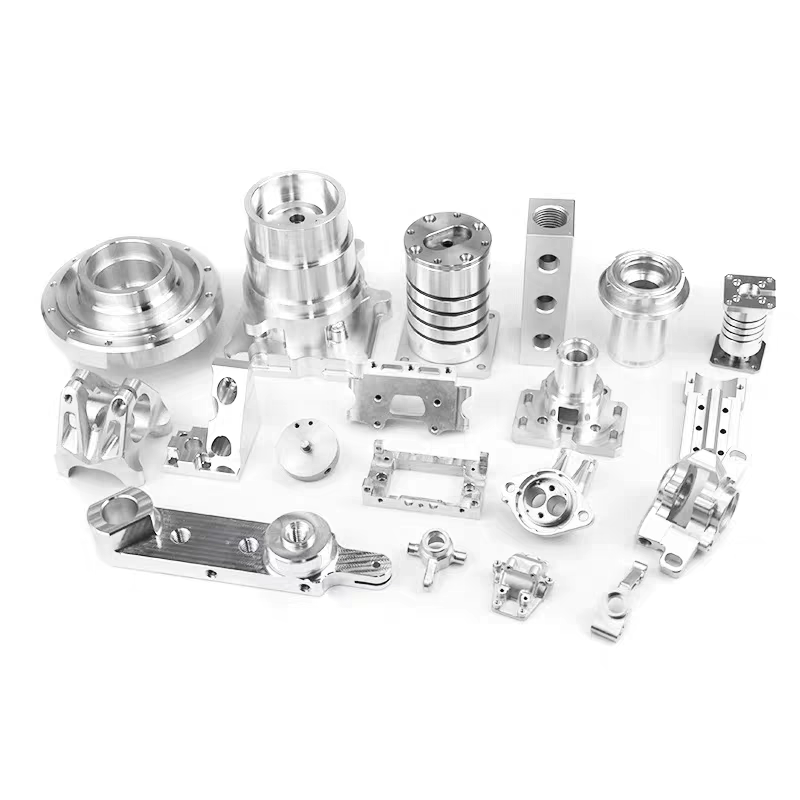
Choosing the right material is one of the most important decisions when ordering CNC machined parts from China. The material affects the part’s strength, weight, corrosion resistance, machinability, appearance, temperature resistance, durability, and overall cost.
Chinese CNC parts manufacturers can typically work with a wide range of metals and engineering plastics. However, not every manufacturer has the same material capabilities, equipment, tooling, or experience.
Before placing an order, buyers should confirm that the manufacturer can reliably machine the specific material required for their application.
1. Aluminum
Aluminum is one of the most commonly used materials for CNC machining.
Popular aluminum grades include:
-
6061 aluminum
-
6063 aluminum
-
6082 aluminum
-
7075 aluminum
-
2024 aluminum
Aluminum is popular because it is relatively lightweight, corrosion resistant, and easy to machine.
Typical Applications
Aluminum CNC parts are commonly used for:
-
Machinery components
-
Robotics
-
Automotive components
-
Electronic housings
-
Automation equipment
-
Aerospace components
-
Fixtures
-
Prototypes
6061 Aluminum
6061 is widely used because it provides a good balance of machinability, strength, corrosion resistance, and cost.
7075 Aluminum
7075 aluminum generally offers higher strength than 6061 and is often selected for applications where strength-to-weight performance is important.
However, material selection should always be based on the actual engineering requirements rather than simply choosing the strongest material.
2. Stainless Steel
Stainless steel is another common CNC machining material.
Popular grades include:
-
304 stainless steel
-
316 stainless steel
-
303 stainless steel
-
17-4 PH stainless steel
Stainless steel is often selected for its corrosion resistance, strength, and durability.
304 Stainless Steel
304 is widely used for general industrial applications and components exposed to moisture.
316 Stainless Steel
316 offers improved corrosion resistance in certain environments and is often considered when exposure to chemicals, salt, or marine environments is a concern.
303 Stainless Steel
303 is designed for improved machinability compared with some other stainless steel grades.
When requesting a quotation, always specify the exact stainless steel grade instead of simply writing “stainless steel.”
3. Carbon Steel
Carbon steel is commonly used when strength and cost efficiency are important.
CNC manufacturers may machine different carbon steel grades depending on the application.
Typical applications include:
-
Machine components
-
Shafts
-
Brackets
-
Mechanical parts
-
Industrial equipment
-
Fixtures
Carbon steel may require additional surface treatment when corrosion resistance is needed.
Possible treatments include:
-
Black oxide
-
Zinc plating
-
Painting
-
Powder coating
4. Tool Steel
Tool steel is designed for applications requiring hardness, wear resistance, and durability.
It may be used for:
-
Dies
-
Fixtures
-
Cutting components
-
Precision tooling
-
Wear-resistant parts
Tool steel can be more challenging to machine, especially after heat treatment.
Therefore, the manufacturing process should be planned carefully.
5. Brass
Brass is relatively easy to machine and provides good corrosion resistance and electrical conductivity.
Common applications include:
-
Electrical components
-
Connectors
-
Valves
-
Bushings
-
Decorative components
-
Plumbing components
-
Precision fittings
Brass also provides an attractive appearance, making it suitable for certain consumer and decorative products.
6. Copper
Copper has excellent electrical and thermal conductivity.
It is commonly used for:
-
Electrical components
-
Conductive parts
-
Heat-transfer components
-
Busbars
-
Connectors
-
Specialized industrial components
Copper can be more difficult to machine than some aluminum alloys because of its material characteristics.
Manufacturers may need to select suitable cutting tools and machining parameters.
7. Titanium
Titanium is valued for its:
-
High strength-to-weight ratio
-
Corrosion resistance
-
Low density
-
Performance in demanding environments
Common applications include:
-
Aerospace
-
Medical equipment
-
High-performance components
-
Specialized industrial equipment
Titanium machining can be significantly more demanding than aluminum or mild steel.
It requires appropriate tooling, cutting parameters, cooling, and process control.
Therefore, buyers should confirm that the manufacturer has actual experience machining titanium before placing an order.
8. Mild Steel
Mild steel is often selected for cost-sensitive mechanical components.
It can be used for:
-
Brackets
-
Plates
-
Machine components
-
Fixtures
-
Structural components
It is relatively easy to machine and can be combined with surface treatments when additional corrosion protection is required.
9. Engineering Plastics
CNC machining is not limited to metals.
Chinese CNC manufacturers can also machine various engineering plastics.
Common materials include:
-
ABS
-
POM
-
Nylon
-
PTFE
-
PEEK
-
Polycarbonate
-
PVC
-
HDPE
Plastic parts are often used for lightweight components, insulation, low-friction applications, housings, prototypes, and industrial equipment.
10. POM
POM, also known as acetal, is widely used for precision plastic components.
It offers:
-
Good dimensional stability
-
Low friction
-
Good wear resistance
-
Good machinability
Common applications include:
-
Gears
-
Bushings
-
Rollers
-
Mechanical components
-
Fixtures
POM is often considered when a plastic component needs relatively good dimensional stability and low friction.
11. Nylon
Nylon is a versatile engineering plastic with good wear resistance and impact performance.
It can be used for:
-
Bushings
-
Gears
-
Rollers
-
Mechanical components
-
Protective parts
However, nylon can absorb moisture, which may affect dimensions and material properties.
If dimensional stability is critical, discuss the application with the CNC manufacturer before selecting nylon.
12. PTFE
PTFE is known for its low friction and chemical resistance.
It can be used in applications involving:
-
Sealing
-
Sliding
-
Chemical exposure
-
Insulation
-
Low-friction components
PTFE has different machining characteristics from harder engineering plastics, so manufacturers should use appropriate cutting methods.
13. PEEK
PEEK is a high-performance engineering plastic used for demanding applications.
It offers properties such as:
-
High temperature resistance
-
Chemical resistance
-
Mechanical strength
-
Wear resistance
PEEK is considerably more expensive than common engineering plastics.
For this reason, it should generally be selected when its performance characteristics are actually required.
14. ABS
ABS is commonly used for prototypes, housings, covers, and general-purpose components.
It is relatively easy to machine and can provide a cost-effective solution for applications that do not require the performance of high-end engineering plastics.
15. Polycarbonate
Polycarbonate is known for its impact resistance and transparency in certain grades.
It may be used for:
-
Protective covers
-
Housings
-
Transparent components
-
Prototype parts
-
Industrial components
When transparency or optical appearance is important, surface finishing and machining quality should be discussed with the manufacturer.
16. Material Selection Should Match the Application
The cheapest material is not always the best option.
When selecting material, consider:
-
Mechanical strength
-
Weight
-
Corrosion resistance
-
Temperature
-
Chemical exposure
-
Wear
-
Friction
-
Electrical conductivity
-
Thermal conductivity
-
Dimensional stability
-
Appearance
-
Cost
For example, choosing titanium for a simple non-critical bracket may unnecessarily increase costs.
On the other hand, choosing a low-cost material for a component exposed to high loads or corrosive conditions may result in premature failure.
17. Material Grade Matters
Simply specifying “aluminum,” “steel,” or “plastic” is often not sufficient.
For CNC production, the exact grade should be identified whenever the application requires specific mechanical or chemical properties.
For example:
Aluminum 6061
is not the same material specification as:
Aluminum 7075
Similarly:
Stainless Steel 304
is not the same as:
Stainless Steel 316
The material grade should be included in the engineering drawing or technical specification.
18. Ask for Material Certification When Necessary
For certain industrial applications, buyers may require material documentation.
Depending on the project, you may request:
-
Material certificates
-
Mill certificates
-
Chemical composition reports
-
Mechanical property reports
-
Heat-treatment records
-
Traceability information
If documentation is required, communicate this requirement before production.
It may affect both cost and supplier selection.
19. Material and Surface Treatment Work Together
Material selection should also consider the required surface treatment.
For example:
Aluminum
May be suitable for:
-
Anodizing
-
Sandblasting
-
Brushing
-
Powder coating
Stainless Steel
May be suitable for:
-
Polishing
-
Brushing
-
Passivation
Carbon Steel
May require:
-
Zinc plating
-
Black oxide
-
Painting
-
Powder coating
The manufacturer should confirm that the selected material and surface treatment are compatible with your application.
20. Material Availability Can Affect Lead Time
Even if a manufacturer can technically machine a material, the material may not always be immediately available.
Special materials or uncommon grades may require additional sourcing time.
This can affect:
-
Production lead time
-
Material MOQ
-
Material cost
-
Delivery schedule
For urgent projects, ask the manufacturer whether the specified material is currently available.
21. How to Specify Material in a CNC Drawing
A good technical drawing should clearly identify the required material.
For example:
Material: Aluminum 6061-T6
or:
Material: Stainless Steel 316
For plastic components, specify the exact material grade where appropriate.
You should also include other relevant requirements such as:
-
Heat treatment
-
Surface treatment
-
Hardness
-
Surface finish
-
Critical tolerances
This gives the manufacturer a clear technical reference.
22. How Material Choice Affects CNC Machining Cost
Material affects machining cost in several ways.
Material Price
Some materials are considerably more expensive than others.
Machining Difficulty
Hard or difficult-to-machine materials may require more time and specialized tooling.
Tool Wear
Certain materials can accelerate tool wear.
Machining Speed
Different materials require different cutting parameters.
Finishing
Some materials require additional surface treatment.
Therefore, material cost and machining cost should both be considered when comparing quotations.
23. Questions to Ask a Chinese CNC Manufacturer About Materials
Before placing an order, ask:
-
Can you machine my specified material grade?
-
Do you have experience with this material?
-
Is the material currently available?
-
Can you provide material certification?
-
Can you perform the required heat treatment?
-
Can you provide the required surface treatment?
-
What is the material MOQ?
-
Will the material affect the production lead time?
-
What alternative materials would you recommend?
-
How would an alternative material affect the price and performance?


No reply content