
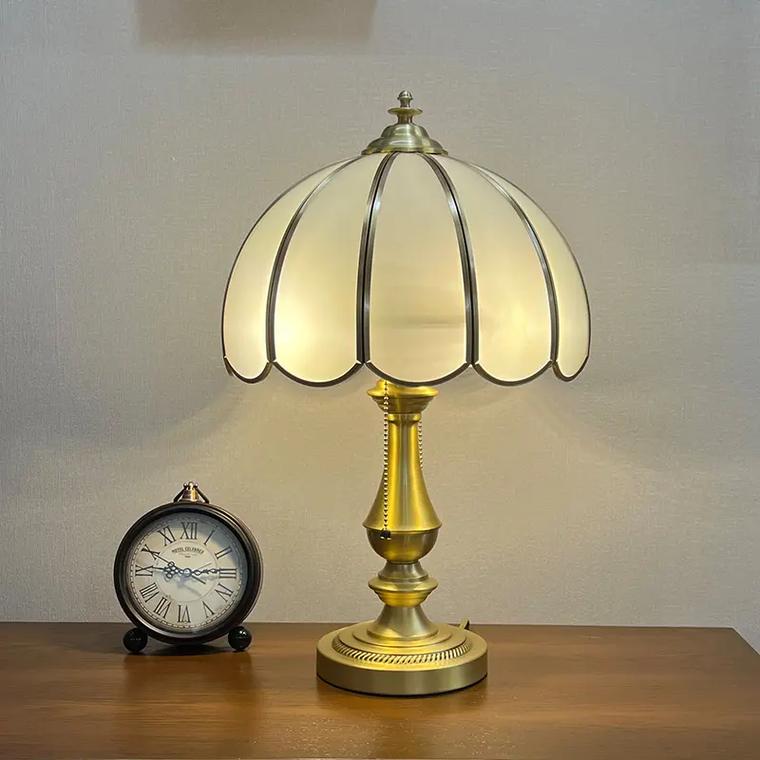
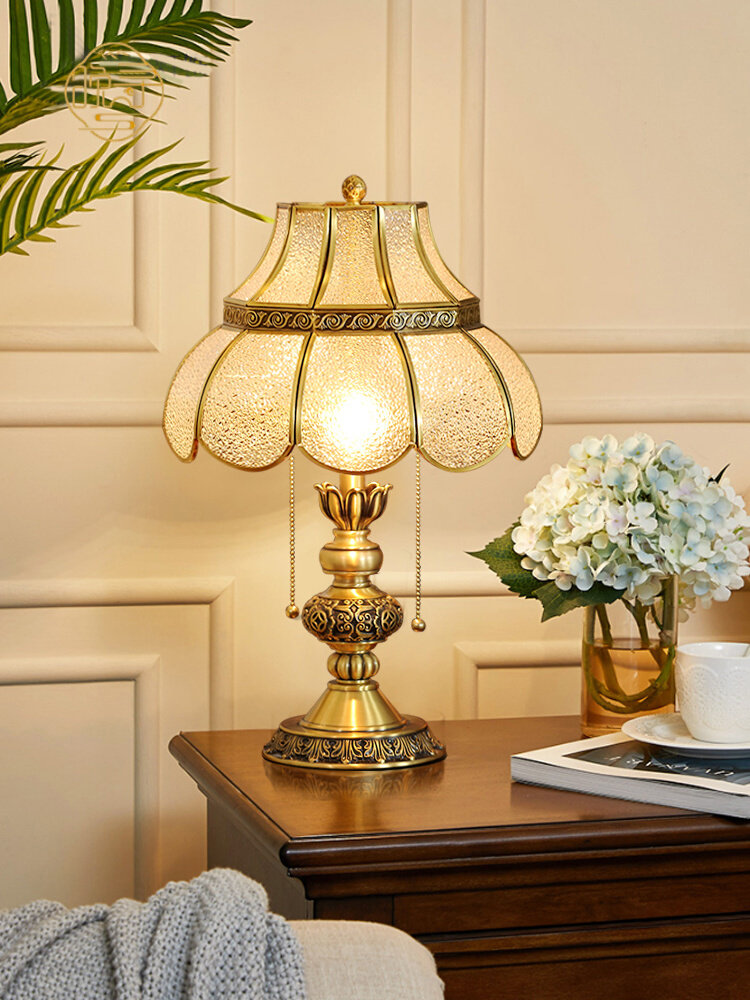
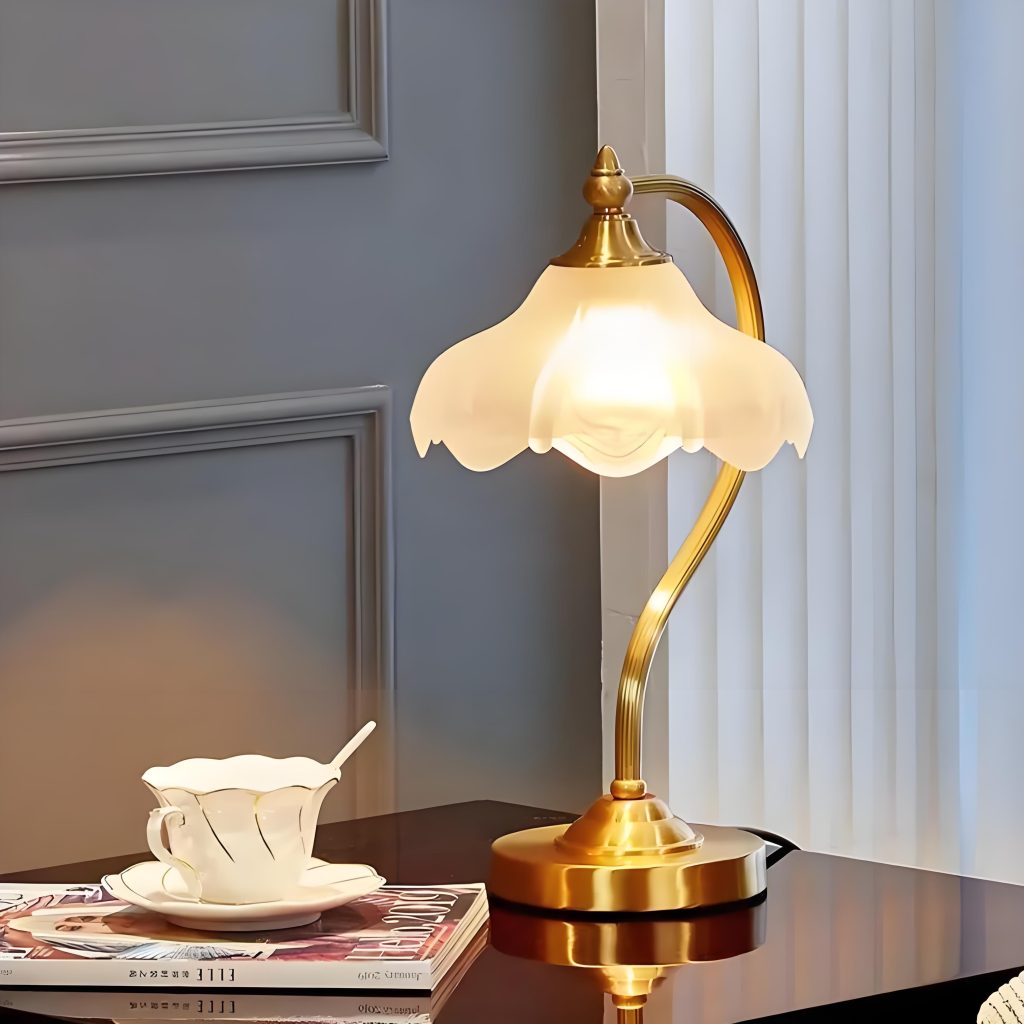
China is one of the world’s leading manufacturers of table lamps, supplying products to retailers, wholesalers, importers, online sellers, hotels, and lighting brands across the globe. While China offers competitive pricing and extensive manufacturing capabilities, successful sourcing depends on selecting the right supplier and understanding what to evaluate before placing an order.
This buyer’s guide explains the key factors every importer should review to reduce risks, improve product quality, and ensure a smooth purchasing experience.
1. Verify That the Supplier Is a Real Manufacturer
Many companies present themselves as manufacturers, but some are trading companies. Buying directly from a factory often provides better pricing, greater customization options, and faster communication.
Ask the supplier:
- Do you own the factory?
- How many production lines do you have?
- Can you provide factory photos or videos?
- How many years have you been manufacturing table lamps?
- Which countries do you export to?
A genuine manufacturer should be able to answer these questions confidently.
2. Review Product Quality
Quality is one of the most important factors when importing lighting products.
Check the following:
- Material quality
- Surface finish
- Lamp stability
- Electrical safety
- LED lifespan
- Switch durability
- Cable quality
- Packaging protection
Always request samples before placing a bulk order.
3. Confirm International Certifications
Different countries require different certifications for lighting products.
Common certifications include:
- CE
- RoHS
- UL
- ETL
- FCC
- UKCA
- SAA
- ERP
Request valid certificates and testing reports to ensure compliance with your target market.
4. Evaluate OEM and ODM Capabilities
If you want to build your own brand, choose a supplier that offers customization services.
Typical OEM services include:
- Logo printing
- Custom colors
- Exclusive product designs
- Retail packaging
- User manuals
- Barcode labels
- Gift box packaging
ODM services may also include new product development based on your ideas.
5. Understand Minimum Order Quantity (MOQ)
Every factory has different MOQ requirements.
Ask questions such as:
- What is the MOQ for standard products?
- What is the MOQ for customized products?
- Can mixed models be ordered?
- Are trial orders accepted?
Flexible MOQ options are especially helpful for new businesses.
6. Compare Prices Carefully
The lowest price does not always provide the best value.
When comparing quotations, consider:
- Product quality
- Materials used
- Warranty
- Packaging
- Accessories included
- Shipping terms
- Lead time
A slightly higher price may result in fewer defects and lower long-term costs.
7. Inspect the Factory’s Quality Control Process
Reliable manufacturers perform inspections throughout production.
Quality control typically includes:
- Incoming material inspection
- Production monitoring
- Electrical safety testing
- Aging tests
- Functional testing
- Final inspection
- Packaging inspection
Strong quality control reduces returns and customer complaints.
8. Confirm Production Lead Time
Production schedules vary depending on product complexity and order quantity.
Typical production times:
- Sample orders: 7–15 days
- Standard production: 30–45 days
- Customized projects: 45–60 days
Plan your purchasing schedule early, especially before peak sales seasons.
9. Review Shipping and Export Experience
An experienced exporter can simplify international shipping.
Ask whether the supplier can assist with:
- FOB shipments
- CIF shipments
- DDP delivery
- Export documentation
- Customs paperwork
- Container loading
Professional export support helps reduce shipping delays.
10. Ask About Warranty and After-Sales Service
Reliable manufacturers stand behind their products.
Important questions include:
- What warranty period is offered?
- How are defective products handled?
- Are replacement parts available?
- How quickly can quality issues be resolved?
Clear after-sales policies help protect your business.
Frequently Asked Questions
Is it safe to buy table lamps from China?
Yes. Thousands of international buyers source table lamps from China every year. Choosing an experienced manufacturer with proper certifications and quality control greatly reduces purchasing risks.
Can I customize my own table lamp design?
Yes. Many manufacturers provide OEM and ODM services, allowing you to customize appearance, materials, colors, packaging, and branding.
What certifications are required?
Certification requirements depend on your target market. CE and RoHS are commonly required in Europe, while UL or ETL certifications are widely requested in North America.
How can I verify product quality?
Request product samples, review certification documents, arrange third-party inspections, and evaluate the manufacturer’s quality control system before placing bulk orders.
What shipping terms are commonly available?
Most Chinese manufacturers support EXW, FOB, CIF, DDP, and other international trade terms depending on your logistics requirements.
Conclusion
Buying table lamps from China can provide significant advantages in pricing, customization, and manufacturing capacity. However, successful sourcing requires careful supplier evaluation. By verifying factory credentials, checking certifications, reviewing quality control procedures, requesting samples, and confirming shipping arrangements, buyers can reduce risks and establish long-term partnerships with reliable China table lamp manufacturers.


No reply content