
China Surfboard and Snowboard Manufacturer Co., Ltd.
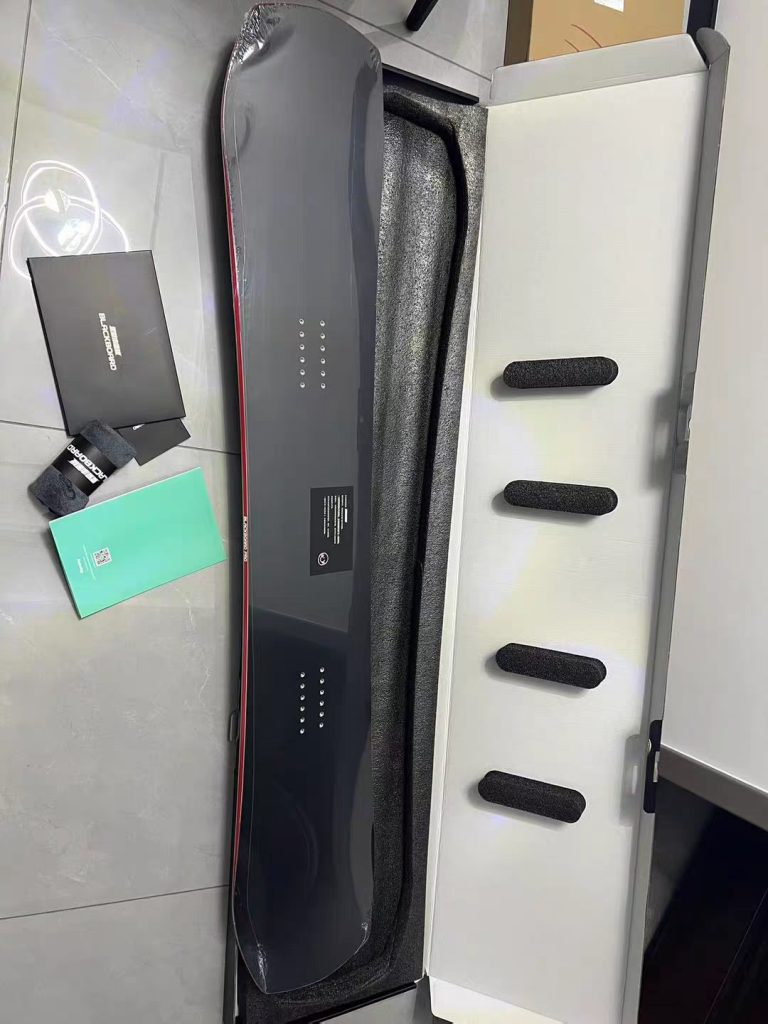
Importing skis from China can offer competitive factory pricing, flexible OEM options, and access to a wide range of ski manufacturing capabilities. However, a successful import project requires more than finding a supplier and placing an order.
Buyers need to verify the manufacturer, product specifications, materials, quality, certifications, packaging, shipping costs, import requirements, and production schedule before making a large purchase.
This guide provides a practical checklist for wholesalers, distributors, retailers, ski shops, and private-label brands planning to import skis from China.
1. Confirm the Exact Ski Specifications
Before requesting quotations, create a clear product specification.
At minimum, confirm:
-
Ski type
-
Ski length
-
Width
-
Sidecut
-
Weight
-
Core construction
-
Reinforcement materials
-
Base material
-
Edge specifications
-
Flex characteristics
-
Graphics
-
Logo
-
Packaging
-
Accessories
Avoid descriptions such as “high-quality professional skis” without technical details.
Different manufacturers may interpret the same description differently, resulting in products that cannot be compared accurately.
2. Verify the Manufacturer
Before placing an order, investigate whether the supplier has the manufacturing capabilities you require.
Ask:
-
Where is the factory located?
-
Does the company own the factory?
-
How long has it manufactured skis?
-
What types of skis does it produce?
-
What is its production capacity?
-
Can it provide factory photos or videos?
-
Can it support a factory inspection?
-
Does it have experience with export orders?
For larger orders, consider conducting a factory audit or using a third-party inspection service.
3. Request a Product Sample
Never rely solely on photographs.
Order a sample before placing a large order and check:
Physical quality
-
Surface finish
-
Graphics
-
Base
-
Edges
-
Tip and tail
-
Overall construction
Dimensions
Verify:
-
Length
-
Width
-
Thickness
-
Weight
-
Mounting areas
Performance
If possible, test the ski in actual skiing conditions.
Depending on the product, evaluate:
-
Stability
-
Turning
-
Flex
-
Vibration
-
Control
-
Handling
-
Overall comfort
For a private-label product, the approved sample should become the reference standard for mass production.
4. Check the Materials
Material selection can have a major effect on both price and performance.
Ask the manufacturer to specify:
-
Core material
-
Fiberglass
-
Carbon or other reinforcement
-
Base material
-
Steel edges
-
Adhesive system
-
Surface materials
Make sure the materials stated in the quotation are the same materials used in the approved sample and mass production.
A lower-priced quotation may reflect differences in materials rather than better purchasing efficiency.
5. Compare Factory Prices Correctly
When comparing suppliers, request quotations based on identical specifications.
For example:
Item |
Supplier A |
Supplier B |
Supplier C |
|---|---|---|---|
Unit price |
|||
MOQ |
|||
Sample cost |
|||
Tooling |
|||
Custom graphics |
|||
Packaging |
|||
Production time |
|||
Payment terms |
As a broad planning reference, Chinese factory prices may range from approximately $20–$50 per pair for basic skis, while mid-range and premium customized products can range from approximately $50–$180+ per pair.
The actual quotation depends heavily on product specifications and order volume.
6. Check the MOQ
MOQ can have a major impact on your purchasing strategy.
Possible ranges include:
-
Standard models: 50–200 pairs
-
Logo customization: 100–500 pairs
-
Custom graphics: 200–1,000 pairs
-
New product development: often higher
If you are testing a new market, ask whether the manufacturer can support a smaller trial order.
A slightly higher unit price on the first order may be worthwhile if it allows you to test market demand before committing to a large inventory.
7. Calculate the Complete Landed Cost
The factory price is not your final cost.
Depending on the shipping arrangement, you may also need to pay for:
-
Domestic transportation
-
Export handling
-
International freight
-
Cargo insurance
-
Customs clearance
-
Import duties
-
Local taxes
-
Port or terminal charges
-
Destination delivery
-
Warehousing
-
Inspection
For example, if the factory price is $60 per pair, the actual landed cost may be considerably higher after international logistics and import-related expenses.
Always calculate your landed cost per pair before determining your retail or wholesale price.
8. Confirm the Shipping Method
Skis are long products, so shipping efficiency is important.
Depending on the destination and order size, buyers may consider:
-
Sea freight
-
Air freight
-
Express shipping for samples
For bulk commercial orders, sea freight is often more practical because of the product’s size and shipping volume.
Ask your logistics provider or supplier for:
-
Carton dimensions
-
Number of pairs per carton
-
Gross weight
-
Net weight
-
Total CBM
-
Shipping port
-
Estimated transit time
These details are necessary for calculating transportation costs.
9. Check Import Requirements in Your Country
Before purchasing, check the regulations of your destination market.
Requirements can vary by country.
You may need:
-
Commercial invoice
-
Packing list
-
Bill of lading or airway bill
-
Certificate of origin
-
Product documentation
-
Material information
-
Applicable test reports
-
Import declaration
-
Product labeling
Do not wait until the goods arrive to investigate import requirements.
Tell the manufacturer where the skis will be sold before production so that applicable documentation and labeling can be discussed in advance.
10. Confirm Packaging Requirements
Ski packaging needs to protect long, relatively narrow products during transportation.
Ask the manufacturer about:
-
Individual ski protection
-
Edge protection
-
Surface protection
-
Moisture protection
-
Inner packaging
-
Outer cartons
-
Carton strength
-
Palletization
For private-label products, also confirm:
-
Brand logo
-
Product name
-
Barcode
-
Model number
-
Country-of-origin marking
-
User information
Poor packaging can cause scratches, edge damage, or surface defects during international transportation.
11. Confirm OEM and Private-Label Details
If you are importing skis under your own brand, put every customization requirement in writing.
Confirm:
-
Logo position
-
Logo size
-
Graphics
-
Colors
-
Ski model
-
Product specifications
-
Packaging design
-
Labels
-
Barcodes
-
Manuals
-
Accessories
Ask the manufacturer to provide a final artwork proof or sample for approval before mass production.
Never rely solely on verbal agreements for important customization details.
12. Check Production Lead Time
Typical planning estimates may be:
Order Type |
Approximate Production Time |
|---|---|
Standard skis |
15–30 days |
Logo/OEM customization |
20–40 days |
Custom graphics |
25–45 days |
New ski development |
45–90+ days |
These are general estimates.
Production can take longer during peak winter-sports seasons or when special materials and components are required.
If your target market has a specific winter selling season, plan production and shipping backward from your expected warehouse arrival date.
13. Establish Quality-Control Standards
Before production begins, establish what qualifies as an acceptable product.
Quality-control criteria can include:
Appearance
-
No major scratches
-
No delamination
-
Consistent graphics
-
Correct colors
-
Clean edges
-
Smooth surface
Dimensions
-
Correct length
-
Correct width
-
Correct thickness
-
Correct weight range
Construction
-
Correct materials
-
Correct bonding
-
No visible structural defects
-
Consistent production
Packaging
-
Correct quantity
-
Correct labels
-
No damaged cartons
-
Adequate product protection
For large orders, arrange a pre-shipment inspection before releasing the final payment when commercially appropriate.
14. Confirm Payment Terms
Before placing the order, confirm:
-
Deposit percentage
-
Balance payment
-
Payment method
-
Sample payment
-
Tooling payment
-
Refund conditions
-
Production start date
For example, a manufacturer may request a deposit before production and the balance before shipment, but exact terms vary by supplier and order.
The payment arrangement should be documented in the purchase agreement or commercial invoice.
15. Confirm Warranty and After-Sales Support
Ask what happens if you receive defective products.
Clarify:
-
Warranty period
-
Defect definition
-
Claim procedure
-
Replacement policy
-
Refund policy
-
Responsibility for defective goods
-
Evidence required for claims
A clear after-sales agreement is particularly important for private-label brands because quality problems can affect your reputation in the destination market.
16. Common Mistakes to Avoid
Mistake 1: Choosing only by price
The cheapest supplier may not provide the required materials or quality.
Mistake 2: Skipping samples
A sample is essential for verifying the product before mass production.
Mistake 3: Not calculating shipping volume
Skis are long products, and packaging dimensions can significantly affect logistics costs.
Mistake 4: Not confirming the final specifications
Small specification differences can result in an entirely different product.
Mistake 5: Ordering too late
Seasonal production and international transportation can take longer than expected.
Mistake 6: No quality inspection
Problems are much easier to resolve before shipment than after the goods arrive.
FAQ
Is importing skis from China cheaper?
Chinese manufacturers can offer competitive factory pricing, particularly for wholesale and OEM orders. However, you should compare the complete landed cost rather than the factory price alone.
What is the minimum order quantity for skis?
Standard models may be available from around 50–200 pairs, while customized products generally require higher quantities.
How much do Chinese skis cost?
Basic models may be approximately $20–$50 per pair, while higher-end and customized skis can cost $50–$180+ per pair.
How long does it take to manufacture skis in China?
Standard orders may take approximately 15–30 days. OEM and customized projects can take 20–90 days or longer depending on complexity.
Should I inspect the factory?
For small sample orders it may not be necessary, but for larger purchases or long-term OEM projects, factory verification can substantially reduce sourcing risks.
Should I test a sample before placing a bulk order?
Yes. Test the physical construction, dimensions, finish, and, where possible, actual skiing performance before approving mass production.
What information should I send when requesting a quotation?
Provide ski type, length, construction, materials, quantity, logo requirements, graphics, packaging, target market, and any required documents or testing.
Final Checklist
Before paying for a bulk ski order from China, confirm:
-
[ ] Manufacturer identity and production capability
-
[ ] Product specifications
-
[ ] Materials
-
[ ] Sample quality
-
[ ] Ski performance
-
[ ] OEM requirements
-
[ ] MOQ
-
[ ] Factory price
-
[ ] Tooling and development costs
-
[ ] Packaging
-
[ ] Production lead time
-
[ ] Quality-control standards
-
[ ] Inspection arrangement
-
[ ] Shipping method
-
[ ] Total landed cost
-
[ ] Import requirements
-
[ ] Payment terms
-
[ ] Warranty
-
[ ] After-sales procedures


No reply content