
China Professional Hair Clipper Manufacturing Co., Ltd.
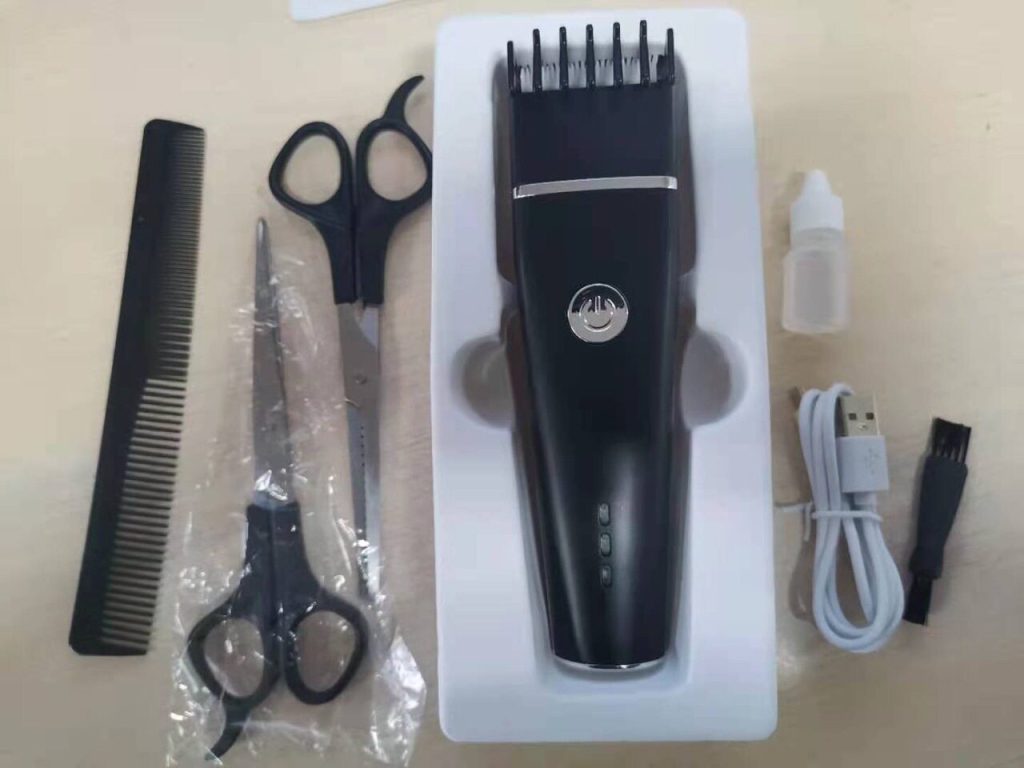
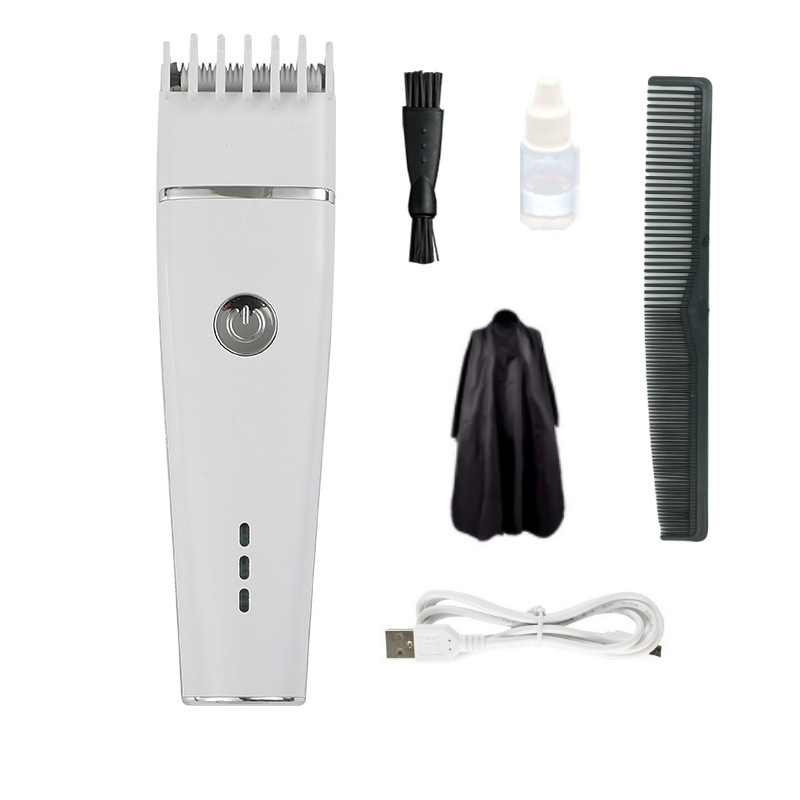
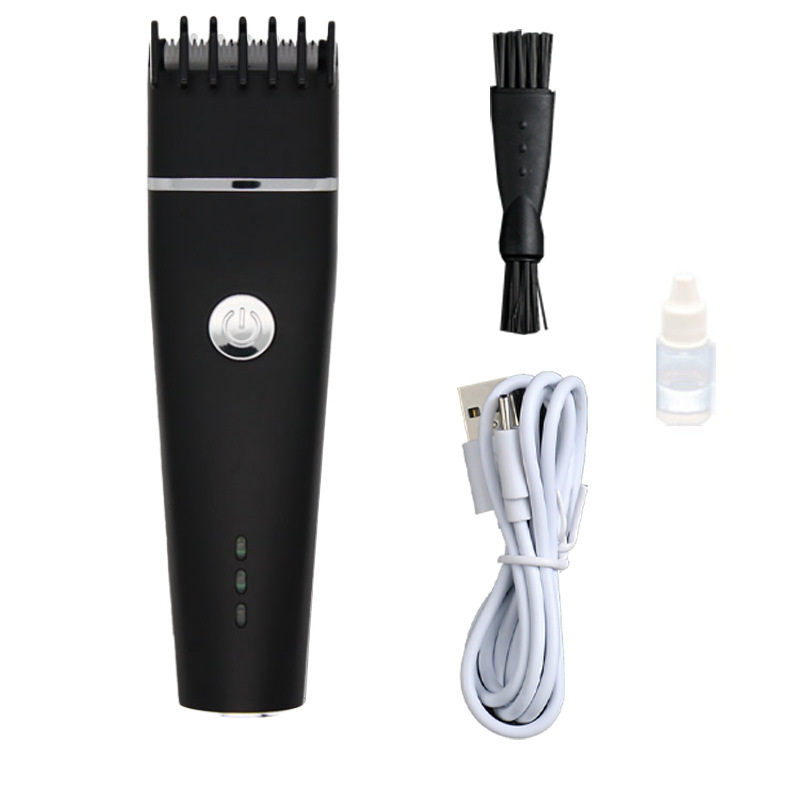
Importing hair clippers from China can be an attractive option for distributors, wholesalers, barbershop suppliers, e-commerce sellers, and private-label brands. China has a mature supply chain for electric grooming products, including professional hair clippers, cordless trimmers, beard trimmers, grooming kits, replacement blades, batteries, and accessories.
However, the purchase price shown by a supplier is only one part of the total cost.
A successful import requires buyers to evaluate product quality, motor performance, battery specifications, blade quality, MOQ, customization, production time, packaging, shipping, documentation, and after-sales service before placing an order.
This guide explains the main factors buyers should consider when purchasing hair clippers from China.
1. Start With a Clear Product Specification
The first mistake many new buyers make is asking:
“How much is your hair clipper?”
This question is too broad.
Different hair clippers can have completely different specifications and costs.
Before requesting quotations, prepare a basic product specification covering:
-
Product type
-
Professional or household use
-
Corded or cordless design
-
Motor type
-
Motor speed
-
Blade material
-
Blade width
-
Adjustable blade or fixed blade
-
Battery type
-
Battery capacity
-
Charging time
-
Expected operating time
-
Product dimensions
-
Product weight
-
Accessories
-
Packaging
-
Logo requirements
-
Target market
-
Estimated order quantity
The more specific your requirements are, the more useful the quotation will be.
2. Understand the Different Types of Hair Clippers
Chinese manufacturers produce many types of electric hair-cutting products.
Professional Hair Clippers
Professional clippers are generally designed for frequent use in barbershops and salons.
Buyers usually focus on:
-
Motor performance
-
Blade quality
-
Durability
-
Ergonomics
-
Battery life
-
Heat management
-
Replacement parts
Cordless Hair Clippers
Cordless models are popular because they offer greater freedom of movement.
Important factors include battery capacity, charging time, runtime, charging interface, and battery protection.
Hair Trimmers
Trimmers are commonly used for edging, beard shaping, neckline work, and detailed styling.
Blade precision and the shape of the cutting head are especially important.
Grooming Kits
A kit may combine a hair clipper, trimmer, guards, cleaning brush, charging cable, oil, and other accessories.
The additional components can significantly affect the final price.
3. How Is the Price of a Chinese Hair Clipper Determined?
The unit price depends on much more than the factory’s basic production cost.
Important factors include:
-
Motor
-
Blade
-
Battery
-
Housing
-
PCB
-
Charger
-
Accessories
-
Packaging
-
Logo customization
-
Order quantity
-
Product design
-
Testing requirements
-
Tooling
-
Shipping requirements
For example, two products that look almost identical externally may have different motors, batteries, internal electronics, and blades.
Therefore, comparing only the product photographs is not enough.
4. Why Large Orders Usually Have Better Unit Prices
Manufacturing costs are affected by production efficiency and purchasing volume.
When order quantities increase, the manufacturer may be able to purchase components in larger quantities and spread certain production costs across more units.
However, buyers should not automatically place a very large first order just to obtain a lower price.
A lower unit cost is not useful if the product does not sell.
For new brands, a controlled first order can be safer than immediately purchasing a large quantity.
Once the product has been tested in the market, future orders can be increased.
5. Understand MOQ Before Negotiating Price
MOQ means Minimum Order Quantity.
The MOQ can be different for:
-
Standard products
-
Logo printing
-
Custom packaging
-
Custom colors
-
Customized accessories
-
New product designs
-
New molds
A manufacturer may accept a small quantity for an existing model but require a larger order for customized production.
Therefore, when asking for MOQ, explain exactly what you want.
For example:
500 units, existing model, custom logo, custom retail box, black color.
This is much more useful than simply asking:
“What is your MOQ?”
6. OEM and Private-Label Costs
If you want to sell hair clippers under your own brand, additional costs may apply.
Possible customization includes:
-
Logo
-
Product color
-
Packaging
-
User manual
-
Labels
-
Accessories
-
Housing
-
Product appearance
Some customization can be relatively simple.
For example, adding a logo to an existing model may not require major product development.
Changing the housing design or internal structure is a different situation and may require tooling and engineering costs.
Ask the manufacturer to separate these costs clearly.
7. Product Quality Is More Important Than a Low Unit Price
A cheap hair clipper can become expensive after it reaches the market.
Potential problems include:
-
Motor failure
-
Battery problems
-
Blade pulling
-
Excessive noise
-
Excessive vibration
-
Overheating
-
Loose switches
-
Charging failures
-
Poor plastic finishing
-
Packaging damage
These problems can lead to:
-
Customer complaints
-
Product returns
-
Refunds
-
Negative reviews
-
Replacement costs
-
Loss of brand reputation
For this reason, buyers should calculate the total cost of ownership, not just the factory unit price.
8. Test the Motor Carefully
The motor is one of the most important parts of a hair clipper.
During sample testing, check:
-
Starting performance
-
Cutting stability
-
Noise
-
Vibration
-
Heat
-
Continuous operation
-
Performance under different hair conditions
Do not judge motor quality simply by RPM.
A higher advertised speed does not automatically mean better cutting performance.
The motor must work together with the blade design, electronics, power system, and mechanical structure.
9. Check Blade Quality
The blade is another critical component.
When testing a sample, check whether it:
-
Cuts hair smoothly
-
Pulls hair
-
Produces uneven cutting
-
Remains aligned
-
Can be adjusted correctly
-
Is easy to clean
-
Shows signs of corrosion or poor finishing
If you are selling professional equipment, ask whether replacement blades are available.
A long-term product line should ideally have a reliable supply of important replacement parts.
10. Evaluate Battery Performance
For cordless hair clippers, battery performance can strongly influence customer satisfaction.
Ask the manufacturer for:
-
Battery chemistry
-
Rated capacity
-
Rated voltage
-
Charging time
-
Operating time
-
Battery protection
-
Charger specification
-
Expected battery life
Do not rely entirely on the manufacturer’s advertised runtime.
Test the actual sample.
Battery performance can vary depending on motor load, cutting conditions, battery age, and operating habits.
11. Lead Time Should Be Confirmed Before Payment
Lead time is another important issue.
The production schedule may include:
-
Order confirmation
-
Artwork confirmation
-
Component preparation
-
Production
-
Assembly
-
Testing
-
Packaging
-
Final inspection
-
Shipment preparation
Standard products may have a shorter production cycle than customized products.
Custom packaging, special colors, new molds, and customized electronics can increase the lead time.
Always request a realistic production schedule before making a deposit.
12. Ask About Peak-Season Production
Factory capacity can change during busy periods.
Before placing an important order, ask:
-
What is the current production schedule?
-
How many orders are already in production?
-
Is there a peak-season delay?
-
Are the main components currently available?
-
When can production begin?
-
When can the order be completed?
Do not assume that a supplier’s standard lead time applies to every order throughout the year.
13. Packaging Can Affect the Total Cost
Packaging should be considered before finalizing the order.
Possible packaging options include:
-
Standard color box
-
Custom retail box
-
Kraft box
-
Gift box
-
Window box
-
Foam protection
-
Plastic protection
-
Carton packaging
If the product is being sold through e-commerce, packaging should provide sufficient protection during transportation.
Custom packaging may also increase MOQ and production time.
14. Don’t Forget Accessories
The final quotation should clearly state what is included.
Depending on the model, accessories may include:
-
Guide combs
-
Cleaning brush
-
Blade oil
-
Charging cable
-
Charger
-
Protective cap
-
Storage bag
-
Replacement blade
-
User manual
A low-priced quotation may exclude accessories that another supplier includes.
Always compare quotations using the same product configuration.
15. Calculate the Real Landed Cost
The factory price is not the final cost.
A buyer should consider:
Product Cost + Packaging + Inspection + Domestic Transportation + International Freight + Insurance if required + Import Duties/Taxes + Customs/Handling Fees = Approximate Landed Cost
The actual formula depends on the destination market and shipping arrangement.
For example, a product with a lower factory price may become more expensive if it has heavier packaging or significantly higher freight costs.
This is why buyers should compare the complete landed cost.
16. Confirm Shipping Requirements
Hair clippers can contain rechargeable batteries, depending on the model.
Before arranging transportation, provide accurate product information to your freight forwarder.
Confirm:
-
Battery type
-
Battery capacity
-
Quantity
-
Packaging
-
Shipping method
-
Destination country
-
Required transportation documents
Do not provide incorrect battery information to reduce freight costs.
Accurate product information helps the logistics provider determine the appropriate transportation method and documentation.
17. Check the Manufacturer’s Quality-Control Process
Ask how the factory controls production quality.
A reasonable quality-control system may include:
Incoming Component Inspection
Motors, batteries, blades, chargers, switches, and plastic components should be checked before production.
Assembly Inspection
Workers should verify that components are correctly installed.
Functional Testing
Finished products should be tested for basic operation and charging.
Appearance Inspection
The factory should check scratches, color differences, assembly gaps, printing, and other appearance issues.
Final Inspection
The finished order should be inspected before shipment.
For larger orders, buyers can also establish their own inspection standards.
18. Consider Third-Party Inspection for Large Orders
For a new supplier or large purchase, independent inspection can reduce risk.
A pre-shipment inspection may check:
-
Quantity
-
Product specifications
-
Appearance
-
Function
-
Accessories
-
Packaging
-
Labels
-
Carton condition
The exact inspection standard should be agreed upon before production.
19. Confirm Warranty and Replacement Policies
Before ordering, ask the manufacturer:
-
What is the warranty period?
-
What defects are covered?
-
How are defective products handled?
-
Can replacement parts be purchased?
-
Can defective units be replaced in the next shipment?
-
Who pays the transportation cost for replacements?
The answers should be documented rather than relying only on verbal promises.
20. A Practical Buying Strategy for New Importers
If you are buying hair clippers from China for the first time, a cautious process can look like this:
Stage 1: Research
Find several potential manufacturers.
Stage 2: Compare
Request quotations using identical specifications.
Stage 3: Sample
Order samples from the strongest candidates.
Stage 4: Test
Evaluate performance, quality, battery, blade, noise, heat, and ergonomics.
Stage 5: Verify
Check factory information, documentation, OEM capability, and production capacity.
Stage 6: Negotiate
Discuss price, MOQ, packaging, payment, lead time, and warranty.
Stage 7: Initial Order
Start with a manageable quantity.
Stage 8: Inspection
Inspect the production before shipment when appropriate.
Stage 9: Market Testing
Sell the product and collect customer feedback.
Stage 10: Scale
Increase order quantities after the product demonstrates stable market demand.
Example of a Supplier Comparison
Suppose three manufacturers provide quotations for apparently similar cordless hair clippers.
Supplier A offers the lowest price.
Supplier B costs slightly more.
Supplier C is the most expensive.
Instead of choosing Supplier A immediately, compare:
-
Motor
-
Blade
-
Battery
-
Accessories
-
Packaging
-
MOQ
-
Warranty
-
Quality-control process
-
Production lead time
-
Documentation
-
Replacement parts


No reply content