

Choosing the right diesel generator size is one of the most important decisions for any business. An undersized generator may overload and fail, while an oversized unit can increase fuel consumption and unnecessary investment. Whether you need backup power for a commercial building or continuous power for industrial operations, selecting the correct diesel generator capacity ensures reliable performance and long-term savings.
In this guide, we explain how to determine the right diesel generator set size and what factors should be considered before purchasing.
Why Generator Size Matters
A properly sized diesel generator offers several benefits:
- Stable power output
- Reduced fuel consumption
- Lower maintenance costs
- Longer equipment lifespan
- Better performance during peak loads
- Protection against unexpected downtime
Selecting the right size helps maximize efficiency and minimize operating expenses.
Understand kW and kVA Ratings
Diesel generators are commonly rated in kW and kVA.
- kW (Kilowatts) measures actual power.
- kVA (Kilovolt-Amperes) measures apparent power.
Most industrial diesel generators use a power factor of 0.8.
Example:
100 kW ÷ 0.8 = 125 kVA
Knowing these ratings helps determine the correct generator capacity for your application.
Step 1: Calculate Your Total Power Demand
Make a list of all equipment that will operate simultaneously.
Typical loads include:
- Lighting systems
- Air conditioners
- Water pumps
- Compressors
- Production machines
- Refrigeration equipment
- Computer systems
- Agricultural machinery
Add the total running power and include starting power requirements for motors and compressors.
Experts recommend adding a 20% to 30% safety margin for future expansion.
Generator Size Recommendations
20-50 kVA Diesel Generator
Suitable for:
- Small offices
- Retail stores
- Residential backup power
- Small workshops
50-100 kVA Diesel Generator
Suitable for:
- Farms
- Warehouses
- Restaurants
- Medium-sized businesses
100-250 kVA Diesel Generator
Suitable for:
- Commercial buildings
- Hotels
- Manufacturing workshops
- Medical clinics
250-500 kVA Diesel Generator
Suitable for:
- Factories
- Hospitals
- Shopping centers
- Industrial facilities
500-2000 kVA Diesel Generator
Suitable for:
- Mining projects
- Large manufacturing plants
- Data centers
- Oil and gas industries
Standby Power or Prime Power?
Standby Power Generators
Used during utility power failures.
Applications include:
- Offices
- Hospitals
- Hotels
- Commercial buildings
Advantages:
- Automatic emergency power
- Reliable operation
- Lower operating hours
Prime Power Generators
Designed for continuous operation.
Applications include:
- Construction sites
- Mining operations
- Agricultural projects
- Remote areas
Advantages:
- Continuous power supply
- Heavy-duty design
- Long operating hours
Starting Current Must Be Considered
Some equipment requires higher power during startup.
Examples include:
- Air compressors
- Water pumps
- Air conditioners
- Electric motors
The generator should have enough capacity to handle these temporary peak loads without voltage fluctuations.
Open Type vs Silent Diesel Generator
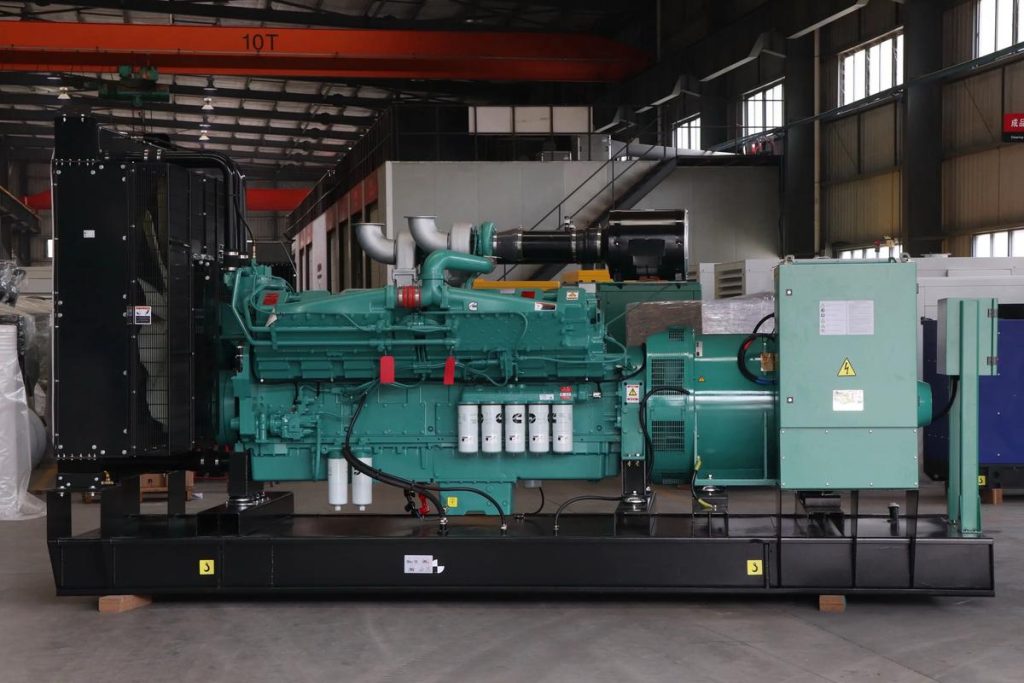
Open Type Generator
Advantages:
- Lower cost
- Easy maintenance
- Excellent ventilation
Ideal for:
- Factories
- Equipment rooms
- Construction sites
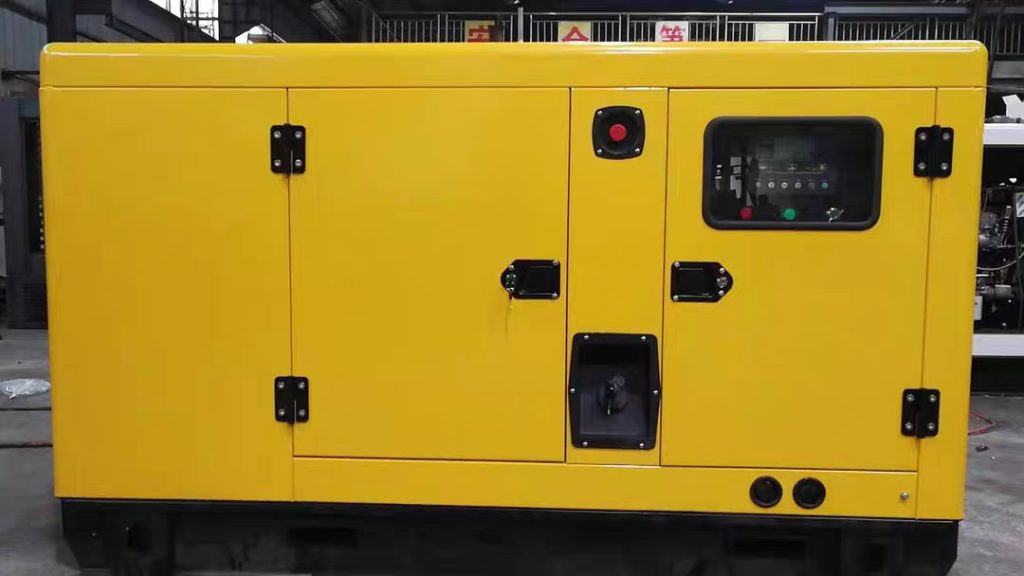
Silent Generator
Advantages:
- Low noise
- Weatherproof canopy
- Attractive appearance
Ideal for:
- Hospitals
- Hotels
- Residential areas
- Commercial facilities
Fuel Efficiency and Operating Costs
Fuel costs significantly affect the total ownership cost.
Modern diesel generators provide:
- High fuel efficiency
- Electronic control systems
- Low emissions
- Stable power output
Choosing a fuel-efficient generator reduces long-term expenses.
Automatic Transfer Switch (ATS)
An ATS system automatically switches to generator power when utility electricity fails.
Benefits include:
- Fast response
- Automatic operation
- Protection for critical equipment
- Reduced downtime
ATS systems are widely used in:
- Data centers
- Hospitals
- Banks
- Manufacturing plants
Environmental Conditions Affect Generator Selection
Environmental factors to consider:
- High temperatures
- Humidity
- Dust levels
- Altitude
- Outdoor exposure
Special configurations may include:
- Heavy-duty radiators
- Weatherproof enclosures
- Dust-proof filters
- Corrosion-resistant components
These features improve reliability in harsh environments.
Industries That Require Diesel Generators
Manufacturing
Continuous production requires stable electricity.
Construction
Generators power welding equipment, cranes, and tools.
Agriculture
Support irrigation systems and farming machinery.
Healthcare
Hospitals depend on emergency power systems.
Mining
Remote projects require reliable prime power.
Commercial Buildings
Backup power keeps elevators, lighting, and security systems operating.
Why Work with a Professional Generator Supplier?
Experienced suppliers provide:
- Customized power solutions
- OEM and ODM services
- Multiple engine brand options
- Competitive factory prices
- Technical support
- Spare parts supply
- Worldwide delivery
Professional guidance ensures you purchase the right generator size and configuration.
Request a Custom Quotation Today
Not sure which diesel generator size is right for your project?
Simply provide:
- Required equipment list
- Voltage and frequency
- Application scenario
- Running hours
- Open type or silent type
- Quantity needed
Our engineering team can recommend the most suitable diesel generator set and provide a competitive quotation tailored to your requirements.
FAQ
How do I determine the correct diesel generator size?
Calculate the total running load of all equipment and add a 20%-30% reserve capacity to handle startup currents and future expansion.
What happens if my generator is too small?
An undersized generator may overload, experience voltage drops, and suffer premature damage.
Is a larger generator always better?
No. Oversized generators consume more fuel and increase operating costs. Proper sizing provides the best efficiency.
What is the difference between kW and kVA?
kW represents actual power, while kVA represents apparent power. Most diesel generators use a power factor of 0.8.
Should I choose standby power or prime power?
Standby generators are used during outages, while prime power generators are designed for continuous operation where utility electricity is unavailable.
Can diesel generators be customized?
Yes. OEM and ODM services are available for power ratings, engine brands, voltage, frequency, ATS systems, and silent enclosures.
How can I get a quotation?
Simply send your power requirements, application details, voltage, frequency, and quantity. Our team will provide a customized solution and competitive pricing based on your project needs.


No reply content