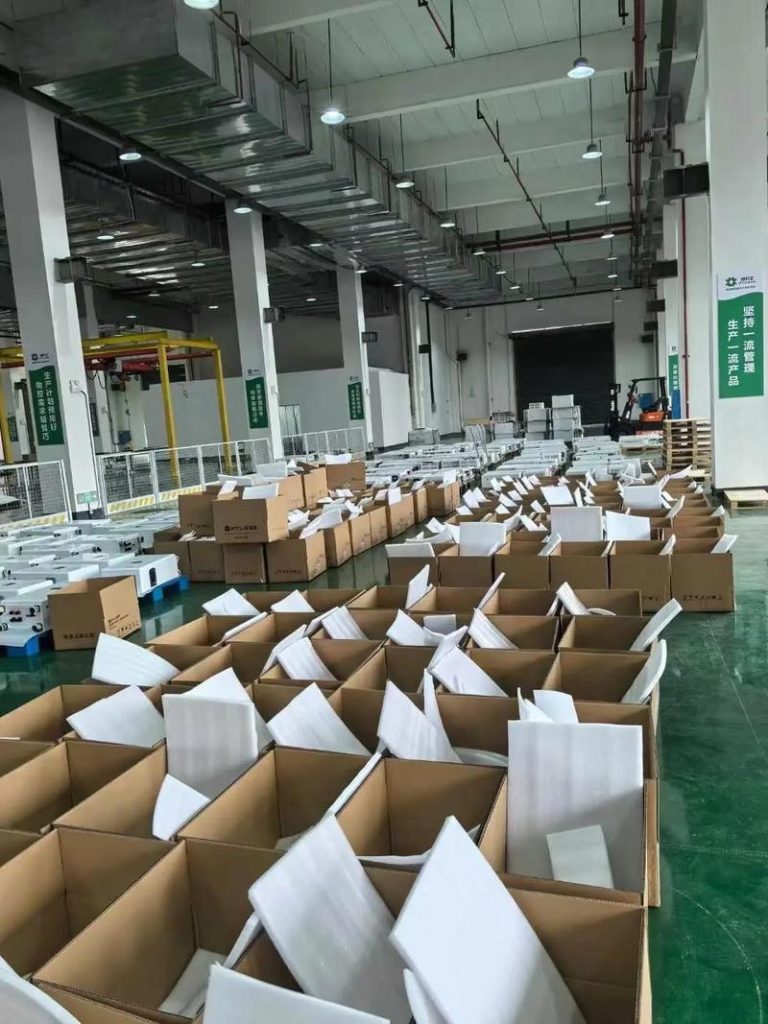
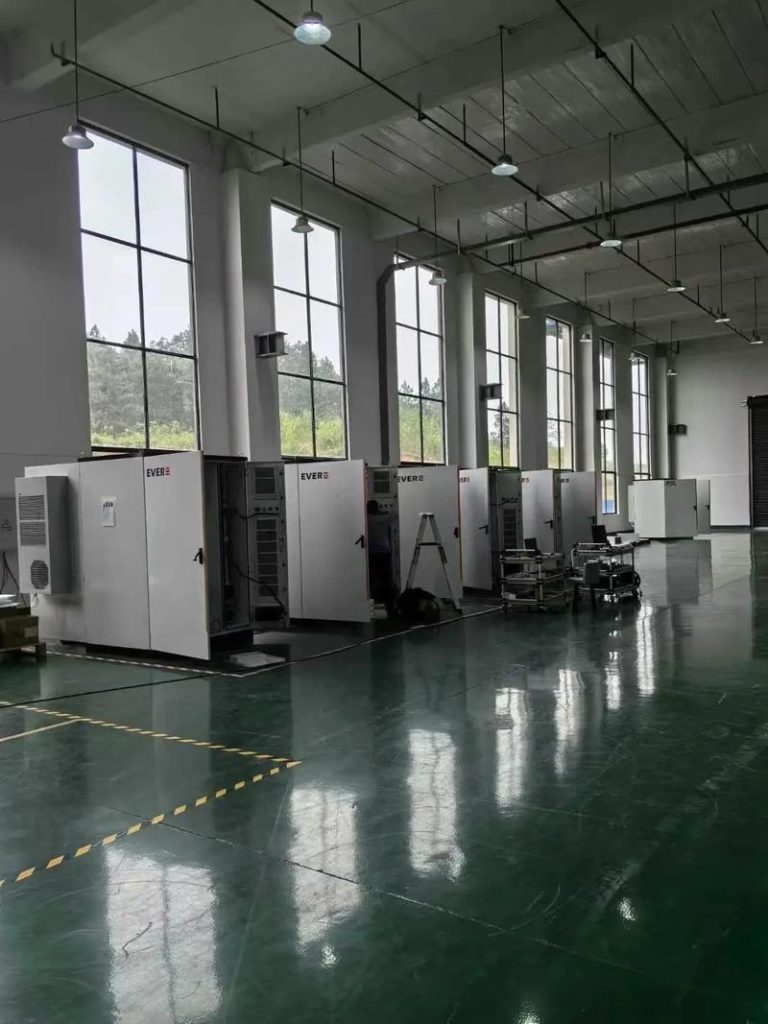
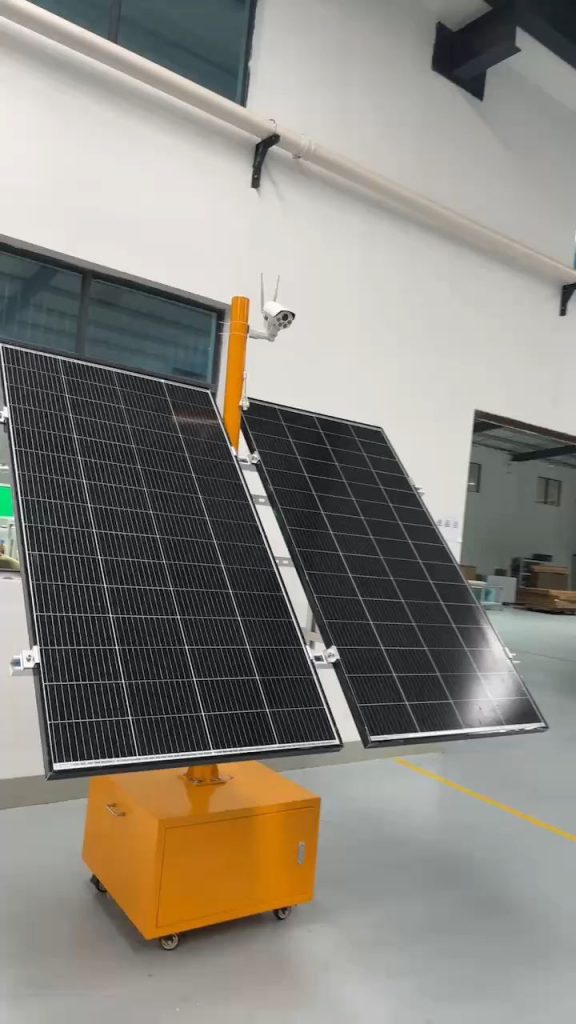
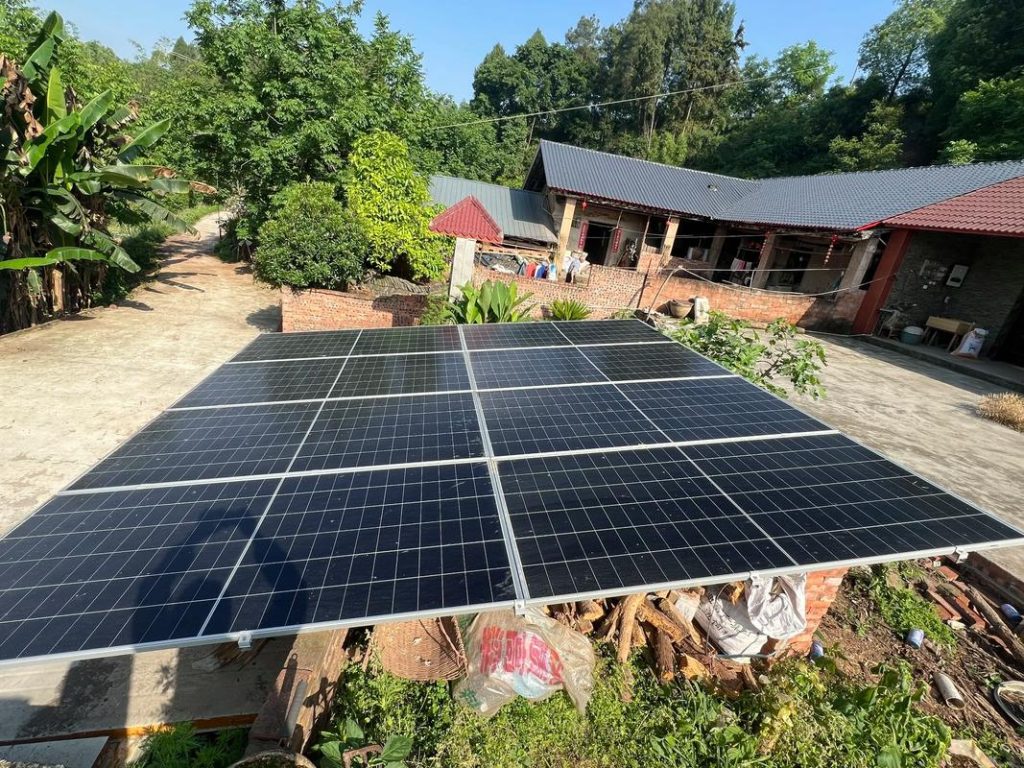
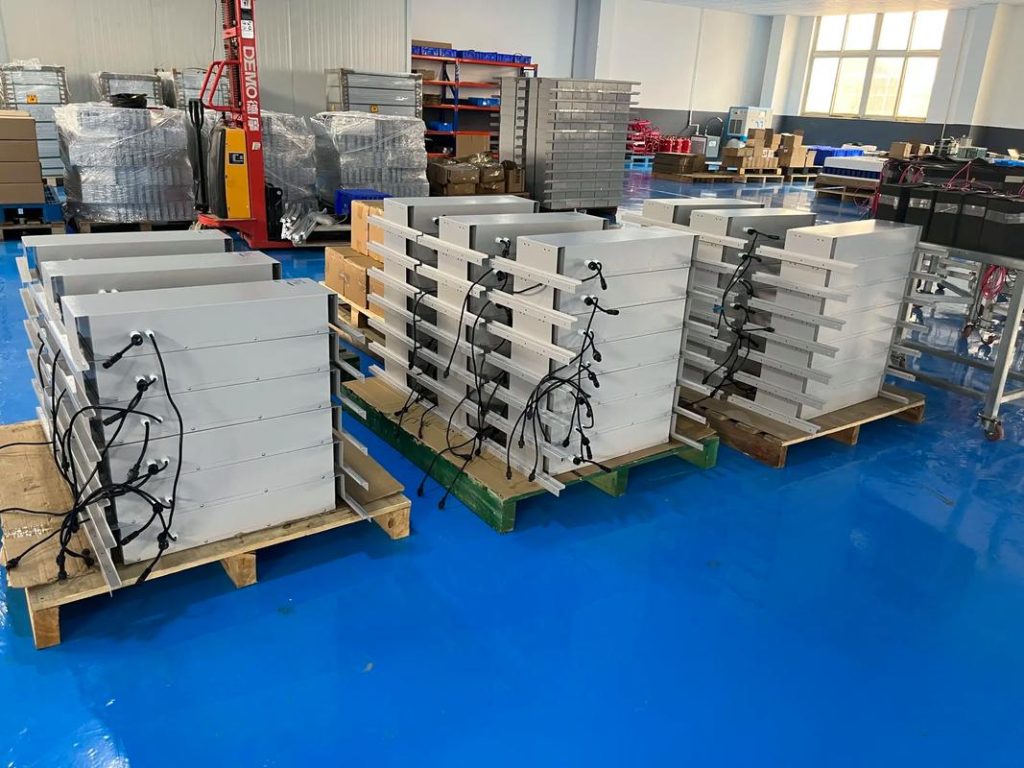
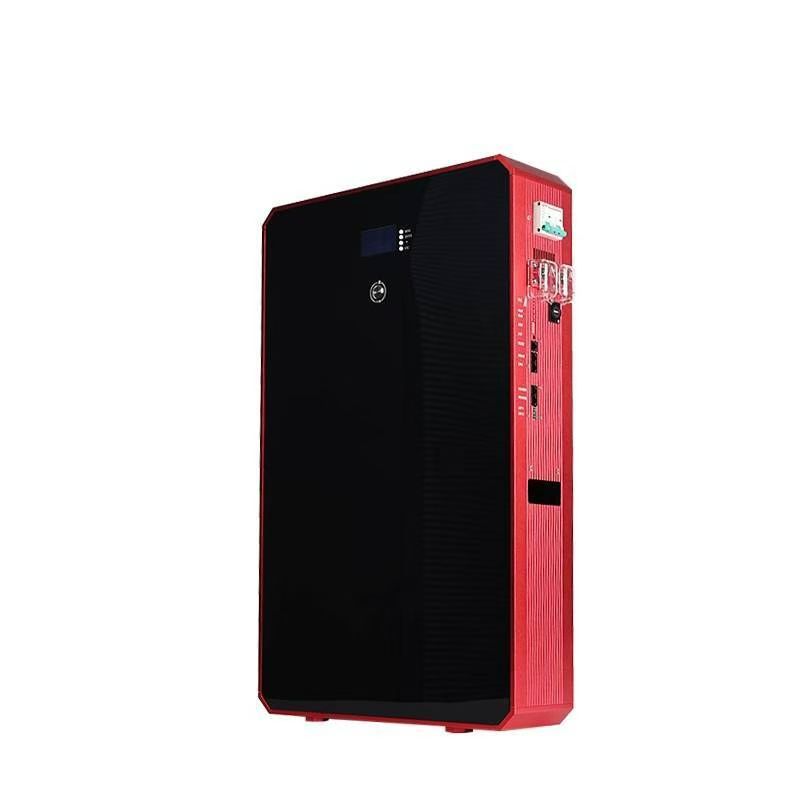
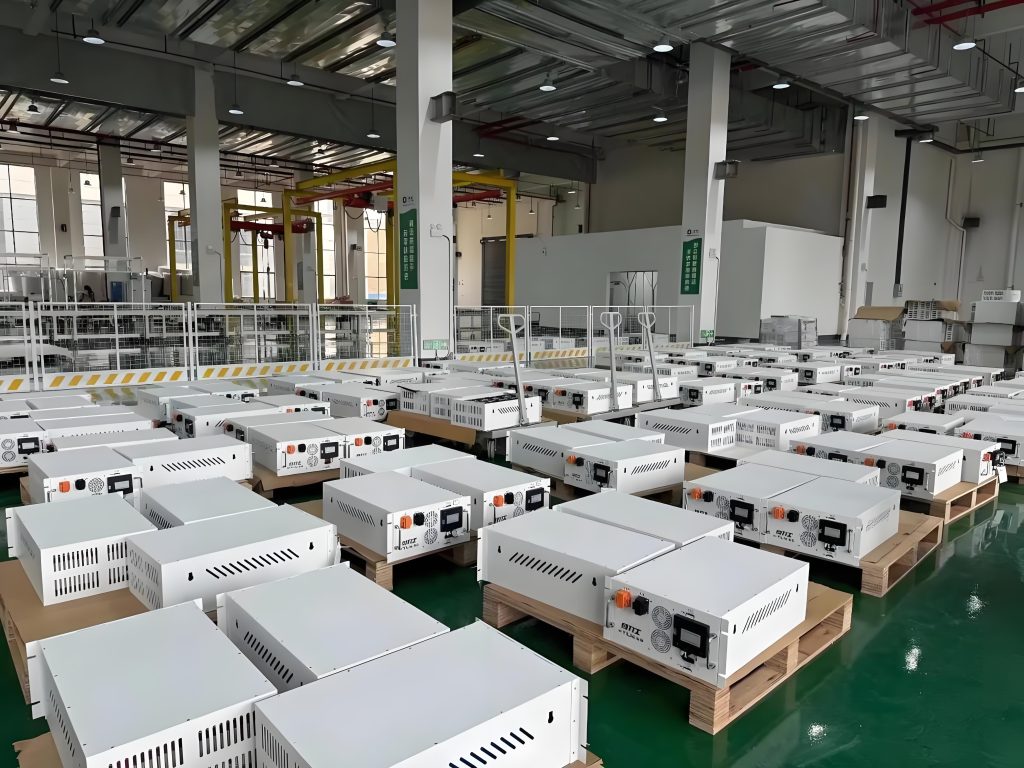
China is not only one of the world’s largest solar panel producers, but also a mature manufacturing hub for solar energy storage systems. For overseas buyers, understanding the different types of energy storage solutions made in China is essential before choosing the right supplier or factory partner.
Unlike simple battery trading, most Chinese manufacturers today offer integrated, application-oriented energy storage systems designed for residential, commercial, industrial, and off-grid use.
2.1 Residential Solar Energy Storage Systems
Residential energy storage is one of the fastest-growing segments globally. Chinese factories manufacture a wide range of home solar battery systems, typically including:
- Lithium iron phosphate (LiFePO₄) battery packs
- Battery management system (BMS)
- Inverter (hybrid or off-grid)
- Smart monitoring modules
These systems are commonly designed for:
- Rooftop solar self-consumption
- Backup power during outages
- Reducing electricity bills through peak-shaving
Most residential units range from 5kWh to 30kWh, with wall-mounted and floor-standing designs. Chinese manufacturers often provide OEM and ODM customization, allowing overseas brands to adjust:
- Battery capacity
- Housing design
- Communication protocols
- Branding and packaging
This flexibility is one reason many international solar brands source their residential energy storage products directly from China.
2.2 Commercial and Industrial (C&I) Energy Storage Systems
For factories, warehouses, shopping centers, and office buildings, Chinese manufacturers offer commercial and industrial energy storage systems with higher capacity and power output.
Typical features include:
- Modular battery cabinets
- High-voltage battery architecture
- Centralized or distributed inverters
- EMS (Energy Management System) integration
C&I systems are widely used for:
- Peak demand management
- Load shifting
- Power stability for sensitive equipment
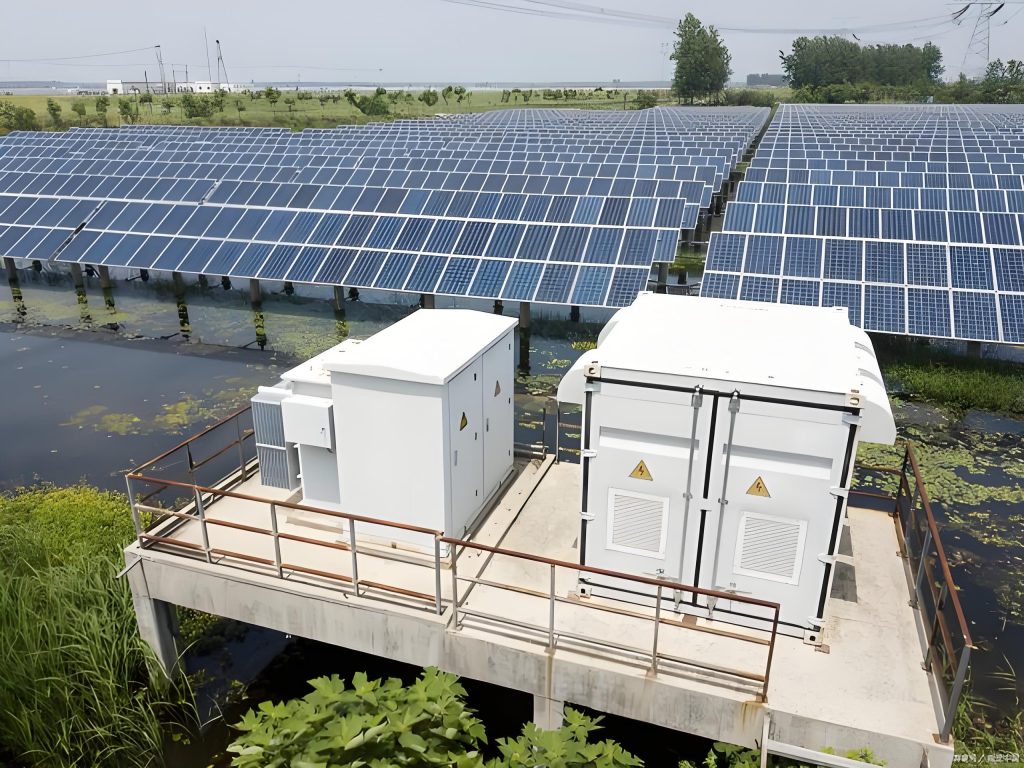
- Integration with solar PV and grid systems
Capacities usually start from 50kWh and can scale to several MWh. Many Chinese factories design these systems to comply with international standards, making them suitable for export markets with strict grid and safety requirements.
2.3 Off-Grid and Hybrid Solar Storage Solutions
In regions with unstable grids or no grid access at all, off-grid solar energy storage systems play a critical role. Chinese manufacturers have extensive experience producing systems for:
- Remote villages
- Islands
- Mining sites
- Agricultural operations
- Emergency and disaster relief
These solutions often combine:
- Solar panels
- Battery storage
- Diesel generator integration
- Smart control systems
Hybrid configurations allow automatic switching between solar, battery, generator, and grid power, ensuring continuous electricity supply.
Because of large-scale domestic and overseas deployment experience, Chinese factories are able to optimize system design for harsh environments, including high temperatures, humidity, and dust conditions.
2.4 Portable and Small-Scale Energy Storage Units
Another fast-growing category is portable solar energy storage. These systems are widely manufactured in China and exported to global markets.
Applications include:
- Outdoor activities
- Emergency backup power
- Mobile workstations
- Small home appliances
Although smaller in capacity, these products require high integration, safety control, and efficient thermal design—areas where Chinese manufacturers have built strong technical capabilities.
2.5 Customized and Integrated Energy Storage Solutions
Beyond standard products, many Chinese solar energy storage factories focus on customized system development. This includes:
- Tailored voltage and capacity configurations
- Integration with existing solar or grid infrastructure
- Special enclosure designs for outdoor or containerized use
- Software and communication customization
For overseas buyers looking to build their own energy storage brand, this customization capability is often more important than purchasing off-the-shelf products.


No reply content