
China Surfboard Yacht Customization Factory
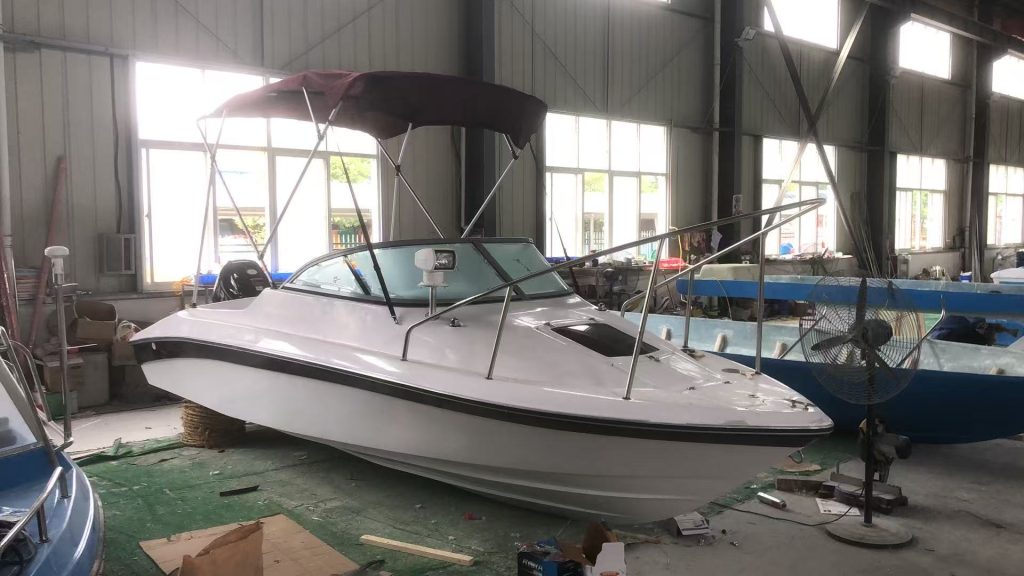
Choosing the right yacht materials and construction method is one of the most important decisions when purchasing a new yacht. The hull material affects weight, durability, maintenance, performance, corrosion resistance, construction cost, and even the type of water where the yacht can be operated.
There is no single material that is best for every yacht. The right choice depends on yacht size, intended use, cruising area, speed requirements, budget, and customization requirements.
1. Fiberglass Yacht Construction
Fiberglass-reinforced plastic, commonly called FRP, is widely used in recreational yacht manufacturing.
Fiberglass yachts can offer several advantages:
-
Flexible hull design
-
Good corrosion resistance
-
Relatively low maintenance
-
Smooth exterior finish
-
Efficient production for repeated models
-
Good suitability for recreational yachts
Manufacturers may use different fiberglass fabrics, resin systems, core materials, and lamination methods.
Buyers should therefore avoid evaluating a yacht simply by asking whether it is “fiberglass.”
Instead, ask for details about:
-
Fiberglass type
-
Resin system
-
Lamination process
-
Hull thickness
-
Structural reinforcement
-
Core materials
-
Stringers
-
Bulkheads
-
Gelcoat or paint system
2. Hand Lay-Up, Vacuum Infusion, and Other Processes
The manufacturing process can have a major impact on the quality of a composite yacht.
Hand Lay-Up
Hand lay-up is a traditional composite manufacturing process.
It can be suitable for customized production, but quality depends heavily on:
-
Worker experience
-
Resin control
-
Fiber placement
-
Lamination consistency
-
Environmental conditions
-
Quality inspection
Vacuum Infusion
Vacuum infusion uses vacuum pressure to draw resin through the reinforcement materials.
Potential advantages include:
-
More consistent resin distribution
-
Better control of laminate quality
-
Reduced excess resin
-
Potentially lower structural weight
However, the process requires proper equipment, materials, engineering, and experienced workers.
Buyers should evaluate the manufacturer’s actual process rather than assuming one manufacturing method automatically guarantees better quality.
3. Aluminum Yacht Construction
Aluminum is another important material used for yacht construction.
It can provide a useful combination of:
-
Strength
-
Relatively low weight
-
Durability
-
Repairability
-
Resistance to certain marine conditions
Aluminum yachts are commonly considered for applications such as:
-
Expedition yachts
-
Fishing vessels
-
Commercial vessels
-
High-speed boats
-
Long-range cruising yachts
However, aluminum construction requires skilled welding and proper design.
Buyers should ask about:
-
Aluminum alloy
-
Plate thickness
-
Welding procedures
-
Structural reinforcement
-
Surface treatment
-
Corrosion protection
-
Insulation
-
Electrical isolation
4. Steel Yacht Construction
Steel is known for its strength and is often used in larger vessels.
Advantages can include:
-
High structural strength
-
Good durability
-
Suitable for larger vessels
-
Relatively straightforward repair in many locations
However, steel is heavier than many alternative materials and requires effective corrosion protection.
A steel yacht may require:
-
Proper surface preparation
-
Protective coatings
-
Regular inspection
-
Corrosion monitoring
-
Appropriate drainage
-
Proper maintenance
Steel can be an appropriate option for certain large yachts, but the design needs to account for its weight and maintenance requirements.
5. Wood and Modern Composite Construction
Wooden yachts remain attractive to some buyers because of their appearance and traditional craftsmanship.
Modern wooden construction can also use advanced composite reinforcement systems.
However, wood requires careful attention to:
-
Moisture control
-
Coating systems
-
Ventilation
-
Structural maintenance
-
Long-term preservation
For buyers primarily interested in low-maintenance ownership, fiberglass or aluminum may be more practical depending on the application.
6. Compare the Main Hull Materials
Material |
Main Advantages |
Main Considerations |
|---|---|---|
Fiberglass |
Corrosion resistance, flexible design, good for recreational yachts |
Composite quality and structural design are important |
Aluminum |
Strong, relatively lightweight, suitable for various applications |
Requires skilled welding and corrosion management |
Steel |
Strong and suitable for large vessels |
Heavy and requires corrosion protection |
Wood |
Traditional appearance and craftsmanship |
Requires careful maintenance |
The best choice depends on the specific yacht rather than the material alone.
7. Consider Yacht Weight
Weight has a direct relationship with yacht performance.
A lighter yacht can potentially provide:
-
Faster acceleration
-
Lower fuel consumption
-
Higher efficiency
-
Reduced engine requirements
But reducing weight should not mean compromising structural integrity.
The manufacturer must balance:
Weight + structural strength + stability + performance + durability
For customized yachts, adding heavy furniture, batteries, equipment, tanks, or decorative materials can substantially affect the final displacement.
8. Evaluate Structural Design
The hull material is only one part of yacht construction.
The structural system is equally important.
Ask about:
-
Stringers
-
Bulkheads
-
Frames
-
Reinforcement
-
Engine beds
-
Deck structure
-
Watertight compartments
-
Structural bonding
-
Welding quality
A well-designed yacht should have a structural system appropriate for its size, operating environment, and intended performance.
9. Marine-Grade Materials Matter
Yachts operate in a demanding environment involving:
-
Salt water
-
Humidity
-
UV exposure
-
Temperature changes
-
Vibration
-
Mechanical loads
Therefore, materials used inside the yacht should be selected appropriately.
This applies to:
-
Stainless steel
-
Fasteners
-
Wiring
-
Plumbing
-
Flooring
-
Upholstery
-
Paint
-
Adhesives
-
Sealants
-
Electrical components
Using unsuitable materials can lead to premature corrosion, deterioration, or maintenance problems.
10. Pay Attention to Stainless Steel
Stainless-steel components are commonly used for:
-
Railings
-
Handrails
-
Fasteners
-
Fixtures
-
Ladders
-
Exterior fittings
However, “stainless steel” is not a complete specification.
Ask the manufacturer which grade is being used and where it will be installed.
For marine applications, the appropriate grade depends on the environment and component requirements.
11. Evaluate the Paint and Surface Protection
A yacht’s exterior finish is not only about appearance.
A suitable coating system helps protect the vessel against:
-
UV exposure
-
Moisture
-
Salt
-
Corrosion
-
Mechanical wear
Ask about:
-
Surface preparation
-
Primer
-
Undercoat
-
Topcoat
-
Antifouling system
-
Application process
-
Inspection standards
For metal yachts, proper surface preparation and coating are particularly important.
12. Check Insulation and Soundproofing
Interior comfort depends partly on the construction materials and installation methods.
A yacht may require insulation for:
-
Engine-room noise
-
Heat
-
Air conditioning
-
Condensation
-
Vibration
Good insulation can improve:
-
Cabin comfort
-
Temperature control
-
Noise levels
-
Energy efficiency
Ask the manufacturer which insulation materials are used and where they are installed.
13. Engine-Room Construction Is Critical
The engine room should provide sufficient:
-
Ventilation
-
Cooling
-
Drainage
-
Fire protection
-
Access for maintenance
-
Sound insulation
-
Equipment clearance
A beautifully designed yacht can still become difficult to operate if the engine room is too crowded for routine maintenance.
Before production, ask for an engine-room layout.
Make sure technicians can access:
-
Engines
-
Filters
-
Pumps
-
Batteries
-
Generators
-
Electrical panels
-
Fuel systems
14. Consider Construction Quality, Not Just Materials
Two manufacturers can use the same fiberglass, aluminum, or steel but produce very different yachts.
Construction quality depends on:
-
Engineering
-
Material control
-
Worker experience
-
Production processes
-
Equipment
-
Quality inspection
-
Testing
-
Final assembly
Therefore, buyers should inspect the factory and ask to see completed yachts whenever possible.
15. Ask for Material and Equipment Specifications
Before signing a contract, request a detailed specification sheet.
It should identify:
-
Hull material
-
Structural materials
-
Resin system
-
Core material
-
Aluminum alloy, where applicable
-
Steel grade, where applicable
-
Engine model
-
Electrical components
-
Navigation equipment
-
Interior materials
-
Paint system
-
Safety equipment
Avoid vague descriptions such as “premium materials” without technical specifications.
16. Construction Method Should Match the Yacht’s Purpose
For example:
Family Cruising Yacht
Priorities may include:
-
Comfort
-
Low maintenance
-
Efficient cruising
-
Interior space
-
Storage
High-Speed Yacht
Priorities may include:
-
Low weight
-
Efficient hull design
-
High-performance propulsion
-
Structural strength
Expedition Yacht
Priorities may include:
-
Structural durability
-
Long range
-
Fuel capacity
-
Equipment reliability
-
Cold or remote-weather capability
Commercial Passenger Yacht
Priorities may include:
-
Passenger capacity
-
Safety
-
Durability
-
Regulatory compliance
-
Easy maintenance


No reply content