
Navel oranges are more than just a delicious snack; they are a global symbol of citrus excellence. Known for their sweet, juicy flavor, vibrant color, and seedless convenience, these oranges have become a staple in kitchens, juice markets, and fruit baskets around the world. But when it comes to navel oranges, one country stands out as the most famous producer: the United States, particularly California. This article explores why California leads the world in navel orange production, their health benefits, international trade insights, and practical tips for buyers and consumers alike.
The Origins of Navel Oranges
Navel oranges trace their roots back to Brazil, where a unique mutation produced a sweet, seedless orange with a characteristic “navel” on its blossom end. In the late 19th century, this variety, known as the Washington Navel Orange, was imported to Riverside, California. This single tree laid the foundation for what would become one of the most influential fruit industries in the United States.
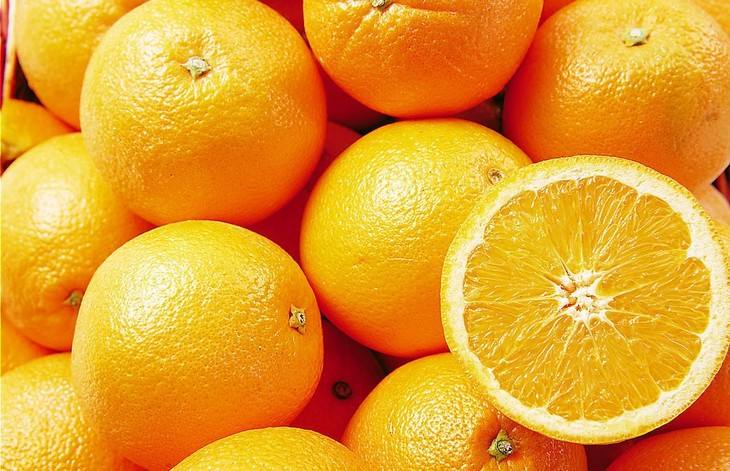
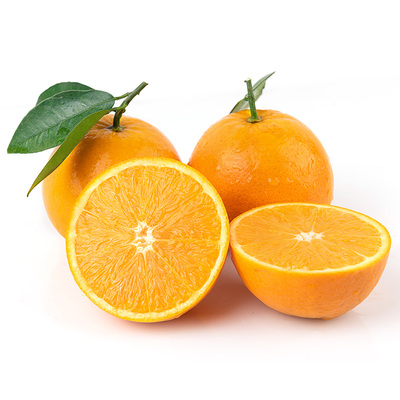
The advantages of navel oranges are clear: they are seedless, easy to peel, and have a naturally sweet flavor that makes them perfect for fresh eating. Unlike other citrus fruits, navel oranges are less acidic and have a thicker rind, which helps them transport well and stay fresh longer—a critical factor for international trade.
Why California Navel Oranges Are World Famous
California has earned a global reputation for navel oranges for several reasons:
-
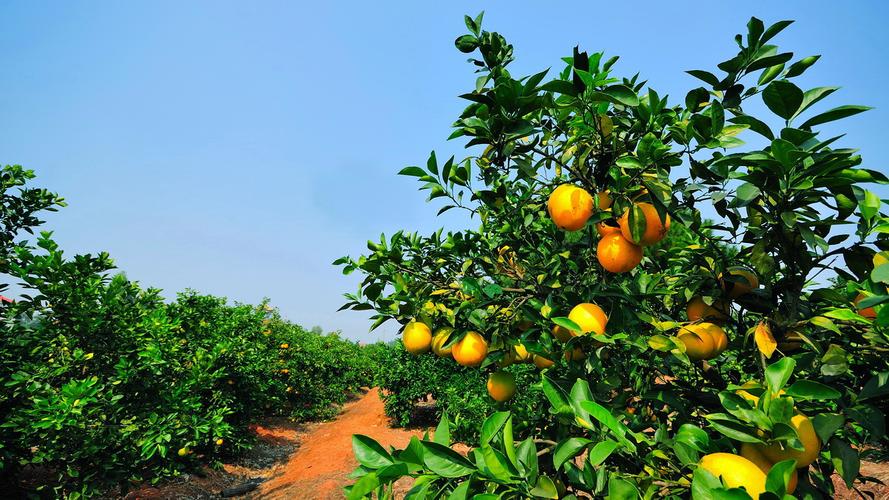
Ideal Climate: California’s Mediterranean climate—with warm, sunny days and cool nights—is perfect for citrus cultivation. The temperature difference between day and night allows sugars to develop fully, giving the oranges their signature sweetness.
-
Rich Soil: Fertile alluvial soil in regions like Riverside, San Bernardino, and Orange County supports healthy citrus trees, producing consistently high-quality fruit.
-
Historical Significance: The Washington Navel tree planted in 1873 became the parent of nearly all navel orange trees in the United States. This historical lineage adds prestige and recognition to California oranges.
-
Advanced Farming Practices: California growers use modern irrigation, pruning, and pest management techniques to maximize yield and quality, setting a standard that other countries often emulate.
-
Brand Recognition: Over decades, California navel oranges have been promoted internationally through exports, citrus festivals, and educational campaigns, solidifying their reputation as the gold standard in sweet, seedless oranges.
Global Production: Who Else Grows Navel Oranges?
While California is the most famous, several countries are key players in navel orange production:
- Spain: Particularly in Valencia and Andalusia, Spain is a leading exporter of navel oranges to Europe and North Africa. Spanish oranges are prized for their flavor and consistent quality.
- South Africa: Exports from South Africa dominate the Southern Hemisphere market, supplying Europe and the Middle East during the off-season of northern producers.
- Australia: Known for smaller-scale but high-quality citrus production, Australian navel oranges are often consumed domestically or exported to nearby Asian markets.
- Mexico: A growing exporter to the United States, Mexican navel oranges provide fresh fruit year-round.
Despite these competitors, California remains synonymous with navel oranges globally due to its historical roots, large-scale production, and international marketing.
Export and International Trade Insights
California navel oranges are in demand worldwide. Major export markets include:
- Canada: The largest importer of U.S. oranges, consuming millions of tons annually.
- Japan and South Korea: High demand for premium, seedless, and fresh fruit varieties.
- Europe: Particularly the United Kingdom and Germany, where consumers favor sweet, easy-to-eat fruit.
Exporters rely on advanced logistics, including refrigerated shipping and careful packaging, to ensure the oranges reach international markets in perfect condition. Navel oranges are often sold both as fresh fruit and as juice concentrate, expanding their commercial value.
Health Benefits of Navel Oranges
Navel oranges are not just tasty; they are also a nutritional powerhouse. Some key benefits include:
- Rich in Vitamin C: Boosts immunity, supports skin health, and aids in wound healing.
- High Fiber Content: Supports digestive health and helps maintain healthy cholesterol levels.
- Antioxidants: Contains flavonoids and carotenoids that protect cells from damage.
- Low Calorie: A perfect healthy snack that satisfies sweet cravings without excess calories.
- Hydration: Composed mostly of water, they help keep the body hydrated.
These qualities make navel oranges appealing to health-conscious consumers worldwide, increasing their market demand.
Tips for Choosing, Storing, and Using Navel Oranges
Choosing Oranges:
- Look for firm, heavy fruit with bright, smooth skin.
- Avoid oranges with soft spots or mold.
- Thicker skin often indicates juiciness inside.
Storing Oranges:
- Keep at room temperature for up to a week.
- Refrigerate for longer shelf life (up to 2–3 weeks).
- Avoid storing near ethylene-producing fruits like bananas to prevent premature ripening.
Using Navel Oranges:
- Eat fresh as a snack or in salads.
- Juice them for a refreshing drink.
- Use zest in baking or cooking to add citrus flavor.
- Incorporate into desserts, sauces, or marinades.
How to Import Navel Oranges Internationally
For international buyers, sourcing quality navel oranges requires attention to:
- Supplier Verification: Work with established farms or cooperatives in California, Spain, or South Africa.
- Quality Certification: Look for USDA, GlobalGAP, or equivalent certifications ensuring food safety and quality.
- Seasonality: California oranges are typically harvested from November to June; other countries can fill off-season gaps.
- Logistics: Refrigerated shipping and careful handling maintain freshness.
- Volume & Pricing: Negotiate long-term contracts for stable supply, especially for commercial buyers or juice manufacturers.
With proper planning, importing navel oranges can be a profitable and rewarding business, catering to growing global demand.
Conclusion
Navel oranges are a worldwide favorite, celebrated for their sweetness, convenience, and health benefits. While several countries produce this beloved fruit, California in the United States remains the most famous. Its unique climate, fertile soil, and historical significance have made it the benchmark for quality navel oranges.
For consumers, navel oranges provide a delicious and nutritious snack. For international buyers and traders, they represent a reliable, high-demand product with consistent quality and market recognition. Whether eaten fresh, juiced, or used in recipes, navel oranges continue to delight taste buds around the world.
California navel oranges are more than fruit—they are a legacy of quality, a symbol of sweet citrus excellence, and a key player in global fruit trade.


No reply content