3D Printer Suppliers in Shenzhen China
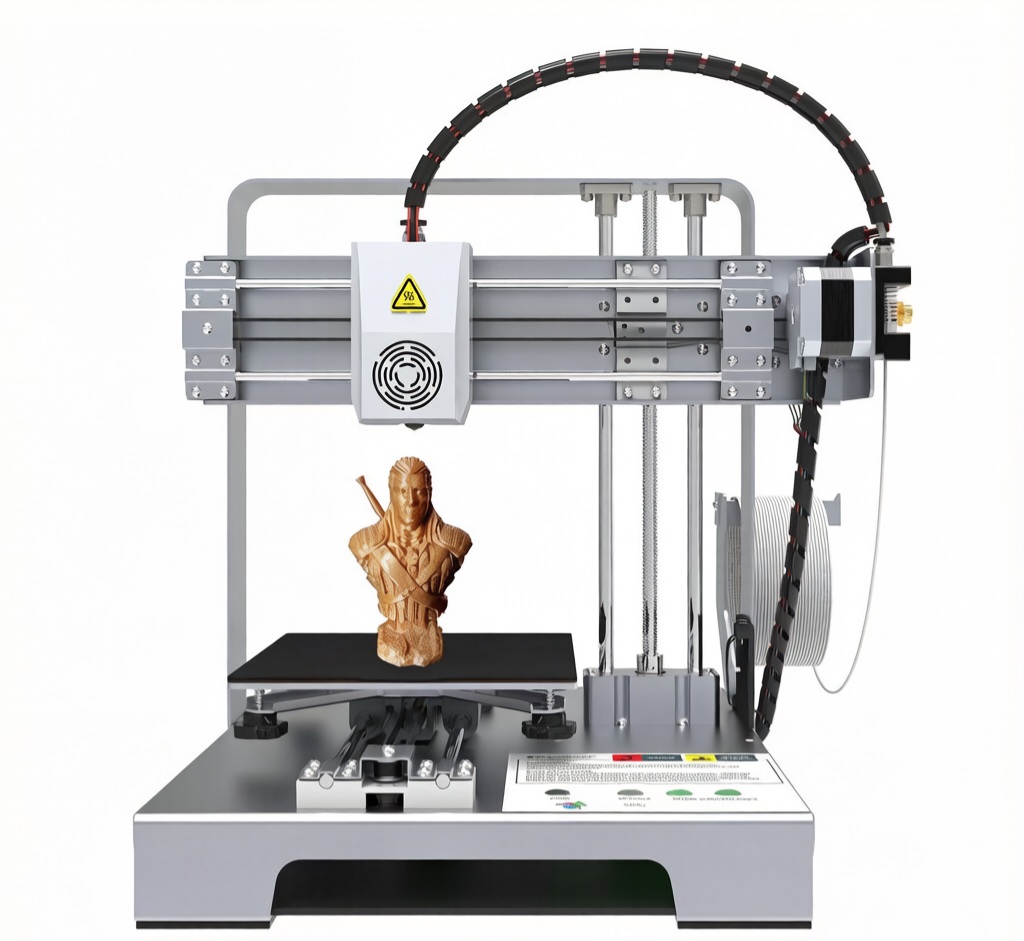
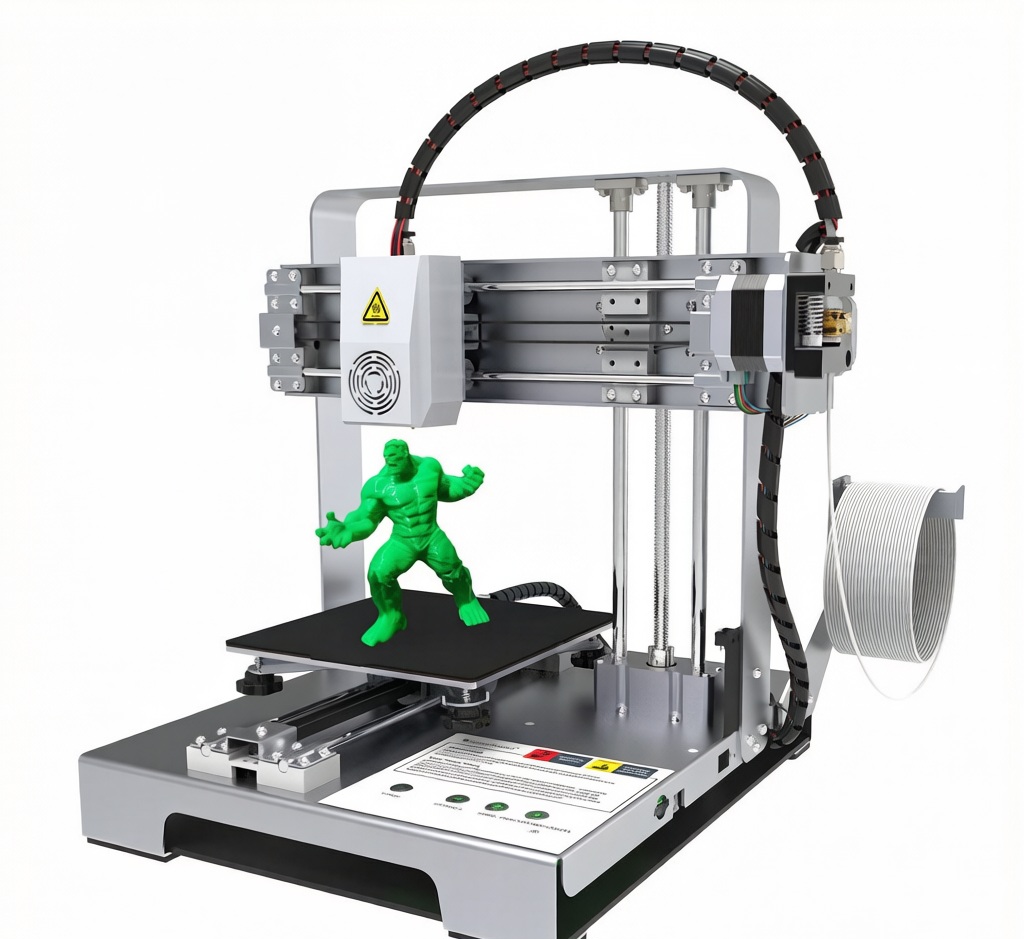
In the competitive landscape of consumer electronics retail, differentiation is achieved not through marginal improvements in specifications, but through strategic alignment with seasonal demand cycles. For distributors and procurement managers in the gift industry, the mini desktop 3D printer represents a high-margin, low-barrier entry point into the STEAM (Science, Technology, Engineering, Arts, Mathematics) toy and gadget category.
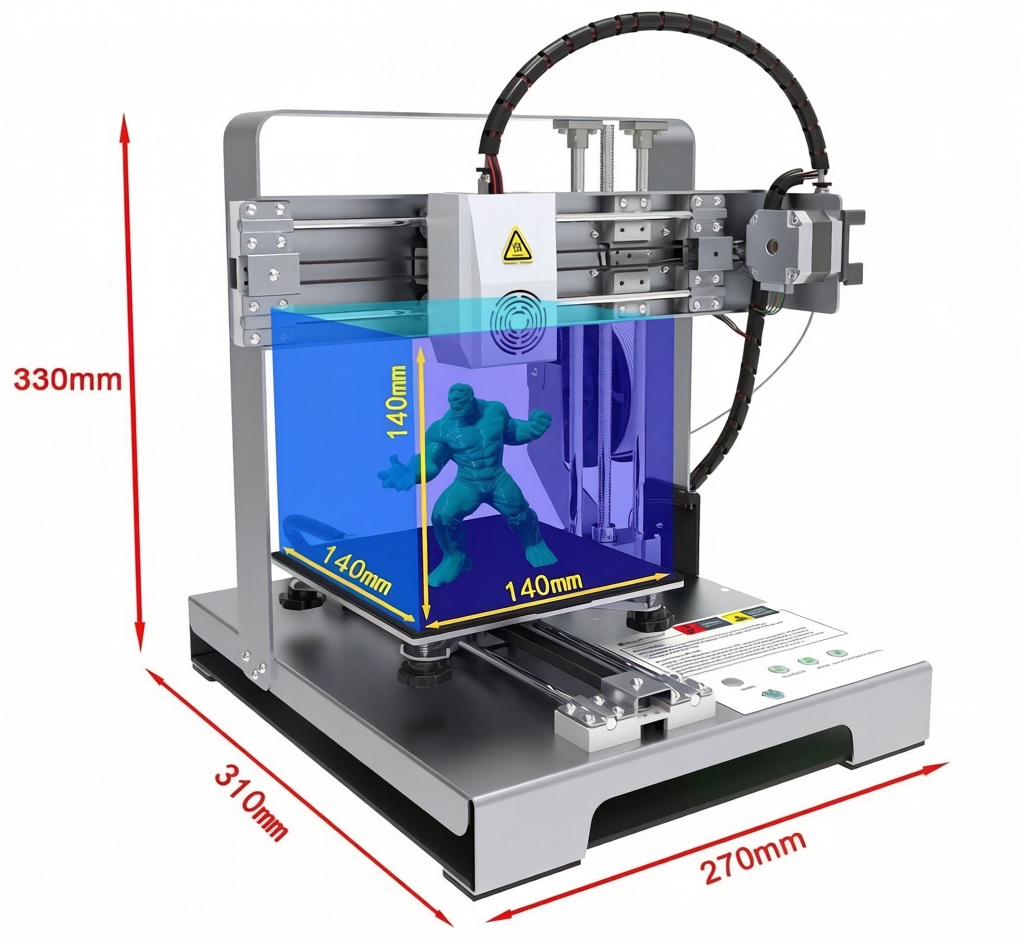
This article examines the logistical and commercial advantages of adopting a white-label strategy for compact 3D printers (e.g., 140×140×140mm build volume) during peak promotional periods.
1. The Logistics of Compact Hardware
The physical dimensions of the mini desktop 3D printer—approximately 27×31×33cm—translate directly into supply chain efficiency. Compared to full-sized industrial machines, these units offer a superior cube utilization rate in shipping containers. Distributors can fit nearly three times the number of units per pallet, drastically reducing freight costs per unit. This compactness is not merely a physical attribute; it is a financial lever that improves margin structures for retailers operating on thin margins during high-volume sales events like Black Friday or the Christmas season.
2. Private Labeling as a Brand Multiplier
Private labeling allows retailers to bypass the commoditization of generic hardware. By applying custom logos and color schemes to the printer’s enclosure and UI splash screen, distributors transform a generic tool into a branded experience. The target demographic—parents seeking educational gifts—places high value on perceived brand authority. Offering a “Store Brand” 3D printer at a competitive price point captures market share from established tech brands without the associated R&D overhead.
3. Low MOQ and Inventory Turnover
Traditional manufacturing requires massive capital lock-in. However, specialized suppliers catering to the gift market often provide flexible Minimum Order Quantities (MOQ). An MOQ of 100–300 units allows boutique gift shops and online sellers to test market response without committing to warehouse-scale inventory. This agility is critical for “trend-chasing” products, where the window of consumer interest may only span one holiday cycle.
4. User Experience: The “Unbox and Create” Factor
For a gift item to succeed, the out-of-box experience must be flawless. The mini desktop printer is engineered for immediate gratification. Features such as auto-leveling, pre-sliced model files on bundled SD cards, and simplified touchscreen interfaces remove the technical intimidation factor. This ensures high customer satisfaction and reduces return rates—a key performance indicator for distributors.
Conclusion
Integrating mini desktop 3D printers into a retail portfolio is a strategic move that capitalizes on the convergence of education, technology, and gifting. By leveraging private labeling and low MOQ options, distributors can offer a unique, high-value product that drives foot traffic and online conversions during critical sales periods.
Frequently Asked Questions (FAQ)
Q1: What is the typical lead time for a private label order?
A: For orders meeting the standard MOQ, production and customization (logo printing and packaging) typically require 20-30 days, excluding shipping time. Rush orders may be accommodated depending on factory capacity.
Q2: Can the packaging be customized to include specific language manuals?
A: Yes, packaging inserts and user manuals can be printed in any language. It is advisable to provide finalized artwork files (AI or PDF format) to ensure color accuracy and layout integrity.
Q3: Are these printers certified for sale in the EU and North America?
A: All units are manufactured under strict quality control and come standard with CE (Europe) and FCC (USA) certifications, ensuring compliance with electromagnetic compatibility and safety regulations.
Q4: What is the warranty policy for white-label products?
A: Standard warranty is typically 12 months for the mainboard and motors, with a 3-month warranty for consumables like nozzles. Extended warranty options can be negotiated for large volume contracts.
Q5: Do you provide marketing assets (photos, videos) for online listings?
A: Yes, high-resolution product photography, 360-degree spins, and demonstration videos are provided to assist with e-commerce listings on platforms like Amazon, eBay, or Shopify.


No reply content