


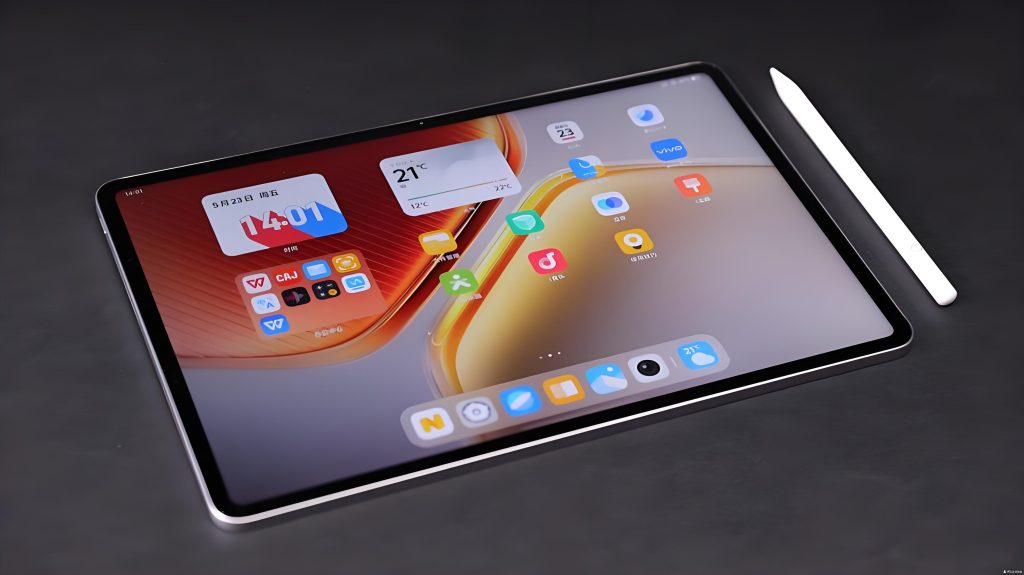
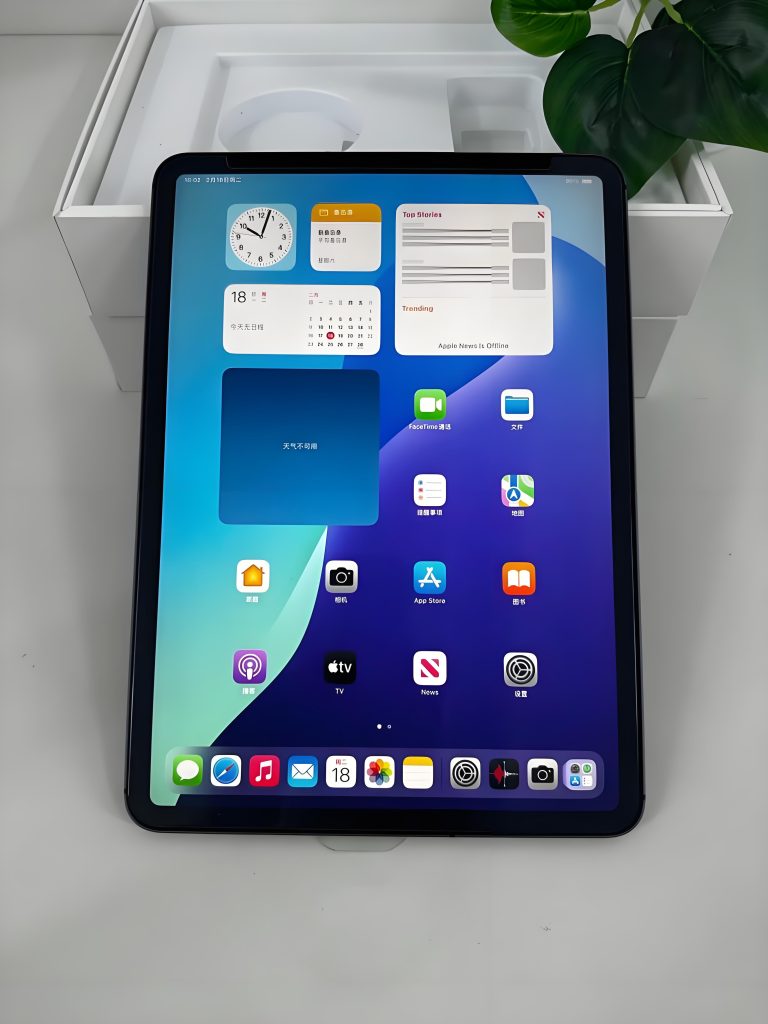
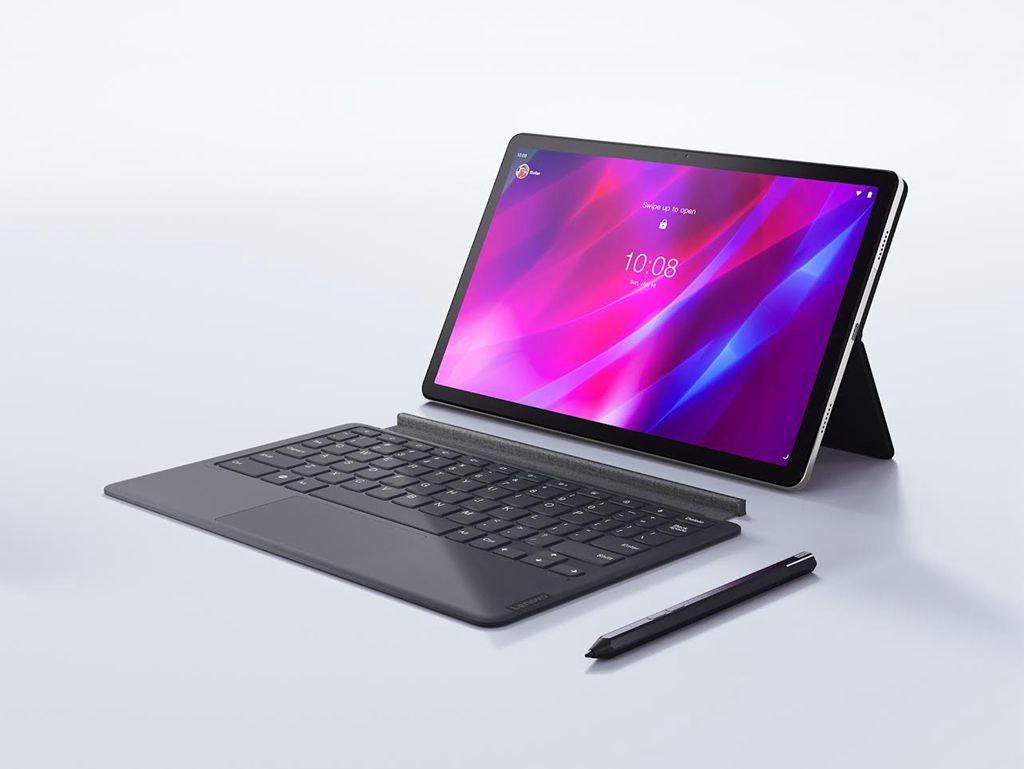
📱 Reliable Tablet Devices Designed for Learning, Work, and Entertainment
Tablet computers have become essential digital devices used in education, business operations, and personal entertainment. With lightweight designs, powerful processors, and versatile connectivity, tablets offer a portable computing solution that bridges the gap between smartphones and traditional computers.📱 Portable touchscreen device for daily use
🎓 Ideal for education and online learning
🏢 Efficient tool for business productivity
🌍 Suitable for global wholesale and distribution
🔋 Long battery life with flexible connectivityModern tablets combine powerful hardware, user-friendly operating systems, and versatile applications, making them one of the most popular consumer electronics products worldwide.
📱 What Is a Tablet Computer?
A tablet computer is a portable electronic device featuring a touchscreen display and integrated computing components. It allows users to perform various tasks such as browsing the internet, watching videos, reading documents, and running applications.
Key characteristics include:
📱 large touchscreen interface
⚙️ compact computing hardware
🔋 rechargeable battery system
🌐 wireless connectivity options
Tablets are designed to provide convenient digital access without the complexity of traditional laptops.
🧠 Core Components of a Modern Tablet
Tablet computers consist of several essential hardware components that determine performance and usability.
Important components include:
⚙️ central processing unit (CPU)
🧠 system memory (RAM)
💾 internal storage system
📺 high-resolution display panel
🔋 rechargeable lithium battery
Each component contributes to the overall speed, responsiveness, and user experience of the device.
📺 Touchscreen Display Technology
The display is the most important part of a tablet device because it allows users to interact directly with the system.
Key display features include:
📺 high-definition screen resolution
🖐️ responsive multi-touch functionality
🌈 vibrant color reproduction
🔆 adjustable brightness for indoor and outdoor use
A clear and responsive display improves user interaction and enhances visual experiences.
⚙️ Tablet Processing Performance
Processing power determines how efficiently a tablet handles applications and multitasking operations.
Performance advantages include:
⚡ faster application launching
📊 smoother multitasking performance
🎮 improved graphics capability
📱 responsive user interface
Balanced hardware design ensures stable performance for daily digital activities.
🔋 Battery Efficiency and Power Management
Battery performance is one of the most important factors when selecting a tablet.
Modern tablets are designed with:
🔋 high-capacity rechargeable batteries
⚡ efficient power consumption technology
⏱️ extended operating time
🔌 convenient charging options
Long battery life allows users to work, study, or enjoy entertainment without frequent charging.
🌐 Connectivity Features in Tablets
Tablets support multiple connectivity technologies that enable communication and data access.
Common connectivity features include:
📶 wireless internet connection
🔵 Bluetooth device pairing
📡 optional mobile data connectivity
💻 USB interface for accessories
These features allow tablets to connect with other devices and online services easily.
🎓 Tablets in Education and Digital Learning
Educational institutions increasingly use tablets to support digital learning environments.
Benefits for education include:
📚 access to digital textbooks
🎓 interactive learning applications
📝 note-taking and document reading
🌍 online research capabilities
Tablets help students access information quickly and enhance classroom learning experiences.
🏢 Tablets for Business and Productivity
Businesses use tablets as portable tools for communication, presentations, and workflow management.
Business advantages include:
📊 mobile office productivity
📧 email and communication access
📈 presentation and reporting tools
🧳 portable device for travel professionals
Tablets provide convenient computing capabilities for modern work environments.
🎮 Entertainment and Multimedia Use
Tablets are also widely used for entertainment activities.
Popular uses include:
🎬 streaming movies and videos
🎮 playing mobile games
🎧 listening to music
📖 reading digital books
Large displays and powerful processors create an immersive multimedia experience.
🧳 Lightweight Design and Portability
Portability is one of the main advantages of tablet devices.
Design benefits include:
⚖️ lightweight structure
📏 slim and compact body
🧳 easy to carry during travel
📱 comfortable one-hand operation
These features make tablets convenient for everyday use.
🏭 Tablet Manufacturing Process
Tablet production involves several stages to ensure quality and performance.
Typical manufacturing steps include:
⚙️ circuit board assembly
📺 display panel integration
🔋 battery installation
📦 system testing and quality inspection
Strict manufacturing processes help ensure reliable device performance.
📦 Bulk Tablet Supply for Global Markets
Tablet computers are widely distributed through global supply chains.
Typical buyers include:
🏪 electronics distributors
🏢 corporate procurement departments
🎓 educational organizations
🌍 international wholesale buyers
Bulk supply supports large-scale projects and commercial distribution.
📈 Growing Demand for Tablet Devices
The demand for tablets continues to grow due to digital transformation and mobile computing trends.
Major market drivers include:
🎓 expansion of online education
📱 growth of mobile productivity tools
🌍 increasing global internet access
🎮 demand for portable entertainment devices
These trends contribute to steady market growth.
📩 Choosing a Reliable Tablet Manufacturer
Buyers sourcing tablet devices should evaluate several important factors.
Key considerations include:
🏭 manufacturing capability
🔍 quality control standards
📦 export packaging experience
⚙️ product customization options
Reliable manufacturing partners ensure stable product supply and consistent quality.
🔮 Future Development of Tablet Technology
Tablet technology continues to evolve with new innovations in hardware and software.
Future trends may include:
⚡ more efficient processors
📺 higher-resolution displays
🔋 longer battery life
🌐 faster connectivity technologies
These improvements will further enhance tablet performance and user experience.
❓ FAQ – Tablet Computers
1. What is a tablet computer used for?
A tablet computer can be used for internet browsing, digital learning, entertainment, business productivity, and communication.
2. Are tablets suitable for students?
Yes. Tablets are widely used by students for reading digital books, accessing learning platforms, and completing assignments.
3. Can tablets connect to wireless networks?
Yes. Most tablets support wireless internet connectivity and Bluetooth for connecting accessories.
4. How long does a tablet battery usually last?
Battery life depends on usage, but modern tablets are designed to operate for many hours on a single charge.
5. Can tablets be used for business work?
Yes. Tablets support productivity applications such as document editing, presentations, and communication tools.
6. Are tablets portable compared to laptops?
Yes. Tablets are generally lighter and more compact than laptops, making them easier to carry and use on the go.


No reply content