
China Umbrella Customization Factory
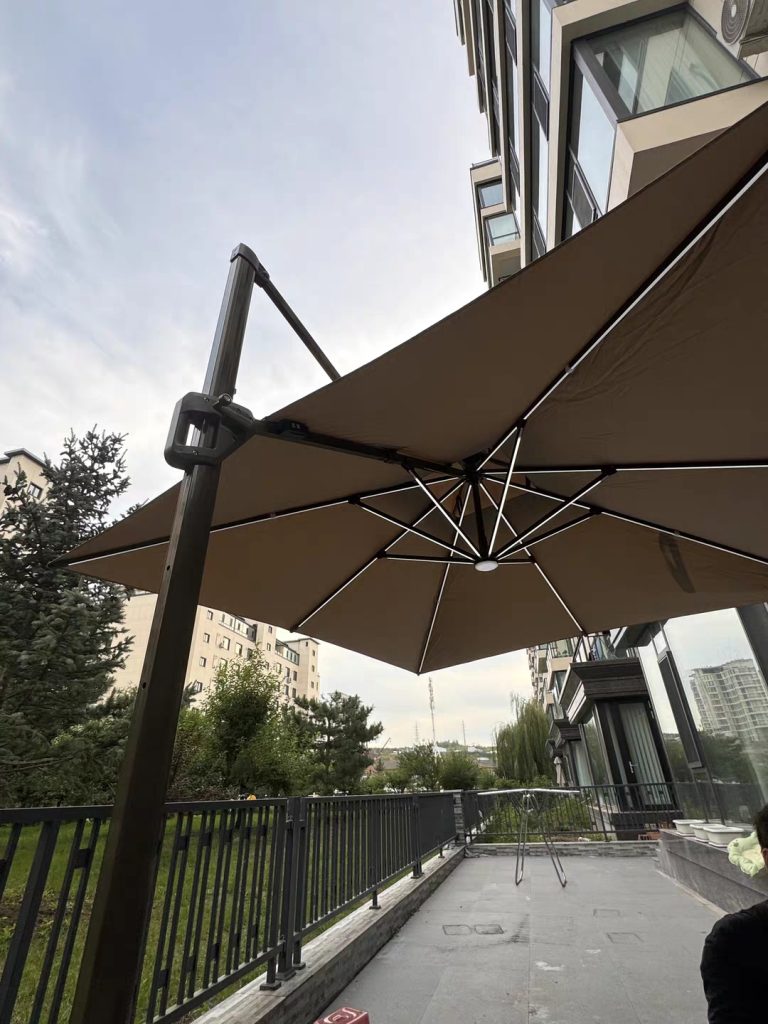
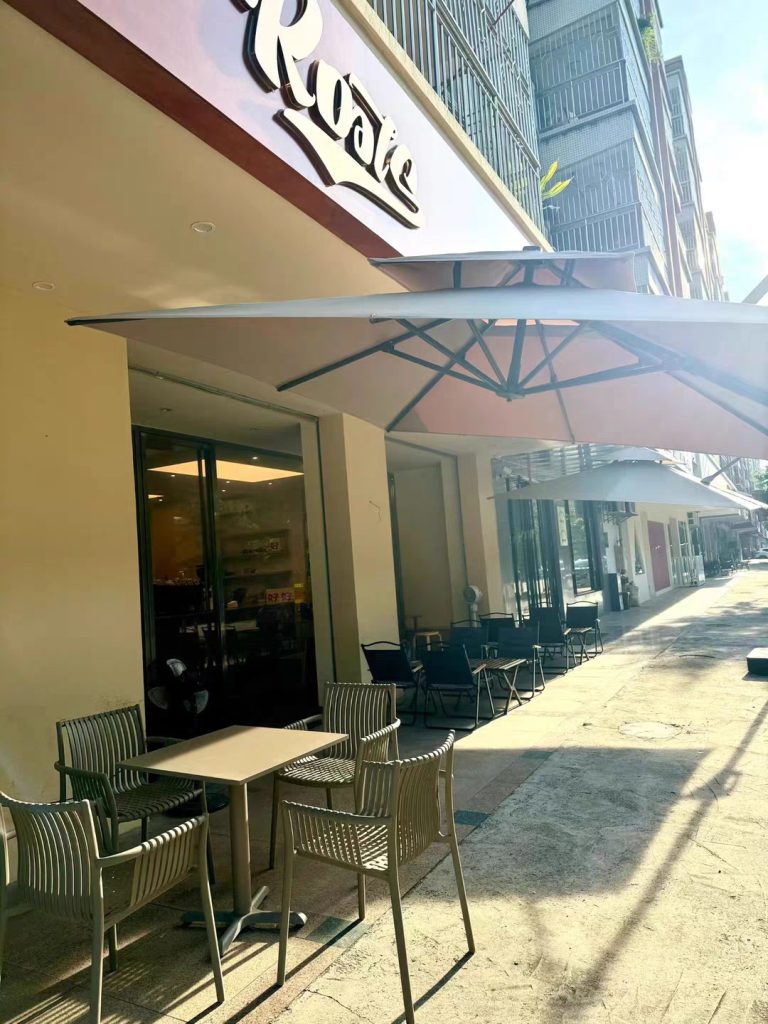
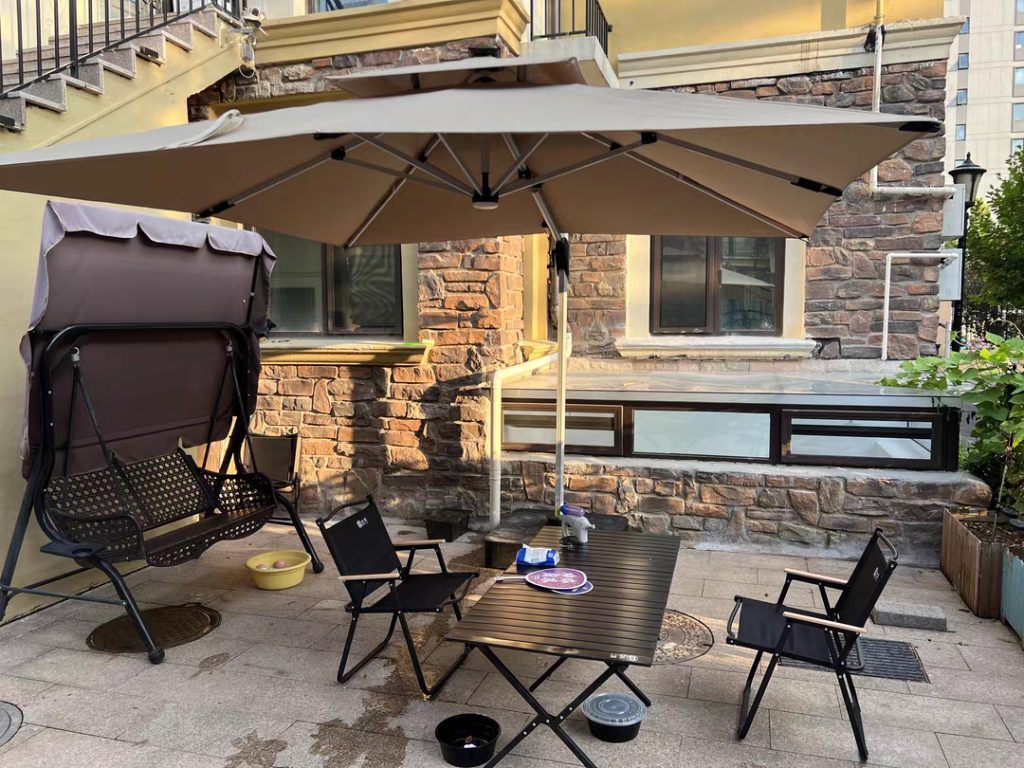
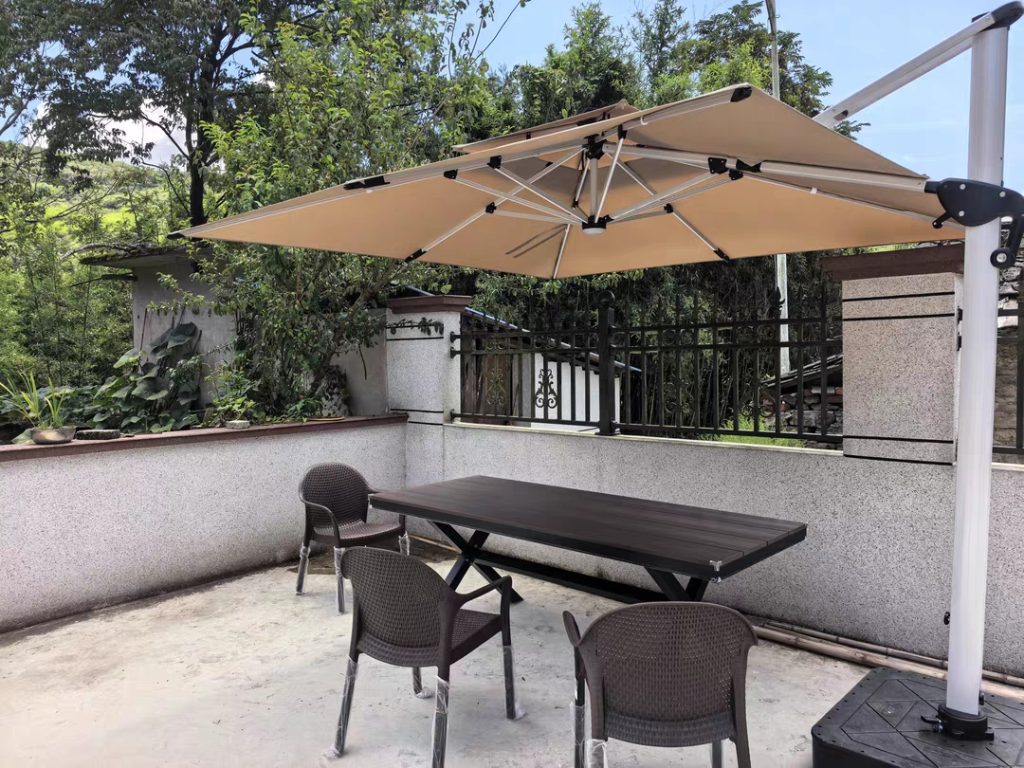
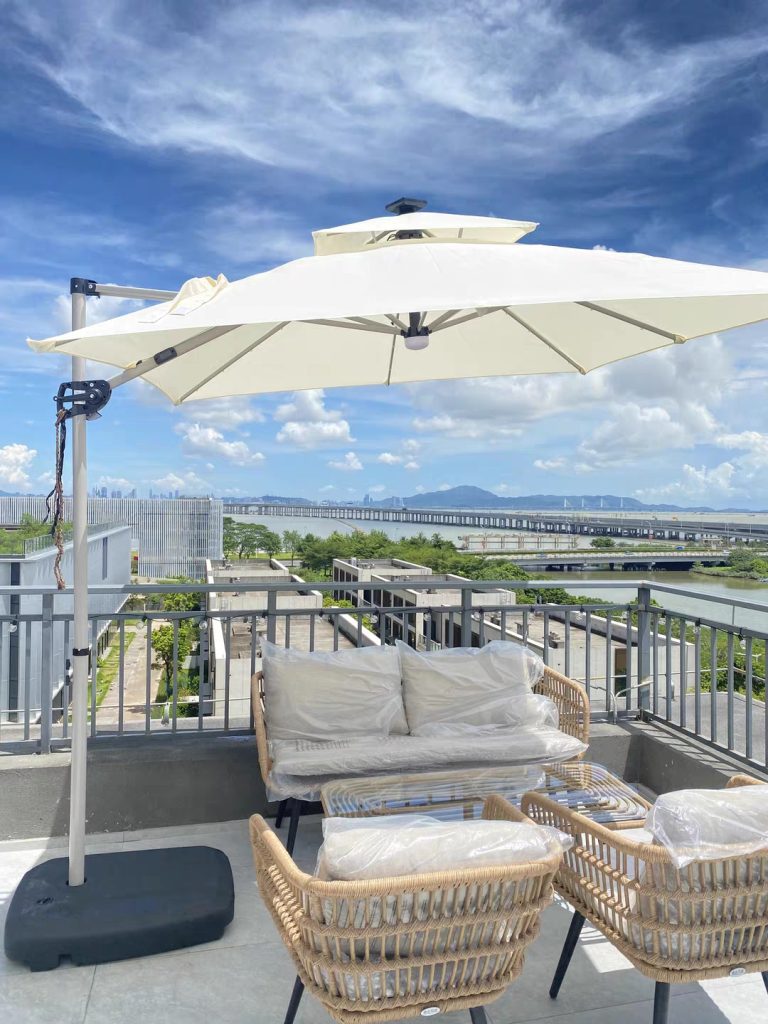
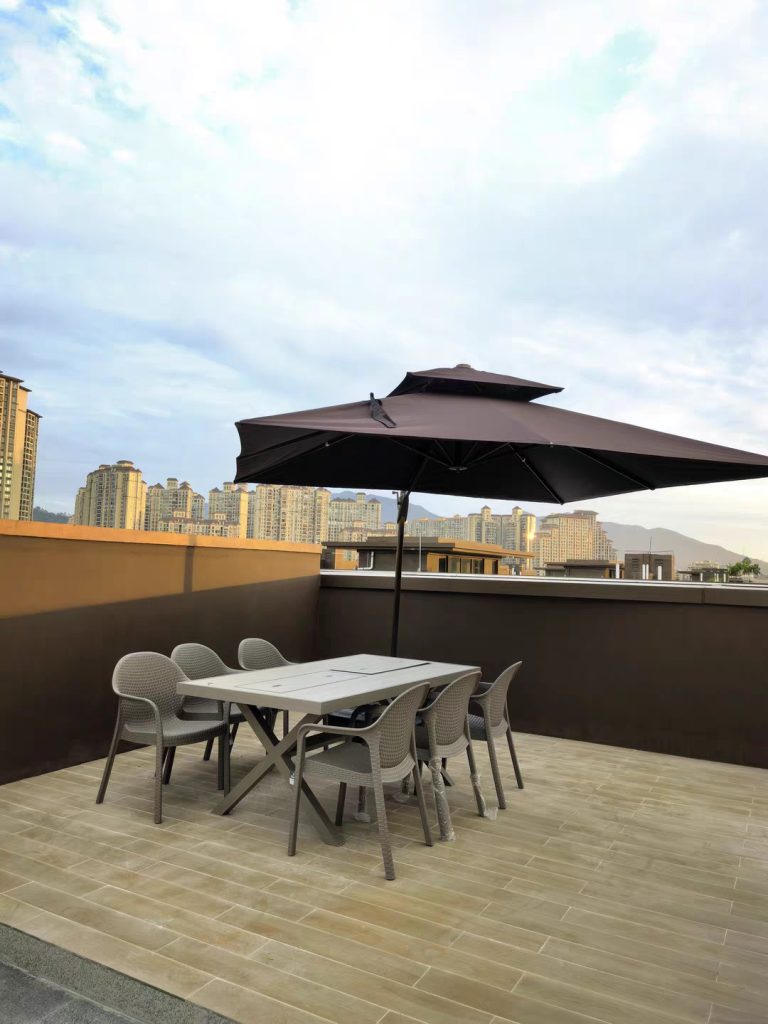
China has solidified its position as the global epicenter for outdoor umbrella manufacturing and wholesale, supplying over 75% of the world’s commercial and residential shade solutions. For retailers, hospitality businesses, and procurement managers, sourcing outdoor umbrellas from China offers unparalleled advantages in cost efficiency, customization, and supply chain reliability. This comprehensive guide explores the intricacies of China’s outdoor umbrella wholesale market, providing actionable insights for buyers seeking to capitalize on this dynamic sector—without relying on generic online content.
1. The Strategic Imperative: Why China Dominates Outdoor Umbrella Wholesale
China’s supremacy in outdoor umbrella wholesale is rooted in a unique convergence of industrial specialization, geographic clustering, and adaptive innovation. Unlike mass-produced rain umbrellas, outdoor models demand rigorous engineering for UV protection, wind resistance, and aesthetic versatility—capabilities honed by decades of focused manufacturing.
A. Industrial Clusters and Specialization
China’s outdoor umbrella production is concentrated in three key regions, each with distinct strengths:
-
Zhejiang Province (Yiwu/Hangzhou): The “World’s Umbrella Capital,” hosting 2,000+ factories specializing in mass-produced commercial umbrellas. Vertical integration (fabric mills, frame workshops, and assembly lines within 50km) enables rapid turnaround (15–30 days) and cost leadership.
-
Guangdong Province (Shenzhen/Dongguan): A tech-driven hub for smart and luxury umbrellas. Proximity to electronics suppliers facilitates innovations like solar-powered LED lighting, Bluetooth-enabled tilt controls, and IoT-integrated weather sensors.
-
Fujian Province (Xiamen/Quanzhou): Focuses on high-end residential and hospitality umbrellas, emphasizing durability testing (wind resistance up to 120 km/h) and premium materials like marine-grade aluminum frames and solution-dyed acrylic fabrics.
These clusters foster collaboration: a Zhejiang factory might source UV-resistant fabrics from Fujian or smart components from Shenzhen, creating a network that balances cost, quality, and innovation.
B. Engineering Excellence for Outdoor Performance
Outdoor umbrellas face extreme environmental stressors—intense UV radiation, heavy rainfall, and high winds—requiring specialized engineering:
-
UV Resistance: Fabrics undergo PU/silicone coating treatments achieving UPF 50+ ratings (blocking 98% of UV rays), with durability validated through 500+ hours of accelerated weathering tests.
-
Windproof Designs: Reinforced 8–12 rib frames with vented canopies reduce wind load by 40%. Leading factories employ wind tunnel testing to optimize structural integrity.
-
Material Innovation: Beyond traditional polyester, suppliers offer eco-friendly recycled PET (from ocean plastics), bamboo handles, and carbon fiber frames (50% lighter than steel).
C. Scalability and Customization at Low MOQs
Chinese wholesalers excel at bridging mass production with customization:
-
Flexible MOQs: Minimum order quantities start at 50–100 units for custom designs (vs. 1,000+ units in other hubs), enabled by modular production lines.
-
Full-Service Customization: OEM/ODM capabilities include logo embroidery, Pantone color matching, size adjustments (6–13 ft diameters), and feature integration (LED lighting, solar panels).
2. Navigating China’s Outdoor Umbrella Wholesale Marketplace
A. Key Supplier Categories
-
Factory Direct Wholesalers: Large manufacturers (500+ employees) with in-house R&D and QC. Ideal for bulk orders (10,000+ units) and complex customizations. Examples include Hangzhou Paradise Umbrella (patio umbrellas) and Shenzhen Smart Umbrella Tech (tech-integrated models).
-
Trading Companies: Aggregators sourcing from multiple factories. Offer convenience (single point of contact) but add 10–20% markup. Best for small buyers (<500 units).
-
Boutique Workshops: Family-run operations (10–50 employees) specializing in niche markets (luxury handcrafted umbrellas, vintage designs). Excel in customization but lack scalability.
B. Critical Evaluation Metrics
Selecting the right supplier requires assessing:
-
Production Capacity: Verify monthly output (e.g., 500,000 units/year for large factories) and equipment (CNC machines, automated sewing lines).
-
Quality Certifications: Prioritize ISO 9001 (quality management), BSCI (ethical labor), and material-specific certifications (OEKO-TEX for fabrics).
-
Track Record: Request case studies (e.g., “Supplied 5,000 umbrellas to Marriott resorts”) and client references.
-
Communication: Assess English proficiency, response time (ideal: <24 hours), and willingness to share factory videos or arrange virtual tours.
C. Red Flags to Avoid
-
Unrealistically Low Prices: Quotes 30% below market average often indicate compromised materials or hidden fees.
-
Reluctance to Provide Samples: Reputable suppliers offer paid/free samples ($50–$200) for approval.
-
Lack of Business Registration: Verify licenses via China’s AIC (Administration for Industry and Commerce) database.
3. The Procurement Process: From Inquiry to Delivery
A. Pre-Sourcing Preparation
Define clear specifications to avoid costly revisions:
-
Application: Commercial (resorts, cafes) vs. residential (backyards, balconies).
-
Technical Specs: Fabric type (acrylic/PET), frame material (aluminum/carbon fiber), rib count (6–12), and features (tilt mechanism, LED lighting).
-
Budget: Include unit price, tooling fees ($200–$1,000 for custom molds), shipping (sea freight: $1,500–$3,000/container), and duties (5–15% by destination).
B. Supplier Negotiation and Contracting
-
RFQ Submission: Send detailed requests including specs, MOQs, packaging (individual boxes/bulk pallets), and delivery timelines.
-
Sample Approval: Test fabric durability, frame stability, and mechanism smoothness. Allow 2–3 revision rounds.
-
Contract Signing: Include price, quantity, payment terms (30% deposit, 70% before shipment), QC standards (AQL 2.5/1.5), and penalty clauses for delays.
C. Quality Control and Logistics
-
Pre-Production Inspection: Verify raw materials (fabric roll numbers, frame alloy grades) match approved samples.
-
In-Process Checks: For large orders, hire third-party inspectors (SGS/Intertek) to audit work-in-progress.
-
Pre-Shipment Inspection (PSI): Sample 5–10% of the order for defects (broken ribs, faded fabric).
-
Shipping: Use sea freight for bulk (20–40 day transit) or air freight for urgent orders (3–7 days). Partner with freight forwarders for customs clearance (HS code: 6601.10).
4. Overcoming Sourcing Challenges
A. Language and Cultural Barriers
-
Hire Sourcing Agents: Bilingual professionals (common in Yiwu/Shenzhen) handle negotiations, QC, and logistics for 5–10% of order value.
-
Visual Communication: Use CAD drawings, 3D renderings, and reference photos to avoid misinterpretation.
B. Intellectual Property (IP) Protection
-
NDAs and Patents: Sign non-disclosure agreements and file design patents in China and target markets.
-
Controlled Information Sharing: Only provide final designs after securing legal agreements.
C. Supply Chain Resilience
-
Diversify Suppliers: Work with 2–3 factories to mitigate risks (e.g., Chinese New Year shutdowns).
-
Buffer Timelines: Add 2–4 weeks to lead times for unexpected delays.
5. Future Trends: Sustainability, Smart Tech, and Hyper-Personalization
A. Sustainable Manufacturing
-
Eco-Friendly Materials: Recycled PET canopies (1 umbrella = 12 plastic bottles), bamboo handles, and biodegradable packaging.
-
Circular Models: Take-back programs for recycling old umbrellas into new products.
B. Smart Umbrellas 2.0
-
IoT Integration: Sensors syncing with weather apps to auto-close during storms.
-
Energy Harvesting: Solar panels powering LED lights or phone chargers.
C. Hyper-Personalization
-
On-Demand Customization: 3D printing for unique frame designs (MOQs: 20 units).
-
AI Design Tools: Generative AI creates custom patterns based on brand colors/themes.
Conclusion: China as a Strategic Wholesale Partner
Sourcing outdoor umbrellas from China is a strategic imperative for businesses seeking to balance cost, quality, and innovation. By understanding supplier dynamics, implementing rigorous QC, and embracing emerging trends, buyers can secure a competitive edge in the global outdoor living market. China’s wholesale ecosystem—rooted in industrial specialization, technological advancement, and supply chain maturity—remains the gold standard for outdoor shade solutions.
For those ready to act, the path is clear: define your needs, partner with vetted suppliers, and leverage China’s manufacturing prowess to transform your outdoor spaces.


No reply content