
China Diesel Generator Manufacturer
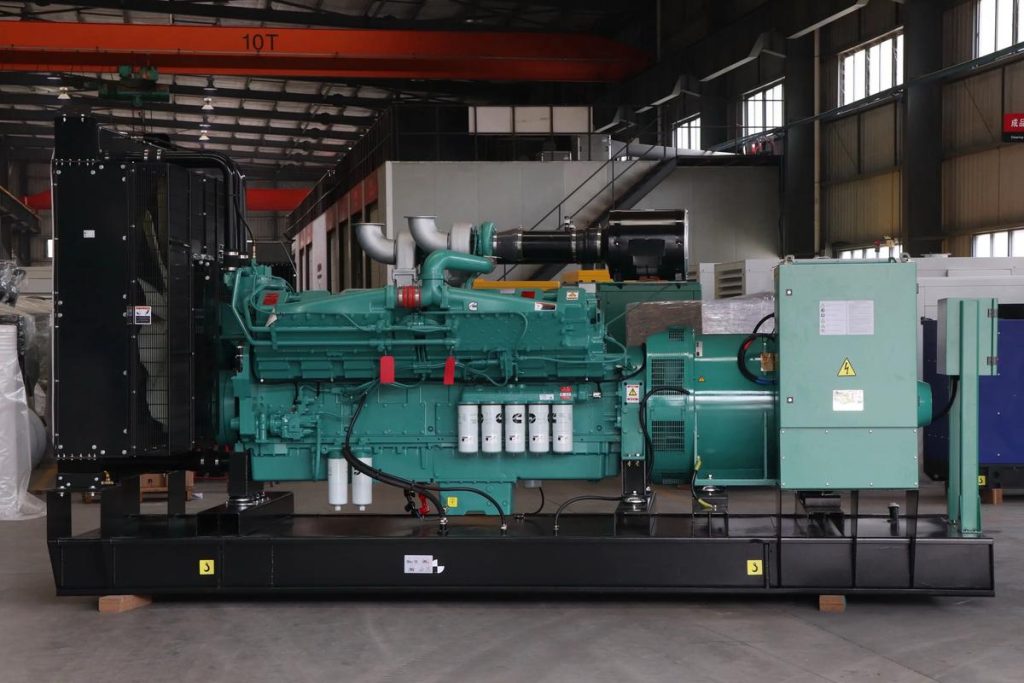

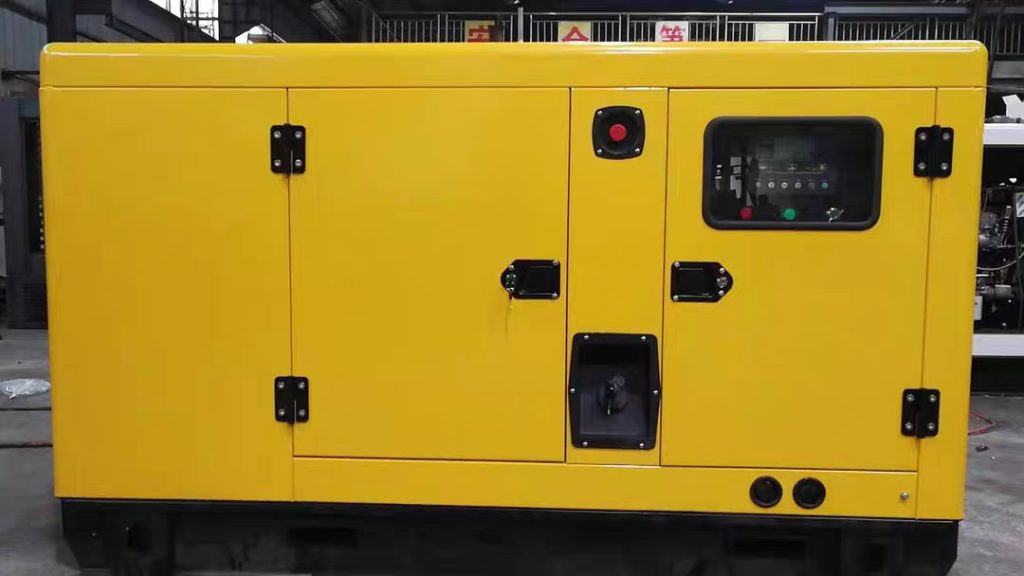
If you have been sourcing a diesel generator recently, you have likely experienced “sticker shock.” You might receive three different quotes for what appears to be the same specification—say, a 200kW unit—with prices ranging from surprisingly cheap to seemingly expensive.
Why is there such a massive gap? In the power generation industry, you do not pay for kilowatts; you pay for reliability. A diesel generator is a complex assembly of an engine, alternator, cooling system, and digital controls. The quality of these components dictates the price.
To help you make an informed decision and avoid costly breakdowns, here are the four core factors that cause price variations.
1. The Engine Brand & Origin (The Heart)
The engine is the most expensive component of any generator set. The brand you choose has the largest impact on the final price tag.
-
Premium Brands (e.g., Cummins, Perkins, Volvo Penta): These engines are engineered for durability, fuel efficiency, and strict emissions compliance. They hold their resale value and have global service networks. They command a higher price but offer peace of mind.
-
Chinese Brands (e.g., Yuchai, SDEC, Weichai): These offer excellent value for money. While traditionally priced lower than Western/European brands, top-tier Chinese engines have improved dramatically in reliability and are a popular choice for cost-sensitive projects where a local service network is available.
-
The “Copycat” Risk: Extremely low quotes often involve unbranded or “rebadged” engines. These lack quality control and are nearly impossible to source spare parts for after two years.
2. The Alternator Quality (The Muscle)
The alternator converts the engine’s mechanical energy into electrical energy. A poor-quality alternator will cause voltage fluctuations that can destroy sensitive equipment like CNC machines or servers.
-
Stamford & Leroy-Somer: These are the global gold standards. They are brushless, highly efficient, and handle motor starting loads effortlessly.
-
OEM / Economy Brands: Many reputable manufacturers use high-quality in-house alternators. However, budget suppliers often use cheap copper-clad aluminum windings instead of 100% pure copper. Aluminum runs hotter and fails much faster, which is a hidden cost trap.
3. The Cooling & Soundproof Canopy (The Shell)
Where will your generator operate?
-
Open Skid vs. Soundproof Enclosure: An open unit is cheaper but is only suitable for remote, outdoor locations. A soundproof canopy uses heavy-gauge steel and specialized acoustic foam to reduce noise (often down to 65-75 dB at 7 meters), which is essential for urban or residential areas.
-
Weatherproofing: If the unit is outdoors, a galvanized, powder-coated enclosure prevents rust and corrosion, adding to the manufacturing cost but extending the machine’s lifespan significantly.
4. Control Systems & Emissions Compliance
Modern generators are “smart.”
-
Basic Panel vs. Deep Sea / ComAp: A basic controller simply starts and stops the machine. Premium controllers (like UK-made Deep Sea) offer advanced diagnostics, remote monitoring via GSM/Internet, and automatic transfer switch (ATS) synchronization.
-
Tier 4 Final / Stage V Compliance: If you are buying for the North American or European markets, environmental regulations dictate strict emissions standards. Engines equipped with Diesel Particulate Filters (DPF) or Selective Catalytic Reduction (SCR) systems are significantly more expensive than standard industrial engines due to the complex after-treatment technology required.


No reply content