

The way families consume electricity is changing. Rising energy costs, environmental concerns, and advances in renewable technology have led many homeowners to consider household solar power generation. While some view it as a way to save on utility bills, more families are discovering that solar energy offers long-term benefits that extend far beyond immediate savings.
This article explores why residential solar power is becoming a preferred choice, how it impacts daily life, and why it represents a smart long-term investment for families worldwide.
The Shift Toward Residential Solar
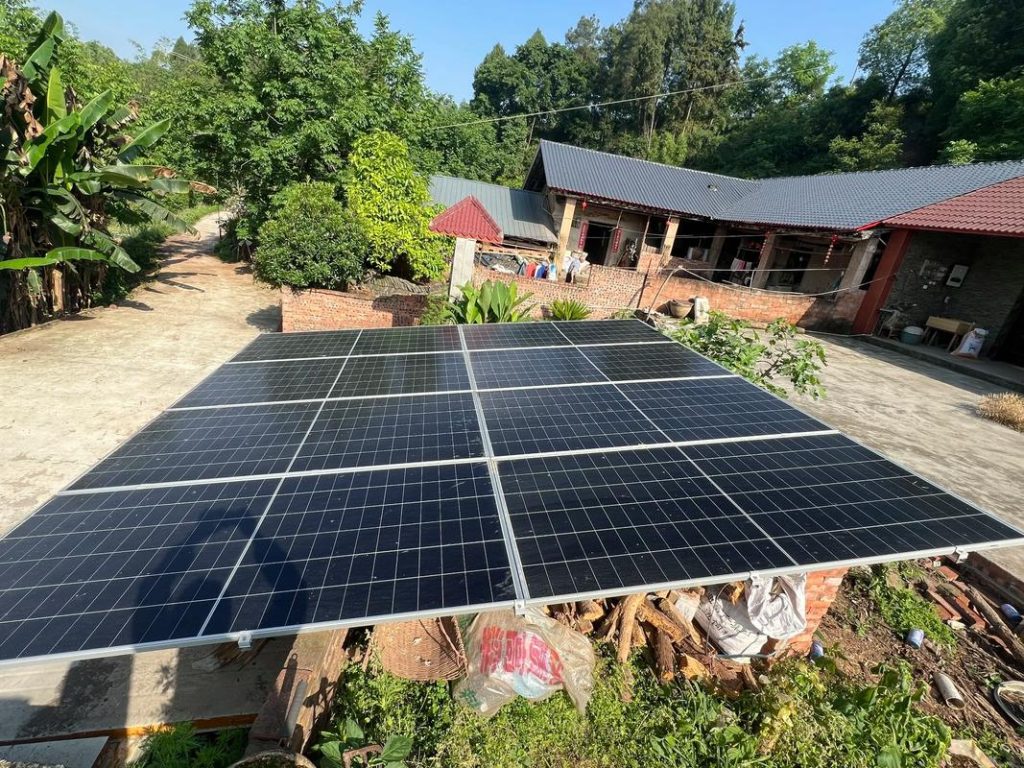
For decades, electricity consumption was passive: households relied entirely on utility companies. Today, solar power allows families to take control of their energy production. Homeowners are no longer just consumers; they are now producers, shaping how, when, and how much energy they use.
This shift is particularly relevant in regions where energy prices fluctuate or power grids are unreliable. Solar energy provides stability, independence, and predictable costs.
Key Reasons Families Are Adopting Solar Power
1. Rising Electricity Prices
Utility bills have increased steadily in many parts of the world. By generating electricity at home, families can reduce dependence on the grid and protect themselves from unpredictable energy costs. Over time, these savings can be significant, especially in regions with high electricity tariffs.
2. Environmental Responsibility
Many families are motivated by environmental concerns. Household solar power reduces greenhouse gas emissions and reliance on fossil fuels. For environmentally conscious homeowners, investing in solar is a practical way to contribute to a cleaner planet.
3. Energy Independence
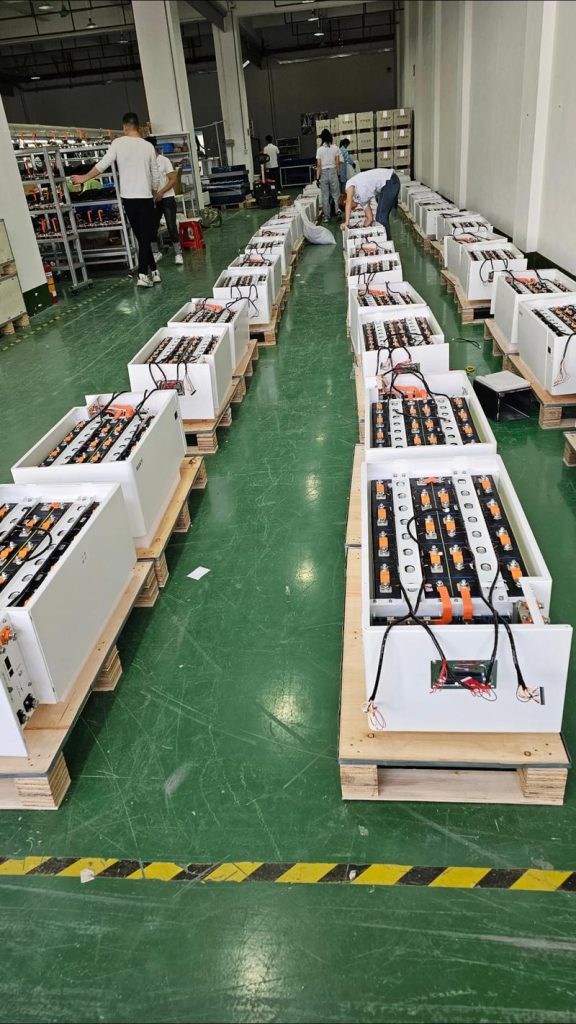
Solar systems, particularly those with battery storage, allow homes to maintain electricity supply during outages or grid failures. Energy independence gives families peace of mind and ensures that essential appliances continue to operate even in emergencies.
4. Long-Term Investment
Unlike appliances that depreciate quickly, solar power systems are long-term assets. Panels typically last 25 years or more, offering consistent electricity production. In addition, solar-equipped homes often have higher property values and appeal to buyers who prioritize energy efficiency.
How Solar Power Impacts Daily Life
Living in a solar-powered home changes household routines in subtle but meaningful ways:
- Daytime usage optimization: Appliances such as washing machines, water heaters, and air conditioners can run on solar-generated electricity.
- Awareness of energy habits: Families naturally adjust their routines to maximize solar energy usage, reducing unnecessary waste.
- Evening usage with storage: Excess energy stored in batteries can power lights, electronics, and heating/cooling systems after sunset.
These adjustments do not compromise comfort but instead encourage smarter energy use and efficiency.
Cost Savings and Financial Benefits
While the initial installation cost can be substantial, residential solar systems often pay for themselves within 5–8 years. Factors contributing to financial benefits include:
- Reduced monthly electricity bills
- Government incentives, rebates, and tax credits
- Protection from electricity inflation
- Potential income from selling excess electricity back to the grid
For many families, solar power is both a lifestyle choice and a strategic financial decision.
Overcoming Common Concerns
Some homeowners hesitate to adopt solar power due to misconceptions. Here are common concerns and realities:
-
“Solar panels don’t work in cloudy weather.”
Reality: Panels still generate electricity under diffuse sunlight, although output may be lower than on sunny days. -
“Solar is too expensive.”
Reality: Long-term savings and incentives often outweigh initial costs. -
“Maintenance is complicated.”
Reality: Solar systems require minimal maintenance. Occasional cleaning and performance monitoring are typically sufficient.
Future Trends Influencing Household Solar Adoption
Technological advancements continue to make solar systems more appealing:
- Higher efficiency panels: Produce more electricity per square meter.
- Better battery storage: Enables longer use of stored energy and increased independence.
- Smart home integration: Optimizes energy usage through apps and automation.
- Community solar networks: Allow sharing excess electricity with neighbors or local grids.
These trends make solar a practical and increasingly accessible choice for households globally.
Household Solar as a Lifestyle Choice
Choosing solar power often reflects broader lifestyle priorities. Families who adopt solar energy frequently embrace:
- Energy-efficient appliances
- Electric vehicles
- Sustainable home design
- Smart energy management systems
Solar adoption becomes part of a larger commitment to sustainability, comfort, and long-term planning.
Conclusion
More families are choosing household solar power generation not only to save money but to gain energy independence, reduce environmental impact, and make a long-term investment in their homes.
As technology improves and awareness grows, solar energy is becoming a standard feature of modern living. For homeowners seeking control over energy costs, environmental responsibility, and resilience, solar power represents a practical and forward-thinking choice.


No reply content