

Household solar power generation has quietly shifted from being a niche technology into a mainstream household decision. It is no longer only about saving money on electricity bills or following an environmental trend. For many families, installing a solar power system has become a strategic choice tied to financial stability, energy security, and lifestyle independence.
As global energy markets become increasingly unstable and electricity prices continue to rise, homeowners are rethinking how electricity fits into daily life. Instead of passively paying monthly utility bills, households are actively producing and managing their own power. This change marks a fundamental transformation in how residential energy is consumed and valued.
The Changing Relationship Between Homes and Energy
Traditionally, homes have been passive energy consumers. Electricity flowed in one direction—from centralized power plants to households. Solar power reverses this model.
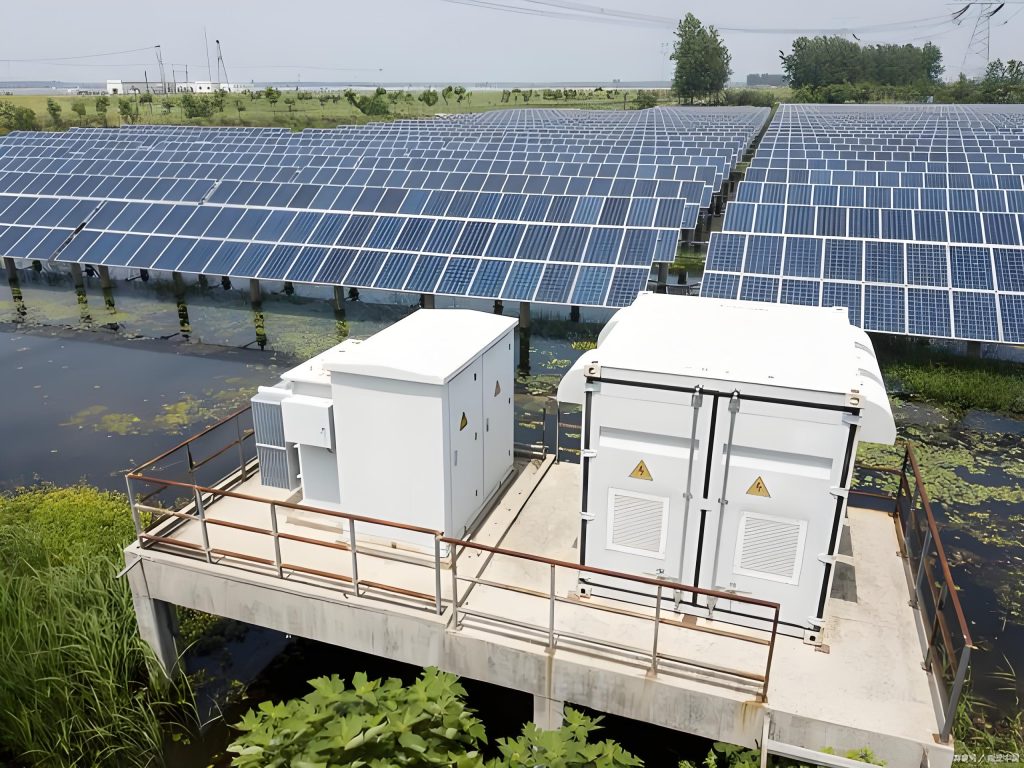
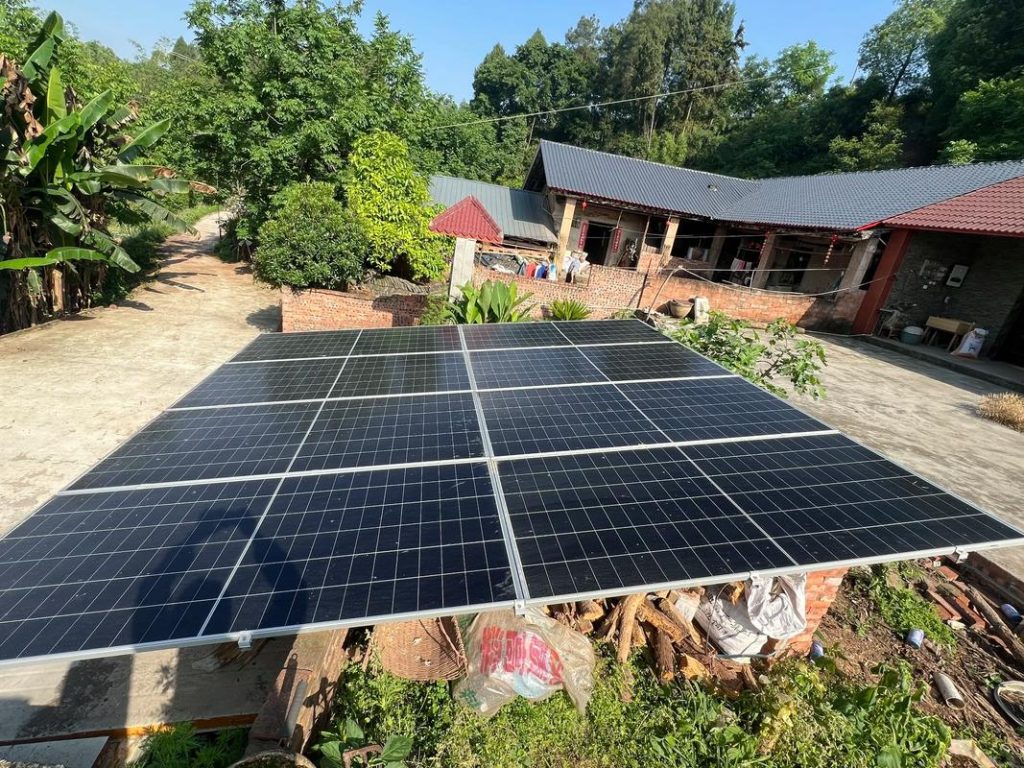
With household solar power generation, homes become small-scale power stations. Energy is produced where it is consumed, reducing losses from long-distance transmission and increasing efficiency. This decentralized approach empowers homeowners to control when, how, and how much electricity they use.
In many countries, this shift has already reshaped the residential energy landscape. Solar-equipped homes are no longer rare or experimental; they represent a growing standard for modern housing.
What Drives the Global Rise of Residential Solar Power?
Rising Electricity Costs
Electricity prices have increased steadily in most regions over the past decade. Fuel shortages, geopolitical conflicts, and aging power infrastructure have all contributed to higher utility costs.
Household solar systems provide a predictable alternative. Once installed, the cost of generating electricity remains largely fixed for decades.
Improved Solar Technology
Modern solar panels are more efficient, more durable, and more affordable than ever before. Even homes with limited roof space can now generate meaningful amounts of electricity using high-efficiency modules.
Greater Awareness of Energy Risks
Power outages, grid failures, and extreme weather events have highlighted the vulnerability of centralized energy systems. Solar power, especially when combined with battery storage, offers resilience that traditional grids cannot always guarantee.
Daily Life With Household Solar Power Generation
Living in a solar-powered home changes how families think about energy usage.
During daylight hours, electricity is generated naturally as sunlight hits the panels. Appliances such as washing machines, air conditioners, water heaters, and kitchen equipment can operate using self-produced energy.
At night, stored energy or grid power fills the gap. Over time, households naturally adjust their habits to align with solar production, maximizing self-consumption and efficiency.
This shift often leads to greater energy awareness without sacrificing comfort or convenience.
Financial Value Beyond Monthly Savings
While lower electricity bills are an obvious benefit, household solar power generation delivers financial value in several additional ways.
Long-Term Cost Stability
Utility prices fluctuate, but sunlight does not. Solar systems lock in energy costs for 20 to 30 years, offering long-term predictability for household budgeting.
Increased Property Appeal
Solar-equipped homes are increasingly attractive to buyers. Energy-efficient properties often sell faster and retain value better during market fluctuations.
Protection Against Inflation
As inflation affects energy prices, solar households are less exposed. Self-generated electricity acts as a hedge against rising living costs.
Understanding System Size and Realistic Expectations
One common misunderstanding is that every household needs a large solar system. In reality, system size should reflect actual consumption patterns.
Smaller systems can offset daytime usage, while larger installations can cover most or all household demand. The goal is not always full independence but optimized efficiency.
A well-designed household solar power system balances:
- Roof space availability
- Average electricity consumption
- Local sunlight conditions
- Budget and future expansion plans
Household Solar Power and Energy Storage
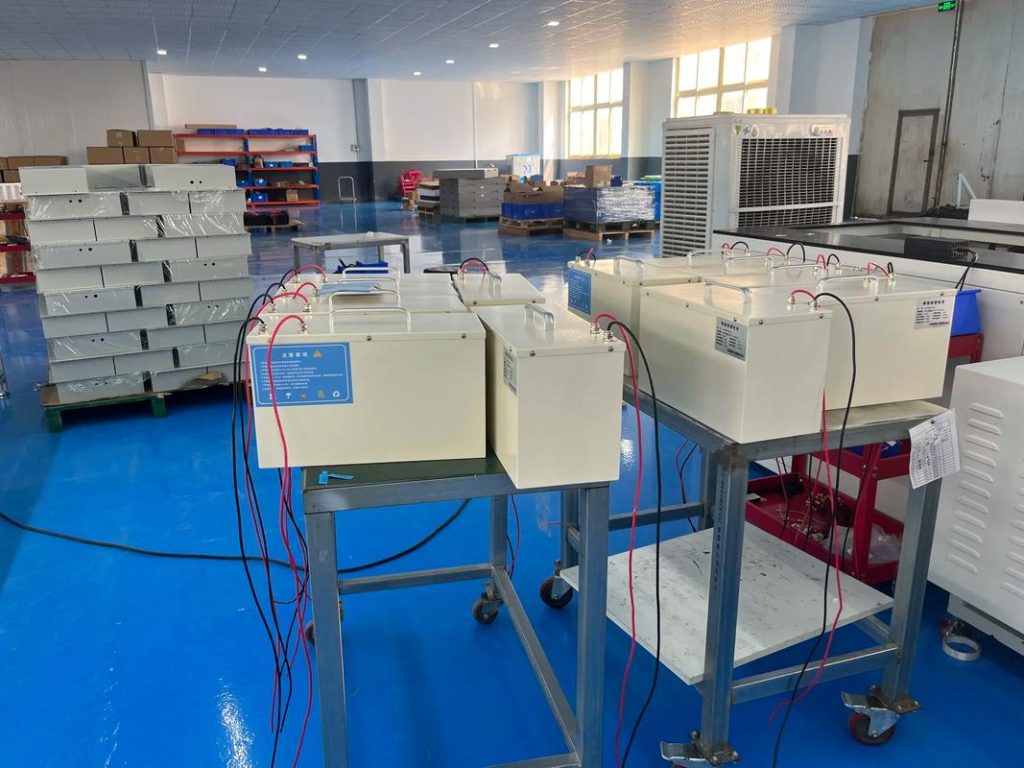
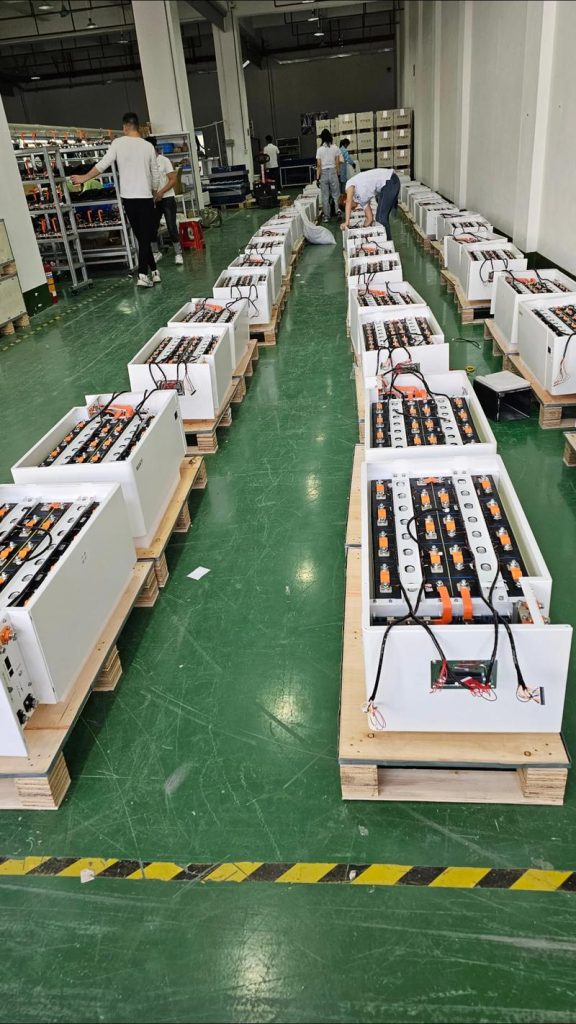
Battery storage has become a major topic in residential solar discussions. While not mandatory, batteries significantly enhance system flexibility.
Stored energy can be used:
- During nighttime hours
- During grid outages
- During peak electricity pricing periods
For households in regions with unstable grids or high peak tariffs, batteries provide both convenience and financial advantages.
Environmental Responsibility at the Household Level
Household solar power generation represents a tangible way for families to reduce their environmental impact.
Each solar-powered home contributes to:
- Lower carbon emissions
- Reduced reliance on fossil fuels
- Decreased demand on centralized power plants
Unlike abstract environmental goals, solar energy delivers measurable results at the household level, turning sustainability into daily action rather than a distant concept.
Maintenance Reality: What Homeowners Actually Experience
Solar systems are often perceived as complex, but real-world experience tells a different story.
Most homeowners report minimal involvement after installation. Panels require little more than occasional cleaning, and monitoring apps provide instant performance insights.
Modern systems are designed to operate automatically, quietly, and reliably across decades.
Solar Power and Modern Home Design
Solar power increasingly influences architectural and home design decisions. New homes are being built with solar compatibility in mind, including roof orientation, wiring infrastructure, and energy-efficient layouts.
In some regions, solar-ready homes are becoming the norm rather than the exception, reflecting broader shifts toward sustainable construction practices.
Addressing Common Concerns About Residential Solar Power
Is sunlight sufficient year-round?
Solar panels generate electricity even in cloudy or cooler conditions. While output varies seasonally, annual production is generally predictable and reliable.
Will technology become outdated?
Solar systems are modular. Components such as inverters and batteries can be upgraded without replacing the entire installation.
Is solar power only for wealthy households?
Falling equipment costs and financing options have made solar accessible to middle-income families in many markets.
Household Solar Power as a Lifestyle Choice
Beyond economics and technology, household solar power generation reflects a mindset. It represents independence, responsibility, and forward-thinking planning.
Solar households often adopt complementary practices such as:
- Energy-efficient appliances
- Electric vehicles
- Smart home energy management
Together, these choices form an integrated approach to modern living.
The Role of Government Policies and Incentives
Many governments encourage residential solar adoption through incentives, rebates, or tax benefits. These policies aim to accelerate renewable energy use and reduce national carbon emissions.
While incentives vary by region, they often significantly improve the return on investment for homeowners.
Future Outlook for Household Solar Power Generation
The future of residential solar energy is shaped by innovation and scale. Advancements in panel efficiency, battery technology, and digital energy management are expanding what households can achieve.
Emerging developments include:
- AI-driven energy optimization
- Vehicle-to-home power systems
- Community-based energy sharing
As these technologies mature, household solar power generation will continue evolving from an energy solution into an essential household infrastructure.
Making the Decision: Is Solar Power Worth It?
For most homeowners, the question is no longer whether solar power works, but whether delaying adoption makes sense.
With proven technology, declining costs, and growing energy uncertainty, household solar power generation offers a practical path toward control, savings, and sustainability.
Final Thoughts
Household solar power generation is more than an upgrade—it is a long-term commitment to smarter energy use. By transforming homes into energy producers, solar power reshapes the relationship between families and electricity.
For households looking ahead, solar energy is not just an option. It is a foundation for a more resilient, efficient, and independent future.


No reply content