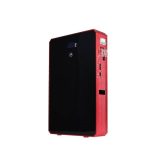
China solar power generation and energy storage manufacturing
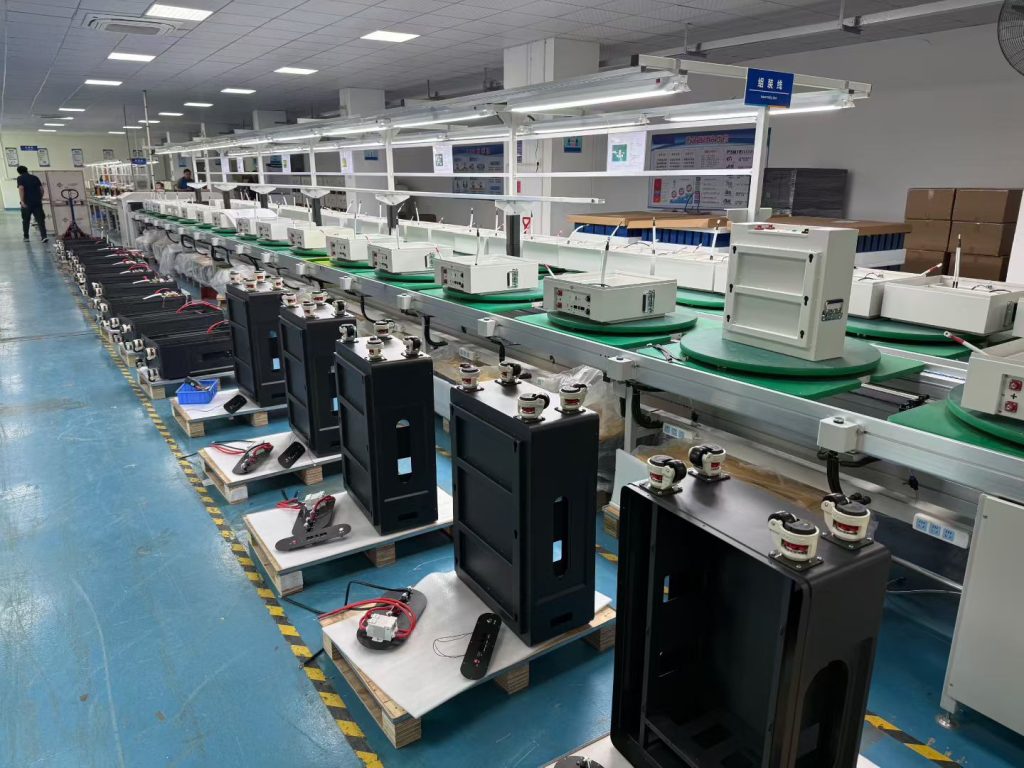
With increasing electricity prices and growing awareness of renewable energy, more families around the world are installing solar panels and home energy storage systems. Instead of depending completely on traditional electricity grids, homeowners are looking for smarter ways to produce, store, and manage their own energy.
A home energy storage system allows families to store excess solar power during the day and use it when electricity demand is higher or when the sun is unavailable. This not only improves solar energy efficiency but also helps reduce electricity bills and provides greater energy independence.
This article explains why more households are choosing home energy storage systems and how these solutions help maximize solar energy savings.
1. The Problem with Traditional Solar Energy Systems
Solar panels have become a popular renewable energy solution for residential homes. However, traditional solar systems have one major limitation: solar power generation depends on sunlight.
Solar panels usually produce the most electricity during daytime hours, but many families use more electricity in the evening.
For example:
Daytime:
-
Solar panels generate electricity
-
Family members may be at work or school
-
Excess electricity may not be fully used
Evening:
-
Lighting, cooking, air conditioning, and entertainment devices require more electricity
-
Solar panels stop generating power
-
Families need to buy electricity from the grid
Without energy storage, much of the potential solar energy value may be lost.
2. How Home Energy Storage Systems Improve Solar Energy Usage
A home energy storage battery solves this problem by storing unused solar energy.
The working process is simple:
Solar panels generate electricity → Excess power charges the battery → Stored energy powers the home when needed
During sunny hours:
-
Solar energy supplies household appliances
-
Extra electricity is stored in the battery
During nighttime or cloudy periods:
-
The battery releases stored electricity
-
The home uses clean solar energy instead of expensive grid power
This allows homeowners to consume more of their own solar energy.
3. Lower Electricity Bills Through Energy Storage
One of the biggest reasons families choose energy storage systems is reducing electricity costs.
Reduce Grid Electricity Dependence
Without a battery, households often rely on grid electricity when solar power is unavailable.
With a battery system:
-
More solar energy is used directly by the home
-
Less electricity needs to be purchased
-
Monthly electricity expenses can be reduced
Avoid Expensive Peak Electricity Prices
Many regions use time-of-use electricity pricing, where electricity costs more during peak demand periods.
A home battery allows families to:
-
Charge batteries when electricity is cheaper
-
Use stored energy during expensive periods
This creates additional savings.
4. Energy Independence for Modern Families
Energy independence is becoming increasingly important.
Homeowners want more control over their electricity supply instead of depending completely on external power companies.
A home energy storage system provides:
-
Independent electricity backup
-
Better control over energy usage
-
Protection from rising electricity prices
-
Greater household energy security
For areas with unstable power grids, energy storage can provide reliable electricity when interruptions occur.
5. Why Lithium Battery Technology Is Popular for Home Storage
Most modern home energy storage systems use lithium iron phosphate (LiFePO4) battery technology.
This technology is widely used because it offers:
Long Lifespan
High-quality LiFePO4 batteries can provide thousands of charge cycles, making them suitable for long-term residential applications.
High Safety Performance
LiFePO4 chemistry provides excellent thermal stability and reliable operation.
High Efficiency
Modern lithium batteries have efficient charging and discharging performance, reducing energy waste.
Low Maintenance
Compared with traditional battery technologies, lithium systems require less maintenance.
6. Smart Energy Management Makes Solar Storage More Efficient
Modern home energy storage systems are becoming smarter.
Many systems include intelligent energy management features such as:
-
Mobile app monitoring
-
Real-time energy tracking
-
Automatic charging control
-
Smart power scheduling
-
Remote system monitoring
Homeowners can easily check:
-
Solar production
-
Battery capacity
-
Household electricity consumption
-
Energy savings
Smart control helps families use electricity more efficiently.
7. Home Energy Storage Provides Backup Power Protection
Besides saving electricity costs, energy storage systems also provide emergency power.
During:
-
Storms
-
Grid failures
-
Natural disasters
-
Unexpected blackouts
The battery can automatically provide electricity for essential devices.
Depending on system size, it can support:
-
Lighting
-
Refrigerators
-
Internet equipment
-
Security systems
-
Home office equipment
This makes solar energy systems more practical and reliable.
8. How to Choose a Reliable Home Energy Storage Battery Manufacturer
Choosing the right manufacturer directly affects system performance and lifespan.
A professional manufacturer should provide:
Advanced Battery Technology
The manufacturer should use reliable battery cells and modern production processes.
Strict Quality Testing
A trustworthy supplier should test:
-
Battery safety
-
Charging performance
-
Cycle life
-
Temperature resistance
-
System stability
International Certifications
Quality manufacturers usually provide certifications required for global markets, ensuring products meet safety standards.
Custom Solutions
Different families have different energy needs. A professional manufacturer should provide solutions based on:
-
Home electricity consumption
-
Solar panel size
-
Backup requirements
-
Installation environment
9. Home Energy Storage Applications
Residential energy storage systems are suitable for many households:
Solar Homes
Increase solar energy usage and reduce electricity purchases.
Villas and Large Houses
Provide higher energy capacity for larger electricity consumption.
Apartments
Compact battery systems can support essential household devices.
Remote Locations
Provide reliable electricity where grid access is limited.
10. The Future of Home Solar Energy Storage
The demand for residential energy storage is expected to continue growing as more families focus on clean energy and lower electricity costs.
Future systems will offer:
-
Higher energy density
-
Longer battery life
-
Smarter energy management
-
Easier installation
-
Better integration with smart homes and electric vehicles


No reply content