

For solar installers and energy distributors operating in competitive markets, sourcing decisions directly determine profitability, reliability, and long-term growth. Over the past decade, one trend has become increasingly clear: a large portion of the global solar industry depends on solar power generation equipment imported from China.
This reliance is not accidental, nor is it based solely on price. For professionals working on real projects—rooftop installations, commercial systems, and utility-scale deployments—China has become a strategic supply base that supports scale, consistency, and innovation.
This article examines why installers and distributors around the world continue to source solar power equipment from China and how this choice shapes their business models.
1. Solar Installation Is a Margin-Sensitive Business
Unlike many industries, solar installation operates within tight margins. Equipment costs, labor expenses, logistics, financing, and after-sales service all affect profitability.
For installers, equipment sourcing must balance:
- Competitive pricing
- Predictable quality
- Reliable delivery schedules
- Technical compatibility
Chinese manufacturers provide an advantage by offering stable pricing across large volumes while maintaining acceptable quality standards. This predictability allows installers to quote projects with confidence and protect margins over time.
2. China Offers Scale That Matches Market Demand
One of the biggest challenges for solar distributors is scaling supply to meet fluctuating demand.
Markets often experience sudden growth due to policy incentives, rising energy costs, or grid instability. In these situations, suppliers must deliver large quantities within short timeframes.
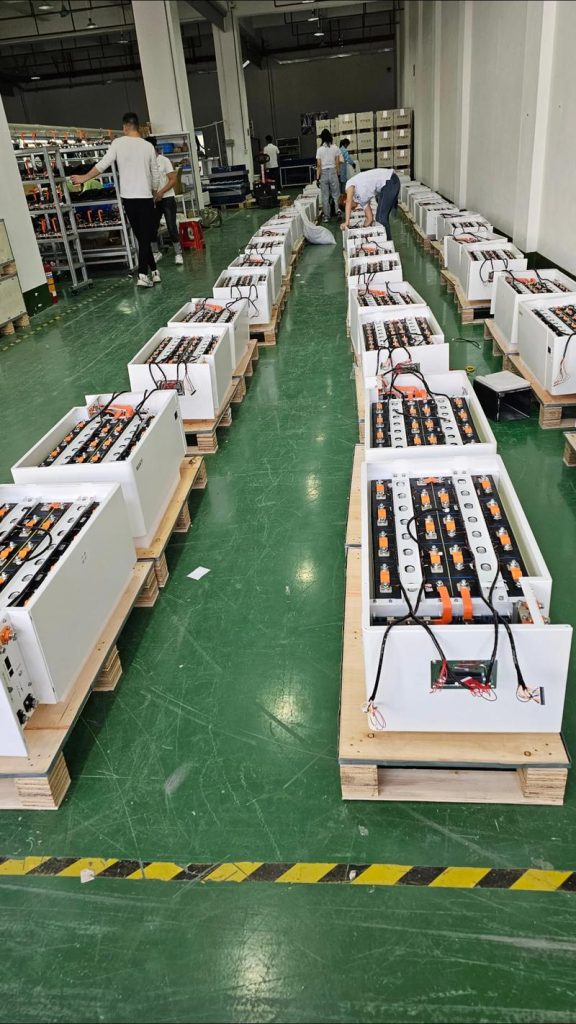
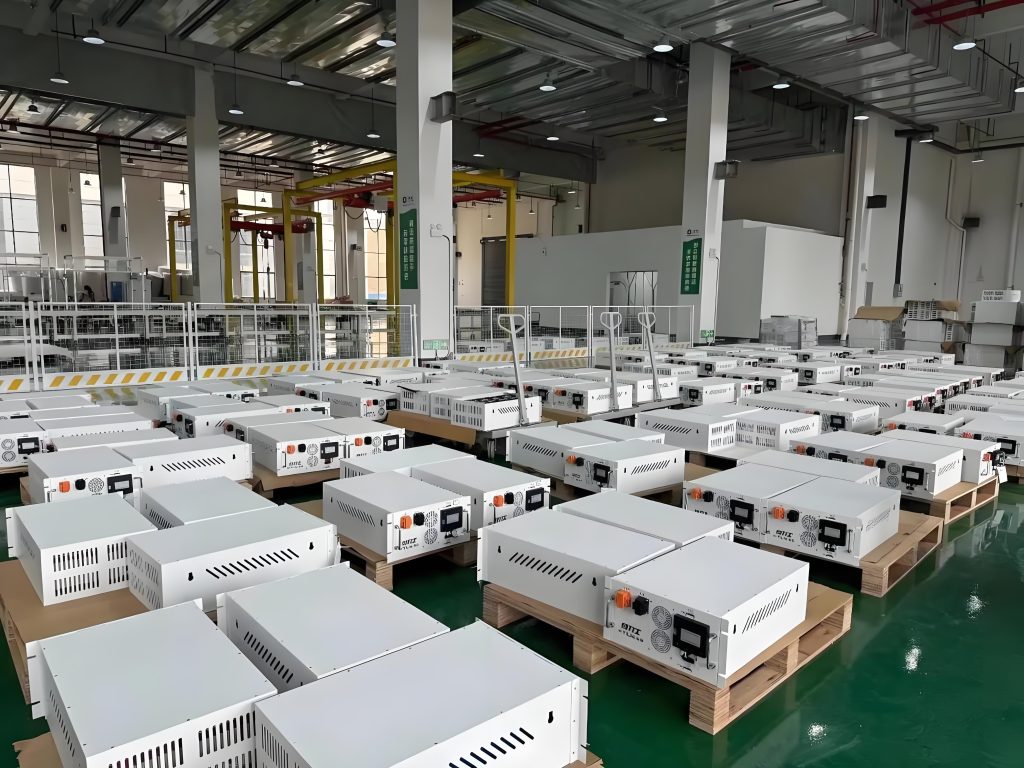
China’s manufacturing capacity enables:
- Fast ramp-up for large orders
- Consistent output across multiple batches
- Shorter lead times compared to fragmented suppliers
For distributors serving multiple installers or regions, this scalability is essential.
3. Product Variety Supports Diverse Project Types
Installers rarely work on identical projects. Residential rooftops, commercial facilities, and industrial sites all require different system designs.
Chinese suppliers offer a wide product range that supports:
- Different panel sizes and power ratings
- Multiple inverter configurations
- Various mounting solutions
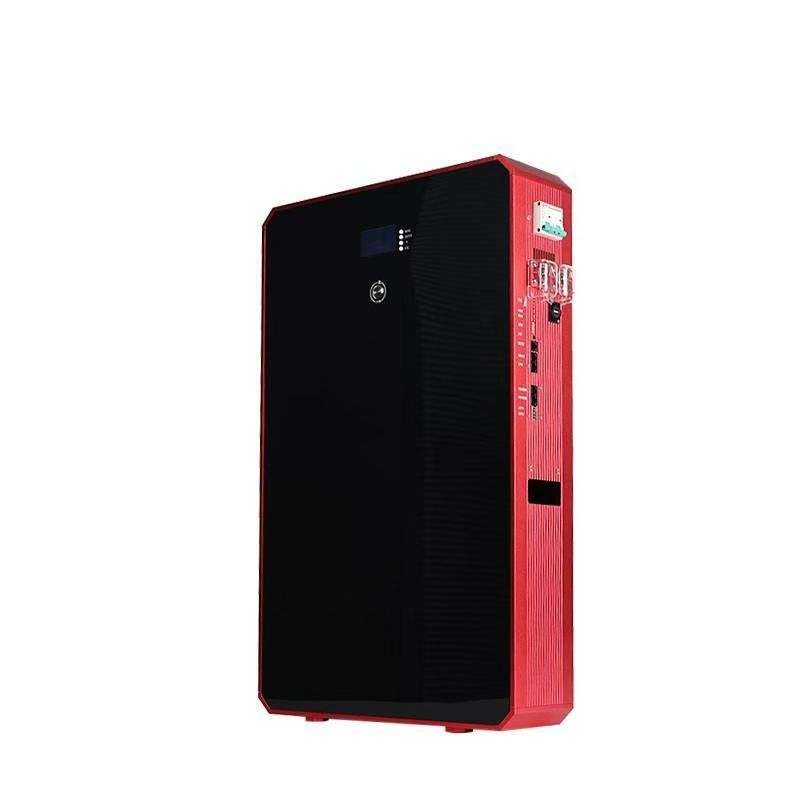
- Integrated energy storage options
This variety allows installers to source most components from a single supply region, reducing procurement complexity and compatibility risks.
4. System Compatibility Reduces Installation Time
Time is a critical factor for installers. Delays increase labor costs and reduce project turnover.
Chinese manufacturers increasingly design components to work seamlessly together. Panels, inverters, mounting structures, and storage systems are tested for compatibility before shipment.
For installers, this means:
- Fewer on-site adjustments
- Faster commissioning
- Reduced troubleshooting
Efficiency on-site translates directly into higher profitability.
5. Quality Consistency Matters More Than Peak Performance
Experienced installers know that extreme performance claims mean little if product quality varies between batches.
Chinese factories that export at scale prioritize consistency. Automated production lines and standardized quality checks reduce variation, ensuring predictable performance across installations.
For installers managing warranty obligations, consistent quality minimizes long-term service costs and protects reputation.
6. Inverters as a Business Enabler
Inverters influence not only system performance but also service models.
Chinese inverter suppliers now offer features that installers value highly:
- Remote monitoring and diagnostics
- Firmware updates without on-site visits
- Data integration for performance reporting
These features allow installers and distributors to offer value-added services such as system monitoring and maintenance contracts, creating additional revenue streams.
7. Energy Storage Expands Installer Opportunities
As energy storage adoption increases, installers who can offer integrated solar-plus-storage systems gain a competitive advantage.
Chinese manufacturers lead in providing storage solutions that are:
- Designed specifically for solar integration
- Modular and scalable
- Compatible with common inverter platforms
This allows installers to upsell storage solutions and enter new market segments without redesigning their entire supply chain.
8. Certification Support Simplifies Market Expansion
Installers and distributors often operate in multiple regions, each with unique regulatory requirements.
Chinese suppliers with export experience understand international certification frameworks and help ensure products meet destination market standards.
This support enables distributors to:
- Enter new markets faster
- Reduce compliance-related delays
- Build trust with local authorities and clients
Certification readiness becomes a growth enabler rather than a bottleneck.
9. Logistics Reliability Protects Project Schedules
Late deliveries can disrupt installation schedules and damage client relationships.
Chinese suppliers with mature logistics processes provide:
- Reinforced packaging for long-distance shipping
- Clear documentation for customs clearance
- Experience handling large-volume shipments
For distributors coordinating multiple projects, reliable logistics planning is a major advantage.
10. After-Sales Support Strengthens Installer Confidence
Installers often serve as the first point of contact when system issues arise.
Chinese manufacturers that provide responsive after-sales support reduce installer workload by offering:
- Remote troubleshooting
- Clear warranty procedures
- Spare parts availability
This support allows installers to focus on new projects instead of prolonged service disputes.
11. Long-Term Cooperation Improves Supply Stability
Many installers start with trial orders but gradually develop long-term relationships with selected suppliers.
Benefits of long-term cooperation include:
- Priority production scheduling
- Improved pricing stability
- Faster technical support
- Early access to new products
Chinese manufacturers value repeat business and often invest more resources in established partners.
12. Market Intelligence Flows Through the Supply Chain
Chinese suppliers serve buyers from many regions, giving them visibility into global trends.
Installers who maintain close communication gain insights into:
- Emerging technologies
- Design improvements
- Shifting market preferences
This information helps distributors stay ahead of competitors in local markets.
13. Risk Management Through Supplier Diversification
Professional distributors rarely rely on a single supplier.
China’s dense supplier network allows buyers to diversify sourcing while maintaining compatibility standards. This reduces risk related to production delays or market disruptions.
Supplier diversification within one manufacturing ecosystem is a strategic advantage.
14. Sustainability Expectations Are Increasing
Installers increasingly face sustainability expectations not only from customers but also from regulators and financiers.
Chinese manufacturers are responding by improving:
- Energy efficiency in production
- Product lifespan and recyclability
- Environmental compliance documentation
These efforts support installers’ sustainability positioning in competitive markets.
15. China as a Long-Term Partner, Not Just a Source
For solar installers and distributors, China is no longer just a place to buy equipment. It is a long-term partner in system design, innovation, and business growth.
The combination of scale, flexibility, and experience makes China uniquely positioned to support the evolving needs of the global solar industry.
Conclusion
Solar installers and distributors operate in a demanding environment where efficiency, reliability, and adaptability determine success. Importing solar power generation equipment from China provides more than cost advantages—it enables scalable operations, diversified product offerings, and long-term competitiveness.
By leveraging China’s manufacturing ecosystem strategically, installers and distributors can deliver high-quality solar solutions while maintaining profitability and market relevance. As the renewable energy sector continues to grow, those who build strong sourcing partnerships will be best positioned to lead the transition.


No reply content