China agricultural product suppliers
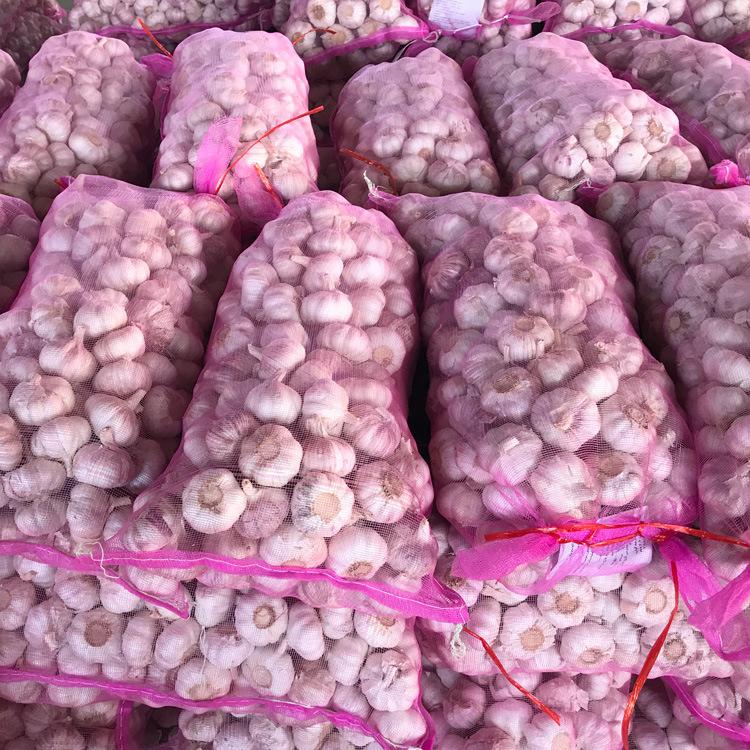
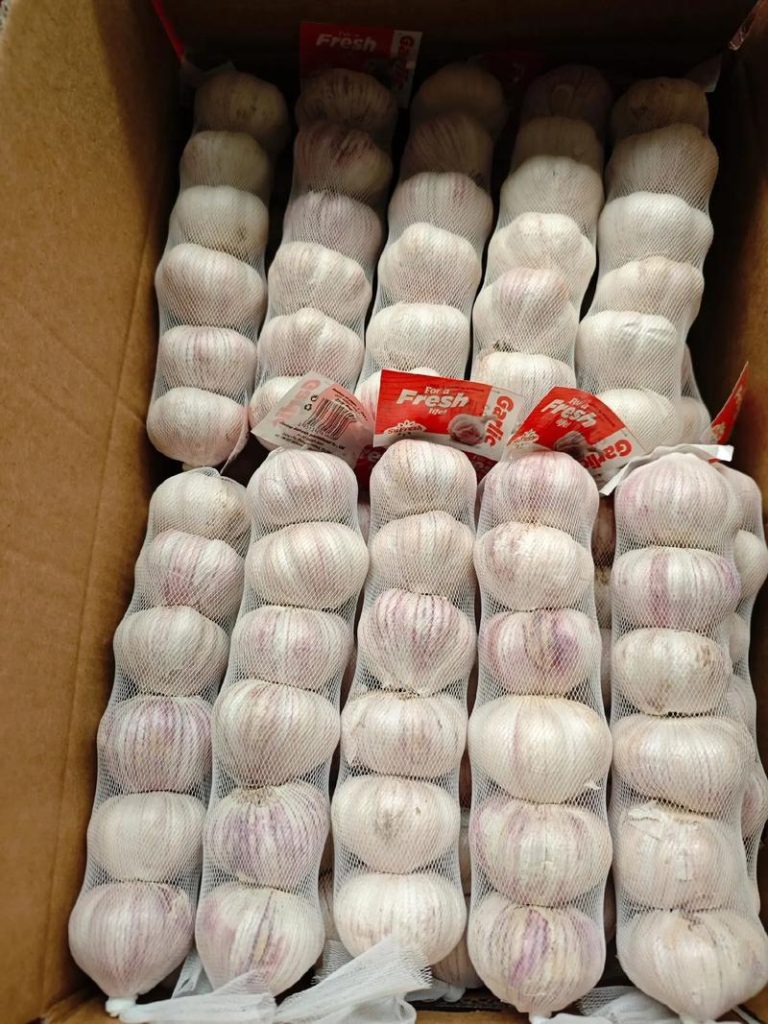

Looking for a reliable Chinese garlic supplier? Here’s what actually separates a trading company from a real origin-based operation — from field selection in Jinxiang to cold-chain management and container loading.
Introduction
Garlic is one of those commodities people assume is “simple.” You buy bulbs, you ship them, you sell them.
But anyone who has actually imported garlic at scale knows better. One shipment with high moisture = sprouting in two weeks. One shipment with poor size sorting = your downstream customers complaining. One missed pesticide record = a rejected container at the port of entry.
After years operating out of Jinxiang / Southern Shandong — the real heartland of Chinese garlic — we’ve learned that the job isn’t growing garlic. It’s controlling variables between the field and the buyer’s warehouse.
This article walks through what a serious Chinese garlic supplier should actually deliver, and what questions you should be asking before locking in your next contract.
1. Origin First: Why Location Dictates Everything
Not all Chinese garlic is equal. The majority of export-grade garlic comes from two overlapping zones:
| Region | Known For | Typical Harvest Window |
|---|---|---|
| Jinxiang County (Shandong) | Highest density of cold-storage facilities, most consistent sizing, the industry’s pricing benchmark | Late May – June |
| Pizhou / Lanling (Shandong) | Large volume, strong mid-grade supply | Early–Mid June |
| Henan (Qiuxian, Kaifeng) | Earlier harvest, lower cost, but shorter storage life | Mid–Late May |
| Yunnan (Tonghai) | Early-season fresh garlic, milder climate, unique early window | February – March |
The single most important thing a supplier should tell you: Where exactly are your fields? Which batch is this offer from — Henan early crop or Shandong main crop?
If a supplier can’t answer that clearly, they’re likely reselling from a wholesale market. That doesn’t mean they can’t deliver — but it does mean traceability and consistency are already compromised.
2. The Two Things That Break Garlic in Transit (and How We Prevent Them)
A. Moisture Management = Storage Science
Garlic going soft or molding in a container almost always traces back to one issue: it went into storage or into the carton with the wrong moisture profile.
Our protocol:
-
Field curing: After harvest, bulbs are cured in the field for 7–10 days depending on weather, then moved to ventilated shade drying areas.
-
Pre-caesar sorting: Before entering cold storage, garlic is graded, calibrated, and any damaged bulbs removed.
-
Cold storage temperature: Maintained at −1°C to 0°C with controlled humidity (65–70%). Too cold = freezing injury (cloves turn rubbery). Too humid = condensation = mold.
-
Carton packing temperature: Garlic is packed at near-storage temperature. Cartons are sealed, then held in a tempering zone before container loading so there’s no sweat inside the box.
The detail buyers miss: A container doesn’t spoil garlic — the temperature spread between packing room and container does. If garlic is packed warm and stuffed into a 0°C container, condensation forms inside the carton. That’s your mold right there.
B. Sprout Control (Without Reaching for the Wrong Chemicals)
Garlic naturally wants to sprout once it warms up. The legitimate tools are:
-
Proper low-temperature storage (the primary method)
-
Controlled Atmosphere (CA) storage — adjusting O₂/CO₂ levels to slow respiration
-
Gamma irradiation — available on a per-buyer-request basis where the destination market permits it (US/EU rules vary significantly)
What we don’t do: use unapproved sprout inhibitors to make cheap garlic look fresh. If your supplier is vague about what’s applied and when, that’s a red flag.
3. Grading & Sizing: This Is Where “Cheap” Becomes Expensive
Garlic is sold by size, usually measured as diameter:
| Grade (Diameter) | Common Market Label | What It’s Used For |
|---|---|---|
| 4.5cm–5.0cm | Small / Commercial | Processing, food service |
| 5.0cm–5.5cm | Medium | General retail |
| 5.5cm–6.0cm | Large / Premium | Supermarket retail, export premium |
| 6.0cm+ | Jumbo / Extra Large | Gift packs, specialty markets |
The trap: Some suppliers quote “5.5cm+” but blend down to 5.2cm to fill volume. Your customer gets undersized bulbs; your brand takes the hit.
What we do instead:
-
Optical sorter + mesh drum calibration (double-pass sizing, not just a single screen shake)
-
Random sampling per lot: 100-bulb caliper check, documented
-
Buyer can specify min/max tolerance (e.g. max 5% below 5.5cm, zero below 5.0cm)
If you’re a distributor, this is the specification you want in writing.
4. What “Fresh” vs. “Stored” Actually Means (And Why It Matters for Contract Timing)
Garlic has a natural calendar:
Yunnan Early Crop (Feb–Apr) → Bridge stock
If you’re buying “fresh garlic” in November, it’s stored garlic — and that’s completely normal and fine, provided the storage has been managed correctly. The key is being honest about it.
Pro tip for buyers: Lock your pricing window in May–early June (pre-harvest or early harvest) if you want the best combination of new-crop quality and workable price. Waiting until August when everyone else is scrambling narrows your negotiation room.
5. Packaging & Container loading — The boring part that sinks shipments
Retail Packs (mesh net / printed poly bag / rigid box)
-
Mesh net: 3-piece / 4-piece / 500g–1kg — ventilated, standard for supermarket racks
-
Poly bag with header card: better branding, but watch micro-perforation rates for breathability
-
Inner box + outer carton: protects cloves from bruising, costs more, justifies premium positioning
Bulk / Food Service
-
10kg / 20kg kraft cartons (vent holes required)
-
Liner choices matter: perforated PE keeps dust down without trapping humidity
Container loading
| Parameter | Standard |
|---|---|
| 20ft container capacity | ~12–13 MT (depends on pack type) |
| Carton alignment | Palletized or floor-loaded with dunnage / slip sheets |
| Ventilation setting (reefer) | +15°C fan-only mode OR dry container with correct packing temp |
| Phytosanitary / Certificate of Origin | Prepared pre-loading |
We always do a pre-loading photo set — carton tally, pallet pattern, seal number, container number — sent to the buyer before the vessel departs. It’s basic, but it eliminates 90% of post-arrival disputes.
6. Compliance: What Paperwork Should You Expect?
Different destinations = different hoops. A proper supplier should be able to produce:
-
Phytosanitary Certificate (issued by local inspection bureau)
-
Certificate of Origin (for duty preference purposes where applicable)
-
Pesticide Residue Testing Report (third-party lab: MRL screening relevant to your market — EU, US, ASEAN, Middle East each have different lists)
-
GAP / GLOBAL G.A.P. documentation (if your retail chain requires it)
-
Allergen statement / Non-GMO declaration (standard for most food importers)
If a supplier promises everything for everywhere instantly, be careful. Legitimate certificates tie back to actual lot numbers and specific test results.
7. The Questions You Should Ask Any Chinese Garlic Supplier
These five questions will tell you more than any glossy catalogue:
-
Which county are your contracted fields in — and can you show me a packing record tied to a specific cold-room?
-
What is your actual size tolerance (caliper-verified), not just the sales sheet claim?
-
Show me the last 3 months of storage temperature logs for the lot you’re offering.
-
What’s your packing-room temperature at the time of carton sealing?
-
If a container arrives with 8%+ rejects, what’s your remedy policy — and is it in the contract?
Closing
Garlic is a commodity in name only. In practice it’s a perishable agricultural product with a narrow margin between “excellent” and “unsellable,” and the difference lives in curing, grading, cold-chain discipline, and honest communication.
If you’re looking for a supply partner who talks in specifications, not slogans — and who understands that your reputation with your customers depends on every bulb we send out — let’s talk.
Call to Action
[Download our current season’s specification sheet] · [Request a sample kit (3 size grades)] · [Book a video call to walk through our cold storage]


No reply content