

⬛ Executive Summary (60 Words)
High-performance women’s athletic shoes combine ergonomic design, breathable materials, advanced cushioning, and durable outsole technology to support running, training, walking, and everyday sports activities. This comprehensive guide covers wholesale women’s sneakers, OEM customization, MOQ requirements, production timelines, stock availability, and quality standards—helping distributors and private label brands source reliable footwear manufacturing partners.
1. Introduction: The Growing Global Demand for Women’s Athletic Shoes
The global women’s sports footwear market has experienced significant growth over the past decade. Driven by:
- Increased female participation in fitness and sports
- Rising athleisure fashion trends
- Health and wellness awareness
- Demand for lightweight, comfortable footwear
Women’s athletic shoes are no longer limited to sports performance—they have become everyday lifestyle essentials.
From breathable running shoes to stylish gym sneakers, buyers are increasingly searching for:
- Lightweight women’s running shoes
- Breathable mesh sports sneakers
- Shock-absorbing training shoes
- Wholesale women’s athletic footwear
- Custom private label sports shoes
Understanding quality, construction, and sourcing options is critical for distributors and retailers.
2. Types of Women’s Athletic Shoes
2.1 Women’s Running Shoes
Designed for forward motion and impact absorption.
Key features:
- Cushioned midsoles (EVA or PU foam)
- Lightweight upper mesh
- Heel support stabilization
- Flexible outsole
Ideal for:
- Road running
- Treadmill workouts
- Long-distance jogging
2.2 Women’s Training & Gym Shoes
Built for multi-directional movement.
Characteristics:
- Stable base
- Reinforced side support
- Durable rubber outsole
- Breathable lining
Suitable for:
- HIIT workouts
- Cross-training
- Weight training
2.3 Women’s Walking Sneakers
Focused on comfort and long wear.
Features:
- Lightweight construction
- Soft insoles
- Anti-slip sole
- Flexible structure
Popular among everyday consumers and healthcare workers.
2.4 Women’s Lifestyle & Athleisure Shoes
Blending sport and fashion.
Key aspects:
- Trendy colorways
- Modern silhouette
- Casual comfort
- Lightweight feel
These models dominate online marketplaces and fashion retail channels.
3. Technical Construction of High-Quality Women’s Sports Shoes
3.1 Upper Materials
Common options:
- Engineered mesh (breathable & lightweight)
- Flyknit-style woven fabric
- PU leather overlays
- Synthetic microfiber
Breathable mesh uppers improve airflow and reduce moisture buildup.
3.2 Midsole Technology
The midsole determines cushioning and shock absorption.
Options include:
- EVA foam (lightweight & flexible)
- Phylon compression foam
- PU cushioning
- Air cushion inserts
- Gel pads
Advanced midsoles improve comfort and reduce impact stress.
3.3 Outsole Materials
Durability depends on outsole quality:
- Rubber outsole (anti-slip & durable)
- MD outsole (lightweight)
- TPR outsole (flexible & economical)
High-traction rubber ensures stability on different surfaces.
4. E-E-A-T: Quality & Manufacturing Credibility
Experience
Established footwear manufacturers typically have:
- 10+ years of production experience
- Dedicated R&D teams
- In-house mold development
- Sample prototyping departments
Production experience ensures consistent sizing and durable construction.
Expertise
Professional shoe factories follow:
- Ergonomic foot shape analysis
- Material testing procedures
- Wear resistance testing
- Adhesion strength testing
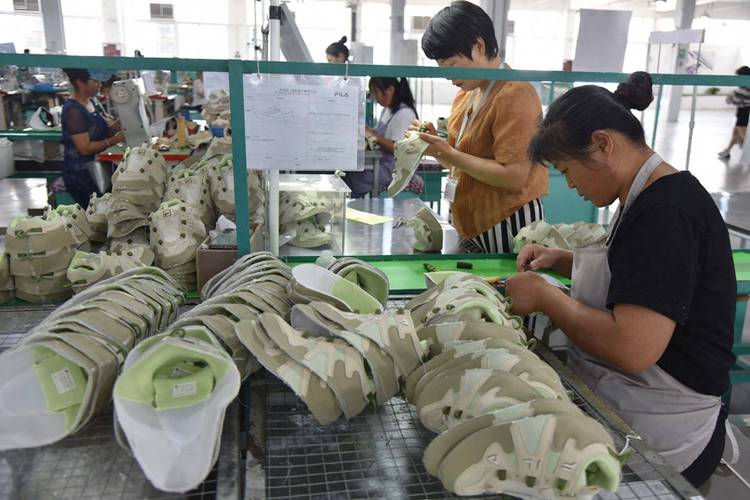
Skilled technicians oversee cutting, stitching, lasting, and assembly processes.
Authoritativeness
Reliable suppliers provide:
- ISO quality management certification
- BSCI or Sedex social compliance audits
- Material testing reports
- Export documentation
Certifications enhance buyer confidence.
Trustworthiness
Trustworthy shoe manufacturers offer:
- Clear MOQ policy
- Transparent pricing structure
- Sample approval process
- Quality inspection before shipment
- After-sales support
Consistency builds long-term partnerships.
5. Wholesale & Bulk Order Considerations
Buyers should evaluate:
- Size range availability (EU 35–42 / US 5–11)
- Color customization options
- Logo placement
- Packaging requirements
- Target market preferences
Large distributors often prefer neutral designs adaptable to different markets.
6. Private Label & OEM Customization
Customization options include:
- Custom logo on upper
- Printed insoles
- Custom shoebox design
- Pantone color matching
- Mold development
- Custom outsole pattern
Private label athletic shoes allow brands to differentiate in competitive markets.
7. Production Process Overview
The typical production workflow:
- Design confirmation
- Sample development
- Material sourcing
- Cutting
- Stitching
- Lasting
- Sole bonding
- Quality inspection
- Packaging
- Shipment
Each step requires strict quality control.
8. Lead Time & Seasonal Planning
Peak seasons include:
- Spring/summer sports season
- Back-to-school season
- Black Friday & holiday sales
Early planning ensures stable supply.
9. Global Market Trends
Current trends in women’s athletic footwear:
- Sustainable materials
- Lightweight minimal design
- Chunky outsole fashion
- Neutral color palettes
- Comfort-driven purchasing decisions
Online retail and cross-border e-commerce drive bulk demand.
10. FAQ – Women’s Athletic Shoes Wholesale & Manufacturing
Q1: Can you produce women’s athletic shoes?
Yes. We manufacture women’s running shoes, training sneakers, walking shoes, and lifestyle sports footwear for wholesale and private label clients.
Q2: What is the MOQ (Minimum Order Quantity)?
MOQ typically depends on model:
- Standard ready-made styles: 300–500 pairs
- Customized OEM styles: 500–1000 pairs per model
- Private label with custom mold: Negotiable
MOQ may vary based on material complexity.
Q3: What is the production lead time?
Production schedule:
- Stock models: 5–10 days
- Custom logo models: 20–30 days
- Fully customized designs: 30–45 days
Lead time depends on order volume and material availability.
Q4: Do you have stock available?
Yes. Selected standard models and popular colors may be available in stock for quick shipment.
However, custom designs require production.
Q5: Can you customize design and logo?
Yes. Customization options include:
- Upper logo printing
- Embossed branding
- Custom colorway
- Custom outsole mold
- Packaging customization
OEM and ODM services are available.
Q6: Do you provide samples?
Yes. Sample pairs can be provided for quality verification before bulk production.
Q7: What quality testing is performed?
Testing includes:
- Sole adhesion strength
- Flex resistance
- Abrasion resistance
- Color fastness
- Size accuracy
Quality control ensures durability and performance.
11. Why Choosing the Right Manufacturer Matters
Selecting a professional athletic shoe supplier ensures:
- Consistent quality
- Timely shipment
- Market-competitive pricing
- Reliable production capacity
- Long-term partnership potential
Reliable factories reduce business risk.
12. Final Thoughts
Women’s athletic shoes are a fast-growing segment in global footwear markets. From breathable running sneakers to custom private label gym shoes, demand continues to rise.
Whether you are:
- A wholesale distributor
- An online retailer
- A private label brand
- A sportswear startup
Partnering with an experienced and trustworthy footwear manufacturer ensures stable supply and competitive advantage.


No reply content