
Buying a yacht is a significant lifestyle and investment decision. This comprehensive guide explores custom luxury motor yachts, private sailing yachts, semi-custom yacht manufacturing, pricing considerations, production timelines, stock availability, and OEM options. Designed with E-E-A-T principles, this article provides expert-level insights for buyers, investors, and distributors seeking reliable yacht solutions worldwide.
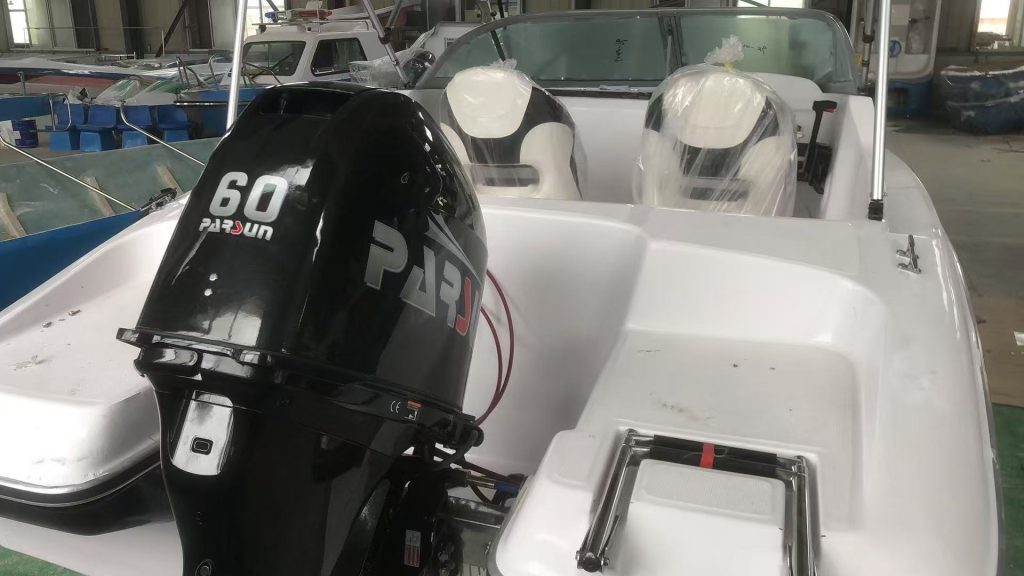
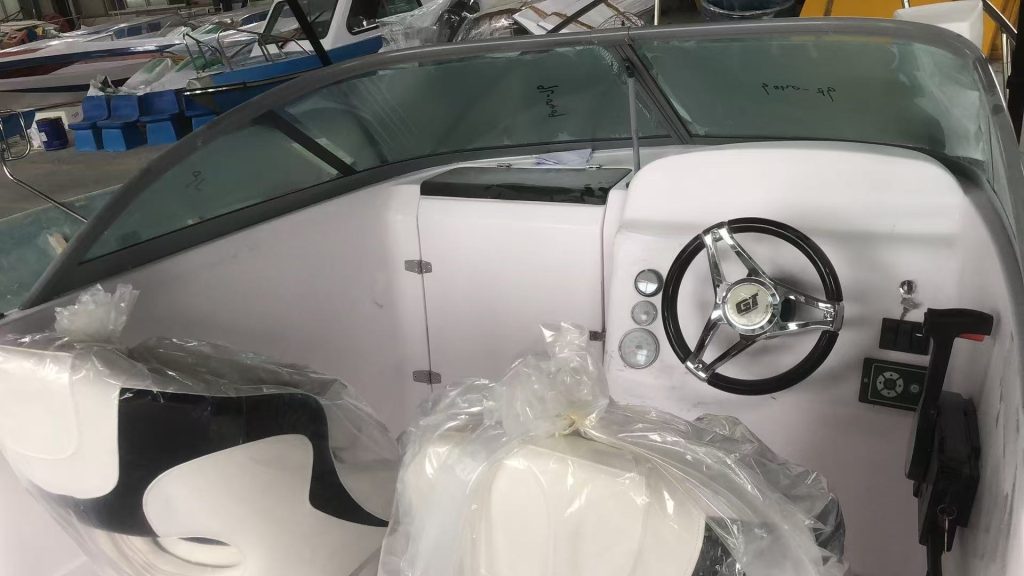
1. Introduction: The Global Demand for Private Yachts
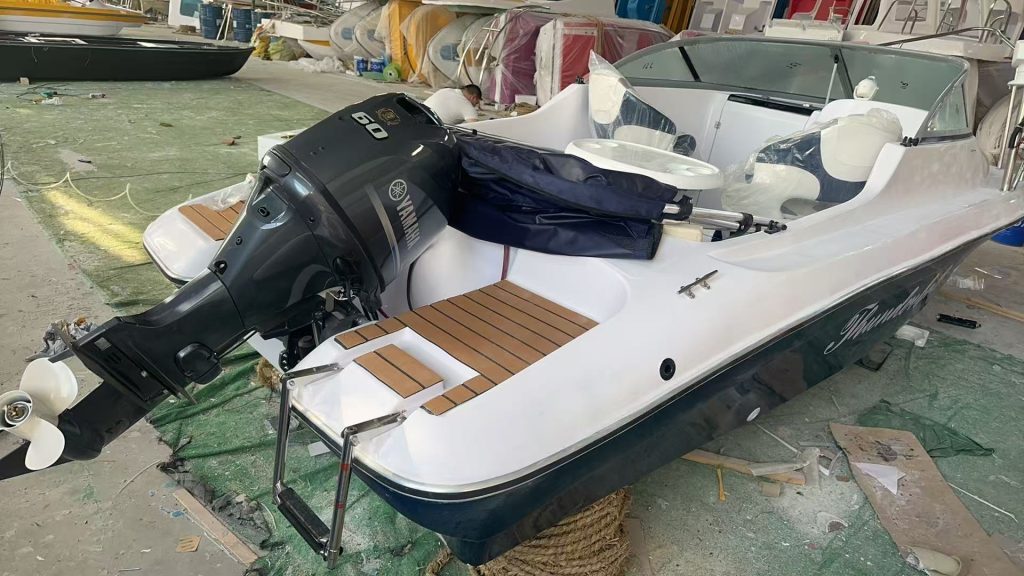
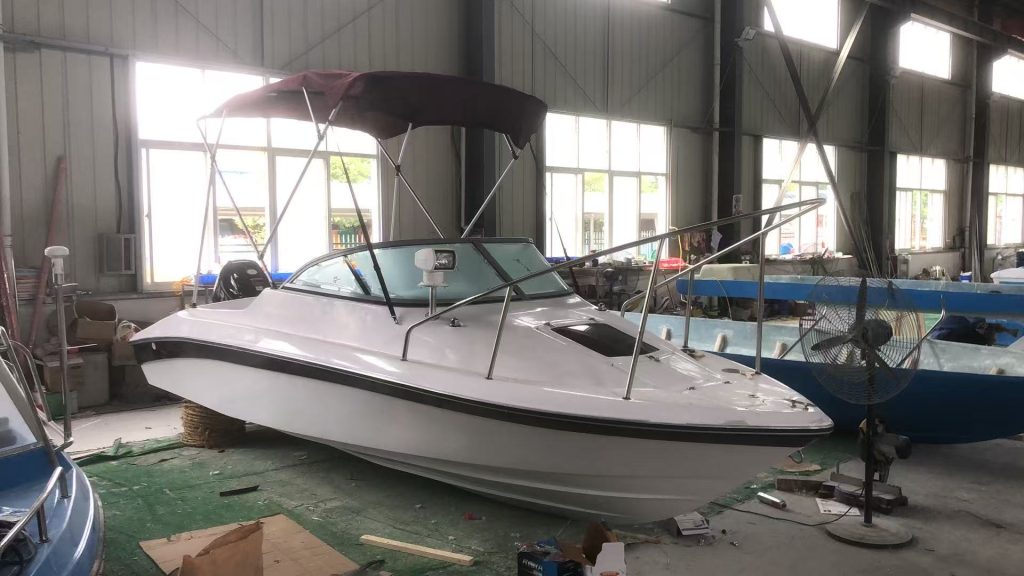
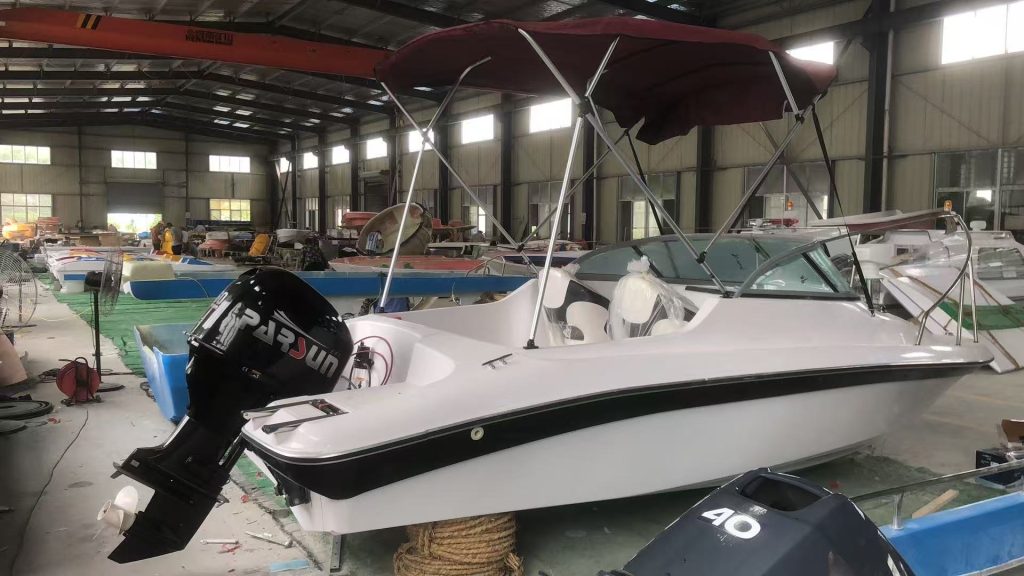
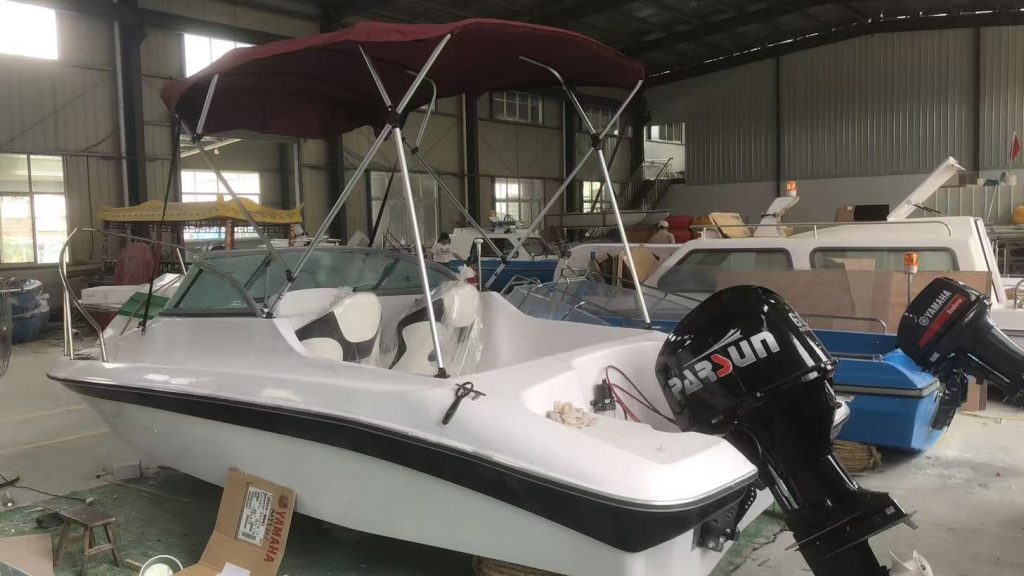
The global yacht market continues to expand as high-net-worth individuals, charter operators, and marine investors seek luxury private yachts, custom motor yachts, fiberglass yachts, and semi-custom yacht manufacturing solutions.
Modern buyers are no longer looking for just transportation — they want:
- Personalized luxury
- Advanced marine engineering
- Energy-efficient propulsion
- Long-range cruising capability
- High resale value
- Reliable after-sales service
Whether you are purchasing a private yacht for leisure, investing in a charter-ready vessel, or sourcing yachts for distribution, understanding the full lifecycle of yacht manufacturing is essential.
2. Types of Yachts: Choosing the Right Vessel
2.1 Luxury Motor Yachts
Motor yachts are among the most popular choices in the global market.
Key Features:
- High-performance diesel or hybrid engines
- Planing or displacement hull designs
- Advanced stabilization systems
- Spacious deck entertainment areas
- Flybridge or enclosed bridge options
Motor yachts are ideal for:
- Coastal cruising
- Island hopping
- Business entertainment
- Family leisure trips
2.2 Sailing Yachts
Sailing yachts offer a traditional maritime experience combined with modern luxury.
Advantages:
- Fuel-efficient operation
- Long-distance capability
- Lower operating costs
- Elegant aesthetics
- Strong resale value
2.3 Catamaran Yachts
Catamarans are known for stability and spacious layouts.
Benefits:
- Twin-hull design for balance
- Wide deck area
- Ideal for charter operations
- Shallow draft for coastal access
2.4 Explorer & Expedition Yachts
Designed for long-range exploration and offshore adventures.
Features:
- Reinforced steel or aluminum hull
- Extended fuel tanks
- Ocean-crossing capability
- Advanced navigation systems
- Ice-class options for extreme conditions
3. Yacht Construction Materials & Engineering
Professional yacht manufacturing requires precision engineering and marine-grade materials.
3.1 Hull Materials
- Fiberglass (GRP): Lightweight, corrosion-resistant, cost-effective
- Aluminum: Strong and lighter than steel
- Steel: Ideal for large yachts and expedition vessels
- Carbon Composite: Advanced high-performance applications
3.2 Marine Engineering Systems
A modern yacht integrates:
- Marine diesel propulsion systems
- Stabilizers and gyroscopic anti-roll technology
- Smart electrical systems
- Water desalination systems
- Marine HVAC climate control
- Integrated navigation bridge systems
Quality shipyards perform:
- Structural load analysis
- Tank testing
- Sea trials
- Electrical and safety inspections
4. Custom Yacht Design & Personalization
Luxury yacht buyers increasingly demand full customization.
Exterior Customization
- Hull color and finish
- Teak decking
- Lighting design
- Flybridge configuration
- Swim platform systems
Interior Customization
- Cabin layouts (2–6 cabins)
- Master suite with ensuite bathroom
- Marble or wood flooring
- Leather upholstery
- Home cinema systems
- Smart yacht automation
Customization allows owners to align the vessel with their lifestyle — whether for private family use or commercial charter operations.
5. E-E-A-T: Professional Expertise & Trust Factors
Experience
Reputable shipyards typically have:
- 10–30+ years of manufacturing experience
- Certified naval architects
- Skilled composite and metal fabrication teams
- Proven delivery records
Expertise
Professional yacht builders follow:
- ISO marine production standards
- CE certification for European compliance
- International maritime safety regulations
- Structural engineering simulations
Authoritativeness
Leading manufacturers participate in:
- International boat shows
- Marine industry associations
- Yacht design awards
- Export certifications
Trustworthiness
Reliable suppliers provide:
- Transparent contracts
- Warranty documentation
- Sea trial reports
- After-sales service agreements
- Spare parts support
6. Production Timeline & Delivery
Stock Yachts
- Delivery: 2–6 months
- Limited design modification
- Faster handover
Semi-Custom Yachts
- Production: 6–12 months
- Moderate customization
Fully Custom Yachts
- Engineering & design: 3–6 months
- Hull construction: 6–12 months
- Interior fit-out: 3–6 months
- Sea trials: 1–2 months
Total timeline: 12–24 months depending on complexity and size.
7. MOQ (Minimum Order Quantity)
- Custom yacht: MOQ = 1 vessel
- Semi-custom production: 1–3 vessels
- OEM production (for distributors): Negotiable, typically 2–5 units per model
Because yachts are high-value assets, MOQ is usually flexible based on agreement.
8. Stock Availability
Some manufacturers maintain:
- Ready-built stock models
- Demo yachts
- Exhibition vessels
- Inventory units for faster export
Stock depends on:
- Size
- Engine specification
- Custom options
- Seasonal production capacity
9. Can Yachts Be Fully Customized?
Yes.
Customization options include:
- Size modification
- Cabin layout adjustment
- Propulsion upgrades
- Electronics integration
- Branding & logo placement
- Private label manufacturing for distributors
OEM & ODM solutions are available for:
- Yacht dealers
- Charter companies
- Marine investors
- Regional distributors
10. Maintenance & Operational Planning
Owning a yacht requires:
- Annual engine servicing
- Hull cleaning and anti-fouling
- Navigation system updates
- Safety equipment inspection
- Crew training
Professional builders offer:
- Spare parts packages
- Technical manuals
- Remote support
- On-site commissioning
Proper maintenance protects resale value and operational safety.
11. Investment & Resale Value
Luxury yachts can:
- Generate charter revenue
- Maintain high resale demand
- Increase in value when well maintained
- Enhance lifestyle and business image
Factors influencing resale:
- Brand reputation
- Maintenance record
- Engine hours
- Custom design appeal
12. Frequently Asked Questions (FAQ)
Q1: Can you manufacture yachts?
Yes. Professional shipyards provide complete yacht construction services including hull design, propulsion systems, interior finishing, and certification.
Q2: What is the MOQ?
MOQ is generally 1 yacht per custom project. For dealer partnerships, MOQ may range from 2–5 units depending on model.
Q3: What is the production lead time?
- Stock yachts: 2–6 months
- Semi-custom yachts: 6–12 months
- Fully custom yachts: 12–24 months
Q4: Do you have yachts in stock?
Some models may be available in stock or as demo vessels. Availability varies by size and specification.
Q5: Can the yacht be customized?
Yes. Customization includes layout, propulsion, electronics, materials, branding, and luxury amenities.
13. Conclusion: Choosing the Right Yacht Manufacturer
Selecting the right yacht supplier requires evaluating:
- Engineering capability
- Manufacturing experience
- Compliance certifications
- Customization flexibility
- After-sales support
- Production timeline transparency
A well-built yacht combines performance, luxury, and long-term reliability.
Investing in a custom luxury yacht or semi-custom motor yacht is not only a lifestyle choice — it is a strategic investment in maritime excellence.


No reply content