
China Surfboard Yacht Customization Factory
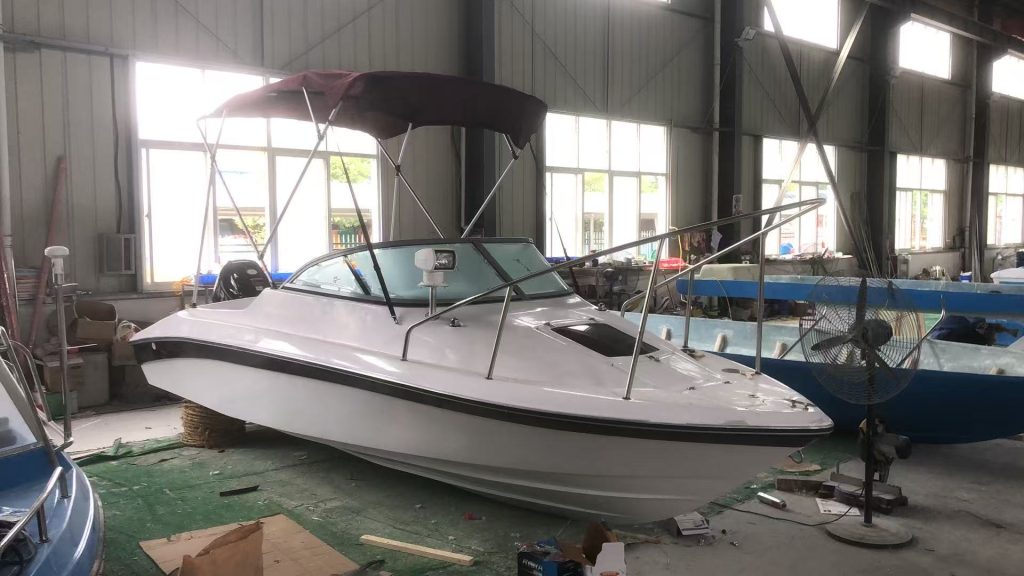
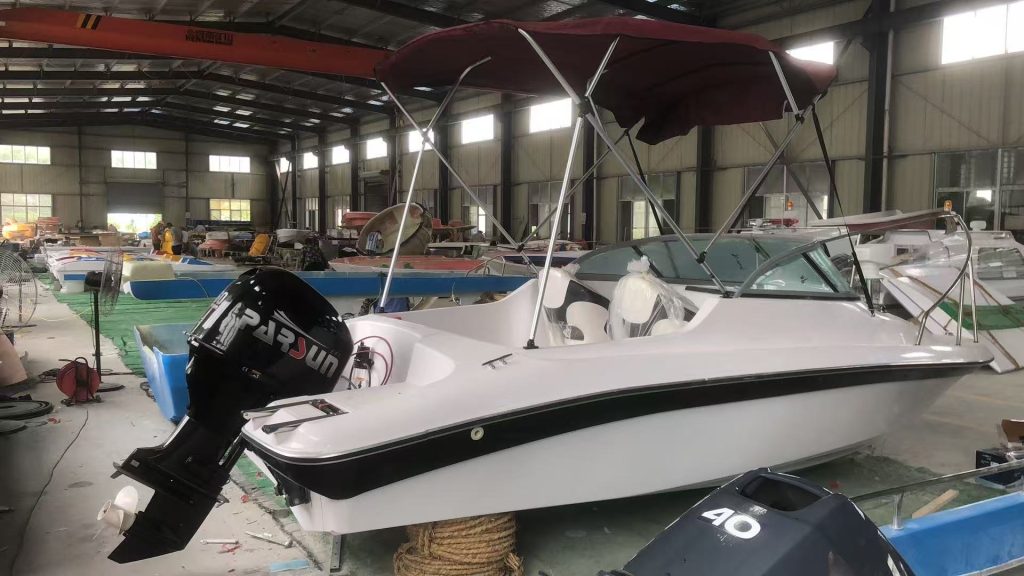
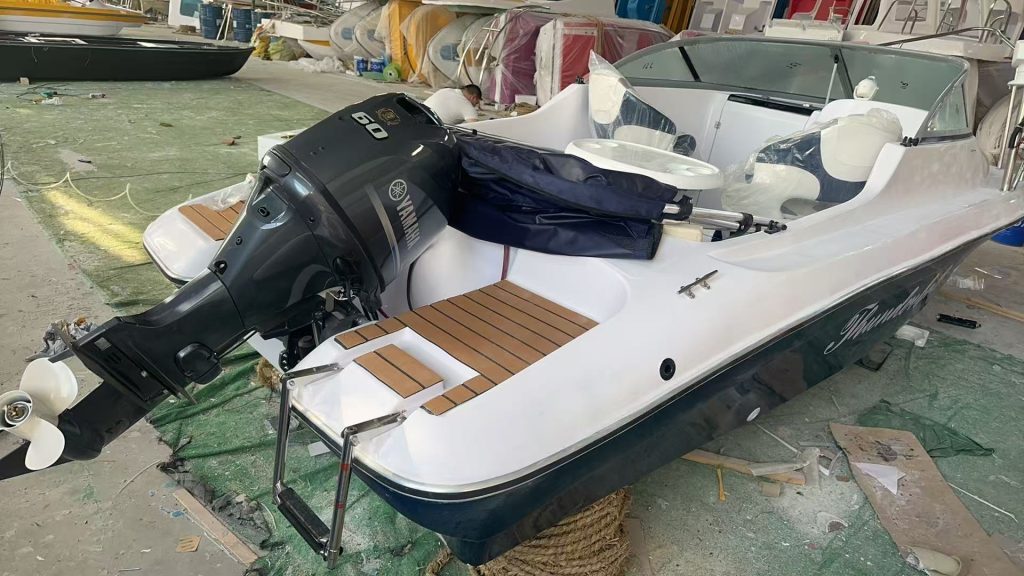
Choosing the right yacht manufacturer is an important decision for buyers who need more than a standard boat. Whether the project involves a private yacht, charter vessel, fishing yacht, leisure boat, or a customized commercial vessel, the manufacturer needs to understand the intended use, design requirements, construction materials, performance targets, and delivery conditions.
Custom yacht manufacturing combines naval architecture, structural engineering, marine systems, interior design, electrical integration, propulsion, finishing, and quality control. A professional manufacturer should therefore be able to manage the project from initial concept through production, testing, and final delivery.
What Does a Yacht Manufacturer Do?
A yacht manufacturer is responsible for turning a yacht design or customer specification into a finished vessel.
Depending on the manufacturer and project, the production process may include:
-
Yacht design and engineering
-
Hull and structural construction
-
Fiberglass, aluminum, steel, or composite fabrication
-
Marine engine installation
-
Propulsion system integration
-
Electrical system installation
-
Plumbing and fuel systems
-
Navigation and communication equipment installation
-
Interior construction
-
Furniture and cabin finishing
-
Painting and surface treatment
-
Safety equipment installation
-
Water testing and sea trials
-
Final inspection and delivery
For custom projects, the manufacturer may work from the buyer’s drawings, a naval architect’s design, or an initial concept that must be developed into production drawings.
Types of Yachts That Can Be Manufactured
Different yacht projects require different construction methods and equipment.
Common categories include:
Motor Yachts
Motor yachts are designed primarily around powered cruising. Buyers may specify different engine configurations, cruising speeds, fuel capacities, cabin layouts, and onboard equipment.
For long-distance cruising, fuel efficiency, stability, storage capacity, navigation systems, and passenger comfort can be especially important.
Sailing Yachts
Sailing yachts require careful attention to hull design, mast systems, rigging, ballast, deck layout, and overall weight distribution.
The manufacturer needs to coordinate the structural design with the sailing equipment and intended operating conditions.
Fishing Yachts
Fishing yachts may require specialized deck layouts, storage areas, bait stations, fish boxes, equipment mounting points, and additional electrical capacity.
The design should reflect how the vessel will actually be used rather than simply adapting a standard leisure yacht.
Luxury Yachts
Luxury yacht projects usually place greater emphasis on interior customization, cabin arrangements, materials, lighting, entertainment systems, bathrooms, kitchens, and exterior styling.
The challenge is to combine appearance with practical marine construction and long-term durability.
Commercial and Charter Yachts
Commercial vessels often have different requirements from private yachts. Passenger capacity, operating frequency, maintenance access, safety systems, and local regulations can significantly influence the design.
A manufacturer should understand the vessel’s operating environment before finalizing the configuration.
How Is a Yacht Manufactured?
Yacht manufacturing is a multi-stage process. The exact sequence depends on the hull material, yacht size, propulsion system, and design.
1. Design and Engineering
The project normally begins with a design specification.
Important information may include:
-
Overall length
-
Beam
-
Draft
-
Displacement
-
Passenger capacity
-
Number of cabins
-
Engine configuration
-
Fuel capacity
-
Freshwater capacity
-
Cruising speed
-
Maximum speed
-
Intended operating area
-
Hull material
-
Interior requirements
The manufacturer then develops or reviews engineering drawings before production begins.
This stage is critical because changes made after construction starts can increase both cost and delivery time.
2. Hull Construction
The hull is the structural foundation of the yacht.
Depending on the project, construction may use:
-
Fiberglass
-
Reinforced composite materials
-
Aluminum
-
Steel
-
Other marine-grade materials
Composite yachts may involve molds, reinforcement layers, resin systems, curing, trimming, and structural reinforcement.
Metal yachts require processes such as cutting, forming, welding, grinding, surface treatment, and inspection.
3. Structural Reinforcement
A yacht needs sufficient structural strength for its intended operating environment.
Internal structures may include:
-
Frames
-
Stringers
-
Bulkheads
-
Floors
-
Reinforcement sections
-
Engine foundations
The manufacturer must ensure that structural components are correctly positioned and integrated with the hull.
4. Mechanical and Marine Systems
After major structural work, marine systems can be installed.
These may include:
-
Engines
-
Gearboxes
-
Propeller shafts
-
Propellers
-
Fuel systems
-
Cooling systems
-
Bilge systems
-
Steering systems
-
Exhaust systems
-
Water systems
Installation quality is important because poor accessibility can make future maintenance unnecessarily difficult.
5. Electrical Installation
Modern yachts can contain extensive electrical systems.
Depending on the configuration, the vessel may include:
-
Battery systems
-
Distribution panels
-
Shore power
-
Generators
-
Lighting
-
Air conditioning
-
Navigation equipment
-
Communication systems
-
Entertainment systems
-
Monitoring systems
-
Pumps and control equipment
Cable routing, protection, labeling, waterproofing, and access for maintenance should be considered during installation.
6. Interior Construction
Interior work can represent a significant part of a custom yacht project.
The manufacturer may install:
-
Cabins
-
Beds
-
Seating
-
Dining areas
-
Kitchens
-
Bathrooms
-
Storage
-
Flooring
-
Ceiling panels
-
Lighting
-
Decorative surfaces
Materials need to be selected with the marine environment in mind. Humidity, vibration, salt exposure, and repeated use can affect interior materials differently from those used in normal residential construction.
7. Exterior Finishing
Exterior finishing includes surface preparation, painting, polishing, hardware installation, windows, railings, deck equipment, and other visible components.
A high-quality finish should not only look attractive but also be suitable for prolonged exposure to sunlight, moisture, and marine conditions.
8. Testing and Sea Trials
Before delivery, the yacht should undergo systematic inspection and testing.
Depending on the vessel, testing may cover:
-
Engine operation
-
Steering
-
Propulsion
-
Electrical systems
-
Navigation equipment
-
Bilge pumps
-
Water systems
-
Fuel systems
-
Lighting
-
Air conditioning
-
Safety equipment
-
Stability and handling
Sea trials can provide valuable information about real-world performance before the yacht is handed over to the buyer.
Custom Yacht Manufacturing
Custom manufacturing allows buyers to develop a vessel around specific requirements instead of purchasing a fixed configuration.
Customization can involve almost every part of the yacht.
Exterior Design
Buyers may request changes to:
-
Hull shape
-
Exterior color
-
Deck configuration
-
Windows
-
Railings
-
Swim platforms
-
Flybridge
-
Storage areas
Interior Layout
Cabin layouts can be adjusted according to the intended use.
For example, a buyer may prioritize:
-
More sleeping capacity
-
A larger master cabin
-
Additional bathrooms
-
A larger kitchen
-
More storage
-
A spacious salon
-
A dedicated crew area
Propulsion
The propulsion configuration can influence performance, fuel consumption, maintenance, and operating range.
The manufacturer should consider the vessel’s displacement, hull design, intended speed, cruising conditions, and expected operating hours when selecting an appropriate propulsion configuration.
Electronics
Navigation and communication equipment can also be customized.
Depending on the project, buyers may require different combinations of:
-
GPS
-
Radar
-
Autopilot
-
Marine radio
-
Depth equipment
-
Monitoring systems
-
Digital displays
-
Cameras
-
Communication equipment
The exact equipment should be confirmed according to the yacht’s intended market and applicable regulations.
OEM and ODM Yacht Manufacturing
For yacht distributors, marine businesses, dealers, and project owners, OEM and ODM manufacturing can provide greater flexibility.
OEM manufacturing generally means producing a yacht according to the buyer’s specifications, branding, drawings, or established design.
ODM manufacturing can involve greater participation from the manufacturer in design and engineering development.
A custom manufacturing project may include:
-
Initial requirements
-
Technical discussion
-
Preliminary design
-
Engineering review
-
Quotation
-
Prototype or design confirmation
-
Production
-
Inspection
-
Testing
-
Delivery
The more customized the yacht, the more important technical communication becomes before production starts.
What Specifications Should Buyers Provide?
A manufacturer cannot provide an accurate quotation based only on the request “I need a yacht.”
A useful RFQ should include as much information as possible.
Specification |
Example Requirement |
|---|---|
Yacht type |
Motor yacht |
Length |
12–20 meters |
Passenger capacity |
8–12 people |
Cabins |
3–5 |
Hull material |
Fiberglass or aluminum |
Engine |
Single or twin engine |
Cruising speed |
Buyer specification |
Maximum speed |
Buyer specification |
Operating area |
Coastal or offshore |
Interior |
Standard or customized |
Navigation |
Required equipment |
Electrical system |
Required voltage/configuration |
Quantity |
1 unit or multiple units |
Destination |
Country and port |
The manufacturer can then evaluate whether the requested configuration is technically and commercially practical.
How Much Does a Custom Yacht Cost?
There is no single standard price for a custom yacht.
The final cost can be influenced by:
-
Yacht length
-
Hull material
-
Design complexity
-
Engine type
-
Number of engines
-
Interior materials
-
Navigation equipment
-
Electrical systems
-
Air conditioning
-
Furniture
-
Cabin configuration
-
Custom tooling
-
Production quantity
-
Certification requirements
-
Shipping destination
A relatively simple yacht and a highly customized luxury yacht can have dramatically different production costs even when their dimensions are similar.
For this reason, buyers should request a detailed quotation instead of comparing manufacturers only by the headline price.
What Is the MOQ for Yacht Manufacturing?
For complete yachts, the minimum order quantity is often very different from conventional manufactured products.
A buyer may purchase one custom yacht for a private project, while distributors or commercial operators may require multiple vessels.
MOQ and production conditions depend on:
-
Yacht model
-
Customization level
-
Production capacity
-
Tooling requirements
-
Materials
-
Component procurement
-
Production schedule
For a first project, it is useful to discuss whether the manufacturer accepts single-unit custom orders before spending significant time on detailed specifications.
Quality Control in Yacht Manufacturing
Quality control should take place throughout the manufacturing process rather than only at final inspection.
Important checkpoints may include:
Structural Inspection
Check the hull, reinforcement, bulkheads, joints, welds, bonding, and other structural components.
Mechanical Inspection
Verify engine installation, propulsion alignment, fuel systems, cooling, exhaust, steering, and pumps.
Electrical Inspection
Check wiring, connectors, distribution panels, batteries, grounding, switches, lighting, and system protection.
Interior Inspection
Inspect furniture installation, flooring, cabinets, doors, windows, bathrooms, kitchens, and finishing details.
Waterproofing
Areas exposed to water require particular attention. Windows, hatches, fittings, deck penetrations, and plumbing connections should be properly sealed and tested.
Final Testing
The completed vessel should be tested according to the agreed technical requirements before delivery.
How to Choose a Yacht Manufacturer
Price should not be the only factor when selecting a manufacturer.
A serious buyer should evaluate:
Manufacturing capability:
Can the factory actually build the required type and size of yacht?
Engineering capability:
Can the manufacturer handle custom structural, mechanical, electrical, and layout requirements?
Production facilities:
Does the manufacturer have suitable workshops, assembly areas, equipment, and storage facilities?
Quality control:
Are inspections performed throughout the production process?
Customization capability:
Can the manufacturer make meaningful changes instead of simply changing colors or logos?
Communication:
Can the technical team understand drawings, specifications, and engineering requirements?
After-sales support:
What support is available for spare parts, technical questions, maintenance, and warranty issues?
Documentation:
Can the manufacturer provide the required technical and shipping documentation?
These factors are especially important for international buyers who cannot visit the factory frequently.
Common Mistakes When Buying a Custom Yacht
Choosing Only by Price
The lowest quotation may not include the same engine, materials, equipment, interior specification, or testing requirements.
Always compare quotations on a like-for-like basis.
Changing the Design Too Late
Major changes after production begins can create additional engineering work, material waste, and delays.
Finalize critical specifications before manufacturing starts.
Ignoring the Intended Operating Area
A yacht designed for sheltered coastal waters may not be suitable for a different operating environment.
The manufacturer should know where and how the vessel will be used.
Not Defining Equipment
Terms such as “full navigation system” or “luxury interior” are too vague for a manufacturing contract.
Specific equipment and materials should be documented.
Focusing Only on Exterior Appearance
A yacht may look excellent while still having problems with system accessibility, electrical routing, maintenance, or structural details.
A professional purchase evaluation should cover both visible quality and technical construction.
What Should Be Included in a Yacht Manufacturing Contract?
A detailed contract should clearly define the technical and commercial scope.
Important items may include:
-
Yacht model
-
Dimensions
-
Hull construction
-
Materials
-
Engine configuration
-
Performance targets
-
Interior specifications
-
Electrical equipment
-
Navigation equipment
-
Safety equipment
-
Paint and finishing
-
Quality inspection
-
Testing requirements
-
Production schedule
-
Payment terms
-
Warranty conditions
-
Spare parts
-
Packaging and transportation
-
Delivery location
Technical drawings and equipment lists should be attached to the agreement when applicable.
International Yacht Shipping
For overseas buyers, transporting a completed yacht is another important part of the project.
Depending on yacht dimensions and destination, transportation may require specialized planning.
The manufacturer and buyer should clarify:
-
Loading method
-
Transport dimensions
-
Weight
-
Delivery port
-
Shipping arrangement
-
Insurance
-
Export documentation
-
Destination requirements
-
Unloading arrangements
Large yachts may require special transportation solutions, while smaller vessels may offer more flexible shipping options.
Why Work Directly With a Yacht Manufacturer?
Working directly with a manufacturer can give buyers greater control over technical specifications and customization.
Potential advantages include:
-
Direct technical communication
-
Customized design
-
Better visibility into production
-
Factory-level quality control
-
OEM/ODM support
-
Direct quotation
-
Production updates
-
Custom branding and interior options
-
After-sales technical support
However, buyers should still perform appropriate supplier verification before placing an order.
A Practical Yacht Purchasing Process
A professional purchasing process can follow these steps:
Step 1: Define the project
Determine yacht type, size, capacity, operating environment, and intended use.
Step 2: Prepare technical requirements
List engines, interior requirements, electronics, materials, performance targets, and other specifications.
Step 3: Contact suitable manufacturers
Send the same basic specification to several qualified manufacturers if you need to compare capabilities and quotations.
Step 4: Review engineering proposals
Check whether the proposed yacht actually matches your requirements.
Step 5: Confirm the quotation
Review the included equipment, materials, customization, testing, delivery, and exclusions.
Step 6: Finalize the design
Approve drawings and technical specifications before production.
Step 7: Monitor production
Request progress updates and inspection records where appropriate.
Step 8: Complete final inspection
Inspect the yacht against the agreed specifications.
Step 9: Conduct testing
Complete required functional testing and sea trials.
Step 10: Arrange delivery
Coordinate export documentation, transportation, insurance, and destination handling.
Final Thoughts
A reliable yacht manufacturer should offer more than attractive yacht designs. The manufacturer needs to combine engineering, marine construction, system integration, customization, quality control, and project management.
For buyers, the best approach is to define the project clearly before requesting a quotation. Yacht length, hull material, passenger capacity, propulsion, interior layout, equipment, operating environment, and delivery destination can all affect the final design and cost.
For a custom yacht project, the most important question is not simply “How much does the yacht cost?” It is whether the manufacturer can build the right vessel to the required specifications, quality level, performance requirements, and delivery conditions.
FAQ
What is a yacht manufacturer?
A yacht manufacturer designs, engineers, builds, assembles, tests, and delivers yachts. Depending on its capabilities, a manufacturer may also provide OEM, ODM, and custom yacht development services.
Can a yacht manufacturer build a completely custom yacht?
Yes. Customization can cover hull design, dimensions, interior layout, propulsion, electronics, materials, exterior appearance, and onboard equipment. The feasibility depends on the manufacturer’s engineering and production capabilities.
What materials are commonly used for yacht construction?
Common materials include fiberglass composites, aluminum, and steel. The appropriate material depends on yacht size, design, performance requirements, operating environment, production method, and budget.
How long does it take to manufacture a yacht?
The production time varies considerably. Yacht size, customization level, design readiness, material availability, tooling, equipment, interior complexity, and production capacity can all affect the schedule.
Can I order one custom yacht?
Many custom yacht projects can be based on a single vessel, but the manufacturer’s minimum order and production conditions should be confirmed before starting the project.
Can the yacht be customized with my own interior design?
Yes, depending on the manufacturer’s capabilities. Buyers can provide drawings, layouts, material preferences, colors, furniture requirements, lighting concepts, and other specifications for review.
Can a yacht manufacturer provide OEM services?
Some manufacturers provide OEM manufacturing based on customer specifications, branding, drawings, or established designs. The exact scope should be confirmed during the initial technical discussion.
What information should I send when requesting a yacht quotation?
At minimum, provide the yacht type, approximate length, passenger capacity, intended use, operating area, engine requirements, cabin requirements, hull material preference, customization requirements, quantity, and destination.
How should I compare two yacht manufacturers?
Compare their engineering capabilities, production facilities, materials, customization ability, quality-control procedures, equipment configuration, technical documentation, delivery schedule, warranty, and total project cost—not only the initial quotation.
Is the cheapest yacht quotation the best option?
Not necessarily. Two quotations may have very different specifications, equipment, materials, testing requirements, and after-sales support. Always compare the complete technical scope before making a purchasing decision.
Article Link:
Yacht Manufacturer | Custom Yacht Manufacturing


No reply content