
China Professional Hair Clipper Manufacturing Co., Ltd.
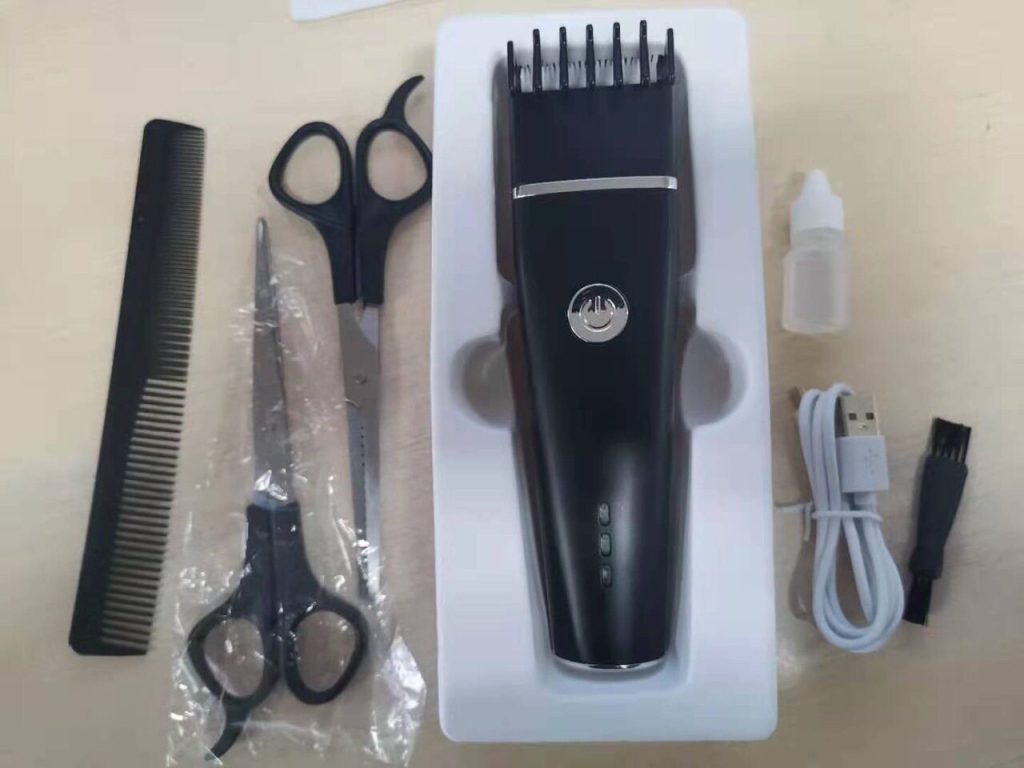
Ordering a sample from a hair clipper manufacturer is an important step, but it does not guarantee that the bulk shipment will have exactly the same quality.
This is one of the most frustrating situations for importers and private-label brands.
The sample works well. The motor sounds smooth. The blades cut properly. The housing looks clean. The packaging seems acceptable.
The buyer approves the sample and places a much larger order.
Then the production shipment arrives.
Some clippers have stronger vibration. A few units have different blade alignment. Battery performance is inconsistent. The housing has small gaps. The charging port feels different. The finish is not as clean as the sample.
The buyer naturally asks:
How could this happen if the sample was approved?
The answer is that a sample and mass production are two different manufacturing situations.
A sample demonstrates what the manufacturer can produce.
Mass production demonstrates whether the manufacturer can reproduce it consistently.
That distinction is extremely important when sourcing hair clippers from China or other manufacturing markets.
1. A Sample Is Usually Made Under More Controlled Conditions
A development or pre-production sample receives more attention than thousands of units moving through an assembly line.
The manufacturer may spend additional time on:
-
Component selection
-
Assembly
-
Adjustment
-
Cleaning
-
Appearance
-
Testing
-
Packaging
If the buyer identifies a problem, the factory can make adjustments before producing the next sample.
This creates a relatively controlled environment.
Mass production is different.
The factory must repeat the same process hundreds or thousands of times while controlling:
-
Material supply
-
Worker operations
-
Equipment
-
Production speed
-
Component tolerances
-
Inspection
-
Packaging
The challenge is no longer:
“Can we make one good clipper?”
The challenge becomes:
“Can we make every clipper within the agreed specification?”
2. The Biggest Problem Is Often Component Variation
A finished hair clipper contains many components.
Even if the outside looks identical, internal components can vary between production batches.
Examples include:
-
Motors
-
Batteries
-
PCBs
-
Blades
-
Switches
-
Charging ports
-
Springs
-
Screws
-
Gears
-
Plastic housings
-
Connectors
Small variations can change the final product.
For example, two motors with the same advertised specification may not behave exactly the same under load.
Two battery batches may also produce different runtime results.
This does not automatically mean that the supplier is dishonest.
It means the manufacturer needs an effective incoming quality-control system.
3. The Approved Sample Can Become Meaningless if It Is Not Properly Documented
Many buyers say:
“We approved the sample.”
But what exactly did they approve?
Was it simply the physical appearance?
Or was the sample documented with:
-
Product dimensions
-
Weight
-
Motor specification
-
Battery specification
-
Blade configuration
-
Accessories
-
Charging system
-
Color
-
Logo
-
Packaging
-
Performance requirements
If the sample is not documented, disagreements become much more difficult to resolve.
The manufacturer may say:
“This is our standard version.”
The buyer may say:
“That is not the version we approved.”
Both sides may genuinely believe they are correct.
A written specification removes much of this ambiguity.
4. A Photo Cannot Capture the Most Important Differences
Some production problems are immediately visible.
Others are not.
A photograph can show:
-
Logo position
-
Color
-
Housing appearance
-
Packaging
-
General workmanship
But a photograph cannot tell you:
-
Motor noise
-
Vibration
-
Battery runtime
-
Cutting performance
-
Charging behavior
-
Temperature
-
Blade resistance
-
Electrical reliability
This is why a production inspection cannot rely solely on appearance.
Functional testing is essential for an electrical product such as a hair clipper.
5. The Motor May Be Changed Without Changing the Appearance
This is one of the more serious risks for OEM buyers.
The external housing may remain exactly the same while the internal motor changes.
Why might this happen?
Possible reasons include:
-
Original motor is unavailable
-
Supplier changes
-
Cost reduction
-
Production shortage
-
Component discontinuation
-
Factory purchasing decision
A different motor can affect:
-
Speed
-
Torque
-
Noise
-
Vibration
-
Heat
-
Battery consumption
-
Cutting performance
If motor specifications are important to your product, the manufacturer should not substitute the motor without approval.
6. Battery Changes Can Be Difficult to Detect
Battery substitutions are another potential source of inconsistency.
A clipper may still have the same external battery compartment.
The label may even show a similar capacity.
But the actual battery cells or configuration may differ.
This can affect:
-
Runtime
-
Charging time
-
Heat
-
Cycle life
-
Performance under load
For private-label brands, battery specifications should therefore be included in the product documentation.
Do not rely only on a marketing statement such as:
“Up to 5 hours runtime.”
Actual runtime depends on operating conditions.
The important thing is to define how the manufacturer’s stated performance is measured.
7. Blade Assembly Can Change the User Experience
A hair clipper’s performance depends heavily on the blade system.
Even when the blade material remains unchanged, assembly can affect the final result.
Potential problems include:
-
Incorrect alignment
-
Uneven pressure
-
Excessive blade friction
-
Incorrect adjustment
-
Loose fasteners
-
Poor finishing
A blade assembly that is slightly different from the approved sample can change:
-
Cutting performance
-
Noise
-
Heat
-
Vibration
-
User comfort
For this reason, blade performance should be included in production inspection.
8. Assembly Workers Can Create Variation
Mass production involves repeated manual and automated processes.
Human assembly can introduce variation when procedures are not sufficiently controlled.
Examples include:
-
Screw tightening
-
Blade positioning
-
Wire routing
-
Battery installation
-
PCB installation
-
Housing assembly
-
Switch installation
A component may be perfectly manufactured but incorrectly installed.
This is why good factories use standardized work instructions and inspection points.
The goal is to make the production process less dependent on individual worker judgment.
9. Plastic Housing Quality Can Change Between Batches
Buyers often pay attention to the external shell because it is the first thing customers see.
Possible production differences include:
-
Color variation
-
Surface marks
-
Flash
-
Sink marks
-
Uneven gaps
-
Warping
-
Scratches
-
Button fit
These problems can occur because of:
-
Material variation
-
Injection-molding conditions
-
Mold wear
-
Temperature
-
Production settings
-
Assembly pressure
A small appearance difference may be acceptable for one product and unacceptable for another.
Therefore, the buyer and manufacturer should agree on what constitutes an acceptable cosmetic defect.
10. Color Matching Is More Difficult Than It Looks
For private-label brands, color can be commercially important.
A buyer may approve a specific housing color.
During mass production, the color can vary because of:
-
Different raw-material batches
-
Different pigments
-
Injection-molding conditions
-
Surface treatment
-
Supplier changes
The safest approach is to establish a physical color reference or another agreed standard.
Simply writing:
“Black”
is not enough if brand consistency matters.
11. Packaging Is Often Changed During Mass Production
Packaging can also differ from the sample.
A sample may be carefully packed for presentation.
The bulk shipment may use a different packing method to reduce cost or save space.
Changes can include:
-
Inner protection
-
Carton thickness
-
Foam
-
Plastic bags
-
Product arrangement
-
Quantity per carton
-
Carton dimensions
A packaging change may appear harmless but can increase transportation damage.
If the product will travel internationally, packaging should be evaluated for the actual shipping conditions.
12. The Production Schedule Can Affect Quality
A factory operating under normal production conditions may have sufficient time for inspection.
A factory rushing to meet a shipping deadline may prioritize output.
This can increase the risk of:
-
Incomplete inspection
-
Assembly mistakes
-
Packaging errors
-
Rework
-
Missed defects
This does not mean production speed automatically causes poor quality.
The issue is whether the factory has enough capacity and process control to maintain quality while meeting the schedule.
13. Raw Material Shortages Can Trigger Unapproved Substitutions
Suppose a manufacturer normally uses one charging port.
The supplier suddenly has a shortage.
The factory may have two choices:
Delay production
or
Use another component.
If the factory chooses substitution without telling the buyer, the final product may differ from the approved sample.
This is why purchasing agreements should define which components are considered critical.
Examples may include:
-
Motor
-
Battery
-
PCB
-
Blade
-
Charger
-
Charging port
A replacement should require buyer approval when the component can affect product performance or safety.
14. The Factory’s Quality-Control System Matters More Than Its Marketing
Almost every manufacturer can say:
“We have strict quality control.”
That statement is not enough.
Ask how quality is actually controlled.
For example:
Incoming inspection
Are motors, batteries, blades, and other critical components checked when they arrive?
In-process inspection
Are workers or QC personnel checking assembly during production?
Final inspection
Are finished clippers tested before packaging?
Pre-shipment inspection
Are finished cartons sampled before the goods leave the factory?
The important question is not whether the factory has a QC department.
It is:
What does QC actually do?
15. Use the Approved Sample as a Golden Reference
For repeat OEM production, keep a clearly identified approved sample.
This sample should represent the exact commercial version.
It can be used to compare:
-
Housing
-
Color
-
Logo
-
Blade
-
Accessories
-
Packaging
-
Dimensions
-
Weight
-
Functional performance
For large orders, the reference sample should be properly identified and stored.
This is much more reliable than saying:
“Make it the same as last time.”
16. Create a Manufacturing Specification Sheet
A good specification sheet does not have to be complicated.
It should contain the information necessary to reproduce the product.
For example:
Category |
Information |
|---|---|
Product |
Hair clipper |
Motor |
Approved specification |
Battery |
Approved specification |
Blade |
Approved configuration |
Housing |
Approved material/color |
Weight |
Agreed range |
Accessories |
Approved list |
Charger |
Approved model/specification |
Logo |
Approved artwork |
Packaging |
Approved structure |
Testing |
Agreed functional checks |
This document becomes the production reference.
17. Establish Acceptable Tolerances
Not every manufactured product will be mathematically identical.
For example, product weight may naturally vary slightly.
Dimensions may also have small manufacturing tolerances.
The buyer should therefore distinguish between:
Normal manufacturing variation
and
Unacceptable deviation.
For important characteristics, establish acceptable ranges.
This avoids arguments based on subjective judgment.
18. Pre-Shipment Inspection Can Catch Problems Before Delivery
For a large order, inspecting the products before shipment can be valuable.
A third-party inspection company or the buyer’s own QC team can check a sample of finished products.
Depending on the order, inspection can include:
-
Appearance
-
Quantity
-
Dimensions
-
Weight
-
Accessories
-
Packaging
-
Motor operation
-
Blade operation
-
Charging
-
Battery performance
-
Functional operation
The inspection plan should reflect the actual risks of the product.
There is no reason to spend most of the inspection time checking the carton artwork while ignoring whether the clipper actually works.
19. Don’t Wait Until the Goods Arrive in Your Warehouse
A common mistake is inspecting only after the shipment reaches the destination country.
At that point, problems become more expensive to solve.
You may already have:
-
Paid international freight
-
Paid customs charges
-
Paid local delivery
-
Stored the goods
-
Scheduled customer deliveries
If a significant defect is discovered, returning or reworking the products becomes difficult.
For large orders, identifying problems before shipment is usually easier.
20. Use a Trial Order Before Scaling Up
If you have never worked with a manufacturer before, a trial order can provide useful information.
You can evaluate:
-
Actual production quality
-
Communication
-
Packaging
-
Lead time
-
Inspection cooperation
-
Defect handling
-
Documentation
-
Consistency
The purpose is not to guarantee that future production will be perfect.
It is to collect evidence before increasing your exposure.
A supplier that handles a small order professionally gives you more information than a supplier that only provides impressive sales materials.
21. Ask the Manufacturer What Happens When a Component Changes
This question can reveal a lot about the factory’s internal management.
Ask:
“If your motor, battery, PCB, or blade supplier changes, how will you control the change?”
A mature manufacturer should have a process for:
-
Identifying the change
-
Evaluating the new component
-
Testing the new configuration
-
Informing the customer when necessary
-
Updating production documentation
Uncontrolled component changes are much more dangerous than planned engineering changes.
22. Compare the First Production Run With the Approved Sample
When the first bulk shipment is ready, compare several production units against the reference sample.
Look at both physical and functional characteristics.
Physical comparison
-
Shape
-
Color
-
Weight
-
Dimensions
-
Logo
-
Buttons
-
Accessories
-
Packaging
Functional comparison
-
Motor sound
-
Vibration
-
Cutting performance
-
Battery runtime
-
Charging
-
Temperature
-
Blade movement
The purpose is not to demand zero variation.
The purpose is to identify meaningful deviations before the product reaches customers.
23. What If the Manufacturer Says “This Is Normal Production Variation”?
Sometimes that explanation is valid.
Manufacturing naturally involves tolerances.
But the buyer should ask:
Is the variation within the agreed specification?
If yes, it may be acceptable.
If no, then “normal variation” is not an adequate explanation.
This is why measurable specifications are so important.
They turn a subjective argument into a technical discussion.
24. Why the Lowest Quote Can Increase Production Risk
A very low quotation is not automatically bad.
A manufacturer may genuinely have a lower cost structure.
But if the price difference comes from reducing:
-
Component quality
-
Inspection
-
Labor
-
Testing
-
Packaging
-
Production control
the buyer may pay for the difference later.
Costs can appear through:
-
Returns
-
Replacements
-
Refunds
-
Customer complaints
-
Negative reviews
-
Lost distributors
-
Emergency logistics
The real cost of a hair clipper is therefore not just the factory unit price.
It is the total cost of ownership and after-sales risk.
25. Questions to Ask Before Approving Mass Production
Before giving the manufacturer the green light, ask:
Product
-
Is the production model identical to the approved sample?
-
Are the motor and battery unchanged?
-
Are the blades unchanged?
-
Are the accessories unchanged?
Manufacturing
-
Which components are considered critical?
-
Can any component be substituted?
-
How are incoming components inspected?
-
How are assembly processes controlled?
Testing
-
What functional tests are performed?
-
Are all finished units tested?
-
How is battery performance checked?
-
How is motor operation checked?
Inspection
-
Can production samples be inspected before shipment?
-
Can a third-party inspection be arranged?
-
What defect standard will be used?
Documentation
-
Is there a final production specification?
-
Is the approved sample identified?
-
Are packaging and labeling specifications confirmed?
These questions can prevent many problems before they become expensive.
26. A Better Way to Think About Supplier Selection
When comparing hair clipper manufacturers, buyers often ask:
“Which factory has the best sample?”
A better question is:
“Which factory has the strongest ability to reproduce the sample consistently?”


No reply content