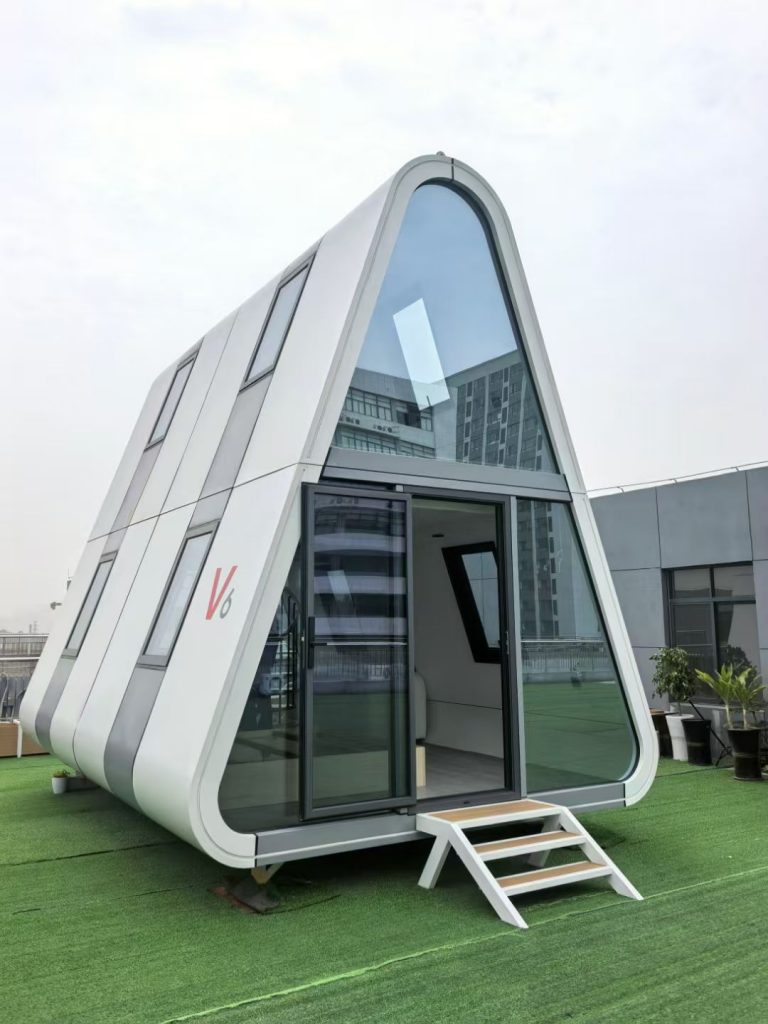
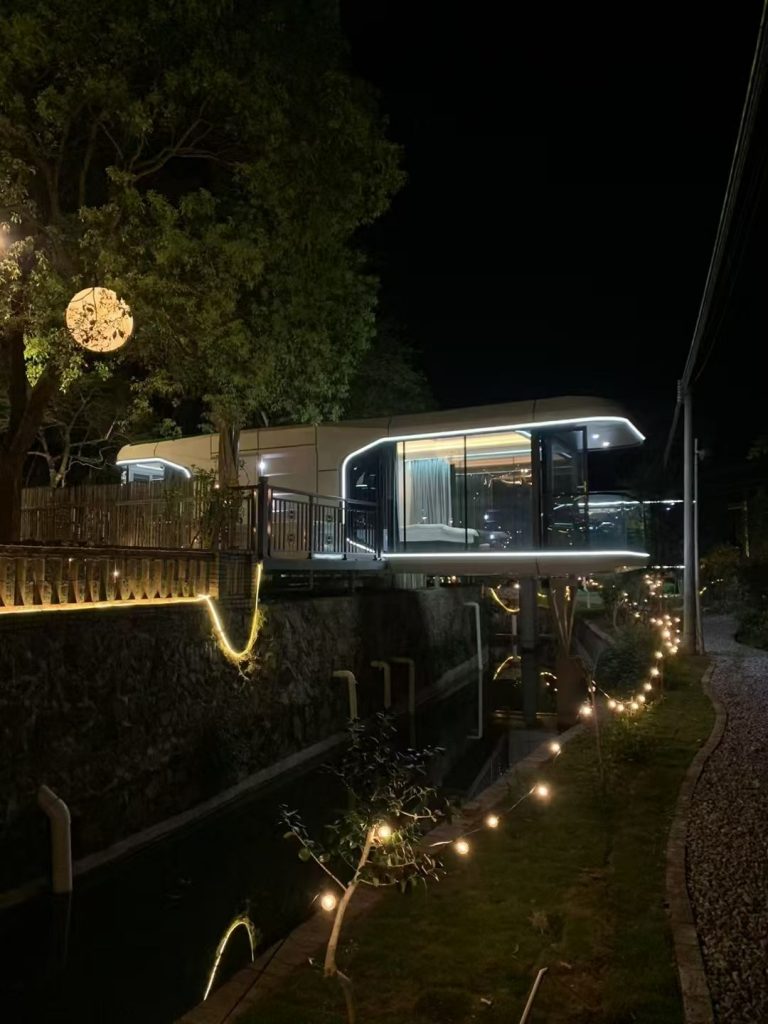
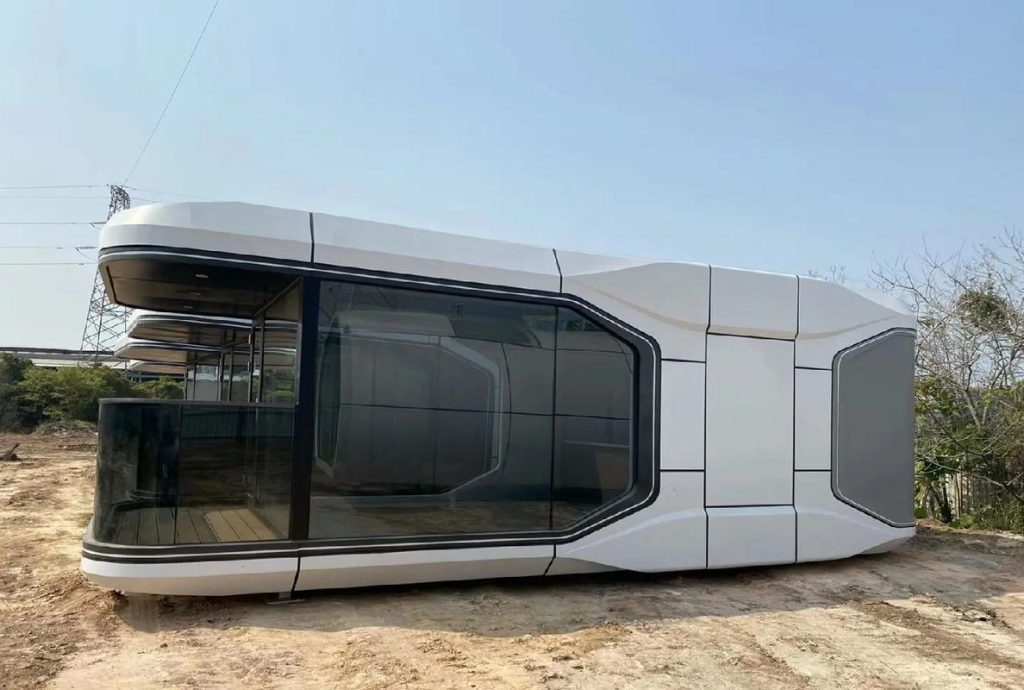
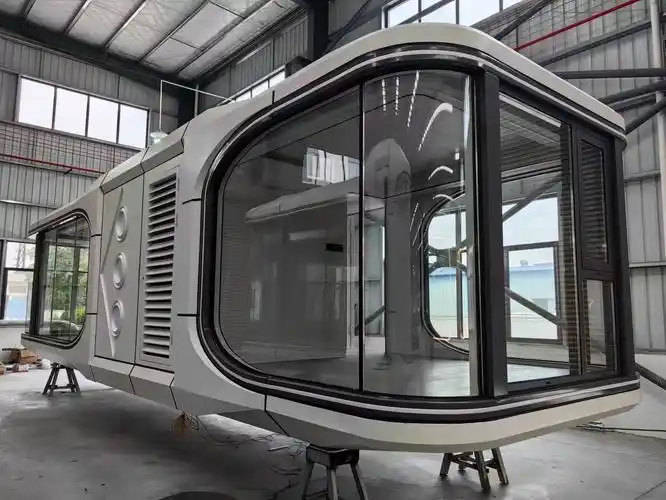
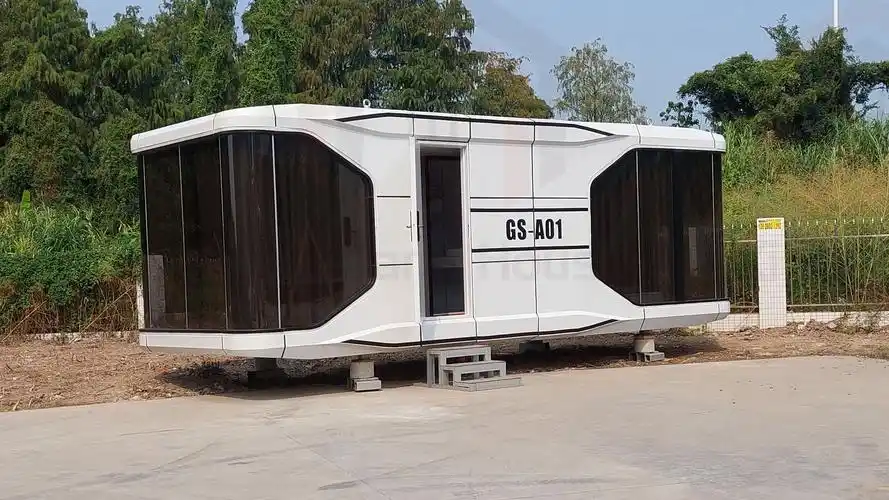
Last spring, I watched a team assemble a two-story cabin in just 72 hours—no cranes, no messy concrete pours, just interlocking modules lifted by a small truck. The owner, a teacher who’d lost her home in a wildfire, smiled as the last panel clicked into place: “This feels less like rebuilding and more like rearranging Legos.” That moment stuck with me. Modular structure isn’t just a construction method; it’s a mindset—one that treats buildings like adaptable puzzles, fitting together to meet changing needs. Let’s explore how this approach is reshaping how we build, live, and adapt.
🌱 Design Philosophy: Pieces That Fit Together
Modular structure thrives on interchangeability and scalability. Instead of rigid blueprints, it uses standardized units (walls, floors, roofs) that can be mixed, matched, or expanded like building blocks.
Vertical Table 1: 7 Core Principles of Modular Structure Design
| Principle | Description |
|---|---|
| Unit Standardization | Pre-fabricated modules (8’x20’, 10’x30’) with uniform connection points |
| Plug-and-Play Assembly | Modules lock via bolts/pins (no welding; setup by 4–6 people) |
| Scalability | Add/remove modules (e.g., extend a home by attaching a bedroom unit) |
| Material Consistency | Same-grade steel/aluminum for all modules (ensures structural integrity) |
| Aesthetic Cohesion | Mix finishes (wood, metal, composite) across modules for custom looks |
| Load Distribution | Interlocking frames spread weight evenly (avoids stress points) |
| Future-Proofing | Leave “knockout” slots for future upgrades (plumbing, electrical) |
🏠 Construction: Speed, Precision, and Less Mess
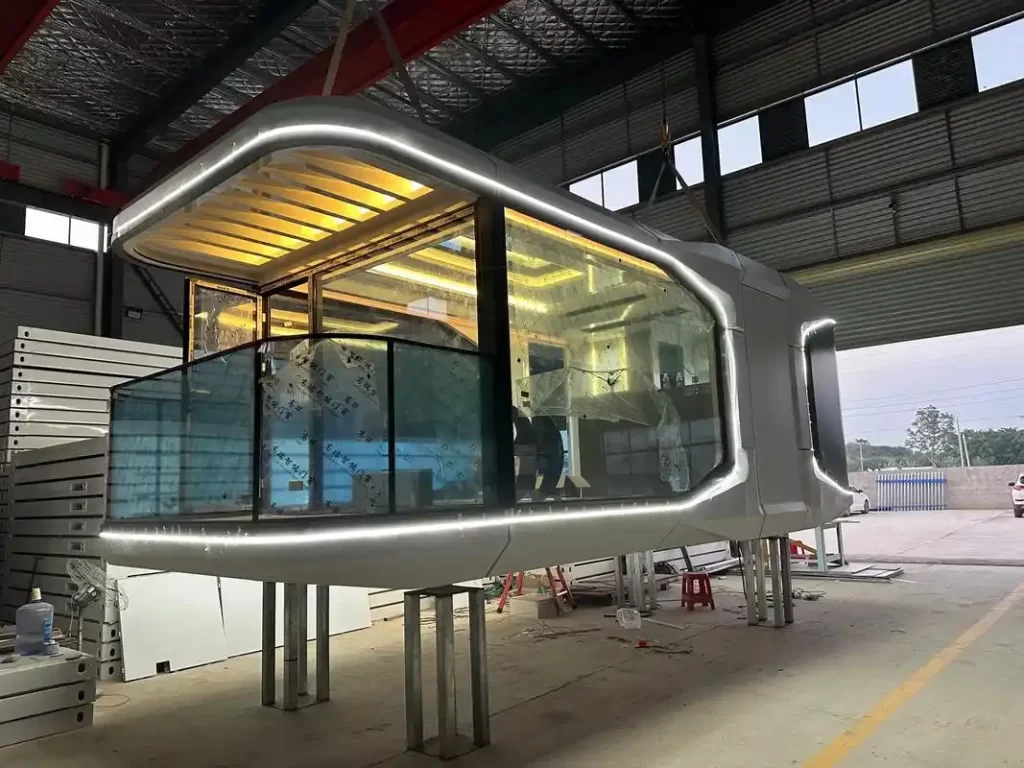
Traditional building relies on on-site chaos; modular structure brings order. Modules are built in controlled factories, then shipped to sites for assembly—like IKEA furniture for houses, but sturdier.
Horizontal Table 1: Modular vs. Traditional Construction Compared
| Metric | Modular Structure | Traditional Construction |
|---|---|---|
| Average Build Time | 2–6 weeks (factory + site assembly) | 6–12 months (on-site only) |
| Weather Dependency | 90% done indoors (rain/snow delays minimal) | 100% outdoors (delays common) |
| Material Waste | <5% (precise factory cuts) | 15–30% (on-site errors, excess) |
| Labor Needs | 40% fewer workers (factory + small site team) | 100% on-site crew (large teams) |
🌍 Sustainability: Less Waste, More Reuse
Modular structure aligns with circular economy ideals—modules can be disassembled, relocated, or repurposed.
Vertical Table 2: 7 Sustainable Advantages of Modular Structure
| Advantage | How It Works |
|---|---|
| Reduced Carbon Footprint | Factory production emits 30% less CO₂ than on-site builds (transport optimized) |
| Material Reuse | Old modules refurbished for new projects (e.g., office → tiny home) |
| Local Sourcing | Factories near sites cut transport emissions (avg. 200-mile radius) |
| Energy Efficiency | Factory-insulated modules (spray foam, double-glazed windows) beat stick-built |
| Low Site Impact | Minimal excavation; no concrete foundation (steel piers instead) |
| Water Conservation | Closed-loop systems in factories recycle 80% of water used |
| End-of-Life Recycling | 90% of steel/aluminum modules recyclable (vs. 60% for traditional wood) |
🛠️ Materials: Strong, Light, and Adaptable
Modules rely on materials that balance strength and portability—no heavy lumber or brittle concrete.
Vertical Table 3: 7 Common Materials in Modular Structures
| Material | Pros | Typical Use |
|---|---|---|
| Galvanized Steel Frames | Rust-resistant, high load capacity (supports 2+ floors) | Main structural skeleton |
| Cross-Laminated Timber (CLT) | Renewable, strong, lightweight (stores carbon) | Floors, interior walls |
| Fiber Cement Panels | Fire-resistant, termite-proof, low maintenance | Exterior cladding |
| EPS Foam Insulation | Lightweight, high R-value (R-22 per inch) | Wall/roof cores |
| Aluminum Connectors | Corrosion-proof, reusable (500+ attachment cycles) | Module joining points |
| Polycarbonate Sheeting | Impact-resistant, translucent (lets in diffused light) | Skylights, partition walls |
| Recycled Composite Decking | Made from plastic bags/bottles; slip-resistant | Outdoor platforms, stairs |
😊 User Experience: Homes That Grow With You
For families, nomads, or businesses, modular structure offers flexibility no fixed building can match.
Vertical Table 4: 7 Real-World UX Wins
| Scenario | How Modular Structure Helps |
|————————-|—————————————————————————–|——————————————-|
| Growing Family | Add a bedroom module when a child arrives (no moving) |
| Remote Worker | Attach a home-office module to a cabin (separate workspace) |
| Disaster Recovery | Ship pre-fab modules to rebuild a town in weeks (vs. months) |
| Seasonal Business | Add retail modules for holidays; remove in off-season |
| Aging in Place | Install wheelchair-accessible modules (wider doors, roll-in showers) |
| Student Housing | Stack modules vertically for dorms (add floors as enrollment grows) |
| Vacation Rental | Link modules to create multi-unit properties (adjust for group size) |
🏘️ Applications: Beyond Houses
Modular structure isn’t just for homes—it’s reshaping schools, clinics, and even stadiums.
Horizontal Table 2: 5 Modular Structure Use Cases
| Application | Key Benefit | Example |
|---|---|---|
| Affordable Housing | Low cost (80–120/sq ft) + fast deployment | Urban infill projects in dense cities |
| Emergency Shelters | 48-hour setup; relocatable post-crisis | Typhoon relief centers in Southeast Asia |
| Educational Buildings | Expand classrooms as student numbers grow | Rural schools with add-on modules |
| Healthcare Clinics | Sterile, prefab exam rooms (shipped ready) | Mobile COVID testing units |
| Commercial Pop-Ups | Temporary stores/events (rentable modules) | Holiday markets in vacant lots |
⚠️ Challenges & How to Navigate Them
No system is perfect—here’s how modular structure addresses common hurdles.
Vertical Table 5: 7 Challenges & Practical Fixes
| Challenge | Solution |
|————————-|—————————————————————————–|———————————————|
| Transportation Limits | Design modules <8.5’ wide (fits standard trucks); use flatbed shipping |
| Site Access Issues | Pre-assemble modules partially at ground level; use smaller cranes |
| Perceived “Cookie-Cutter” Look | Customize exteriors (mix materials, add porches) |
| Code Compliance | Work with local authorities early (many regions now have modular standards)|
| Acoustic Isolation | Add soundproofing (mass-loaded vinyl) between modules |
| Foundation Costs | Use pier foundations (cheaper than slabs for flat sites) |
| Skilled Labor Shortage | Train local crews in module assembly (simpler than traditional framing) |
📈 Future Trends: Smarter, Greener, More Connected
Modular structure is evolving with tech—expect AI, 3D printing, and biotech to play bigger roles.
Horizontal Table 3: 2025–2030 Modular Structure Trends
| Trend | Impact | Example Idea |
|---|---|---|
| AI-Optimized Layouts | Software designs modules for energy efficiency + local climate | Desert modules with passive cooling vents |
| 3D-Printed Joints | On-site printers create custom connectors (reduces waste) | Irregularly shaped site adaptations |
| Biodegradable Modules | Mycelium-based panels (grow in 2 weeks; decompose in 5 years) | Temporary event structures |
| Smart Module Integration | Modules with built-in sensors (monitor structural health) | Alert owners to wear in real time |
🌟 Why Modular Structure Matters
It’s a response to a world that’s constantly changing—where families grow, businesses pivot, and disasters strike. For the teacher I met, modular structure meant rebuilding her life in weeks, not years. For a startup, it meant opening a pop-up shop in days. It’s proof that buildings don’t have to be permanent prisons; they can be flexible tools, adapting to your story.
Final Thought
Next time you see a construction site, imagine if it were a giant puzzle—pieces arriving by truck, clicking together like magic. That’s modular structure: not just a way to build, but a way to think. And in a world that demands agility, maybe that’s the most important tool of all.
Article link:https://www.vlefooena.com/%f0%9f%a7%a9-modular-structure-building-blocks-for-a-flexible-world-%f0%9f%8f%97%ef%b8%8f


No reply content