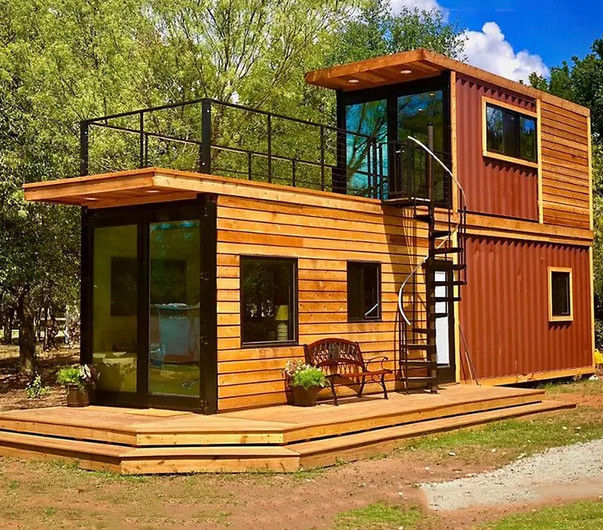
As urbanization accelerates and lifestyles evolve, the demand for innovative, flexible, and sustainable housing solutions has grown exponentially. Among the most transformative developments in recent years is the mobile container house, which combines modular design, mobility, and adaptability to create versatile living and working spaces. By 2026, mobile container houses are set to redefine modern living, offering solutions that meet the demands of urban dwellers, remote workers, travelers, and emergency housing needs.
The Concept of Mobile Container Houses
Mobile container houses are prefabricated structures built using shipping containers as the primary framework. These containers, originally designed for cargo transport, provide a durable, standardized, and modular base that can be adapted into comfortable living spaces. Unlike traditional homes, container houses are portable, allowing users to relocate them as needed while retaining structural integrity.
The 2026 mobile container house represents the next generation of this concept. It integrates advanced materials, intelligent design, and sustainable technologies to meet contemporary expectations for comfort, aesthetics, and environmental responsibility. These homes are no longer just temporary shelters—they are fully functional, stylish, and energy-efficient living spaces.
Structural Design and Flexibility
A defining feature of mobile container houses is their modular structure. Each container can serve as an independent unit or be combined with multiple containers to form multi-room layouts. The standardized dimensions of containers make it easy to stack, align, and connect units, enabling architects and designers to create diverse floor plans that suit individual needs.
By 2026, mobile container houses will feature even more flexible structural designs. Sliding walls, foldable partitions, and extendable modules will allow residents to reconfigure their living space according to changing requirements. Roof terraces, integrated decks, and collapsible exterior extensions further enhance usability without compromising mobility.
Materials and Durability
Durability and resilience are key advantages of container houses. Shipping containers are constructed from high-strength, corrosion-resistant steel, which provides a robust skeleton capable of withstanding extreme weather conditions, earthquakes, and heavy loads. However, converting containers into habitable spaces requires additional materials to ensure insulation, comfort, and aesthetics.
Modern mobile container houses employ advanced insulation materials such as eco-friendly foam, mineral wool, and thermal panels to maintain stable indoor temperatures year-round. High-performance glass windows and doors, combined with weatherproof cladding and protective coatings, enhance energy efficiency while preventing heat loss, condensation, or water intrusion. Interior finishes, including wood panels, vinyl flooring, and moisture-resistant coatings, provide both comfort and style.
Energy Efficiency and Sustainability
Sustainability is a central focus of 2026 mobile container houses. These homes are designed to minimize environmental impact while reducing energy costs for occupants. Solar panels, wind turbines, and energy-efficient appliances are commonly integrated into the design, enabling self-sufficient energy systems. Rainwater harvesting, greywater recycling, and low-flow plumbing fixtures further contribute to environmental conservation.
Reusing shipping containers themselves is inherently sustainable, reducing the demand for new construction materials and minimizing waste. Combined with recyclable or biodegradable insulation, paint, and furniture, mobile container houses offer an eco-friendly alternative to conventional housing.
Interior Design and Comfort
Contrary to common misconceptions, container houses do not compromise on comfort or style. By 2026, interior design will seamlessly blend functionality with aesthetics. Open-plan layouts, multifunctional furniture, and smart storage solutions maximize space utilization. Kitchens, bathrooms, and bedrooms are fully equipped with modern appliances and fixtures, providing convenience and comfort comparable to traditional homes.
Advanced smart home technologies are also incorporated into mobile container houses. Automated lighting, climate control, security systems, and energy monitoring can be managed via smartphones or voice assistants, ensuring residents enjoy both convenience and efficiency.
Mobility and Transportation
One of the most significant advantages of container houses is their portability. Unlike conventional buildings, mobile container homes can be transported via trucks, ships, or trains, enabling relocation in response to lifestyle changes, work requirements, or environmental factors. By 2026, innovations in lightweight materials, foldable structures, and modular connections will further simplify transportation and setup, reducing costs and setup time.
This mobility is particularly beneficial for disaster relief, temporary housing, remote work sites, and travel accommodations. Governments, corporations, and individuals increasingly recognize the value of movable, adaptable housing solutions in a rapidly changing world.
Customization Options
Customization is a hallmark of modern mobile container houses. Clients can choose from various layouts, exterior finishes, interior themes, and functional add-ons. For example, a single 40-foot container can be transformed into a minimalist studio, while multiple connected units can serve as spacious family homes, offices, or boutique hotels.
Exterior customization options include paint colors, cladding materials, solar panel arrays, and rooftop gardens. Interior customization can include modular furniture, entertainment systems, smart lighting, and adjustable partitions. This flexibility allows mobile container houses to cater to diverse markets, from luxury homeowners to sustainable lifestyle enthusiasts.
Applications and Market Trends
Mobile container houses are versatile enough to serve a broad spectrum of applications:
- Urban Living: Compact urban dwellings and micro-apartments for young professionals and students.
- Remote Workspaces: Home offices, studios, or co-working spaces in rural or scenic locations.
- Hospitality and Tourism: Pop-up hotels, glamping resorts, and vacation rentals in remote or high-demand areas.
- Emergency and Temporary Housing: Rapid deployment for disaster relief, construction sites, or refugee accommodation.
- Retail and Commercial Spaces: Mobile shops, cafes, and exhibition units that can be relocated easily.
The trend toward minimalism, mobility, and sustainability is expected to drive further adoption of mobile container houses, especially among environmentally conscious consumers and businesses seeking flexible infrastructure solutions.
Challenges and Solutions
Despite their advantages, mobile container houses face challenges such as insulation in extreme climates, space limitations, and regulatory compliance. By 2026, technological advancements and innovative design approaches address these concerns. High-performance insulation, modular extensions, and hybrid container-concrete systems improve comfort and stability. Collaboration with local authorities ensures compliance with building codes, zoning laws, and safety regulations.
Future Outlook
The future of mobile container houses is promising. As urban populations grow, land scarcity intensifies, and environmental concerns become more pressing, the demand for flexible, sustainable housing solutions will continue to rise. By 2026, mobile container houses are expected to feature enhanced smart technologies, improved energy self-sufficiency, and modular designs that rival traditional homes in both comfort and aesthetics.
With continuous innovation in materials, design, and sustainability, mobile container houses are poised to become a mainstream solution for modern living, blending mobility, functionality, and environmental responsibility into one adaptable housing model.
Conclusion
The 2026 mobile container house represents a paradigm shift in housing. It combines durability, mobility, sustainability, and customization to meet the evolving needs of modern society. Whether for urban living, remote work, tourism, or emergency accommodation, these innovative homes offer a practical, stylish, and eco-friendly solution. As technology advances and design concepts evolve, mobile container houses are set to redefine the way people think about homes, transforming traditional concepts of living into flexible, sustainable, and highly adaptable spaces.
Article link:https://www.vlefooena.com/2023-mobile-container-house


No reply content