In recent years, the concept of modern living has been rapidly evolving. Urbanization, environmental concerns, and a growing desire for flexible living solutions have driven innovation in residential construction. Among the most promising trends is the advanced prefab living pod, a modular house design that combines energy efficiency, sustainability, and mobility. This article explores the features, benefits, and future prospects of these cutting-edge modular homes.
What is a Prefab Living Pod?
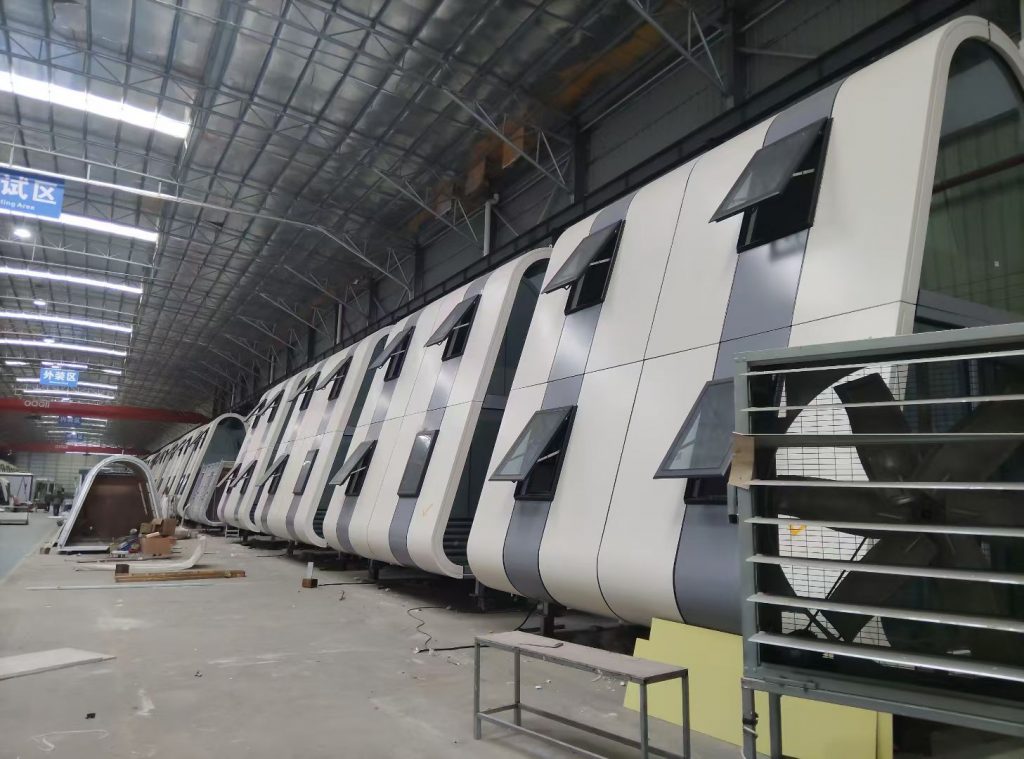
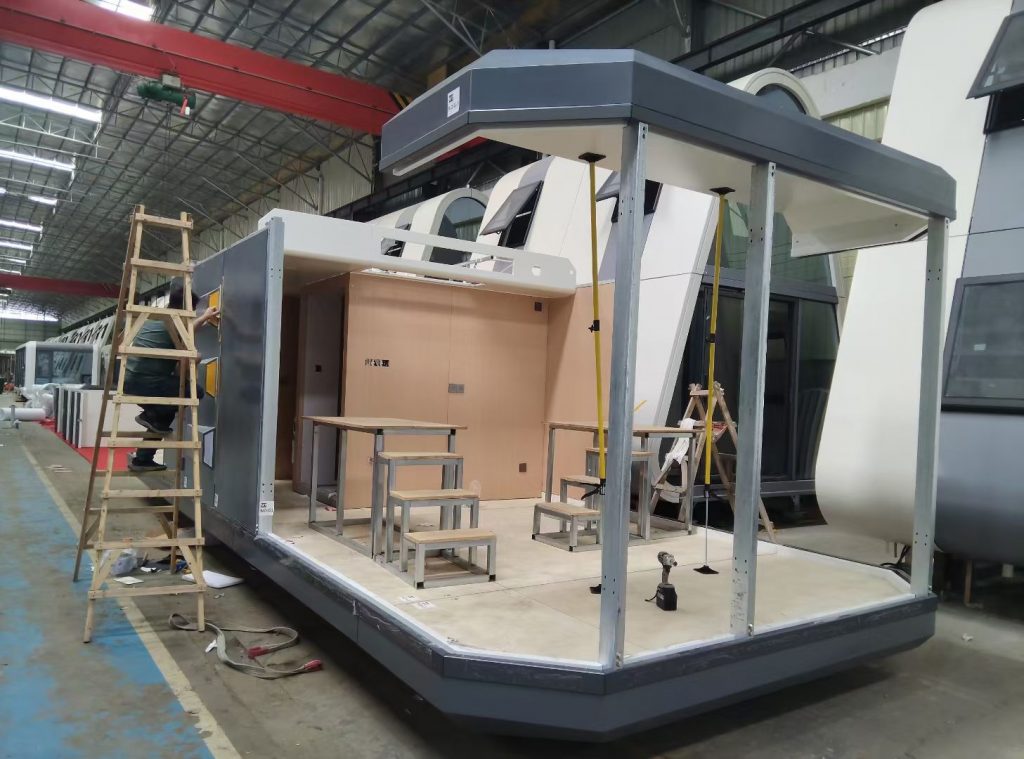
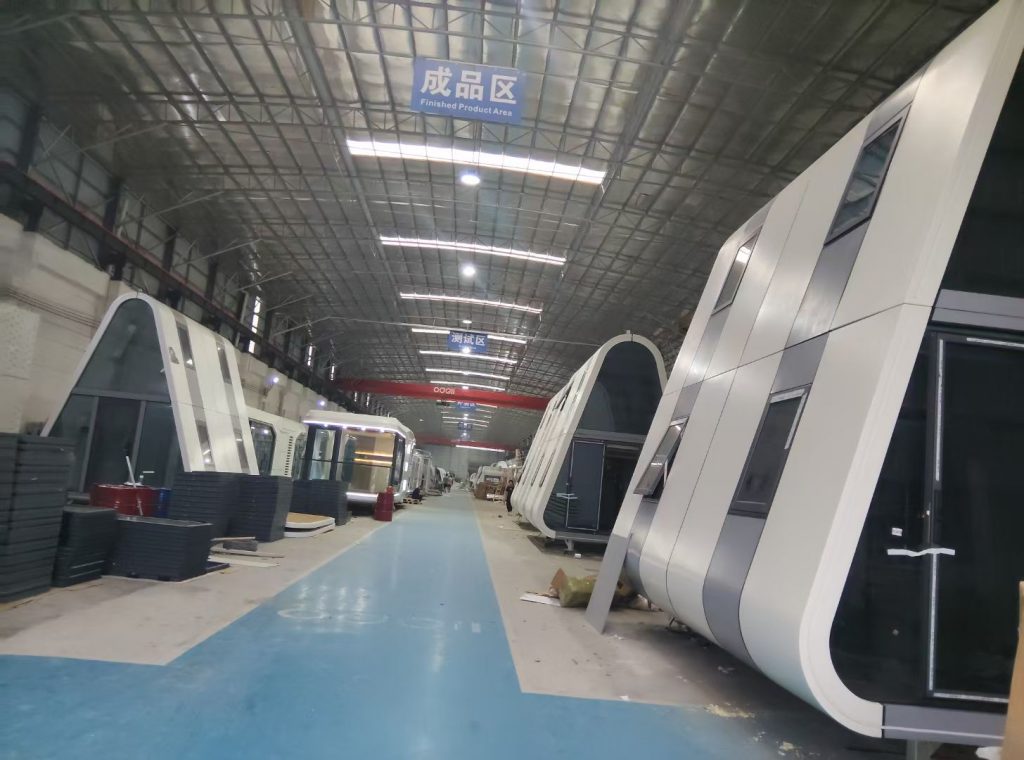
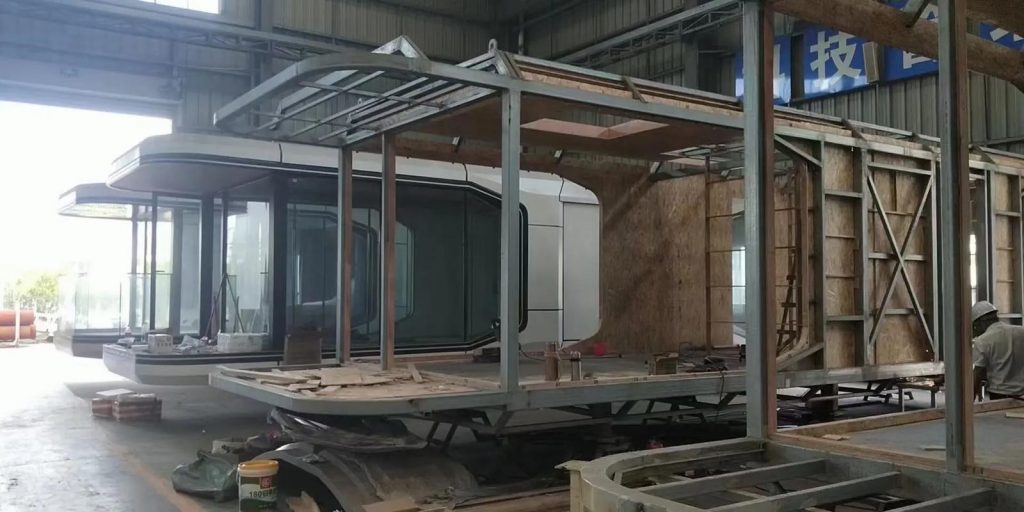
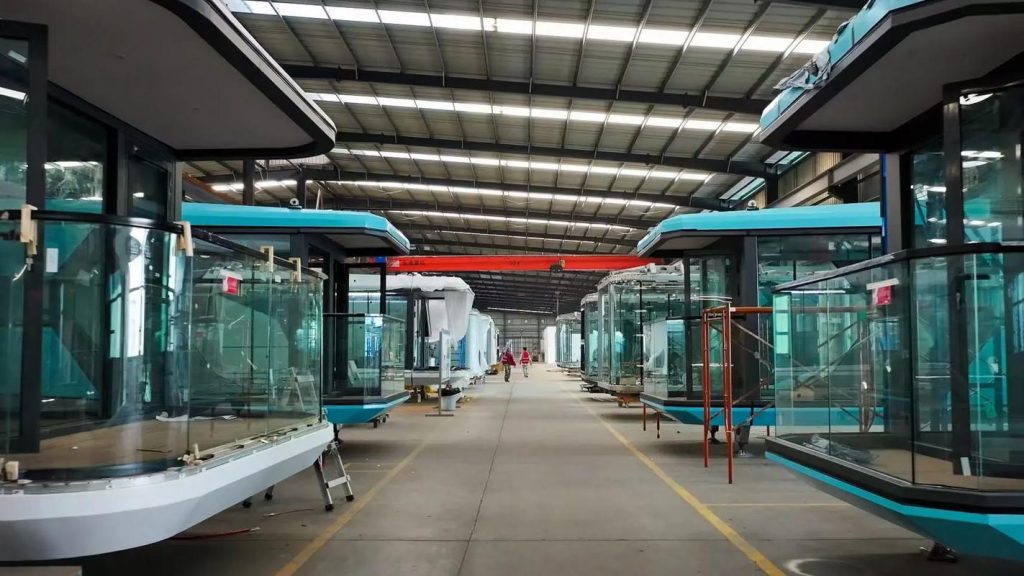
A prefab living pod is a fully designed modular housing unit that is manufactured off-site in a controlled factory environment and then transported to the desired location for assembly. Unlike traditional construction methods, prefab pods are built in sections, or “modules,” which are later joined together on-site. This process ensures precision, reduces waste, and significantly shortens construction time.
Modern prefab living pods are often designed with energy efficiency in mind. They incorporate insulation, smart energy systems, and renewable energy options to minimize environmental impact. Additionally, their modular design allows for scalability, making it easy for homeowners to expand their living space without extensive reconstruction.
Key Features of Advanced Prefab Living Pods
1. Energy Efficiency
Energy efficiency is a cornerstone of advanced prefab living pods. These modular homes often include:
- High-performance insulation: Walls, floors, and roofs are equipped with premium insulation materials that maintain indoor temperature year-round.
- Solar panels: Many pods integrate solar energy systems, reducing reliance on the grid and lowering utility costs.
- Smart HVAC systems: Modern heating, ventilation, and air conditioning systems optimize energy usage based on occupancy and weather conditions.
- LED lighting and energy-efficient appliances: Every fixture is designed to reduce energy consumption without compromising comfort.
2. Sustainable Materials
Sustainability is another defining feature of prefab living pods. Manufacturers are increasingly using environmentally friendly materials such as:
- Recycled steel and aluminum for structural elements
- Low-VOC paints and finishes to improve indoor air quality
- FSC-certified wood for interior elements
- Eco-friendly insulation like sheep’s wool, cellulose, or recycled denim
These materials not only reduce the ecological footprint but also enhance the durability and longevity of the pod.
3. Modular and Flexible Design
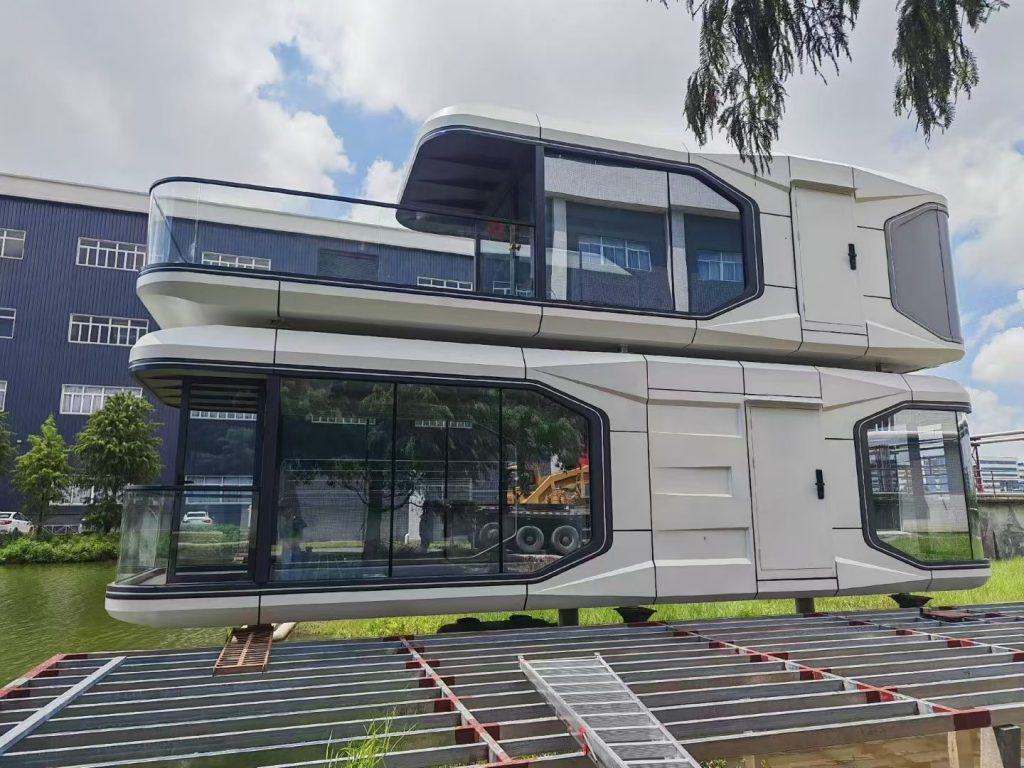
One of the biggest advantages of prefab living pods is their flexibility. Modules can be stacked, connected, or arranged in various configurations to create a personalized home. This makes them suitable for:
- Urban settings: Compact units fit on small city lots without compromising functionality.
- Rural areas: Modules can be expanded horizontally to accommodate larger spaces.
- Temporary or mobile living: Pods can be relocated as needed, ideal for remote work, research stations, or vacation homes.
4. Quick Installation
Traditional homes often require months or even years of construction. In contrast, prefab living pods can be assembled in a matter of weeks. The factory-controlled environment ensures consistent quality and reduces the risk of delays caused by weather or labor shortages.
5. Smart Home Integration
Advanced prefab pods often come equipped with smart home technology. This can include:
- Remote-controlled lighting, heating, and security systems
- Automated window shades and climate controls
- Energy monitoring dashboards for real-time efficiency tracking
- Integration with voice assistants and IoT devices
These features enhance convenience, improve energy management, and provide a modern living experience tailored to individual preferences.
Benefits of Living in a Prefab Pod
Cost-Effective Construction
Although the initial investment may be comparable to traditional housing, prefab pods save money in the long run. Reduced labor costs, minimized waste, and lower energy consumption contribute to overall affordability.
Reduced Environmental Impact
Prefab living pods are designed to be eco-friendly, with minimal construction waste and energy-efficient systems. This aligns with the global shift toward sustainable living and green building practices.
Customizable and Scalable
The modular nature allows homeowners to adapt and expand their living spaces as needed. Whether adding a bedroom, office, or recreational area, prefab pods can grow with changing lifestyles.
Mobility and Versatility
Unlike conventional houses, prefab pods can be relocated. This is particularly valuable for:
- Seasonal homes and vacation properties
- Disaster relief or temporary housing solutions
- Remote workspaces or field research stations
Enhanced Comfort and Safety
Factory-built precision ensures that prefab pods are structurally sound and resistant to common issues such as leaks, cracks, and poor insulation. Combined with smart home features, they offer a comfortable and secure living environment.
Future Trends in Prefab Living Pods
The market for prefab modular housing is expanding rapidly, with several trends shaping its future:
- Integration of renewable energy systems such as solar, wind, and geothermal technologies.
- Urban micro-living solutions, where pods are used to create high-density, sustainable neighborhoods.
- Smart and autonomous features, including AI-assisted climate control and predictive maintenance.
- Sustainable material innovations, like biodegradable composites and advanced thermal insulation.
- Hybrid designs, combining traditional construction with modular units to optimize space and efficiency.
As technology advances, prefab living pods are likely to become a mainstream solution for sustainable, flexible, and energy-efficient housing.
Conclusion
The advanced prefab living pod represents a significant step forward in modern residential construction. By combining energy efficiency, sustainability, modular flexibility, and smart technology, these homes offer a unique and practical solution for contemporary lifestyles. Whether for urban dwellers seeking compact efficiency or rural homeowners desiring flexible living, prefab pods provide a future-ready approach to housing.
With the growing demand for eco-friendly and mobile living solutions, investing in a prefab pod is not only a smart choice for today but also a forward-looking step toward a sustainable and adaptable future.
Article link:https://www.vlefooena.com/advanced-prefab-living-pod-energy-efficient-modular-house


No reply content