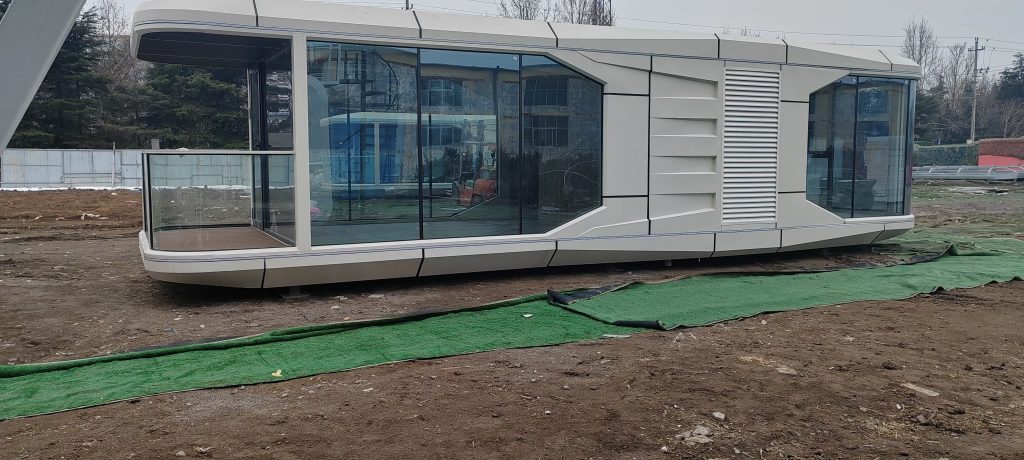
The idea of extending a home or creating additional workspace has evolved dramatically over the past decade. Traditional construction—once the only option for adding extra rooms—now faces strong competition from flexible, fast-deployable, and design-oriented modular pods. These contemporary pods offer a modern solution that blends architectural beauty with functional efficiency, giving homeowners and businesses an entirely new way to create usable space without long construction periods or major disruption.
A contemporary modular pod is engineered as a stand-alone structure that can be installed in a backyard, beside an existing building, on a rooftop, or on an open private plot. These pods are built with durable materials, insulated wall systems, panoramic windows, and integrated electrical and plumbing setups, making them suitable for use as offices, guest rooms, creative studios, meeting rooms, therapy spaces, private retreats, or even small living units. Their versatility and speed of installation are major reasons why more people are turning to modular solutions for home and workplace expansion.
1. The Concept of Contemporary Modular Pods
Contemporary modular pods represent the new generation of compact architecture: minimalist, aesthetically refined, and highly functional. These units rely on three core principles:
1. Minimalist Modern Design
The shapes typically feature clean edges, smooth curves, neutral colors, and large glass surfaces. This creates a sophisticated appearance that can complement most architectural environments—from urban homes to vacation villas and commercial buildings.
2. Off-Site Precision Construction
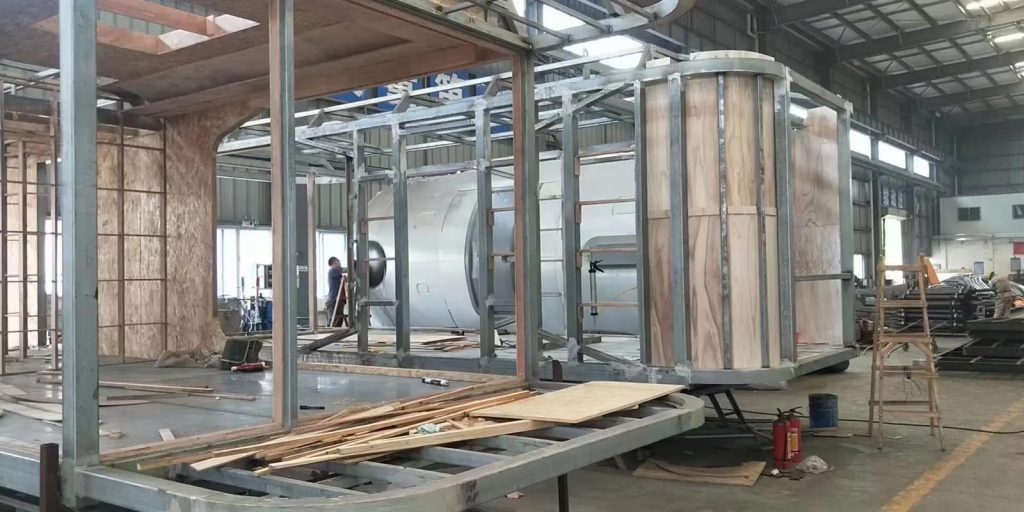
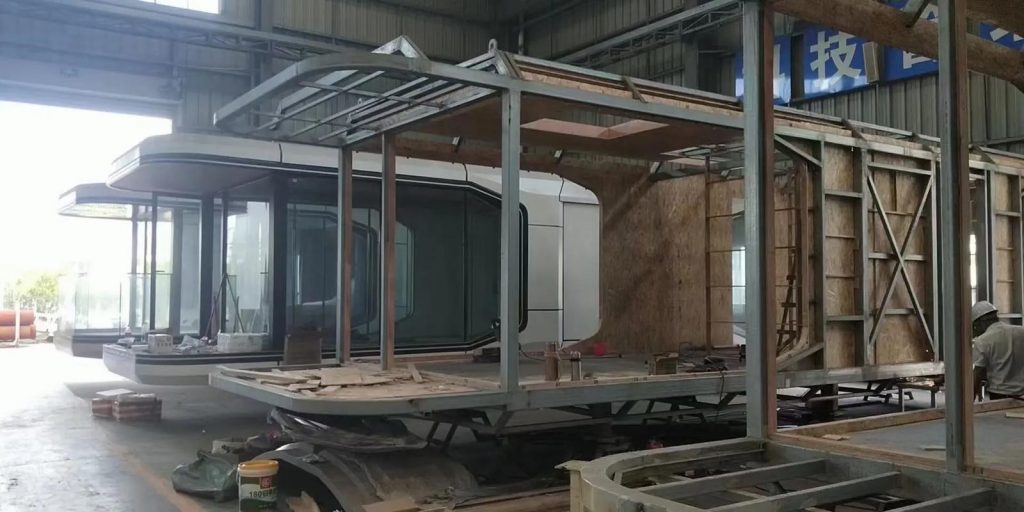
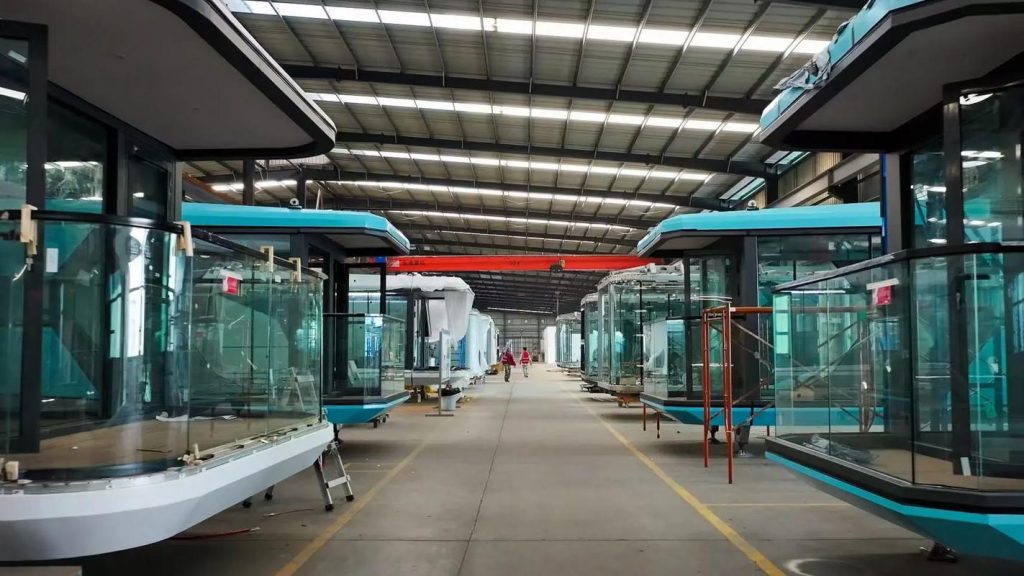
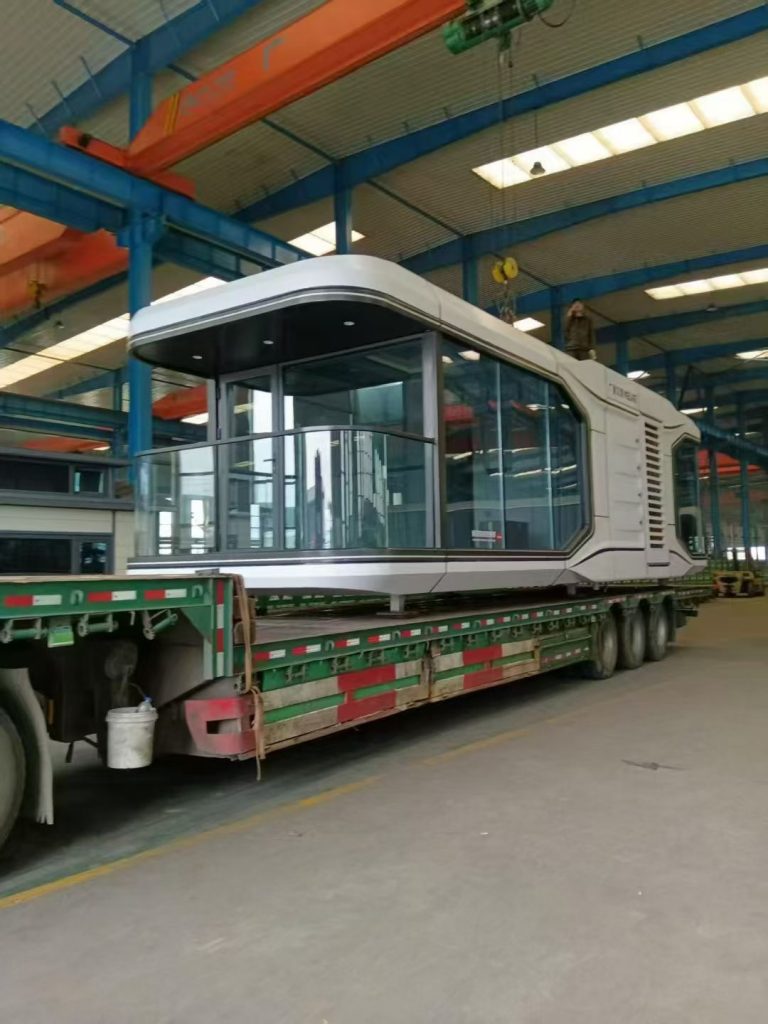
Every pod is produced inside a controlled factory environment, ensuring consistent quality, higher efficiency, and fewer disruptions compared to on-site construction. As all critical elements are completed before shipment, installation time is dramatically reduced.
3. Flexible Adaptation
These pods are not limited to residential use. They can function as home extensions, office rooms, backyard studios, remote work cabins, gaming rooms, hobby workshops, therapy rooms, or additional living quarters. This flexibility makes them an attractive solution for evolving lifestyle and work demands.
2. Why Modular Pods Are Becoming Popular for Home Extensions
Many homeowners want additional space without committing to the long, loud, and messy process of traditional building work. A modern modular pod offers a straightforward alternative.
Fast Installation
While traditional extensions require weeks or months, a modular pod can often be installed in a single day after delivery. Most of the work—including electrical wiring, wall finishing, insulation, and window installation—is completed in the factory.
Cost Control
One of the greatest advantages is the transparency of the cost. Traditional construction is prone to budget overruns, but a modular pod comes with a fixed cost based on design, size, and features.
Minimal Disruption
Because the pod arrives pre-built, there is little noise, dust, or disturbance to the home environment. No heavy demolition, long-term scaffolding, or multiple contractors are required.
Relocatable Structure
A pod can be moved, sold, or repurposed. This makes it an attractive investment for homeowners who may relocate in the future.
3. The Rise of Modular Pods for Modern Office Needs
Remote work, hybrid schedules, and the need for private, quiet environments have all contributed to the popularity of modular office pods.
A Protected Space for Work
A pod placed in a backyard or beside a home creates a physical separation from indoor distractions. This boundary significantly improves focus and productivity.
Custom Workspace Design
The pod can include:
- Built-in desks or shelving
- Large windows for natural light
- Sound-insulated walls
- Comfortable climate control
- Integrated lighting systems
- High-quality flooring
- Internet and power access
This ensures the workspace feels professional and comfortable.
A Quiet Environment
Modern modular pods often include multiple insulation layers, providing excellent sound reduction. This makes them suitable for video conferences, client meetings, or creative tasks that require concentration.
Future Business Flexibility
For small companies, modular office pods can serve as private meeting rooms, remote offices, consultation rooms, or product demonstration spaces.
4. Engineering and Structure of a Contemporary Modular Pod
A key strength of modular pods lies in their engineering. Every unit is built with a focus on durability, safety, and long-term performance.
Steel or Aluminum Framework
The main structure typically uses a reinforced steel or aluminum frame, treated for corrosion resistance. This framework supports the weight of glass panels, equipment, and interior finishes while maintaining structural stability.
High-Performance Wall Panels
Exterior and interior walls use composite materials that provide:
- Weather resistance
- Thermal insulation
- Fire-retardant properties
- Noise reduction
- Long-term durability
These materials ensure the pod can be used year-round in diverse climates.
Insulation System
Energy-efficient insulation is integrated into the walls, floor, and ceiling. This helps maintain stable temperatures even in extreme weather, reducing heating and cooling costs.
Flooring and Ceiling Design
Floors often use reinforced composite boards with finish options such as wood grain, vinyl, or engineered materials. Ceilings integrate LED lighting, wiring channels, and optional soundproof panels.
Panoramic Glass Elements
One of the most striking features of contemporary pods is their large glass surfaces. High-quality tempered or laminated glass is used to provide:
- Natural brightness
- Scenic outdoor views
- Modern aesthetic appeal
- Thermal protection through optional Low-E coatings
The combination of glass and insulated walls creates a balanced indoor environment.
5. Interior Layout Options
Because the pod is modular, the interior can be adjusted or customized based on its purpose.
Home Extension Layout
For residential use, a pod may include:
- A sleeping corner
- Foldable or built-in furniture
- A compact bathroom module
- A small kitchenette
- Large windows for natural light
This transforms a simple pod into a comfortable mini-apartment or guest suite.
Office Layout
Office versions may feature:
- A dedicated desk area
- Bookshelves and storage
- Sound-absorbing panels
- A small sitting area for clients
- Smart lighting patterns
These features support long working hours without discomfort.
Creative Studio Layout
For art, music, or photography, the interior can be optimized with:
- Adjustable lighting
- Open floor space
- Acoustic materials
- Tool storage
This makes the pod ideal for creative professionals.
6. Manufacturing Process: From Design to Completion
Producing a modular pod requires a structured workflow to ensure consistency and quality.
Step 1: Design and Planning
The process begins with architectural drawings, structural analysis, and 3D modeling to ensure safety and functionality. Layout customization is decided according to the customer’s purpose.
Step 2: Frame Fabrication
Metal components are cut, welded, and treated with anti-corrosion coatings. Quality checks ensure that tolerances remain precise.
Step 3: Exterior Shell Assembly
Wall panels, windows, insulation layers, and roof components are installed with precision. Water-sealing and airtightness are tested during this stage.
Step 4: Interior Construction
Flooring, wall finishes, ceiling panels, and built-in furniture are added. Electrical and plumbing lines are arranged through concealed channels.
Step 5: System Integration
Lighting, switches, power outlets, smart controls, ventilation systems, and optional heating or cooling units are installed and tested.
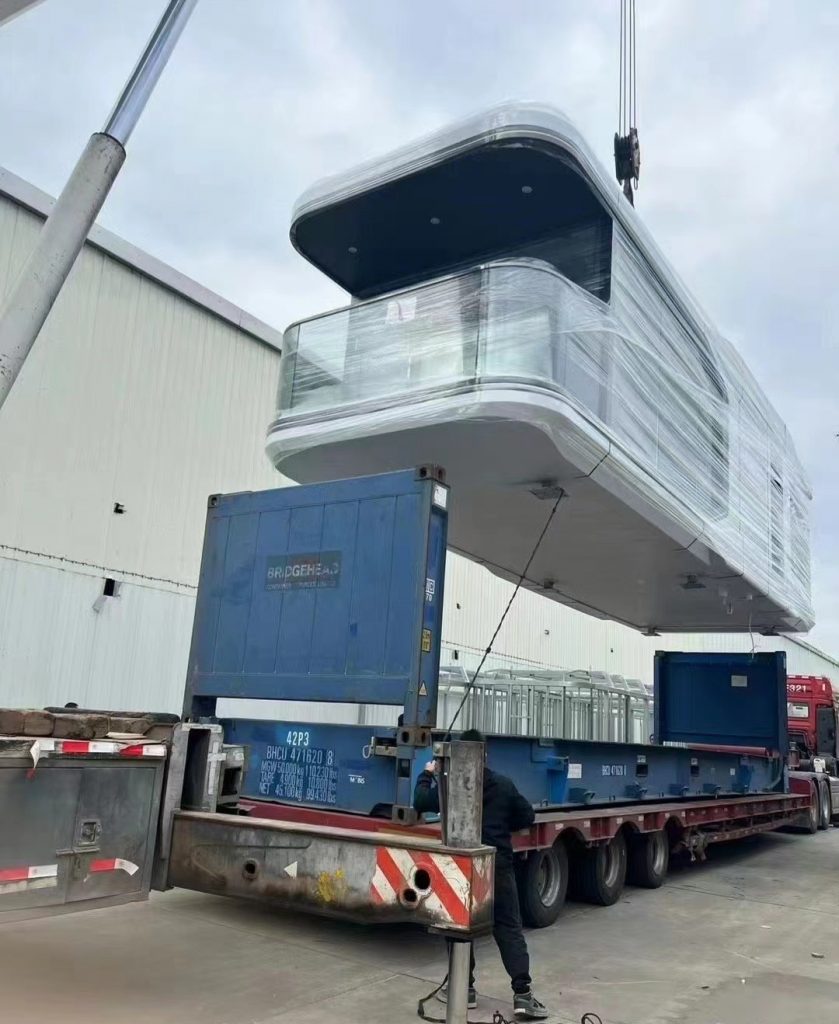
Step 6: Final Inspection and Packaging
Before shipment, the pod undergoes:
- Structural assessment
- Waterproofing tests
- Electrical safety checks
- Door and window alignment inspections
- Transport protection preparation
Only after passing all quality standards is the pod loaded for delivery.
7. Installation and Maintenance
Quick Setup
Once delivered to the site, the pod can be placed using a crane or forklift, depending on its size. It is usually mounted on prepared foundations such as concrete pads or steel supports.
Easy Maintenance
The materials are chosen to minimize long-term maintenance. Routine tasks include:
- Cleaning the glass
- Checking door and window seals
- Inspecting electrical components annually
- Keeping the exterior surface clean
Because no major structural changes occur over time, maintenance costs remain low compared to traditional buildings.
8. Benefits Compared to Traditional Construction
Choosing a modular pod offers several advantages:
1. Speed
Installation can be completed in hours, not weeks or months.
2. Design Consistency
Factory production eliminates variability caused by weather or on-site labor.
3. Affordability
Costs remain controlled and predictable.
4. Sustainability
Manufacturing uses optimized materials, reducing waste and environmental impact.
5. Mobility
A pod can be relocated if the owner moves to a new property.
6. Versatility
The same pod design can serve multiple purposes without modification.
9. The Future of Modular Living and Working Spaces
As people embrace remote work, outdoor living, and flexible lifestyles, modular pods will play an increasingly important role. Future developments may include:
- Solar-powered energy systems
- Smart home integration
- Modular expansion systems connecting multiple pods
- Advanced climate-adaptive materials
- Ultra-light structural design
- Customizable shapes and façade finishes
These innovations will expand the potential uses of pods from simple rooms to complete modern living ecosystems.
Conclusion
Contemporary modular pods have redefined the way homeowners and businesses think about space. Whether used as a home extension, a private office, a studio, or a peaceful retreat, these pods deliver modern design, fast installation, structural durability, and long-lasting comfort. They eliminate the complexity of traditional construction while offering a stylish and functional solution that fits seamlessly into different environments.
As lifestyles continue to shift and the demand for flexible, high-quality spaces grows, modular pods will remain at the forefront of innovative architecture. Their ability to adapt to both residential and professional needs makes them one of the most versatile building solutions available today.
Article link:https://www.vlefooena.com/contemporary-modular-pods-for-home-extensions-and-offices


No reply content