
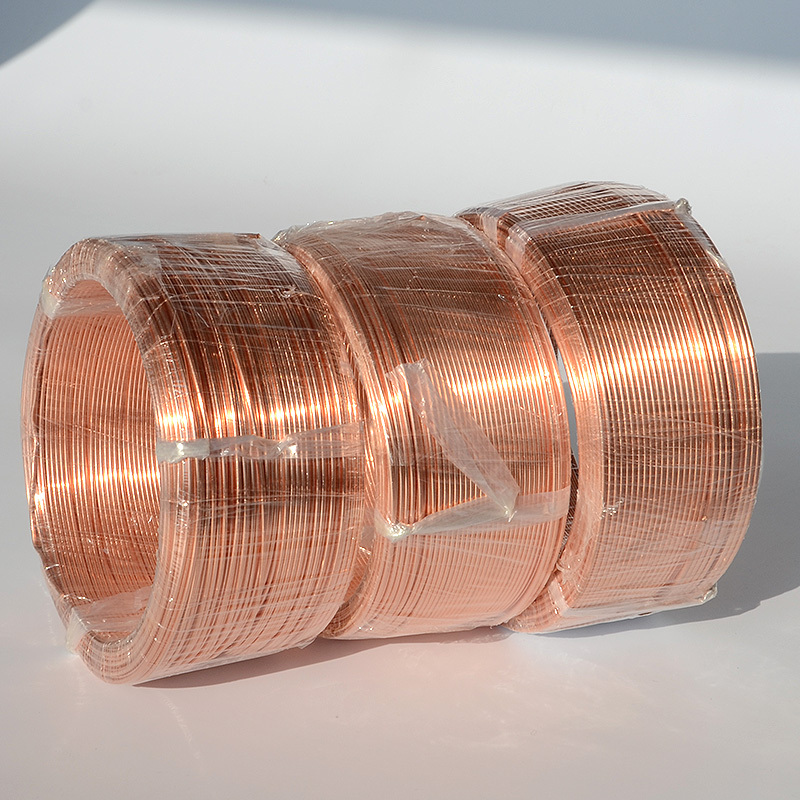
Copper Wire Price per Meter: What Determines the Cost? A Complete Buying Guide
Introduction
Copper wire price per meter is one of the most important factors for electrical contractors, distributors, wholesalers, and international importers when purchasing electrical materials.
However, copper wire does not have one fixed price. The final quotation depends on copper material costs, conductor size, insulation materials, manufacturing specifications, order quantity, packaging, and delivery requirements.
A 1.5 mm² PVC insulated copper wire and a 10 mm² stranded copper wire can have significantly different material costs because they require different quantities of copper and have different manufacturing requirements.
This guide explains how copper wire prices are calculated, what affects the cost per meter, how to compare manufacturer quotations, and how to estimate the purchasing budget for bulk orders.
1. What Is the Price of Copper Wire per Meter?
Copper wire prices are generally calculated according to the product specification and the quantity of material required.
For bare copper wire, the copper material cost is a major component of the total price.
For insulated electrical wire, the quotation also includes insulation materials, manufacturing, testing, packaging, and other production costs.
The following factors should be considered when requesting a quotation:
- Copper conductor cross-sectional area
- Copper material quality and specifications
- Solid or stranded conductor construction
- PVC, XLPE, or other insulation materials
- Insulation thickness
- Rated voltage
- Applicable manufacturing standards
- Order quantity
- Packaging and delivery requirements
Buyers should avoid comparing prices based only on the product name. Two products described as copper electrical wire may have different technical specifications.
2. How Is Copper Wire Price Calculated?
A useful starting point is to calculate the theoretical copper weight per meter.
The formula is:
Copper Weight (kg/m) = Cross-sectional Area (mm²) × 0.00896
For example, a 2.5 mm² copper conductor contains approximately:
2.5 × 0.00896 = 0.0224 kg per meter.
This means one meter contains approximately 22.4 grams of copper.
The estimated copper material cost per meter can then be calculated using:
Copper Material Cost per Meter = Copper Weight per Meter × Copper Price per kg
For example, if the assumed copper material price is USD 10 per kg:
0.0224 × 10 = USD 0.224 per meter.
This is only an illustrative material-cost calculation, not a market quotation or the finished insulated wire selling price.
The final product price will also include insulation, processing, testing, manufacturing overhead, packaging, and supplier margin.
3. Copper Wire Theoretical Copper Weight per Meter
The following table helps buyers estimate the amount of copper required for different conductor sizes.
| Conductor Size | Copper Weight per Meter |
|---|---|
| 0.5 mm² | 0.00448 kg |
| 0.75 mm² | 0.00672 kg |
| 1.0 mm² | 0.00896 kg |
| 1.5 mm² | 0.01344 kg |
| 2.5 mm² | 0.02240 kg |
| 4 mm² | 0.03584 kg |
| 6 mm² | 0.05376 kg |
| 10 mm² | 0.08960 kg |
| 16 mm² | 0.14336 kg |
| 25 mm² | 0.22400 kg |
| 35 mm² | 0.31360 kg |
| 50 mm² | 0.44800 kg |
| 70 mm² | 0.62720 kg |
| 95 mm² | 0.85120 kg |
| 120 mm² | 1.07520 kg |
These values represent theoretical copper conductor weight only. They do not include insulation, outer sheathing, or packaging.
4. Seven Factors That Affect Copper Wire Prices
4.1 Copper Raw Material Prices
Copper is the main material in most copper electrical wires.
Changes in copper market prices can directly affect manufacturing costs. Manufacturers may adjust quotations according to their purchasing costs and the quotation validity period.
For international buyers, it is important to confirm whether a quotation is fixed or subject to copper price changes.
4.2 Conductor Cross-Sectional Area
Larger conductors require more copper material.
For example, a 16 mm² copper conductor contains significantly more copper per meter than a 2.5 mm² conductor.
As a result, conductor size is one of the most important factors influencing the price.
4.3 Solid or Stranded Construction
Solid copper wire uses a single conductor, while stranded wire consists of multiple smaller copper strands.
The construction affects manufacturing processes, flexibility, and material consumption.
Buyers should specify whether they require solid or stranded conductors.
4.4 Insulation Material
Different insulation materials have different costs and performance characteristics.
Common materials include:
- PVC insulation
- XLPE insulation
- Rubber insulation
- PE insulation
The correct material depends on the electrical application, operating environment, temperature requirements, and applicable standards.
4.5 Insulation Thickness and Rated Voltage
Insulation thickness affects the quantity of insulation material used.
Different voltage ratings and product standards may require different insulation designs.
Therefore, buyers should provide the required voltage rating and technical standard when requesting prices.
4.6 Order Quantity
Large orders may allow manufacturers to arrange production more efficiently.
However, the actual price difference depends on production capacity, raw material purchasing, product specifications, and order requirements.
A wholesale quotation should always specify the quantity and delivery arrangement.
4.7 Packaging and Transportation
Electrical wire may be supplied in coils, plastic reels, cartons, or wooden drums.
Different packaging arrangements affect packaging costs, storage, handling, and freight expenses.
For international orders, buyers should request both net product weight and gross shipment weight.
5. How to Compare Copper Wire Quotations from Different Manufacturers
Comparing two quotations requires more than looking at the price per meter.
For example, Manufacturer A may offer a lower price but use a different conductor construction or insulation thickness.
Manufacturer B may offer a higher price with different technical specifications.
Before selecting a supplier, compare:
| Comparison Item | Information to Confirm |
|---|---|
| Conductor material | Copper or tinned copper |
| Conductor size | Nominal cross-sectional area |
| Construction | Solid or stranded |
| Insulation | PVC, XLPE, rubber, etc. |
| Rated voltage | Required voltage specification |
| Standards | Applicable IEC or other standards |
| Product weight | Net weight per kilometer |
| Packaging | Coils, reels, drums |
| Order quantity | Total meters or kilometers |
| Delivery terms | EXW, FOB, CIF, or other agreed terms |
A technically accurate quotation makes it easier to evaluate the real purchasing cost.
6. Example: Estimating the Copper Material Cost of a Bulk Order
Consider an importer purchasing 20,000 meters of 6 mm² copper conductor.
Product information:
- Conductor size: 6 mm²
- Total length: 20,000 meters
- Assumed copper price: USD 10/kg
Step 1: Calculate copper weight per meter.
6 × 0.00896 = 0.05376 kg/m.
Step 2: Calculate total copper weight.
0.05376 × 20,000 = 1,075.2 kg.
Step 3: Calculate illustrative copper material cost.
1,075.2 × USD 10 = USD 10,752.
The estimated copper material cost is USD 10,752.
This is not the finished electrical wire quotation. Additional costs such as insulation, production, testing, packaging, overhead, and supplier margin must be considered.
Actual copper consumption may also differ according to conductor design and manufacturing specifications.
7. How to Reduce Copper Wire Purchasing Costs
Importers and distributors can improve purchasing efficiency by following several practical steps.
Specify the product accurately
Provide conductor size, material, insulation, voltage rating, and applicable standards.
Request quotations for different quantities
Ask manufacturers to quote the quantities you actually need, such as 5,000 meters, 10,000 meters, or 20,000 meters.
Compare complete specifications
Do not choose a supplier solely because its initial price is lower.
Confirm packaging requirements
Suitable packaging can help reduce handling difficulties and improve transportation planning.
Check the manufacturer’s technical documentation
Request relevant product specifications, test reports, and certificates where applicable.
8. Buying Copper Electrical Wire from China
China has an established electrical wire and cable manufacturing industry, supplying products for construction, industrial applications, electrical installations, and distribution markets.
When sourcing from China, overseas buyers should focus on product specifications and supplier verification.
Before placing an order, confirm:
- Whether the supplier is the actual manufacturer or a trading company.
- Whether the requested conductor size can be produced.
- Whether the insulation material meets your requirements.
- Whether the product complies with the destination market’s applicable standards.
- Whether samples or pre-shipment inspections are available.
- Whether the quotation clearly identifies product and packaging costs.
- Whether production and delivery schedules are confirmed in writing.
Buyers should also confirm the export documents and shipping arrangements before making payment.
For more technical information, see our guides on solid vs. stranded copper wire, PVC insulation materials, and copper wire weight per kilometer.
9. Frequently Asked Questions
Q1: How much does copper wire cost per meter?
There is no single fixed price. The cost depends on conductor size, copper material prices, insulation, manufacturing specifications, order quantity, and packaging.
Q2: How do I calculate the copper material cost per meter?
Multiply the conductor cross-sectional area in mm² by 0.00896 to obtain theoretical copper weight per meter. Then multiply that weight by the copper price per kilogram.
Q3: Is bare copper wire cheaper than insulated copper wire?
Generally, bare copper wire does not require insulation material or insulation processing. However, the actual quotation depends on the product specification and manufacturing requirements.
Q4: Why do copper wire prices change?
Copper raw material prices can fluctuate. Manufacturing costs, energy expenses, exchange rates, and market demand may also influence supplier quotations.
Q5: Does a larger wire size always cost more?
A larger conductor generally requires more copper per meter. However, the final price also depends on insulation, product construction, production quantity, and other specifications.
Q6: What information is needed to request a copper wire quotation?
Buyers should provide conductor size, material, insulation type, rated voltage, quantity, applicable standards, packaging requirements, and destination country.
Q7: Can manufacturers provide customized copper electrical wire?
Customization may be available depending on the manufacturer’s equipment and production capabilities. Buyers should confirm technical feasibility, order quantity, and production requirements directly with the supplier.
10. Request a Copper Wire Price Quotation
Are you looking for copper wire manufacturers in China for wholesale distribution, construction projects, electrical installation, or industrial applications?
To receive a more accurate quotation, prepare the following information:
- Product type and application
- Conductor size in mm²
- Copper conductor construction
- Insulation material
- Rated voltage and applicable standards
- Required quantity in meters or kilometers
- Packaging requirements
- Destination country
Providing complete specifications helps manufacturers calculate material consumption, evaluate production requirements, and prepare a more accurate quotation.
Contact the supplier to discuss your copper wire requirements and request product specifications and a quotation.


No reply content