
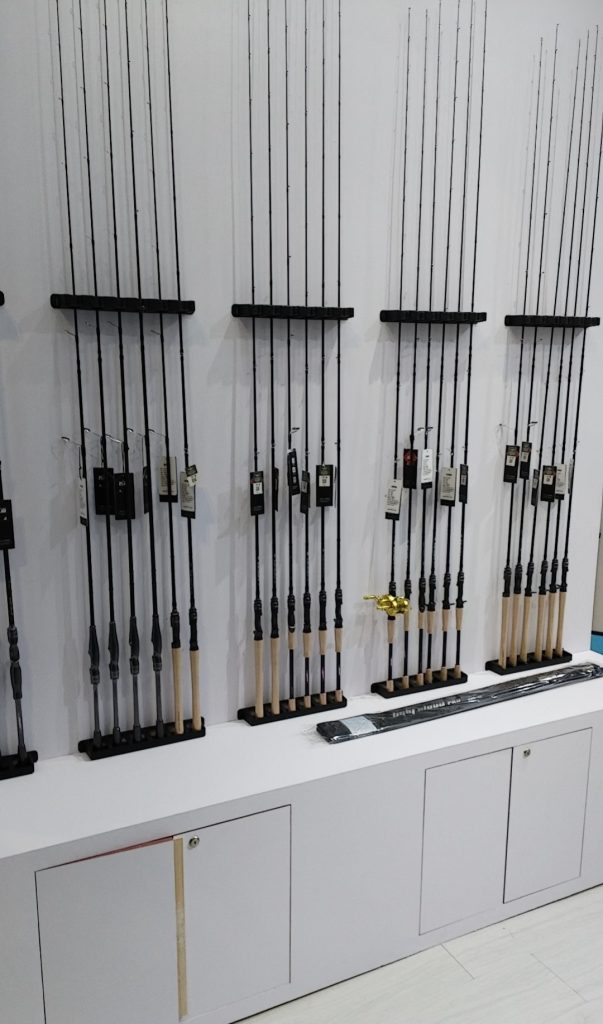
Custom Fishing Rod Manufacturer in China: OEM and Private Label Solutions
Are you looking for a custom fishing rod manufacturer in China to develop products for your own fishing tackle brand?
OEM fishing rod manufacturing and private-label services can help fishing tackle distributors, wholesalers, retailers, and outdoor brands create products tailored to their target markets.
However, developing a successful custom fishing rod requires more than adding a logo to an existing product. Buyers need to consider rod specifications, materials, components, product appearance, packaging, quality control, and order requirements.
This guide explains how to work with a Chinese fishing rod supplier on an OEM or private-label project and how to prepare an inquiry for your next product development project.
1. What Is Custom Fishing Rod Manufacturing?
Custom fishing rod manufacturing involves developing or modifying fishing rods according to a buyer’s requirements.
Depending on the supplier’s capabilities, customization may include product specifications, selected components, colors, branding, and packaging.
For example, a fishing tackle distributor may want to develop a spinning rod series for recreational anglers, while an outdoor brand may need compact telescopic fishing rods for travel and camping customers.
Common customization options include:
- Fishing rod length and design.
- Carbon fiber or fiberglass material options.
- Rod power and action.
- Handle materials and design.
- Guide and reel seat configurations.
- Logo printing and decorative finishes.
- Product labels and retail packaging.
Not every manufacturer offers all these options. Buyers should confirm the available services, technical limitations, and additional costs before starting a project.
2. OEM vs. ODM Fishing Rod Manufacturing
Before contacting a supplier, it is useful to understand the difference between OEM and ODM.
What Is OEM Fishing Rod Manufacturing?
OEM generally refers to manufacturing products according to a buyer’s specifications or design requirements.
For example, a fishing tackle brand may provide a detailed specification sheet covering rod length, materials, components, appearance, and logo placement.
The supplier then assesses whether it can manufacture the product according to the agreed requirements.
OEM may be suitable for businesses that already have a product concept, established specifications, or a defined brand identity.
What Is ODM Fishing Rod Manufacturing?
ODM generally refers to a supplier offering an existing design or product platform that can be adapted for a buyer.
Depending on the supplier’s capabilities, modifications may include branding, colors, selected components, or packaging.
ODM may be suitable for buyers who want to develop a branded fishing rod range without creating every product specification from the beginning.
Which Option Is Better for Your Business?
The right option depends on your product development goals.
OEM may be appropriate when you have detailed specifications and require greater control over the design.
ODM may be more convenient when you want to start with an existing product and customize selected features.
Before choosing either option, confirm the supplier’s actual design and manufacturing capabilities, customization costs, minimum order quantity, and ownership arrangements for any custom designs.
3. What Types of Fishing Rods Can Be Customized?
The best product range depends on your customers, sales channels, and target market.
Custom Spinning Fishing Rods
Spinning rods can be developed for different fishing applications and customer preferences.
Buyers should specify the intended use, rod length, power, action, handle design, and required components.
These details help the supplier understand the intended product configuration.
Custom Casting Fishing Rods
Casting rods are designed for use with casting reels.
When developing a custom casting rod, consider the intended fishing environment, target species, rod specifications, handle design, and reel compatibility.
Technical requirements should be documented before sample development begins.
Custom Telescopic Fishing Rods
Telescopic fishing rods feature collapsible sections, making them convenient for transportation and storage.
They may be suitable for travel fishing products, outdoor retailers, and portable fishing equipment ranges.
Buyers should consider the extended length, collapsed length, weight, section connections, and protective packaging.
Custom Carbon Fiber Fishing Rods
Carbon fiber fishing rods are an option for brands seeking particular combinations of weight, stiffness, and performance characteristics.
Actual performance depends on the material composition, construction method, rod design, and intended application.
If carbon fiber is a key selling point for your brand, ask the supplier for clear material specifications and supporting product information.
For more information about sourcing these products, see our related guide:
Carbon Fiber Fishing Rod Manufacturer in China: OEM, Wholesale and Customization Guide
Please verify that this article URL is correct and published before using the link.
4. How to Develop Your Own Fishing Rod Design
A clear product brief can help a supplier assess your project and reduce misunderstandings during development.
Step 1: Define Your Target Customers
Start by identifying who will buy your fishing rods.
Your target customers might include:
- Recreational anglers.
- Professional or specialist fishing retailers.
- Outdoor equipment distributors.
- Online fishing tackle stores.
- Fishing tackle wholesalers.
- Private-label fishing equipment brands.
Different customer groups may have different expectations regarding price, design, durability, portability, and product appearance.
Step 2: Prepare Product Specifications
Create a specification sheet for each model.
Include the required length, material, power, action, handle design, guides, reel seat, and other important features.
If you do not have a complete design, ask the supplier which specifications must be finalized before sample development.
A detailed specification sheet makes it easier to compare quotations from different suppliers.
Step 3: Confirm Customization Options
Discuss which features can be customized and which are based on existing products.
Confirm whether the supplier can support your requested design, materials, logo, colors, and packaging.
Ask about additional tooling, printing, development, or setup costs where applicable.
Step 4: Review the Sample
Request a sample before approving a bulk order whenever appropriate.
Evaluate the sample against your product specifications and intended market requirements.
Record any necessary changes and obtain confirmation before approving the final version.
Step 5: Approve the Final Product
Before mass production, confirm the approved specifications, appearance, packaging, order quantity, inspection requirements, and commercial terms in writing.
The approved sample and documentation should provide a clear reference for the production order.
For further guidance, read:
How to Prepare a Fishing Rod Specification Sheet for a China Supplier
5. Custom Fishing Rod Logos and Private Label Packaging
Branding is an important consideration for businesses developing their own fishing tackle products.
Depending on the supplier’s capabilities, private-label services may include logo printing, decorative graphics, product labels, and retail packaging.
Before production, provide clear artwork files and branding instructions.
Discuss the following details:
- Logo size and placement.
- Logo colors.
- Printing or marking method.
- Product color and finish.
- Packaging design.
- Product labels and barcodes, if required.
- Carton markings for shipment.
- Destination-market labeling requirements.
Request a visual proof or sample when necessary.
Check spelling, colors, logo placement, and packaging details carefully before approving production.
If your brand has specific design requirements, provide written instructions rather than relying entirely on verbal communication.
Buyers should also confirm that they own or have permission to use all supplied logos, graphics, and designs.
6. MOQ and Pricing for Custom Fishing Rods
Minimum order quantity and unit pricing depend on the specific project.
A standard fishing rod with a simple logo may have different requirements from a newly developed design with customized components and retail packaging.
The following factors may affect the quotation:
Product design: Existing models and newly developed products may involve different development requirements.
Materials and components: Material specifications and component choices influence product cost.
Customization: Logo printing, special colors, and customized components may involve additional charges.
Packaging: Custom retail boxes and other packaging options may affect the total cost.
Order quantity: Unit pricing may vary according to the quantity ordered.
Sample development: Sample costs and development charges should be confirmed before the project begins.
Shipping: Carton dimensions, shipment weight, destination, and shipping arrangements affect logistics costs.
When requesting a quotation, ask the supplier to separate relevant charges where possible.
Confirm the MOQ for each model, the sample cost, the unit price at different quantities, and any additional customization fees.
Avoid making purchasing decisions based only on the lowest quoted unit price. Compare product specifications, quality requirements, packaging, and total landed cost.
7. Quality Control for OEM Fishing Rod Production
Quality control should be discussed before mass production, not after the goods are ready to ship.
For a custom fishing rod project, buyers should agree on inspection criteria based on the product’s specifications and intended use.
Potential inspection points include:
Material and Surface Finish
Check the rod blank’s appearance, surface finish, decorative details, and consistency with the approved sample.
Components and Assembly
Inspect the guides, reel seat, handle, and section connections according to the agreed specifications.
Dimensions and Weight
Verify that the products meet the approved dimensional and weight requirements, allowing for any agreed tolerances.
Logo and Packaging
Confirm that branding, colors, labels, and packaging match the approved artwork and sample.
Inspection Before Shipment
Agree on who will perform the inspection, which items will be checked, and how defects will be handled.
For larger orders, buyers may wish to arrange an independent inspection before shipment.
Read the related article:
How to Check Fishing Rod Quality Before Bulk Production
8. How to Choose a Custom Fishing Rod Manufacturer in China
Choosing the right supplier involves checking both technical capabilities and commercial reliability.
Before proceeding, consider the following questions.
Does the supplier offer your required product type?
Confirm that the supplier can provide the specific fishing rod designs and specifications you need.
Can the supplier support your customization requirements?
Ask which features can be customized and whether any requested changes require additional development.
Can the supplier provide samples?
Samples help you assess the product before committing to a larger order.
Does the supplier have a clear quality control process?
Discuss inspection procedures and how the supplier handles products that fail to meet agreed specifications.
Can the supplier explain its commercial terms clearly?
Confirm the MOQ, sample charges, payment terms, production lead time, packaging, and shipping responsibilities.
Can the supplier support your export requirements?
Discuss documentation, packaging, and delivery arrangements for your destination market.
Where relevant, request supporting information about the supplier’s business identity and manufacturing arrangements.
Do not assume that every supplier listed online is a direct manufacturer. Verify its actual role and capabilities before making a purchasing decision.
9. Export Packaging and Shipping for Custom Fishing Rods
Fishing rods can have long packaging dimensions, even when the products themselves are lightweight.
This makes packaging an important part of the sourcing process.
Before confirming your order, request the estimated carton dimensions, carton quantity, gross weight, and packaging details.
Discuss whether the products require protective tubes, individual packaging, or additional protection for international transportation.
You should also confirm:
- Production completion date.
- Cargo readiness date.
- Destination country.
- Preferred shipping method.
- Export documentation requirements.
- Agreed Incoterms.
- Responsibility for transportation and insurance.
- Import clearance responsibilities.
The appropriate shipping method depends on the order quantity, packaging dimensions, budget, and required delivery schedule.
For international shipments, clarify all responsibilities with the supplier before paying the balance or arranging cargo collection.
10. Common Mistakes When Ordering Custom Fishing Rods
Avoiding common sourcing mistakes can help protect your budget and reduce delays.
Choosing a Supplier Based Only on Price
A low quotation may not include the same materials, components, customization, or packaging as competing quotations.
Compare equivalent specifications before choosing a supplier.
Providing Incomplete Specifications
Missing information can lead to different interpretations of the intended product.
Prepare a specification sheet and confirm important details in writing.
Skipping Sample Evaluation
A product description or photograph may not provide enough information to evaluate the actual product.
Request and review a sample when appropriate.
Approving Production Without Confirming Artwork
Incorrect logo placement, colors, or packaging details can create problems with private-label orders.
Approve the final artwork and sample before mass production.
Ignoring Total Logistics Costs
Long cartons and customized packaging can affect shipping costs.
Obtain realistic shipment information before calculating your expected purchasing cost.
Failing to Agree on Inspection Requirements
Without clear acceptance criteria, disagreements may arise over product quality.
Agree on the inspection process and defect-handling arrangements before production begins.
11. Request a Custom Fishing Rod OEM Quotation
Are you planning to develop your own fishing rod brand or source customized fishing rods from China?
Whether you are an importer, fishing tackle wholesaler, distributor, retailer, or private-label brand owner, the first step is to prepare a clear product brief.
When contacting a potential supplier through VLEFOOENA, provide the following information:
Product Type: Spinning rods, casting rods, telescopic rods, carbon fiber rods, or another category.
Specifications: Required length, material, power, action, components, and intended application.
Estimated Quantity: Your expected order quantity for each model.
Customization Requirements: Logo, colors, handle design, components, and private-label packaging.
Sample Requirements: Whether you require a sample before bulk production.
Target Market: Your importing country and intended customer group.
Shipping Requirements: Destination, preferred delivery method, and any specific packaging requirements.
Ask the supplier to confirm product availability, MOQ, sample cost, unit pricing, production lead time, payment terms, and shipping arrangements.
Providing complete information helps the supplier evaluate your project and determine whether it can meet your requirements.
Start Your Custom Fishing Rod Project
Looking for a suitable fishing rod supplier in China?
Explore relevant supplier information on VLEFOOENA and contact a potential supplier with your specifications and customization requirements.
Before placing an order, verify the supplier’s capabilities, review samples where appropriate, and confirm all specifications and commercial terms in writing.
Prepare your product requirements and request a quotation to discuss your custom fishing rod project.


No reply content