
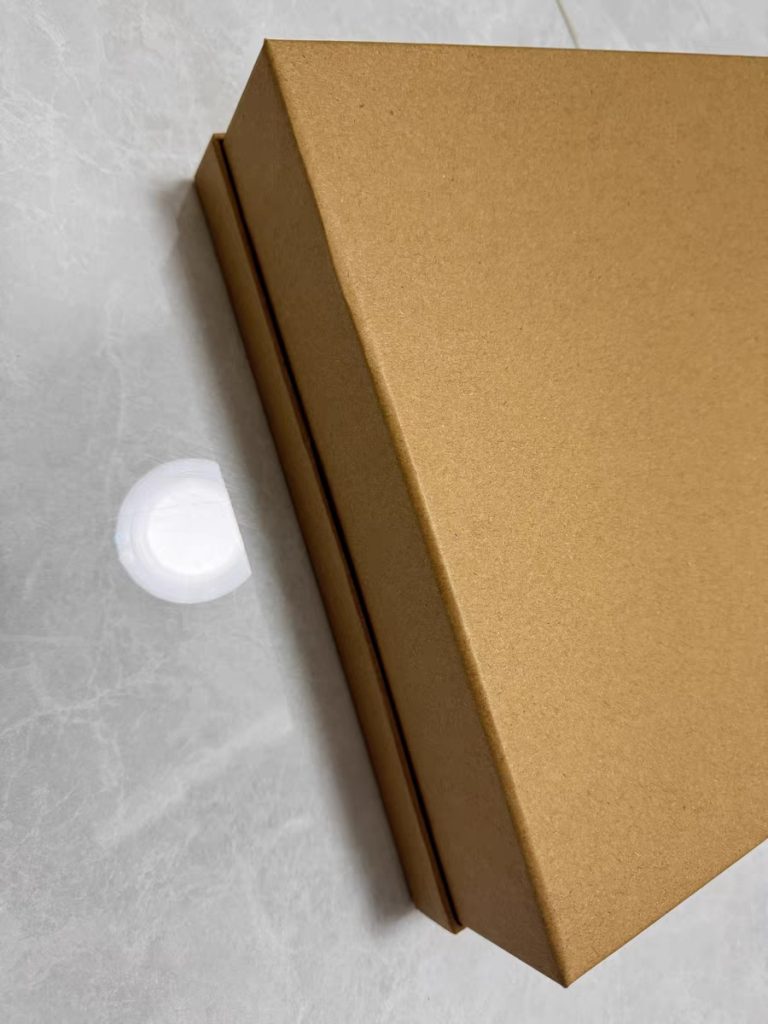

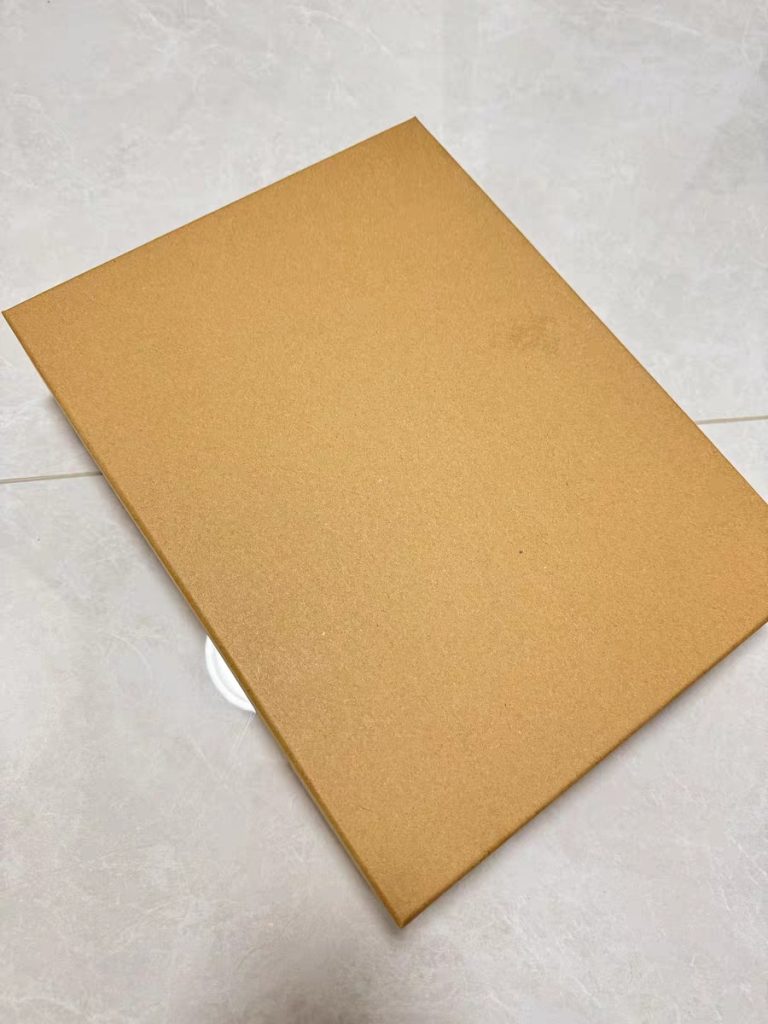
In the fast-paced world of international trade, where products traverse oceans and continents to reach consumers, packaging is no longer an afterthought—it is a strategic asset. For exporters, a well-designed gift box or carton does more than protect goods; it communicates brand values, enhances perceived value, and creates memorable unboxing experiences that drive customer loyalty. As a leading manufacturer of export-grade packaging, [Your Factory Name] has spent over a decade perfecting the delicate balance between artistry, functionality, and sustainability. This article explores the critical role of premium packaging in global commerce, delves into the technical and creative expertise behind our products, and shares insights on how businesses can leverage packaging to gain a competitive edge in international markets.
I. The Strategic Importance of Export Packaging
Packaging is often called the “silent salesman.” For exporters, this statement holds particular weight. When a product arrives in a foreign market, the first point of contact is not the item itself but its packaging. Studies show that 72% of consumers admit that packaging design influences their purchasing decisions, and 64% say they are more likely to repurchase from brands with attractive packaging (Source: Packaging Digest). For export-focused businesses, this statistic underscores a fundamental truth: packaging is a direct reflection of brand identity, and in cross-border transactions, it must resonate with culturally diverse audiences while meeting stringent logistical demands.
A. Beyond Protection: The Multifaceted Role of Packaging
Export packaging serves three primary functions, each critical to success:
-
Protection: Goods traveling long distances face risks like moisture, temperature fluctuations, rough handling, and compression. A robust carton or gift box must withstand these challenges without compromising the product inside. For example, fragile electronics require shock-absorbent inserts, while perishable foods need moisture-resistant barriers.
-
Brand Communication: Packaging is a canvas for storytelling. Logos, colors, typography, and imagery should align with a brand’s ethos—whether minimalist luxury, eco-friendliness, or playful innovation. For instance, a German organic skincare brand might use muted earth tones and botanical illustrations to emphasize natural ingredients, while a Japanese tech gadget company could opt for sleek, metallic finishes to convey precision.
-
Logistical Efficiency: Export packaging must comply with international shipping regulations (e.g., ISPM 15 for wood packaging, UN performance standards for hazardous materials) and optimize space utilization to reduce freight costs. A poorly designed carton that wastes cubic volume can inflate shipping expenses by 20–30%, eroding profit margins.
B. The Rise of Experiential Packaging in Global Markets
In recent years, the concept of “experiential packaging” has gained traction worldwide. Consumers, particularly millennials and Gen Z, now expect packaging to be Instagram-worthy—something they want to share online. A 2023 survey by Dieline found that 55% of global consumers have posted unboxing videos or photos on social media, turning packaging into a viral marketing tool. For exporters, this trend presents both an opportunity and a challenge: how to create packaging that is not only functional but also visually compelling and shareable.
Take the example of a U.S.-based artisanal chocolate brand expanding into Europe. Instead of using generic cardboard boxes, they collaborated with a packaging designer to create handcrafted wooden gift boxes with laser-etched patterns inspired by local folklore. Each box included a small card explaining the cultural significance of the design, fostering a deeper connection with European buyers. The result? A 40% increase in social media engagement and a 25% boost in sales within six months.
II. Technical Mastery: Engineering Packaging for Global Challenges
Creating packaging that works seamlessly across borders requires a blend of engineering precision and creative problem-solving. At [Your Factory Name], our approach is rooted in understanding the unique stressors of international logistics and tailoring solutions accordingly.
A. Material Selection: Balancing Strength, Sustainability, and Cost
The choice of material is the foundation of effective export packaging. We offer a range of options to suit different needs:
-
Corrugated Cardboard: The workhorse of shipping cartons, corrugated board comes in varying flute profiles (A-flute for maximum cushioning, B-flute for rigidity, E-flute for lightweight applications). For heavy machinery parts, we use triple-wall corrugated cartons with reinforced edges; for lightweight apparel, single-wall E-flute cartons reduce shipping weight.
-
Rigid Paperboard: Used for luxury gift boxes, rigid boards (also known as chipboard) offer superior printability and structural integrity. We source FSC-certified paperboard to meet global sustainability standards, ensuring our clients can appeal to eco-conscious consumers.
-
Eco-Friendly Alternatives: With growing demand for sustainable packaging, we offer solutions like molded pulp (made from recycled paper and agricultural waste), biodegradable PLA coatings, and plant-based inks. These materials decompose naturally, reducing landfill waste and complying with EU directives like the Single-Use Plastics Regulation.
B. Structural Design: Preventing Damage Before It Happens
A common mistake in export packaging is underestimating the forces of gravity, vibration, and compression. To mitigate these risks, our engineers use advanced tools like finite element analysis (FEA) to simulate how packages behave under stress. For example, when designing a carton for glassware, we calculate the ideal thickness of corrugated walls, the placement of cushioning foam, and the use of interlocking flaps to distribute weight evenly.
One of our most successful innovations is the “Shock-Absorbing Corner System,” which uses molded cardboard inserts shaped like honeycombs to cradle fragile items. This system reduces breakage rates by 60% compared to traditional bubble wrap, making it a favorite among exporters of ceramics, electronics, and pharmaceuticals.
C. Printing and Finishing: Making a Lasting Impression
High-quality printing ensures that brand messaging remains vibrant even after weeks at sea. We use state-of-the-art equipment like Heidelberg offset presses and digital printers capable of reproducing intricate details, gradients, and Pantone color matches. Finishing techniques add another layer of sophistication:
-
Embossing/Debossing: Raised or recessed logos create tactile interest, enhancing the perception of luxury.
-
Foil Stamping: Metallic foils (gold, silver, holographic) draw attention to key elements like brand names or product features.
-
UV Coating: A glossy or matte UV layer protects prints from scratches and moisture, extending shelf life.
For a Middle Eastern client exporting dates, we used spot UV coating to highlight the brand’s Arabic calligraphy logo, making the packaging stand out in crowded supermarket aisles. The client reported a 30% increase in impulse purchases.
III. Sustainability: The New Imperative in Export Packaging
As global awareness of environmental issues grows, sustainability has become a non-negotiable aspect of export packaging. Buyers in Europe and North America increasingly favor brands that demonstrate eco-responsibility, with 68% saying they would pay more for products with sustainable packaging (Nielsen).
A. Navigating Global Regulations
Different regions have distinct sustainability mandates. For example:
-
EU: Requires packaging to be reusable, recyclable, or compostable by 2030 (European Green Deal).
-
U.S.: California’s SB 54 law mandates that all single-use plastic packaging be recyclable or compostable by 2032.
-
Japan: Encourages the use of recycled content in packaging through tax incentives.
To help clients comply, we provide documentation such as FSC certificates, recycled content percentages, and biodegradability test results. For a Canadian client exporting coffee beans, we developed a carton made from 100% post-consumer recycled cardboard with water-based inks, meeting both Canadian and EU standards.
B. Reducing Carbon Footprints Through Smart Design
Sustainability isn’t just about materials—it’s also about efficiency. Our engineers focus on “right-sizing” packaging to eliminate empty space, which reduces the number of shipments needed and lowers fuel consumption. For instance, we redesigned the packaging for a client’s kitchen appliances, reducing carton volume by 25% and cutting annual shipping emissions by 12 metric tons.
Another initiative is our “Closed-Loop Program,” where we collect used cartons from clients and recycle them into new packaging. This not only diverts waste from landfills but also strengthens client relationships by demonstrating shared values.
IV. Case Studies: Real-World Success Stories
To illustrate the impact of premium packaging, here are two examples of how [Your Factory Name] has helped clients thrive globally.
Case Study 1: Luxury Cosmetics Brand Expands to Southeast Asia
A French luxury skincare brand wanted to enter the competitive Southeast Asian market. Their existing packaging—simple white boxes with minimal branding—failed to stand out in a region where consumers associate premium products with elaborate designs.
Our Solution: We designed a set of rigid gift boxes with:
-
Embossed lotus flower patterns (a symbol of purity in many Southeast Asian cultures).
-
Gold foil stamping for the brand logo and product name.
-
Magnetic closures for a satisfying unboxing experience.
-
Inserts made from silk-like paper printed with usage instructions in Thai, Vietnamese, and Indonesian.
Results: The brand saw a 50% increase in retail shelf appeal and a 35% rise in online conversion rates. Distributors reported that retailers were eager to stock the products due to the eye-catching packaging.
Case Study 2: Organic Food Startup Enters the EU Market
A U.S.-based startup selling organic snacks struggled to convince European buyers of their commitment to sustainability. Their initial packaging—clear plastic bags—was seen as wasteful and environmentally harmful.
Our Solution: We created compostable kraft cartons with:
-
Soy-based ink printing featuring farm-to-table illustrations.
-
Window cutouts to showcase the product without plastic.
-
QR codes linking to the brand’s sustainability report.
Results: The startup secured contracts with three major EU grocery chains, and their packaging was featured in several zero-waste blogs. Within a year, their European sales grew by 200%.
V. Choosing the Right Packaging Partner: Key Considerations
Selecting a packaging manufacturer is a decision that can make or break an export strategy. Here are five factors to evaluate:
-
Experience in Export Markets: Look for a factory with a track record of serving clients in your target regions. They will understand local preferences, regulations, and logistical challenges.
-
Customization Capabilities: Avoid one-size-fits-all suppliers. A good partner will offer end-to-end customization, from material selection to prototyping.
-
Quality Control Systems: Ask about certifications (ISO 9001, FSC) and testing protocols (drop tests, compression tests). Reputable factories provide detailed quality reports for every batch.
-
Sustainability Commitment: Ensure the manufacturer uses eco-friendly materials and practices. Request data on recycled content, carbon emissions, and waste reduction initiatives.
-
Communication and Support: Time zone differences and language barriers can complicate projects. Choose a partner with multilingual staff and responsive communication channels.
VI. Future Trends Shaping Export Packaging
The packaging industry is evolving rapidly, driven by technological advancements and changing consumer expectations. Here are three trends to watch:
-
Smart Packaging: Integration of QR codes, NFC tags, and sensors to provide real-time product information, anti-counterfeiting measures, and interactive experiences. For example, a wine exporter could embed a QR code linking to tasting notes and food pairing suggestions.
-
Personalization at Scale: Digital printing technologies now allow for variable data printing, enabling brands to customize packaging with individual customer names or messages—ideal for B2B gifts or loyalty programs.
-
Circular Economy Models: More brands are adopting “packaging-as-a-service” models, where manufacturers retain ownership of packaging and reuse it multiple times. This reduces waste and lowers costs for exporters.
Conclusion: Packaging as a Gateway to Global Growth
In the complex ecosystem of international trade, packaging is a powerful tool that bridges cultures, builds trust, and drives sales. For exporters, investing in premium gift boxes and cartons is not an expense—it is a strategic investment in brand equity. By combining technical expertise, creative design, and sustainable practices, [Your Factory Name] helps businesses transform ordinary products into extraordinary experiences that resonate with global audiences.
Whether you are launching a new product, entering a new market, or rebranding for the digital age, remember this: the right packaging doesn’t just ship a product—it tells a story. And in the world of exports, stories sell.
Article link:https://www.vlefooena.com/custom-folding-houses-for-efficient-shipping-and-smart-living


No reply content