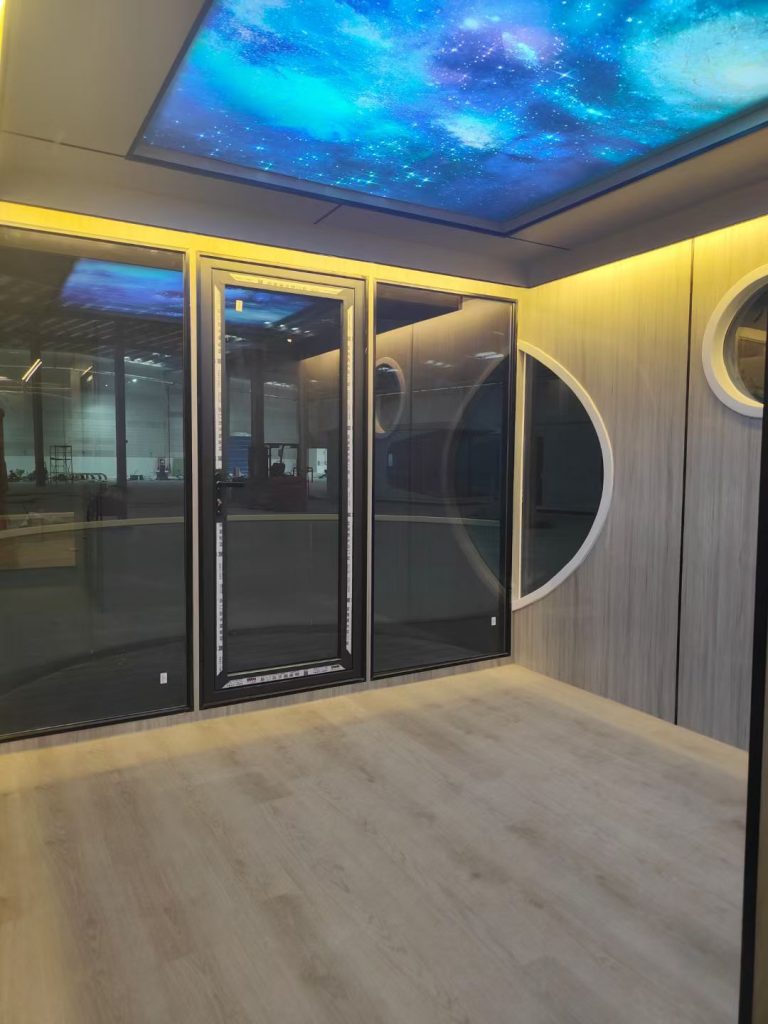
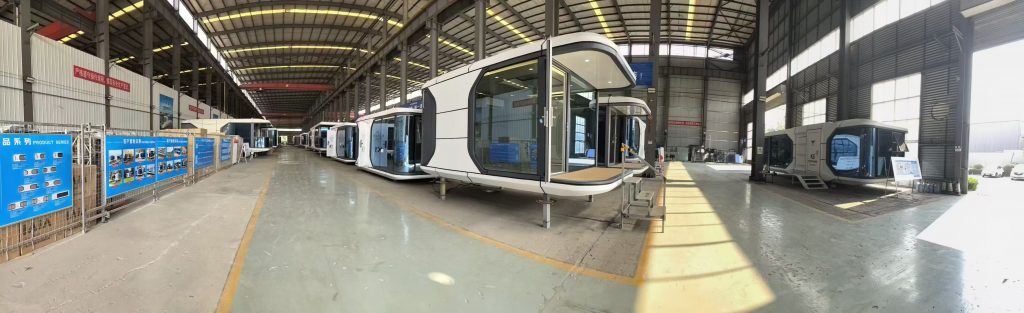
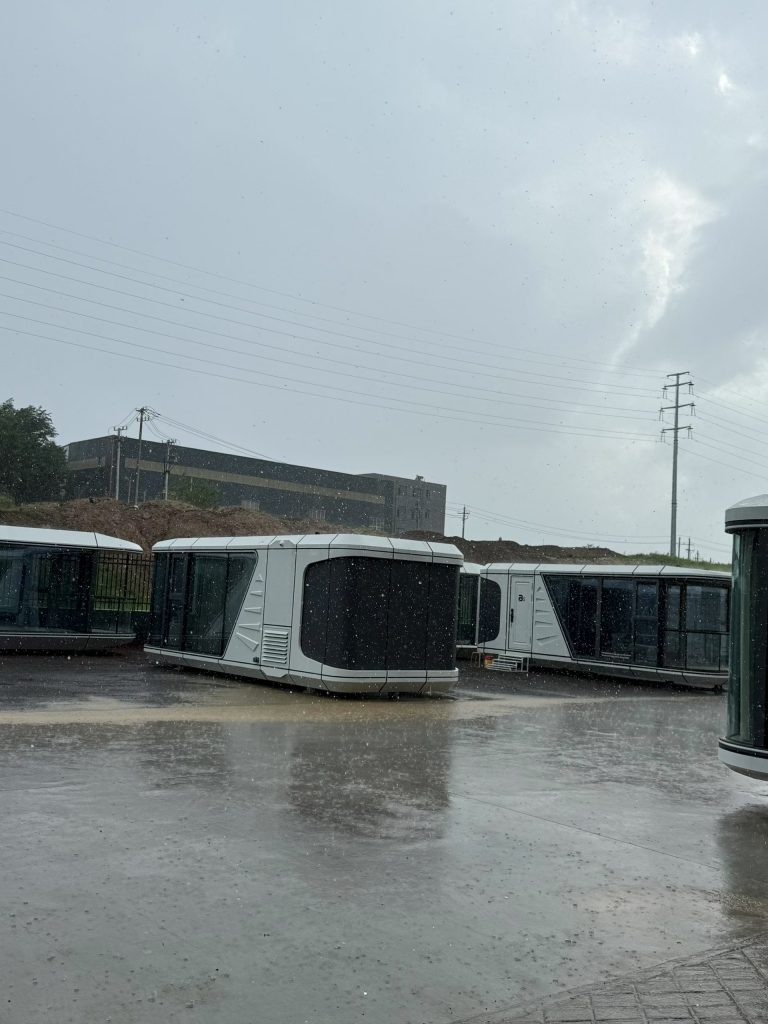
As the global demand for flexible and efficient housing grows, customizable modular houses have emerged as an innovative solution for homeowners, investors, and developers. Combining modern design, fast construction, and affordability, modular houses are ideal for vacation homes, remote sites, or permanent residences. Unlike traditional construction, modular homes are prefabricated in factories, ensuring quality, precision, and speed, while offering extensive customization options to meet individual preferences.
What Are Modular Houses?
Modular houses are prefabricated structures made in sections or modules in a factory setting. These modules are then transported to the installation site and assembled into a complete home. Each module is built under strict quality control standards, using durable materials and advanced construction techniques, ensuring long-lasting stability and comfort.
Key features of modular houses include:
- Customizable Layouts: Rooms, walls, and interior designs can be tailored to specific needs.
- Fast Construction: Factory production reduces on-site building time significantly.
- Cost-Effective: Factory-built modules minimize labor costs and material waste.
- Sustainable: Modular houses often incorporate energy-efficient materials and green designs.
- Portable Options: Certain modular units can be relocated or expanded in the future.
Advantages of Customizable Modular Houses
1. Flexibility and Personalization
The main advantage of customizable modular houses is their flexibility. Homeowners can choose the number of rooms, the layout of the kitchen and bathrooms, flooring and wall finishes, roofing materials, and even furniture packages. Customization allows the house to fit the specific environment, whether it’s a hillside retreat, a lakeside cabin, or a desert vacation home. Designers and manufacturers work closely with clients to ensure the home matches their lifestyle and aesthetic preferences.
2. Quick Installation
Traditional construction projects can take months or even years to complete. In contrast, modular houses significantly reduce construction time. While site preparation occurs, factory modules are manufactured simultaneously. Once delivered, assembly can take just a few days to weeks, depending on the complexity of the design. This rapid deployment is particularly advantageous for vacation homes or remote site projects, where access to labor and materials may be limited.
3. High-Quality Factory Construction
Quality control is easier in a factory environment than on a construction site. Modular house modules are built with precision, ensuring strong joints, waterproofing, insulation, and structural stability. Materials such as steel frames, reinforced concrete, and treated wood are commonly used to withstand harsh climates and natural wear. Factory production also ensures compliance with international building standards, making these homes safe and reliable.
4. Cost Efficiency
Customizable modular houses offer excellent value for money. Factory-controlled production reduces labor costs and material wastage. Buyers save money compared to traditional construction while still receiving a modern, durable home. Additionally, predictable factory pricing helps with budget planning, avoiding the unexpected expenses often associated with on-site construction.
5. Sustainability and Environmental Benefits
Modular construction is environmentally friendly. Factories use precise measurements, reducing waste and promoting recycling. Many modular houses feature energy-efficient insulation, solar-ready roofs, and low-consumption water and electrical systems. The controlled factory production process also reduces carbon emissions associated with transport and on-site construction activities. These eco-friendly features make modular homes appealing for environmentally conscious buyers.
Applications of Customizable Modular Houses
Vacation Homes
Customizable modular houses are ideal for vacation properties. They can be designed to blend with natural surroundings and include amenities such as large windows, outdoor decks, and energy-efficient features. Owners can enjoy a high-quality living space without committing to permanent structures, which is perfect for seasonal or recreational use.
Remote Locations
For remote sites, modular houses offer practical and efficient solutions. They are easier to transport and assemble than traditional buildings, which require extensive on-site labor and materials. These homes are perfect for mountain retreats, desert lodges, forest cabins, or construction camps. Modular units can be tailored to resist local weather conditions, such as heavy snowfall, high winds, or tropical storms.
Residential Housing
In urban or suburban areas, modular houses can serve as permanent residences. Their flexibility allows for single-story or multi-story designs with fully customizable interiors. Homeowners can create energy-efficient, modern homes at a fraction of the cost and time required for conventional construction.
Commercial Uses
Modular houses are also used in commercial projects, including resorts, hotels, rental properties, and office spaces. Their rapid construction and flexibility allow businesses to expand quickly and adapt to market demands.
Emergency and Temporary Housing
Customizable modular houses play a vital role in disaster relief and emergency housing. Prefabricated units can be quickly delivered and assembled in areas affected by natural disasters or humanitarian crises, providing safe and comfortable shelter in a short timeframe.
Choosing the Right Modular House Manufacturer
When investing in a customizable modular house, selecting the right manufacturer is critical. Consider the following factors:
- Experience and Reputation: Look for a factory with a proven track record in modular house construction. Customer reviews and case studies can provide valuable insight.
- Customization Capabilities: Ensure the manufacturer can provide flexible design options, including interior layouts, finishes, and optional features.
- Quality and Materials: Verify that the factory uses high-quality, durable materials and adheres to international construction standards.
- Shipping and Assembly Support: The manufacturer should offer logistics solutions, transport guidance, and on-site assembly assistance if required.
- Warranty and After-Sales Service: A reliable manufacturer should provide warranties covering structural integrity, plumbing, electrical systems, and other essential components.
- Regulatory Compliance: Ensure that the modular house meets local building codes, permits, and regulations in the installation area.
Cost Considerations
The cost of a customizable modular house depends on several factors:
- Size: Larger homes with more rooms naturally cost more.
- Materials: Premium finishes, steel frames, and high-quality insulation increase costs.
- Design Complexity: Custom architectural features and layouts can affect pricing.
- Additional Features: Decks, porches, furniture packages, and smart home systems may add to the total cost.
Typical price ranges for modular houses:
| Home Type | Approximate Price Range (USD) |
|---|---|
| Small Vacation Cabin | $10,000 – $25,000 |
| Family Modular Home | $25,000 – $60,000 |
| Luxury Remote Retreat | $60,000 – $120,000 |
| Multi-Unit Modular Complex | $100,000 – $300,000 |
Buying directly from the manufacturer often saves 20–40% compared to third-party dealers.
Trends in Modular Housing
The modular housing industry is evolving rapidly, with trends that include:
- Smart Home Integration: Modular houses increasingly include home automation, security systems, and energy monitoring.
- Sustainable Design: Factories are adopting recycled and energy-efficient materials.
- Multi-Story Modular Units: Urban areas with limited space benefit from vertical modular buildings.
- 3D-Printed Modules: Advanced manufacturing techniques improve precision and reduce costs.
- Global Export: Manufacturers provide turnkey solutions for international buyers, making modular housing a worldwide solution.
Conclusion
Customizable modular houses represent the future of flexible, affordable, and high-quality housing. Their adaptability, rapid construction, and environmental advantages make them ideal for vacation homes, remote sites, permanent residences, and commercial projects. By choosing a reliable manufacturer, buyers gain access to modern designs, durable materials, and comprehensive support, ensuring a seamless experience from design to installation.
For anyone seeking a housing solution that combines convenience, efficiency, and style, customizable modular houses offer the perfect balance of comfort, affordability, and sustainability. Whether it’s a scenic retreat, a remote project site, or a residential home, modular housing provides the flexibility and quality that modern homeowners and businesses demand.
Article link:https://www.vlefooena.com/customizable-modular-houses-ideal-for-vacation-homes-remote-sites


No reply content