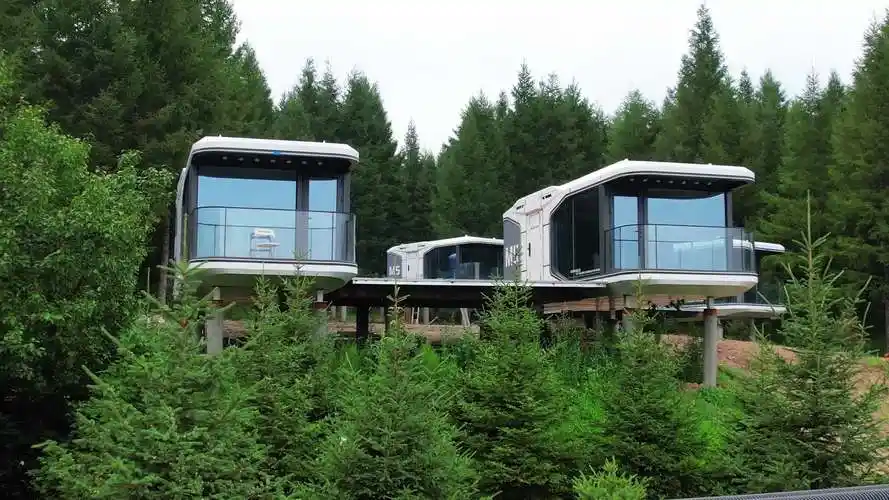
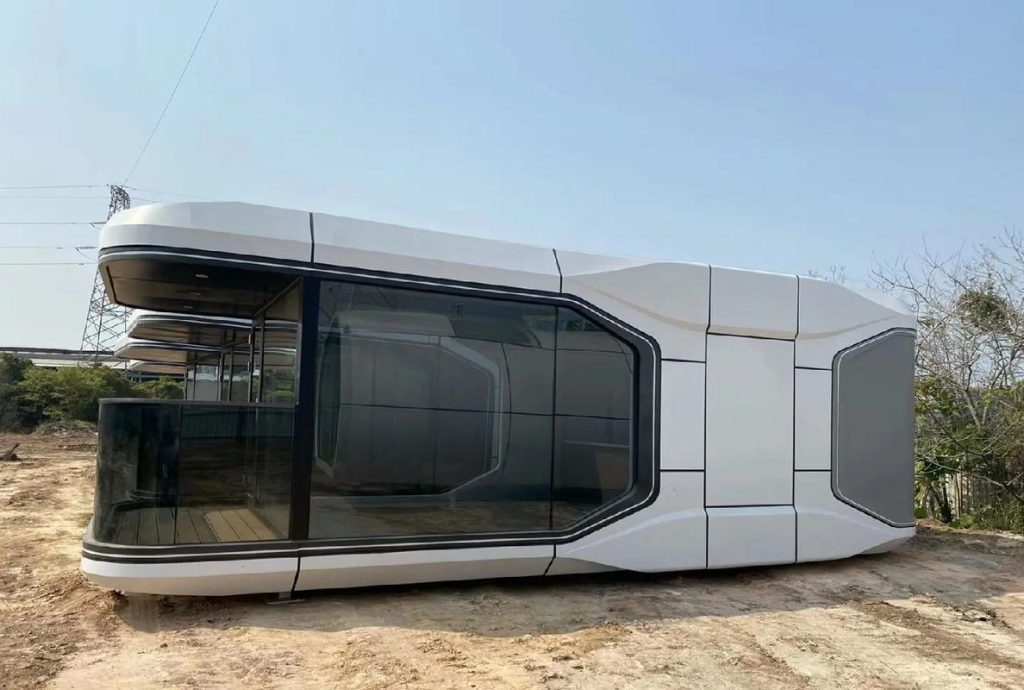
Durable space cabin structures have become one of the most forward-thinking architectural solutions across both tourism and commercial industries. These compact, modern, and highly engineered units offer a fresh approach to building accommodation, visitor centers, offices, retail kiosks, and outdoor living facilities. Designed with strong materials, efficient insulation, and distinctive futuristic aesthetics, space cabin structures are rapidly reshaping how businesses create functional environments without the constraints of traditional construction.
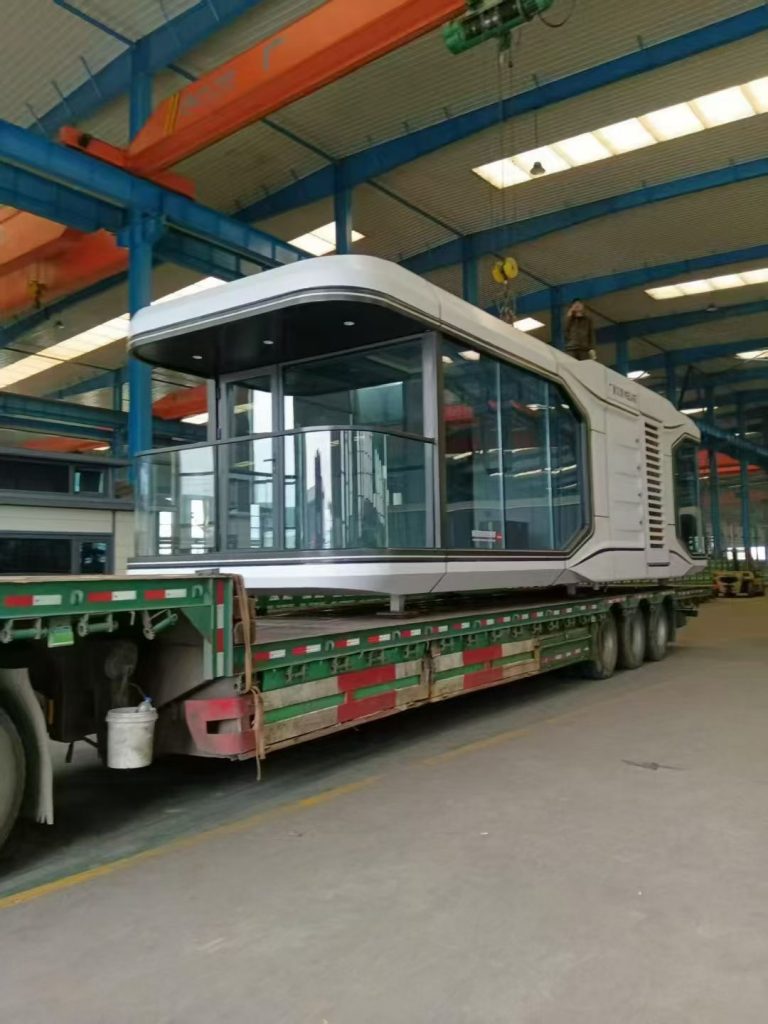
Unlike conventional buildings that require long construction periods and complex logistics, space cabins are manufactured off-site with precision, delivered as complete units, and installed quickly on various terrains. Their strength, longevity, and adaptability make them ideal for hotels, resorts, scenic spots, campgrounds, offices, and many other business applications.
This article explores the design, engineering, features, and advantages of durable space cabin structures and explains why they have become a preferred choice for modern tourism and commercial projects.
What Are Space Cabin Structures?
A space cabin is a prefabricated modular unit built with advanced materials and crafted in a futuristic exterior style. These structures are engineered to withstand long-term use, harsh weather conditions, and continuous foot traffic.
Typical features include:
- Strengthened steel or aluminum frame
- Aerodynamic exterior panels
- High-performance insulation
- Futuristic curved surfaces
- Panoramic tempered-glass windows
- Pre-installed electrical systems
- Modern interior layouts
The elegant design is inspired by aerospace aesthetics, giving these cabins a unique identity that appeals to visitors and business owners alike.
Why Tourism Businesses Prefer Space Cabins
The tourism industry is constantly searching for innovative ways to attract more guests and enhance visitor experiences. Space cabins offer several advantages that traditional hotel rooms or wooden cottages cannot match.
1. Instant Visual Impact
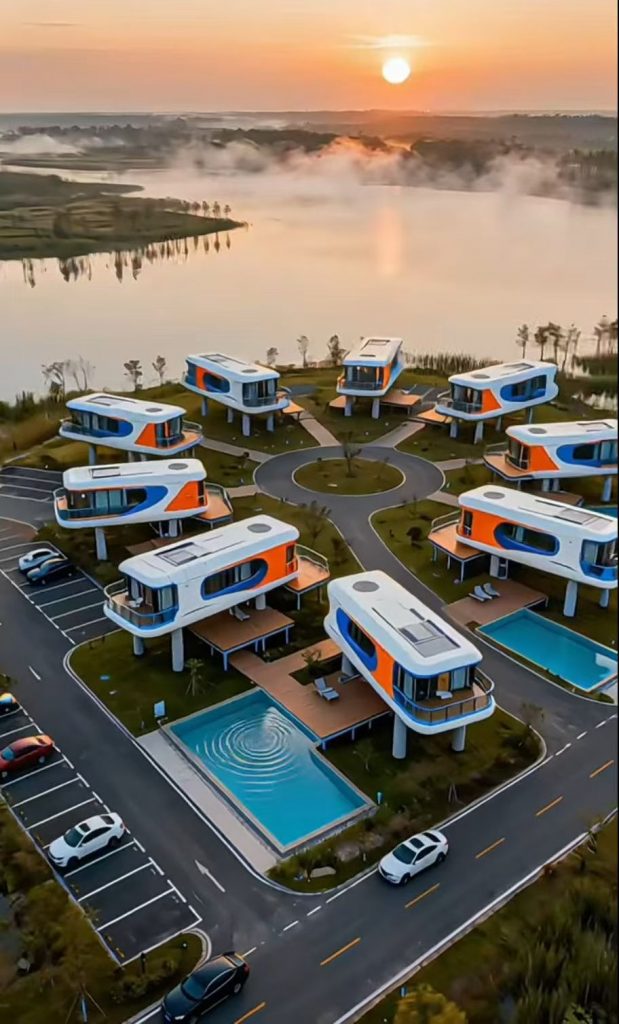
Their modern appearance with large glass walls and curved surfaces instantly stands out in any tourism setting—whether it’s a mountain resort, lakeside retreat, forest glamping park, or desert eco-lodge. The futuristic look becomes a natural marketing element that draws attention on social media, travel platforms, and promotional materials.
2. Fast Deployment for Seasonal or Permanent Use
Tourism operators often need to expand quickly during peak seasons. A space cabin can be transported, placed, and connected within a short time. This fast deployment avoids long construction delays and ensures businesses can open new rooms or facilities sooner.
3. Comfortable Guest Experience
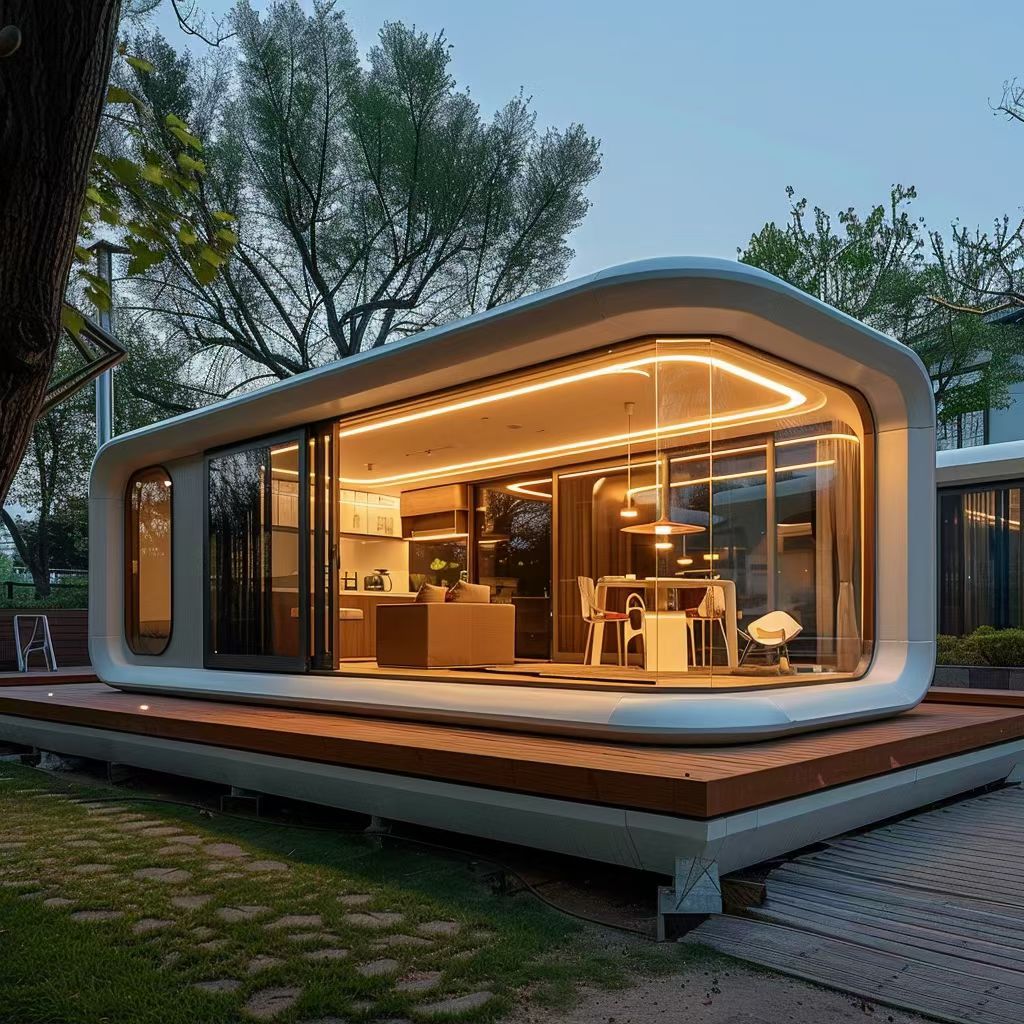
High-quality insulation, soundproofing, large windows, and integrated LED lighting all contribute to a relaxing living environment. Guests feel they are staying in a premium, futuristic space while enjoying privacy and comfort.
4. Minimal Maintenance
Space cabins are engineered with durable materials that withstand moisture, temperature shifts, and sun exposure. This reduces long-term maintenance costs, which is especially important for resorts located in remote or extreme environments.
Commercial Applications of Space Cabins
Beyond tourism, space cabin structures also bring enormous value to various commercial sectors.
1. Office and Workplace Units
Businesses seeking additional workspace can use space cabins as:
- Meeting rooms
- Executive offices
- Remote work cabins
- Research pods
- Creative studios
Their visually impressive design adds professionalism and modern style.
2. Retail and Service Kiosks
For commercial areas such as parks, airports, shopping complexes, and scenic spots, space cabins can be configured as:
- Ticket booths
- Visitor information centers
- Boutique shops
- Coffee kiosks
- Pop-up showrooms
Their modular nature makes it easy to customize layouts according to business needs.
3. Marketing and Exhibition Pods
Space cabins work perfectly as portable exhibition units for product displays, brand promotion, or interactive experiences. The futuristic aesthetic strengthens brand positioning and creates memorable customer engagement.
4. Emergency Rooms and Temporary Facilities
Due to fast installation and durable construction, space cabins can also serve as temporary command centers, emergency offices, mobile clinics, or supervision stations in outdoor events.
Engineering and Structural Features
Space cabin structures are designed with long-term durability and environmental resistance in mind. Every detail is engineered for strength, stability, and comfort.
Reinforced Framework
A high-strength steel or aluminum load-bearing frame forms the core of each cabin. This ensures:
- Structural stability
- Resistance to wind and snow loads
- Long lifespan
- Higher safety in remote locations
The frame is treated to resist corrosion and outdoor exposure.
Premium Exterior Materials
The outer shell uses composite panels with weatherproof properties. These panels are resistant to:
- UV rays
- Humidity
- Salt corrosion
- Impact damage
The smooth, sealed surface prevents water leaks and minimizes maintenance.
Insulated Wall System
Multi-layer insulation keeps the interior comfortable during hot summers and cold winters. Energy efficiency is a major advantage, especially for tourism businesses that operate year-round.
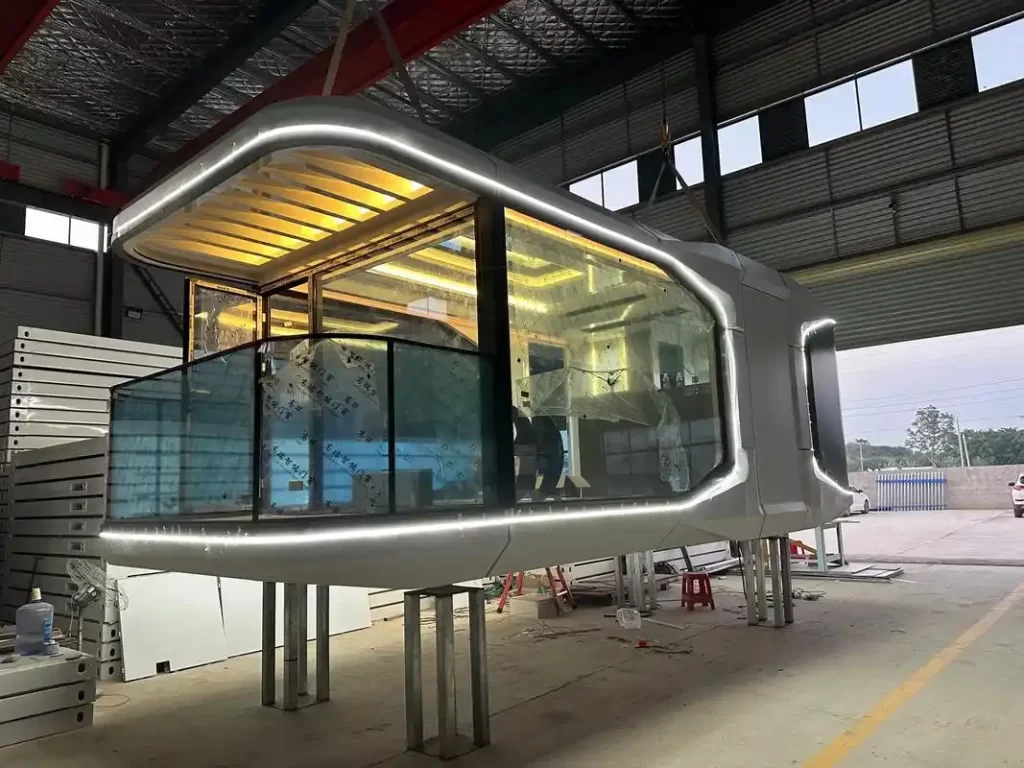
Large Tempered Glass Panels
One of the most iconic elements is the use of panoramic windows. These glass panels offer:
- High transparency
- Strong thermal performance
- Safety protection
- Stunning exterior views
The design creates an immersive experience that blends indoor and outdoor environments.
Smart Interior Layout
Space cabins include:
- LED lighting
- High-grade flooring
- Concealed wiring
- Ventilation systems
- Optional climate control
- Ergonomic furniture arrangement
The interior feels more like a modern hotel room or office rather than a temporary structure.
How Space Cabins Are Manufactured
1. Design and Engineering
Each unit begins with design planning, load calculations, and structural drawings. Customizations such as window shapes, interior layout, and usage purpose are finalized during this stage.
2. Frame Fabrication
Metal components are welded, shaped, and reinforced to create a stable chassis. All welding is inspected to ensure strength and accuracy.
3. Exterior Shell Assembly
Composite panels and glass pieces are installed, sealed, and tested for waterproofing and durability.
4. Interior Construction
Flooring, wall panels, lighting, and electrical systems are added in a clean and controlled environment.
5. Equipment Integration
Optional items such as air conditioners, heating units, sliding doors, or smart systems are installed and tested.
6. Final Inspection
The cabin undergoes strict quality checks before packaging and delivery.
Installation Process
Installing a space cabin is fast and efficient.
Depending on the site conditions, installation can be completed in a single day.
Steps include:
- Preparing the foundation or support columns
- Lifting and positioning the cabin
- Connecting power and utilities
- Performing final adjustments
- Inspecting doors, windows, and interiors
This minimal installation requirement is one of the key reasons businesses choose space cabins over traditional buildings.
Advantages for Business Owners
1. Modern Appearance That Attracts Customers
A stylish structure increases foot traffic and improves the customer experience.
2. Fast Return on Investment
Rapid installation means quicker opening and faster revenue generation.
3. Flexibility for Expansion
Cabins can be added, moved, or reconfigured as demand grows.
4. Cost Efficiency
Controlled manufacturing and minimal on-site labor reduce overall project costs.
5. Long-Term Durability
High-quality materials ensure the structure remains stable and reliable for many years.
Future Trends in Space Cabin Architecture
As demand grows, several trends are emerging:
- Solar-powered autonomous cabin systems
- Improved climate-adaptive insulation
- Smart environmental controls
- Modular connection options for multi-unit complexes
- Eco-friendly sustainable materials
- More curved and fluid architectural styles
Space cabins will continue evolving as a next-generation solution in both tourism and commercial sectors.
Conclusion
Durable space cabin structures offer a modern approach to building accommodation, offices, retail units, and specialized commercial spaces. Their combination of strength, futuristic design, energy efficiency, and rapid installation makes them ideal for resorts, scenic attractions, workspaces, and a wide range of business uses.
As more industries pursue flexible architecture that adds visual value and operational convenience, space cabins are emerging as one of the most powerful and versatile solutions available today. They not only meet the demands of current tourism and commercial markets but also align with future trends in sustainable and intelligent building systems.
Article link:https://www.vlefooena.com/durable-space-cabin-structures-for-tourism-and-commercial-use


No reply content