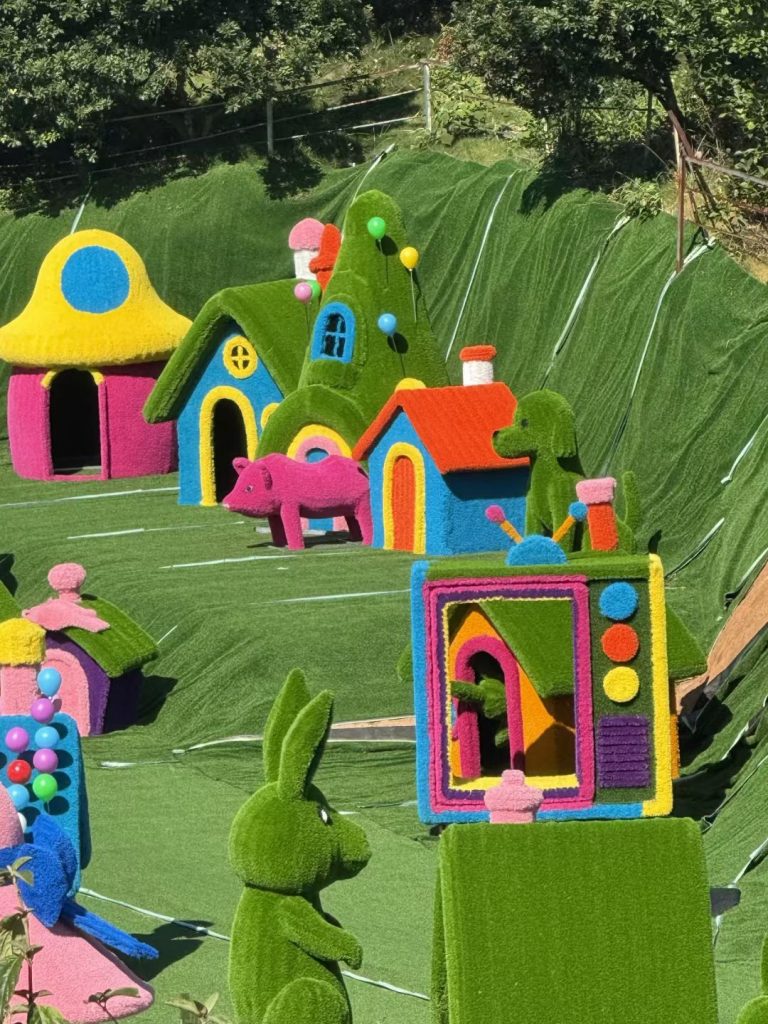
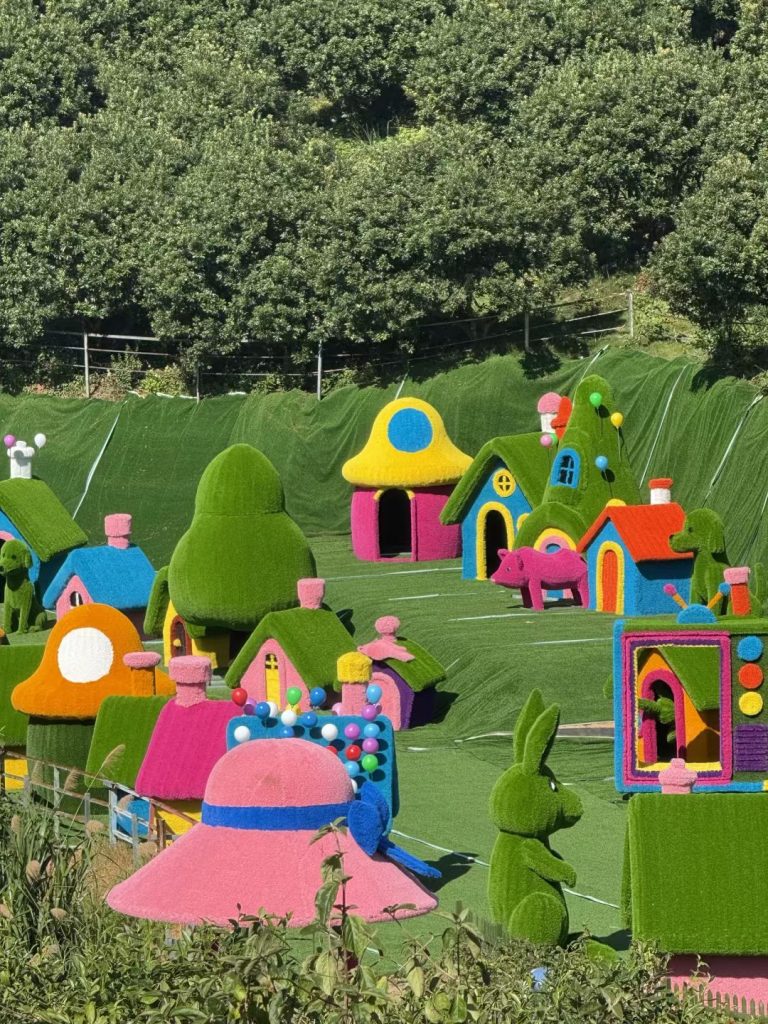
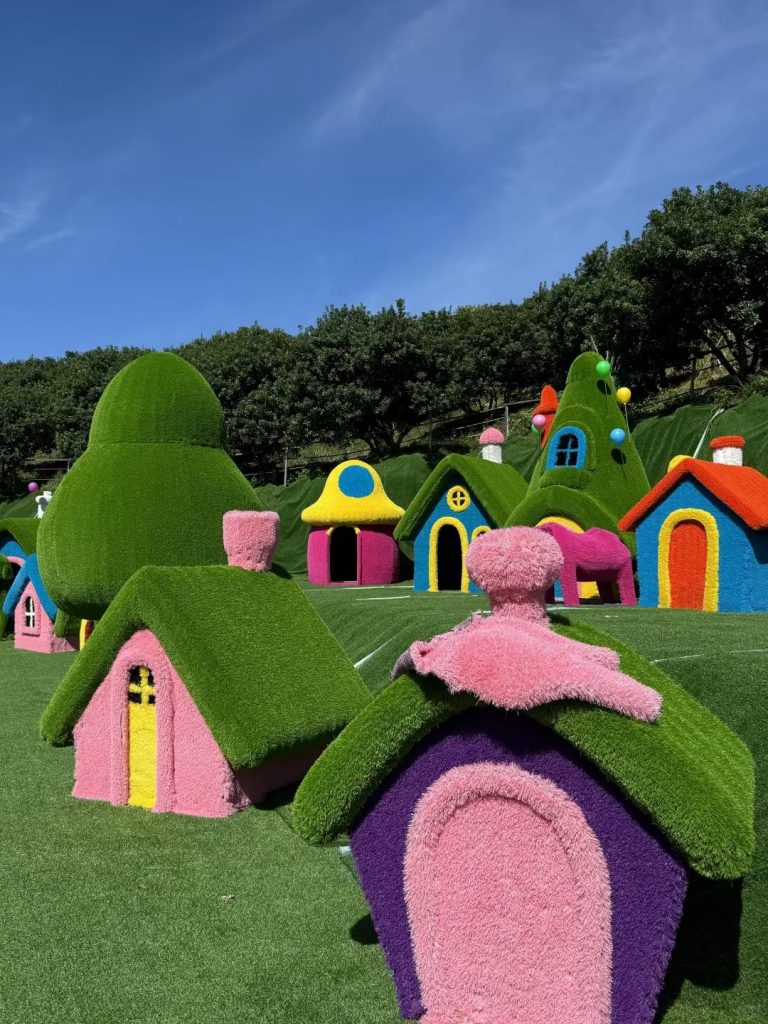
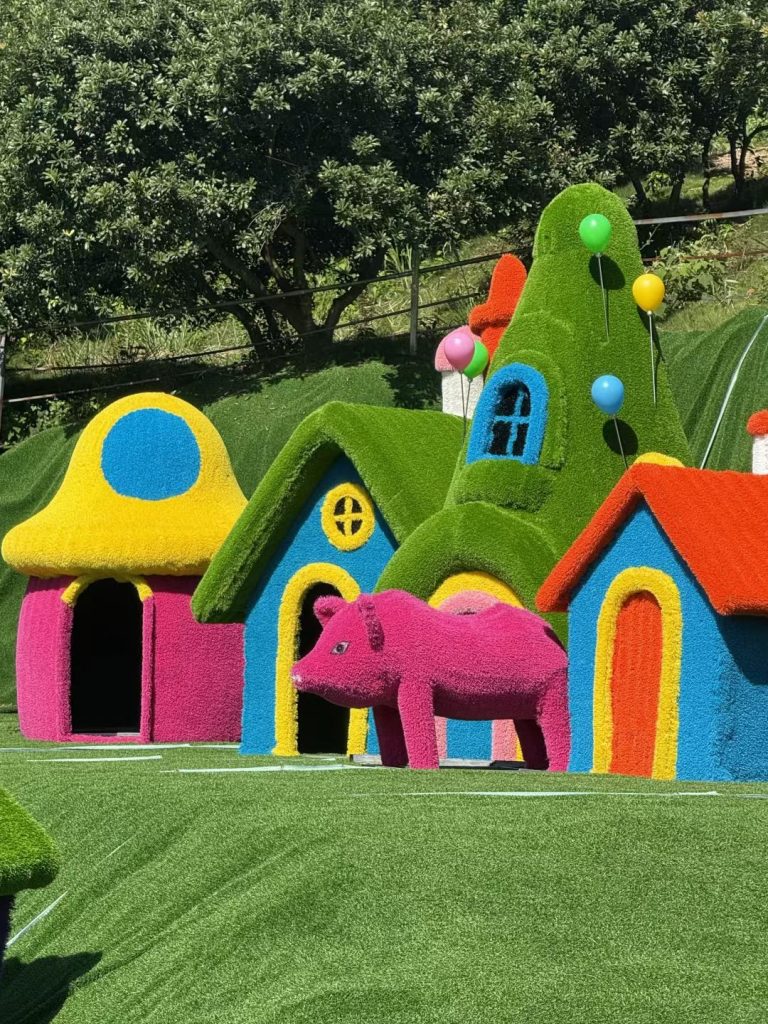
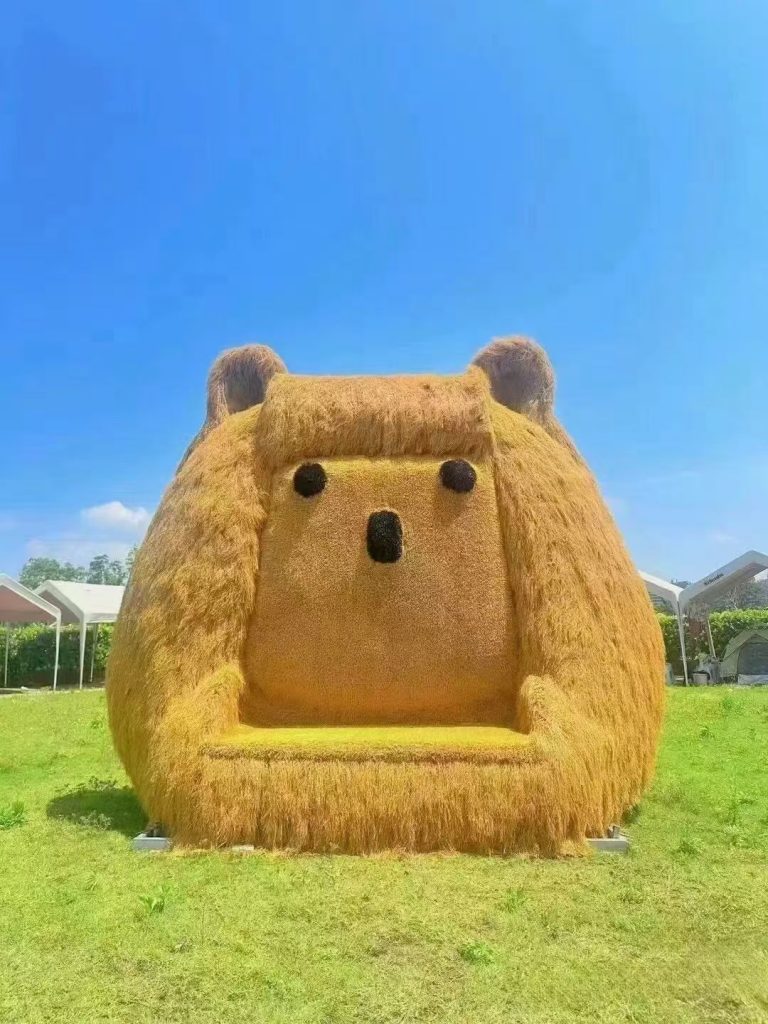
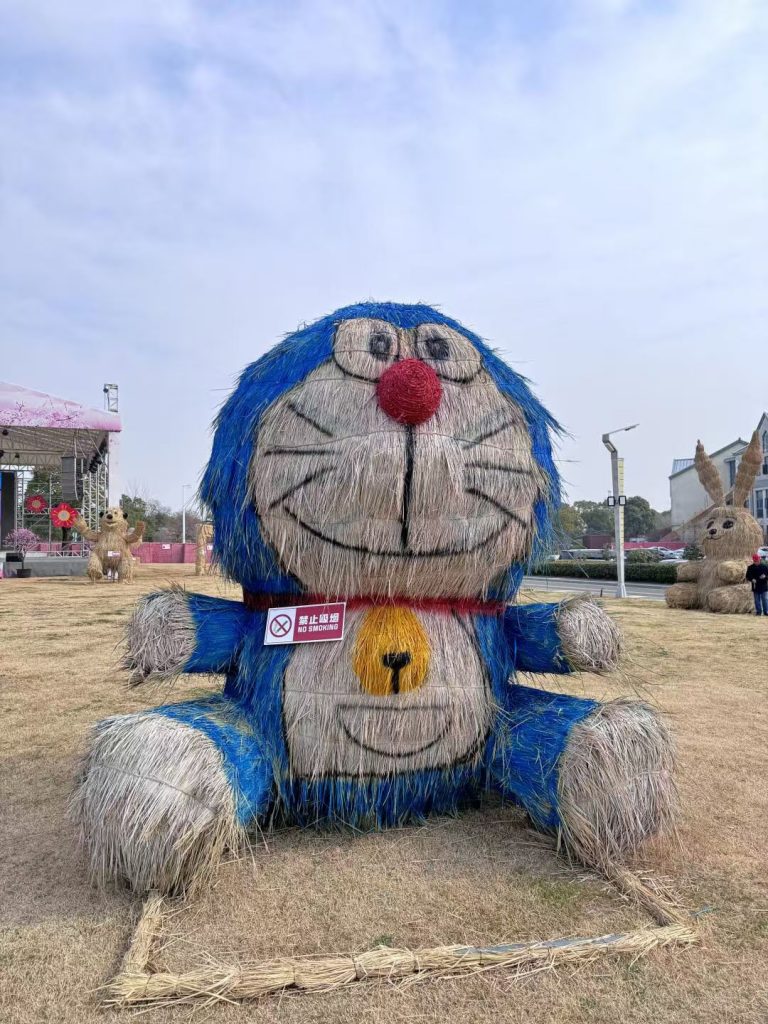
In an era defined by climate urgency and a global shift toward sustainable living, outdoor spaces—from intimate themed gardens to expansive sightseeing spots—are reimagining their role as stewards of the environment. Traditional decor, often reliant on non-biodegradable materials like plastic, fiberglass, or concrete, now faces scrutiny for its carbon footprint and waste generation. Against this backdrop, a quiet revolution is unfolding: the rise of eco-friendly giant panda straw sculptures. These handcrafted installations merge the universal charm of pandas with the sustainability of agricultural byproducts, offering a visually striking, low-impact solution for decorating gardens and tourist destinations. This article explores how these sculptures embody eco-conscious design, their cultural resonance, and their transformative potential for modern outdoor spaces.
The Urgency of Sustainable Outdoor Decor
The outdoor hospitality and tourism industries are at a crossroads. On one hand, global travel rebounded to 95% of pre-pandemic levels in 2023 (UNWTO), driving demand for immersive, photogenic attractions. On the other, travelers and regulators are demanding greener practices: 74% of millennials prioritize “sustainable experiences” when choosing destinations (Booking.com, 2024), and 60% of cities have implemented policies restricting single-use plastics and non-recyclable decor.
Traditional large-scale outdoor decor exacerbates this tension. A single fiberglass statue, for instance, requires 500–1,000 liters of petroleum-based resin and emits 2–3 tons of CO₂ during production. Concrete sculptures, while durable, contribute to 8% of global CO₂ emissions (International Energy Agency). Worse, these materials persist in landfills for centuries, leaching toxins into soil and water.
Eco-friendly alternatives like straw sculptures address this crisis head-on. By repurposing agricultural waste, minimizing energy use, and prioritizing biodegradability, they align with the United Nations’ Sustainable Development Goals (SDGs 11: Sustainable Cities and Communities; SDG 12: Responsible Consumption). For themed gardens and sightseeing spots—spaces that pride themselves on harmony with nature—these sculptures are not just decor; they are statements of values.
Why the Giant Panda? A Symbol of Eco-Harmony
The choice of the giant panda as the subject of these sculptures is deliberate. Beyond its status as a global icon of cuteness (with 12 million Instagram posts tagged #panda), the panda embodies the very principles of ecological balance that modern attractions seek to promote.
1. A Universal Ambassador for Conservation
Native to China’s bamboo forests, pandas are listed as “vulnerable” by the IUCN, with fewer than 1,800 remaining in the wild. Their survival is intrinsically tied to healthy ecosystems—forests that regulate carbon, purify water, and support biodiversity. For themed gardens (e.g., “Bamboo Sanctuary” or “Endangered Species Trail”) and sightseeing spots (e.g., national parks, nature reserves), a panda sculpture serves as a living reminder of conservation’s importance. Paired with educational signage, it can teach visitors about habitat loss, climate change, and the role of protected areas.
2. Cultural and Emotional Resonance
Pandas transcend cultural divides. In China, they symbolize peace and friendship; in the West, they evoke childhood wonder (thanks to zoos and media). For families visiting gardens or tourist sites, a panda sculpture becomes a focal point for shared joy—children “feeding” it imaginary bamboo, couples posing for anniversary photos, solo travelers finding solace in its gentle gaze. This emotional connection drives repeat visits and positive word-of-mouth, critical for destinations reliant on visitor loyalty.
3. Aesthetic Versatility in Natural Settings
A panda’s black-and-white coat and rounded form complement the organic lines of gardens and landscapes. In a themed garden with bamboo groves, a straw panda blends seamlessly, as if “growing” from the foliage. In a mountainous sightseeing spot, a larger-than-life sculpture perched on a cliff edge mimics the region’s wildlife, enhancing the sense of place. Unlike garish metal statues, straw’s earthy texture harmonizes with soil, stone, and plants, creating a cohesive visual narrative.
The Craftsmanship of Eco-Friendly Straw Sculptures
Creating a giant panda straw sculpture is a testament to sustainable craftsmanship. Every step—from material selection to final installation—prioritizes environmental responsibility without compromising artistry.
1. Material Sourcing: Waste to Wonder
The primary material, straw, is an agricultural byproduct: the dry stalks left after harvesting grains like wheat, rice, or barley. Globally, 1.5 billion tons of straw are produced annually, much of which is burned (contributing to air pollution) or left to rot (releasing methane). By repurposing this waste, straw sculptures divert up to 500 kg of agricultural debris per 10-foot statue from landfills.
Factories source straw locally (within 50 km of production sites) to minimize transportation emissions. Only high-quality stalks—free of mold and pesticides—are selected, ensuring durability and safety.
2. Design: Collaboration for Context
Each sculpture begins with a collaborative design process. Artists work with garden managers or tourism boards to align the panda’s pose, size, and details with the site’s theme. For a “Conservation Garden,” the panda might sit upright, holding a sign with a conservation slogan. For a “Bamboo Forest Trail,” it could recline among artificial bamboo, its paws resting on a log. Advanced 3D modeling software ensures proportions are anatomically accurate, while hand-drawn sketches add artistic flair—such as a playful tilt of the head or a subtle blush on its cheeks.
3. Structural Integrity: Strength with Sustainability
A steel or reinforced wooden frame forms the sculpture’s skeleton. Steel is chosen for its recyclability (95% of steel is recycled globally), while wood is sourced from certified sustainable forests (FSC-certified). The frame is designed to withstand winds up to 100 km/h (62 mph) and bear the weight of curious visitors (common in family-friendly spots). For added stability, the base is anchored to a concrete foundation made with recycled aggregate.
4. Straw Application: Layer by Layer, Naturally
Artisans attach straw to the frame using non-toxic, plant-based adhesives (e.g., cornstarch or potato starch glue). The process is meticulous:
-
Base layers: Thick straw strands build the panda’s body, mimicking the density of fur.
-
Detail work: Finer strands form facial features (eyes, nose, mouth) and paw pads. Dyed straw (using natural pigments like beetroot for pink) adds subtle color variation.
-
Texture: Strands are layered at varying angles to create depth—longer pieces for the back, shorter for the belly—evoking the panda’s fluffy coat.
No synthetic dyes or chemicals are used, ensuring the sculpture remains safe for children and wildlife.
5. Sealing and Weatherproofing: Protecting with Plants
To extend the sculpture’s lifespan (3–5 years outdoors), artisans apply a protective coating made from plant-based resins (e.g., linseed oil or pine sap) mixed with beeswax. This sealant repels rain, blocks UV rays, and resists mold—all without releasing volatile organic compounds (VOCs). Unlike petroleum-based sealants, it breaks down naturally over time.
6. Installation and Maintenance: Low-Impact Care
Installation uses cranes or manual lifting (for smaller sculptures), with teams trained to minimize site disruption. Post-installation, maintenance is simple: loose straw is reattached with natural glue, and the sealant is reapplied every 2 years. At the end of its life, the sculpture decomposes in 1–2 years, returning nutrients to the soil—unlike fiberglass, which persists for millennia.
Applications in Themed Gardens: Cultivating Eco-Narratives
Themed gardens—spaces designed around a specific concept, such as biodiversity, mindfulness, or cultural heritage—are ideal settings for eco-friendly panda sculptures. Here’s how they enhance these environments:
1. Conservation-Themed Gardens
In gardens dedicated to endangered species, a panda sculpture acts as a flagship ambassador. Placed near a “Panda Habitat” exhibit (with live bamboo, educational videos, and interactive quizzes), it draws visitors into the story of conservation. For example, a sculpture depicting a panda with a cub can highlight breeding programs, while one “climbing” a tree emphasizes the importance of forest connectivity.
2. Bamboo and Asian-Inspired Gardens
For gardens centered on bamboo (a panda’s primary food source), the sculpture integrates seamlessly. Imagine a panda nestled among a grove of black bamboo, its black ears matching the stalks. At night, LED lights (powered by solar panels) can illuminate the sculpture, creating a magical glow. Some gardens even host “panda tea ceremonies” nearby, blending art with cultural experience.
3. Mindfulness and Wellness Gardens
In gardens designed for relaxation, a serene panda sculpture encourages quiet contemplation. Placed beside a koi pond or zen rock garden, its calm expression mirrors the space’s purpose. Visitors often report feeling “connected to nature” when sitting near the sculpture, making it a valuable tool for mental health programming.
Transforming Sightseeing Spots: Enhancing Visitor Engagement
Sightseeing spots—national parks, scenic overlooks, and hiking trails—face the challenge of balancing preservation with visitor engagement. Eco-friendly panda sculptures address this by adding value without harming ecosystems.
1. Trail Markers and Landmarks
Along hiking trails, a panda sculpture can mark milestones (e.g., “Halfway to the Summit”) or indicate points of interest (e.g., “Panda Viewpoint,” with binoculars for spotting real wildlife). Its presence encourages hikers to slow down and appreciate their surroundings, reducing erosion from rushed foot traffic.
2. Visitor Centers and Entrances
At park entrances, a life-sized panda welcomes guests, setting a tone of eco-friendliness. Inside visitor centers, smaller sculptures can accompany exhibits on local flora and fauna. For example, a panda “discovering” a rare orchid highlights the region’s biodiversity.
3. Seasonal and Cultural Events
Sculptures are easily adapted for events. During Earth Day, a panda can hold a sign reading “Protect Our Forests”; during Lunar New Year, it might wear a red scarf. Because straw is lightweight, these accessories can be swapped out quickly, avoiding permanent alterations.
Sustainability Certifications and Marketing Value
For gardens and sightseeing spots, installing an eco-friendly panda sculpture isn’t just an ethical choice—it’s a marketing advantage. Many destinations leverage the sculpture to earn sustainability certifications:
-
LEED Certification: The U.S. Green Building Council recognizes straw sculptures as “innovative sustainable materials” in landscape design.
-
Green Tourism Certification: Programs like EarthCheck or Green Key award points for using biodegradable decor.
-
ESG Reporting: Businesses can highlight the sculpture in ESG (Environmental, Social, Governance) reports, attracting investors and eco-conscious customers.
Social media amplifies this value. A 2023 study found that 89% of travelers share eco-friendly experiences online, with hashtags like #SustainableTravel and #EcoArt driving engagement. A panda sculpture in a garden, paired with a “How It’s Made” plaque, becomes a story worth telling.
Case Study: A National Park’s Eco-Renaissance
Consider a national park in Southeast Asia, known for its bamboo forests but struggling with low visitor engagement. The park installed a 15-foot eco-friendly panda sculpture along its main trail, positioning it near a newly planted bamboo grove. The sculpture was designed to “lean” toward the grove, as if admiring the plants.
Within 12 months:
-
Visitor numbers rose by 45%, with 60% citing the panda as their reason for visiting.
-
Social media mentions increased by 200%, including features in travel blogs and a viral TikTok video of a child “hugging” the sculpture.
-
Educational impact: Park rangers reported a 30% increase in questions about pandas and conservation, leading to the launch of a “Panda Ranger” program for kids.
The total cost? $30,000—half the price of a fiberglass alternative—with zero long-term waste.
Overcoming Challenges: Addressing Common Concerns
Despite their benefits, eco-friendly straw sculptures face skepticism. Here’s how to address common concerns:
1. Durability in Harsh Climates
Critics worry straw won’t withstand heavy rain or snow. However, with proper sealing (plant-based resins) and structural reinforcement (steel frames), sculptures endure 3–5 years in most climates. In extreme cold, a waterproof tarp can cover the sculpture during winter.
2. Fire Safety
Straw is flammable, but artisans treat it with natural fire retardants (e.g., borax mixed with water) that reduce ignition risk. Additionally, sculptures are placed away from open flames (campfires, grills) and equipped with fire extinguishers nearby.
3. Perceived “Rustic” Aesthetic
Some buyers fear straw looks “unfinished.” Modern designs, however, feature intricate textures and details that rival fiberglass. For a polished look, sculptures can be paired with manicured gardens or sleek signage.
Conclusion: The Future of Eco-Art in Outdoor Spaces
Eco-friendly giant panda straw sculptures represent more than a decorative trend—they are a paradigm shift in how we design outdoor spaces. By merging art, ecology, and cultural storytelling, they offer gardens and sightseeing spots a way to attract visitors, promote conservation, and reduce environmental harm.
As the world grapples with climate change, these sculptures remind us that sustainability and beauty are not mutually exclusive. A panda made from straw, nestled in a garden or perched on a mountain trail, is a symbol of hope: proof that human creativity can work with nature, not against it. For any destination seeking to leave a lasting impression—on visitors and the planet—this is decor with a purpose.
In the end, the true measure of a great outdoor space is not just how it looks, but how it makes people feel. An eco-friendly panda sculpture doesn’t just decorate a garden; it invites visitors to care, to connect, and to become part of a larger story—one of harmony between humanity and the natural world.
Article link:https://www.vlefooena.com/eco-friendly-giant-panda-straw-sculpture-for-themed-garden-sightseeing-spot-decoration


No reply content