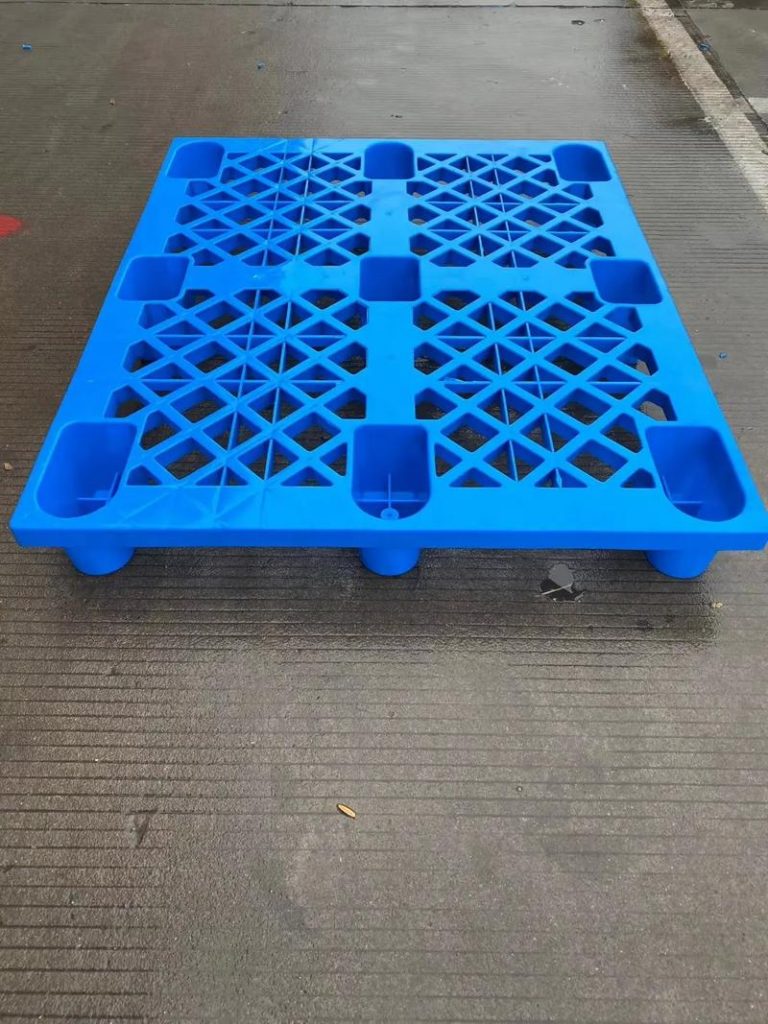
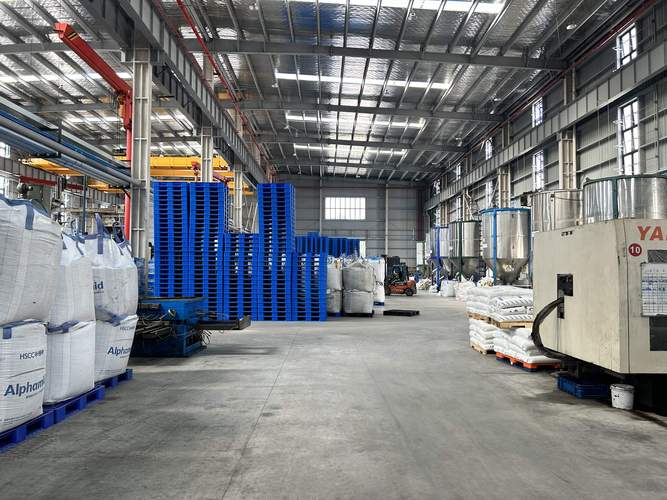
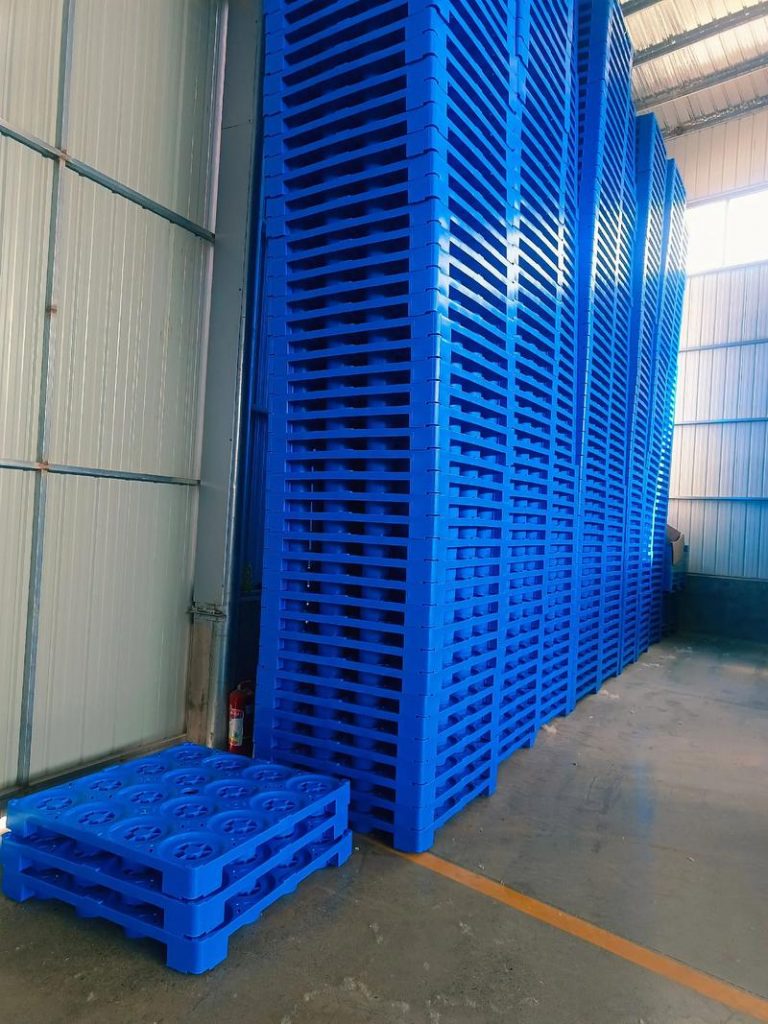
In today’s hyper-connected global economy, supply chain resilience is not just a buzzword—it’s a survival tool. Disruptions, inefficiencies, and hidden costs can erode profit margins and damage customer trust. At the heart of a streamlined supply chain lies the unsung hero: the pallet. A poorly designed or unreliable pallet can bottleneck operations, increase product damage, and inflate logistics costs. Enter the reliable grid plastic pallet: a purpose-built solution engineered to strengthen every link in your supply chain. By combining intelligent design, durable materials, and proven performance, these pallets transform material handling from a logistical challenge into a competitive advantage. This article explores how grid plastic pallets enhance supply chain efficiency, reduce risks, and deliver measurable ROI for businesses committed to operational excellence.
Part 1: The Engineering Blueprint—Why Grid Design Delivers Unmatched Reliability
1.1 Triangulated Load Distribution: Strength Without Bulk
1.2 Ventilation and Drainage: Protecting Goods in Transit
1.3 Four-Way Entry: Unlocking Handling Flexibility
Part 2: The Pillars of Reliability—Material, Manufacturing, and Design
2.1 Advanced Polymer Science: HDPE and Polypropylene Dominance
2.2 One-Piece Injection Molding: Zero Weak Points
2.3 Reinforced Structural Elements
Part 3: How Grid Plastic Pallets Enhance Supply Chain Performance
3.1 Warehousing Efficiency: Faster, Safer, Denser Storage
-
Reduced Handling Time: Four-way entry and lightweight design cut pallet movement time by 20–30% in manual and automated systems.
-
Optimized Vertical Space: Stackable designs (4–6 pallets high) maximize high-bay racking capacity, reducing warehouse footprint by 25–40%.
-
Safer Operations: No nails or splinters eliminate puncture hazards; stable stacks prevent collapses.
3.2 Transportation Optimization: Lower Costs, Less Damage
-
Lightweight Advantage: 30–50% lighter than wood, reducing freight costs by 15–25% per shipment.
-
Damage Reduction: Rigid grid structure and impact-resistant materials cut product damage rates by 50–70% compared to wood.
-
ISPM 15 Exemption: Avoid costly wood fumigation/documentation for international shipping, speeding up cross-border deliveries.
3.3 Inventory Management: Accuracy and Traceability
-
Uniformity: Identical dimensions and weight simplify WMS integration and cycle counting.
-
Color Coding: Optional color variations (e.g., blue for raw materials, green for finished goods) enable visual inventory sorting.
-
RFID Integration: Molded-in RFID slots allow real-time tracking, reducing loss and improving demand forecasting.
3.4 Hygiene and Compliance: Meeting Stringent Standards
-
Non-Porous Surface: Resists bacteria, mold, and chemical absorption—critical for FDA, EU 10/2011, and GMP compliance.
-
Easy Sanitization: Hose down, steam clean, or pressure wash without damage. Ideal for food processing, pharma, and healthcare.
-
Pest Resistance: No wood means no termite or beetle infestations, eliminating contamination risks.
3.5 Total Cost of Ownership (TCO): Long-Term Savings
-
Longer lifespan (8–12 years vs. 2–3 years for wood),
-
Minimal maintenance (no repairs/replacements),
-
Reduced labor/cleaning costs,
-
Lower insurance premiums (fewer accidents).
Part 4: Real-World Applications—Where Grid Plastic Pallets Excel
4.1 Food and Beverage
-
Cold Chain: HDPE grids withstand freezing temps (-40°C) and drain condensation in refrigerated warehouses.
-
Fresh Produce: Ventilation prevents spoilage; easy cleaning meets USDA/FDA standards.
4.2 Pharmaceuticals and Healthcare
-
Sterile Environments: Non-porous surfaces prevent contamination; traceability via RFID ensures compliance.
-
Medical Device Transport: Impact resistance protects sensitive equipment.
4.3 Manufacturing and Automotive
-
Just-in-Time (JIT) Delivery: Lightweight design speeds line-side replenishment; 4-way entry fits tight factory floors.
-
Heavy Component Handling: Glass-reinforced grids support engine blocks, tires, and metal parts.
4.4 Retail and E-Commerce
-
Fulfillment Centers: Stackable design maximizes warehouse space; smooth surfaces protect apparel/electronics.
-
Reverse Logistics: Durable enough for repeated returns processing.
4.5 Export and Third-Party Logistics (3PL)
-
Global Shipping: ISPM 15 exemption eliminates delays; nestable models save container space.
-
Mixed-Cargo Handling: Compatible with diverse loads (boxes, bags, drums).
Part 5: Selecting the Right Grid Plastic Pallet—A Buyer’s Checklist
5.1 Load Requirements
-
Dynamic Load: Weight while moving (forklift/pallet jack). Choose 1.5x your max unit load.
-
Static Load: Weight in storage. Opt for 4x dynamic load for racking.
-
Racking Load: Critical for high-bay systems—verify manufacturer certifications.
5.2 Environmental Adaptability
-
Temperature: HDPE for cold storage; PP for hot washdowns.
-
Chemicals: Confirm resistance to acids, oils, or solvents in your facility.
-
UV Exposure: Select UV-stabilized grades for outdoor use.
5.3 Deck and Foot Design
-
Grid vs. Solid: Grid for ventilation/drainage; solid for stability with bagged goods.
-
Leg Style: 9-leg for nesting/stability; 4-leg for low-profile racking.
5.4 Certifications
Conclusion: Build a Resilient Supply Chain with Reliable Grid Plastic Pallets
Article link:https://www.vlefooena.com/enhance-your-supply-chain-with-our-reliable-grid-plastic-pallets


No reply content