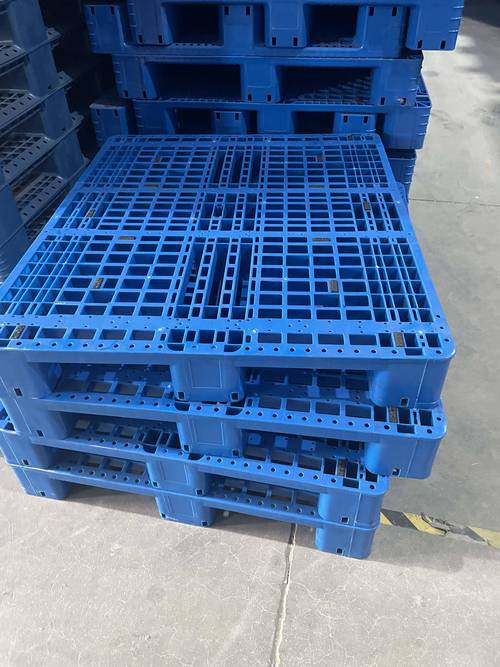
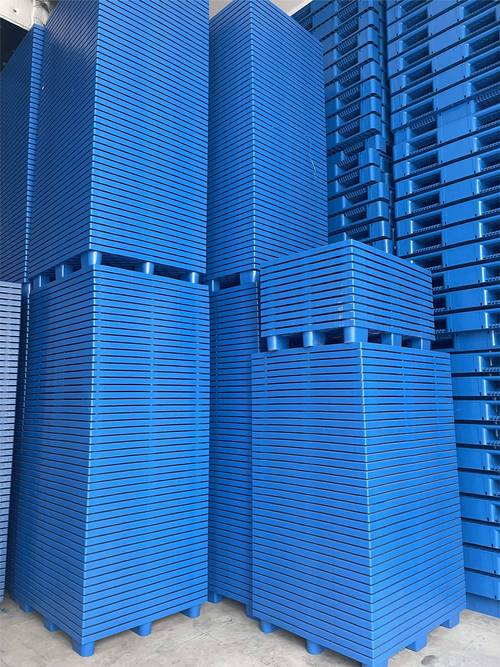
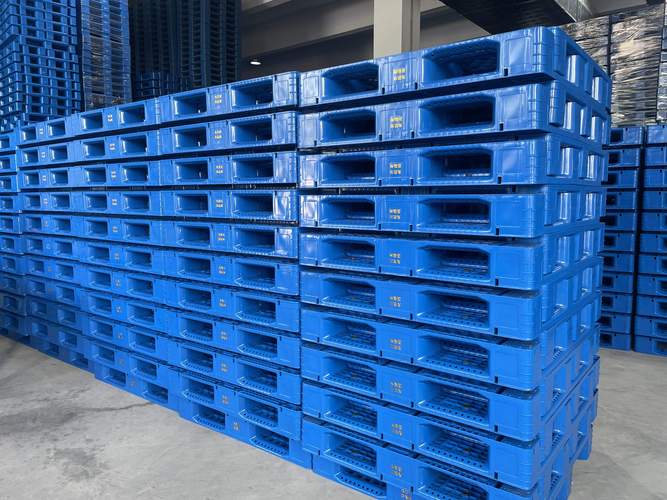
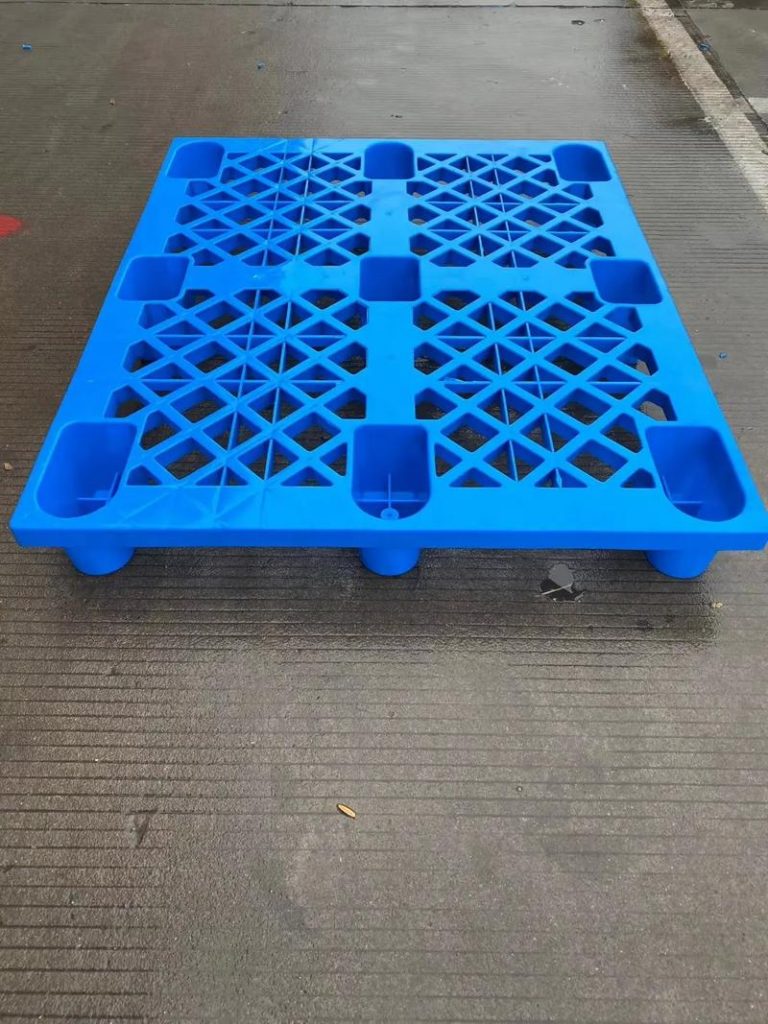
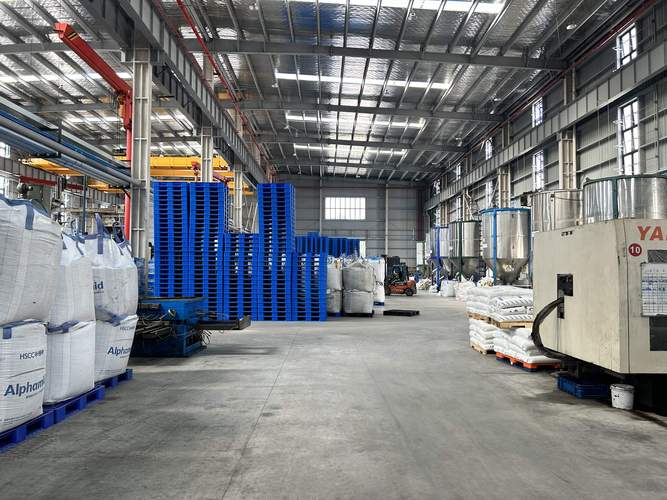
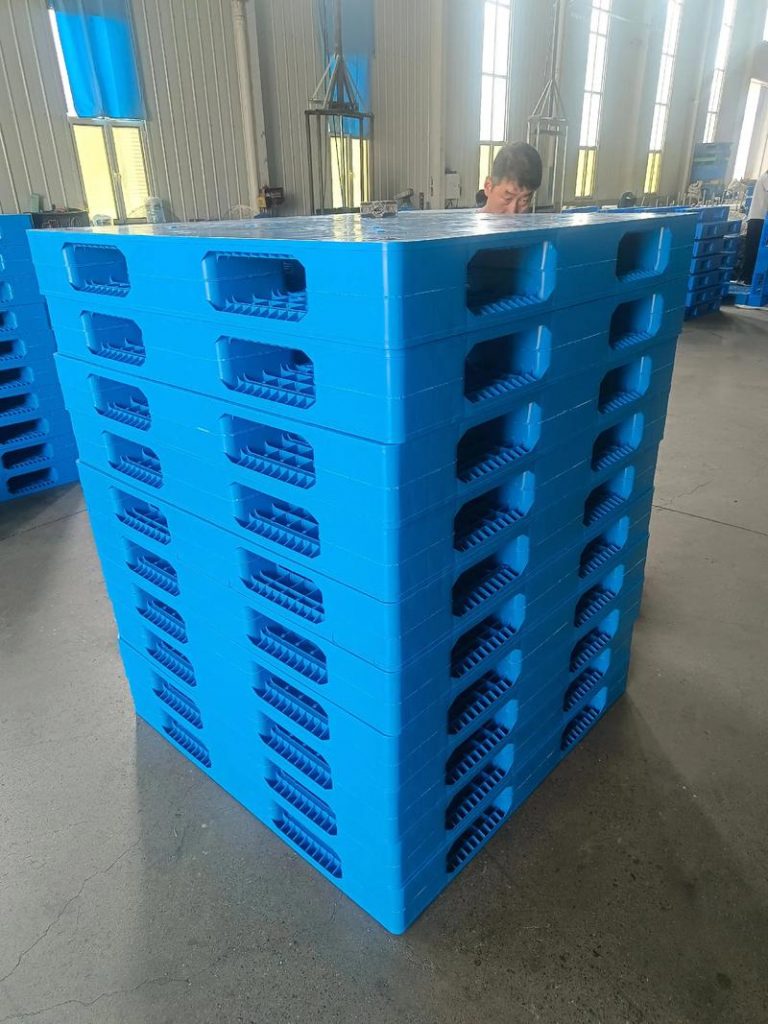
Maintaining hygiene and safety in the storage and transportation of food products is a top priority for manufacturers, distributors, and retailers. Contamination or spoilage can lead to serious health risks, regulatory issues, and financial losses. Food-grade plastic pallets provide an ideal solution, offering a sanitary, durable, and efficient method for storing and handling food products across the supply chain.
Why Food-Grade Plastic Pallets Are Essential
Traditional wooden pallets can harbor bacteria, mold, or pests due to their porous nature. They are difficult to clean and can compromise food safety. In contrast, food-grade plastic pallets are specifically designed to meet strict hygiene standards, ensuring that products remain safe from contamination during storage and transport.
Key Advantages:
-
Non-Porous and Easy to Clean
Food-grade plastic pallets have smooth, non-porous surfaces that resist moisture, bacteria, and mold. They can be easily washed and sanitized using standard cleaning procedures, maintaining a high level of hygiene in food storage environments. -
Durable and Reusable
These pallets are engineered to withstand repeated use without cracking or degrading. Their longevity reduces the need for replacements, providing cost-effective and sustainable storage solutions. -
Compliance with Food Safety Standards
Food-grade pallets are manufactured from materials approved for food contact. They comply with international standards such as FDA, EU food safety regulations, and other hygiene certifications, ensuring regulatory compliance in domestic and international supply chains. -
Moisture and Chemical Resistance
Plastic pallets resist moisture, cleaning chemicals, and mild acids or bases commonly used in food processing environments, maintaining integrity and hygiene over time.
Applications of Food-Grade Plastic Pallets
Food-grade plastic pallets are suitable for various sectors within the food industry:
- Cold Storage and Refrigeration – Ideal for chilled and frozen goods, maintaining structural integrity in low-temperature environments.
- Processing Facilities – Sanitary pallets prevent contamination during production and packaging processes.
- Distribution Centers – Efficient handling and transportation of food products while maintaining hygiene standards.
- Retail Storage – Safe and clean pallets for storing and displaying packaged food items.
- Export and International Shipping – Compliant with food safety regulations in global supply chains.
Types of Food-Grade Plastic Pallets
Food-grade pallets come in different designs to suit various handling and storage needs:
1. Solid Deck Pallets
Solid deck pallets provide a continuous surface that prevents small or packaged items from falling through. They are suitable for delicate or liquid-based products that require maximum support.
2. Grid Deck Pallets
Grid or ventilated pallets allow airflow, making them ideal for perishable items such as fruits, vegetables, and bakery goods. The open design promotes air circulation and helps maintain freshness.
3. Nestable Pallets
Nestable pallets save storage space when not in use. They are lightweight and easy to handle while providing hygiene-compliant surfaces for food storage.
4. Stackable Pallets
Stackable pallets support heavier loads and allow secure stacking in warehouses or refrigerated trucks, optimizing space while maintaining safe food handling practices.
5. Custom Food-Grade Pallets
For specialized applications, pallets can be customized in size, color, or design to meet specific operational requirements while adhering to hygiene and safety standards.
Benefits of Using Food-Grade Plastic Pallets
1. Enhanced Food Safety
By eliminating the risks associated with wooden pallets—such as bacteria, mold, and splinters—food-grade plastic pallets maintain a clean and sanitary storage environment.
2. Operational Efficiency
Standardized pallet sizes and designs ensure compatibility with forklifts, pallet jacks, conveyor systems, and automated storage solutions, streamlining warehouse operations and transportation.
3. Cost-Effectiveness
While the initial investment may be higher than traditional pallets, the durability and reusability of food-grade plastic pallets reduce replacement costs and operational disruptions, offering long-term savings.
4. Sustainability
Many food-grade pallets are made from recycled plastics and can be recycled again at the end of their lifecycle, supporting eco-friendly operations and reducing environmental impact.
5. Versatility
Food-grade pallets are suitable for a wide range of products, from frozen meats and dairy to packaged snacks, beverages, and fresh produce.
Tips for Selecting Food-Grade Plastic Pallets
When choosing pallets for hygienic food storage, consider:
- Material Compliance – Ensure the pallet material is certified for food contact and meets regulatory standards.
- Load Capacity – Match the pallet strength to the weight of your food products.
- Temperature Resistance – For frozen or chilled goods, select pallets that maintain durability in low temperatures.
- Design Efficiency – Choose pallets compatible with racking, stacking, and transportation equipment.
- Cleaning and Maintenance – Select pallets that are easy to wash and sanitize for consistent hygiene.
Conclusion
Food-grade plastic pallets are an essential component of modern food storage and logistics. By providing sanitary, durable, and efficient solutions, they help businesses maintain product safety, comply with regulations, and optimize warehouse operations.
Investing in food-grade plastic pallets ensures not only the protection of valuable food products but also enhances operational efficiency, cost-effectiveness, and sustainability across the supply chain. For any business handling food, these pallets are a reliable and indispensable solution for hygienic storage and safe transportation.
Article link:https://www.vlefooena.com/food-grade-plastic-pallets-for-hygienic-storage


No reply content