As urbanization accelerates and lifestyles continue to evolve, traditional housing is no longer the only solution for people seeking flexible, efficient, and comfortable living spaces. Today, mobile homes, pod-style cabins, and container houses are redefining modern living. These modular structures provide not only a practical solution to housing shortages but also a sustainable and customizable approach to residential, commercial, and tourism applications.
This article explores the design philosophy, manufacturing process, and future potential of these innovative housing solutions, demonstrating how they merge technology, comfort, and adaptability.
1. The Rise of Modular Living
The concept of modular living is rooted in flexibility and efficiency. Unlike conventional buildings, modular homes can be transported, expanded, or reconfigured according to user needs. This adaptability has led to growing demand in multiple sectors, including tourism, commercial operations, and private residential projects.
Key drivers for the rise of modular housing include:
- Rapid construction: Units are produced in a factory-controlled environment, reducing construction time.
- Cost efficiency: Lower labor and material costs compared to traditional construction.
- Environmental benefits: Minimal on-site waste and reduced carbon footprint.
- Design flexibility: Units can be customized in size, layout, and aesthetics.
- Mobility: Homes can be relocated without extensive reconstruction.
These advantages make modular homes a smart choice for modern urban dwellers, businesses, and developers seeking quick, efficient, and sustainable solutions.
2. Mobile Homes: Living on the Move
Mobile homes are designed to offer the same comfort as conventional houses but with the unique advantage of mobility. They are particularly suitable for families, travelers, and project-based workers who require flexible housing.
Structural Features
- Steel chassis: Provides a strong base capable of withstanding transportation and environmental stress.
- Insulated walls: Ensure thermal comfort and soundproofing.
- Weatherproof exteriors: Durable panels protect against wind, rain, and UV exposure.
- Stabilized foundations: Maintain safety during temporary or long-term placement.
Interior Planning
Smart design is essential to maximize small spaces in mobile homes:
- Compact kitchens with essential appliances
- Functional bathrooms with water-saving fixtures
- Foldable or hidden furniture to save space
- Integrated storage solutions
- Comfortable living areas that double as workspaces
Mobile homes combine practicality and style, making them suitable for modern families and business operators alike.
Applications
- Remote workstations
- Tourism rental cabins
- Seasonal vacation homes
- Emergency or temporary housing
- Rural retreat cottages
3. Space-Pod Houses: Futuristic, Compact, and Stylish
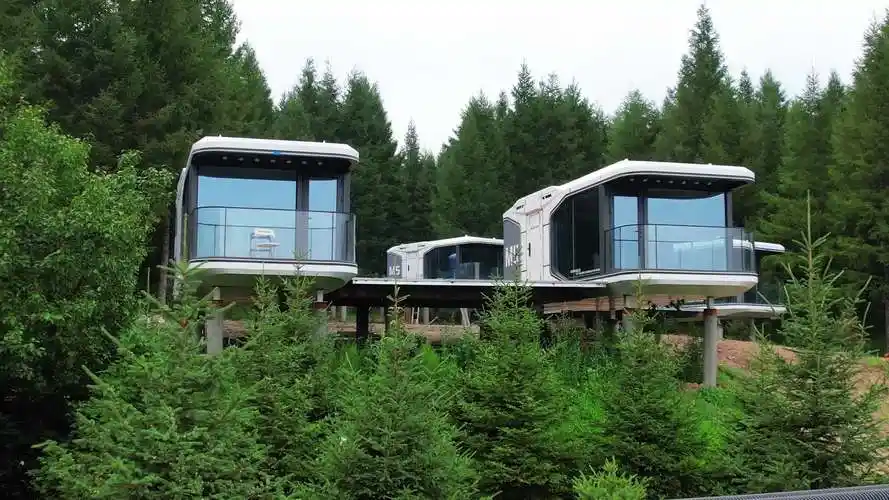
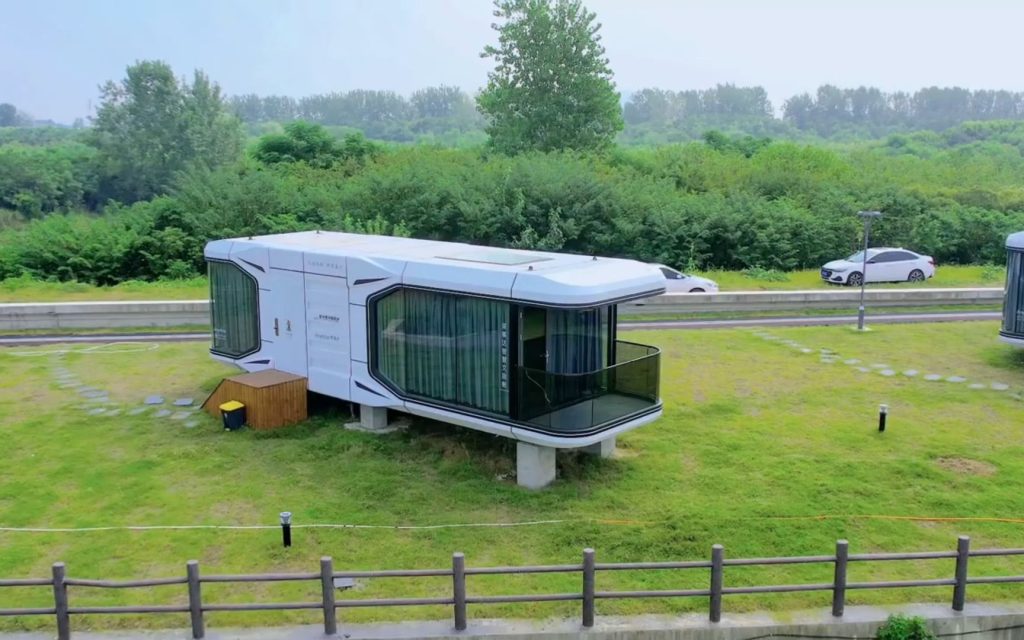
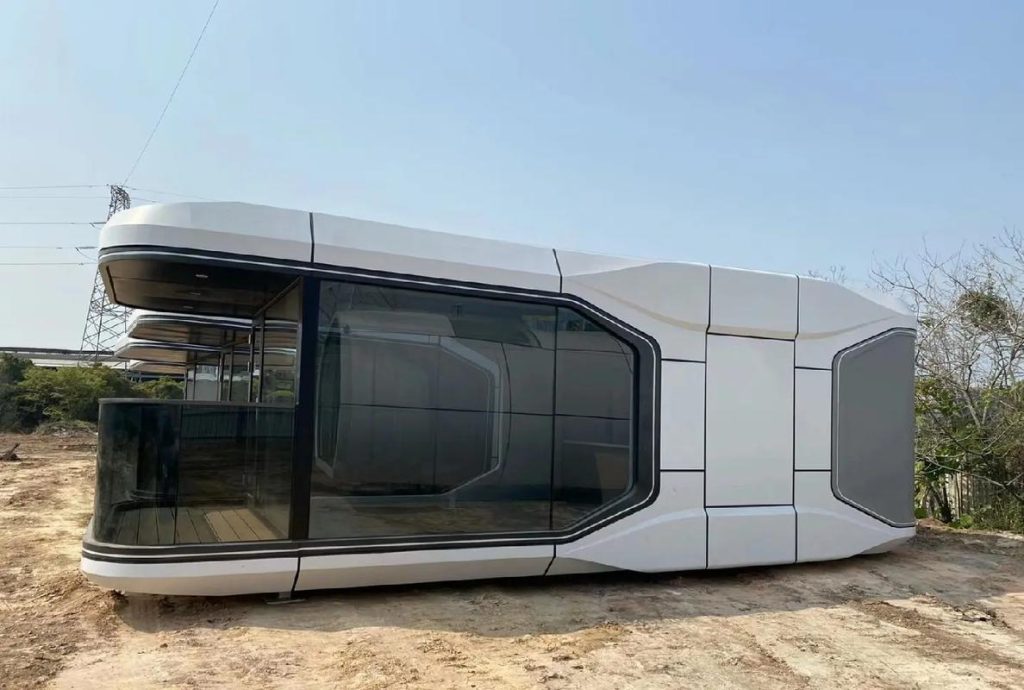
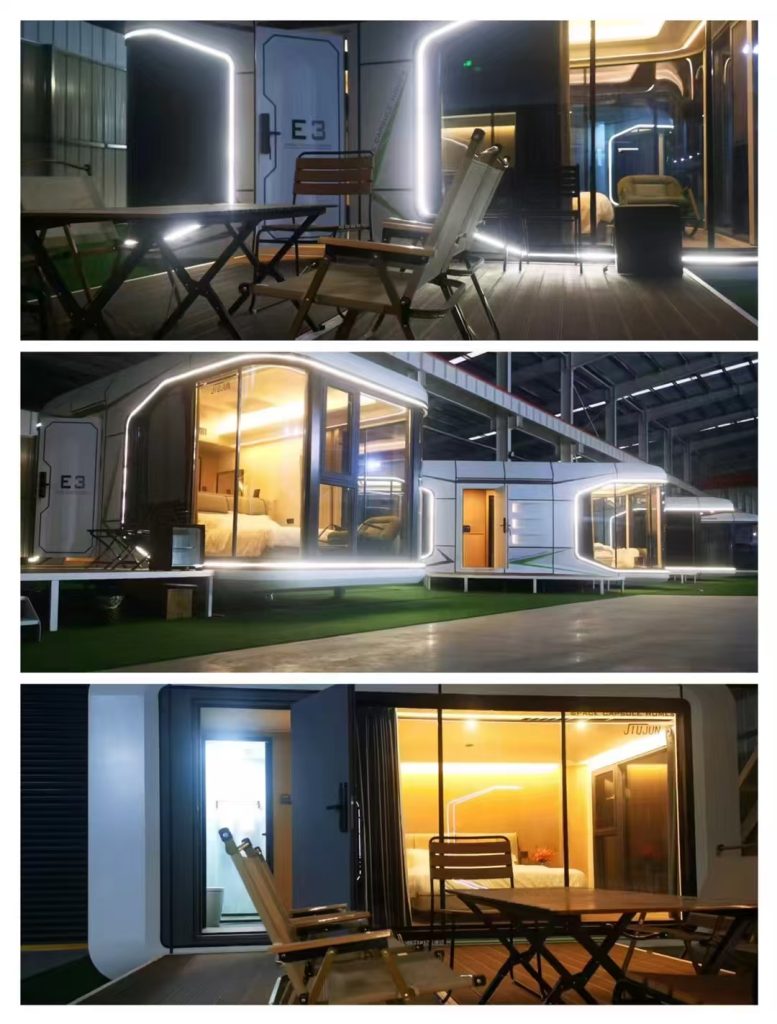
Pod-style houses, often inspired by futuristic architecture, combine compact dimensions with creative aesthetics. Their smooth, rounded exteriors and smart interior layouts make them ideal for resorts, glamping sites, and innovative residential projects.
Key Characteristics
- Aerodynamic shells: Reduce wind resistance and improve energy efficiency.
- Lightweight composite materials: Provide strength without excessive weight.
- Panoramic windows: Connect occupants with their surroundings and allow natural light.
- Built-in multifunctional furniture: Maximizes interior space.
- Smart system compatibility: Optional features include climate control, LED lighting, and security integration.
Applications
- Glamping and eco-resorts
- Mountain or lakeside retreats
- Backyard studios or guest rooms
- Creative workspaces for freelancers and digital nomads
- Off-grid accommodations
Pod houses offer a balance of aesthetics, functionality, and experience, transforming ordinary plots into visually striking living spaces.
4. Container Houses: Industrial Strength and Adaptability
Container houses offer unmatched structural integrity, scalability, and versatility. Originally designed for cargo transport, containers are now transformed into comfortable, modular homes.
Structural Advantages
- Durable steel construction for long-term stability
- Stackable design for multi-floor layouts
- Quick assembly and disassembly
- Pre-insulated panels for thermal efficiency
- Flexible layouts suitable for residential and commercial use
Interior Features
- Efficient space planning for kitchens, bathrooms, and bedrooms
- Modern interior finishes for residential comfort
- Built-in storage and furniture
- Optional smart home technology integration
Applications
- Worker accommodations on construction or industrial sites
- Temporary offices and field facilities
- Pop-up retail stores or cafés
- Student housing
- Emergency relief and medical facilities
Container houses combine industrial durability with modern living standards, making them ideal for long-term and multi-functional projects.
5. Manufacturing Excellence: From Concept to Delivery
The production of modular homes requires careful planning, precision engineering, and high-quality materials. The manufacturing process involves:
- Structural Framework: Steel frames are fabricated, welded, and treated against corrosion.
- Wall and Roof Assembly: Insulated panels are installed for comfort and energy efficiency.
- Mechanical, Electrical, and Plumbing Integration: Pre-fabricated systems are embedded within walls.
- Interior Finishing: Flooring, cabinetry, lighting, and furniture are fitted with precision.
- Exterior Protection: Weatherproofing, waterproofing, and UV-resistant coatings are applied.
- Quality Control: Each unit undergoes rigorous testing for durability, safety, and functionality before delivery.
This meticulous process ensures each home performs reliably in diverse environments.
6. Sustainability and Efficiency
Modular homes provide environmental and economic benefits that traditional construction often cannot match.
Environmental Advantages
- Reduced construction waste
- Minimal site disturbance
- Recyclable materials
- Solar-ready designs and off-grid options
Economic Advantages
- Faster deployment reduces labor and project costs
- Flexible placement allows for multiple revenue streams
- Long-term durability reduces maintenance costs
These factors make modular homes an attractive option for developers, investors, and environmentally conscious homeowners.
7. Customization and Client-Centric Design
A modular home’s flexibility is one of its greatest advantages. Customers can specify:
- Layout configurations
- Exterior finishes and color options
- Furniture, lighting, and interior decor
- Smart system integration
- Energy-efficient solutions
- Optional terraces, decks, or outdoor extensions
This level of customization ensures every home meets the functional and aesthetic needs of the client.
8. The Future of Modular Housing
Looking ahead, modular housing will continue evolving to meet modern demands:
- Advanced lightweight materials for stronger, more energy-efficient structures
- Automated smart systems for climate, lighting, and security
- Expandable or foldable modules for versatile space utilization
- Integration with renewable energy and water-saving technologies
- Enhanced aesthetic design for tourism and high-end residential applications
The combination of innovation, sustainability, and practicality ensures that modular homes will play a key role in global housing development.
Conclusion
Mobile homes, pod houses, and container houses represent a paradigm shift in modern living. They combine mobility, efficiency, sustainability, and style, offering versatile solutions for families, businesses, tourism operators, and developers.
By embracing modular design, manufacturers can deliver housing that is not only practical and comfortable but also adaptable to the changing demands of a dynamic world. With continued innovation, modular homes will define the future of how people live, work, and explore their surroundings.
Article link:https://www.vlefooena.com/future-ready-modular-homes-mobile-flexible-and-sustainable


No reply content